
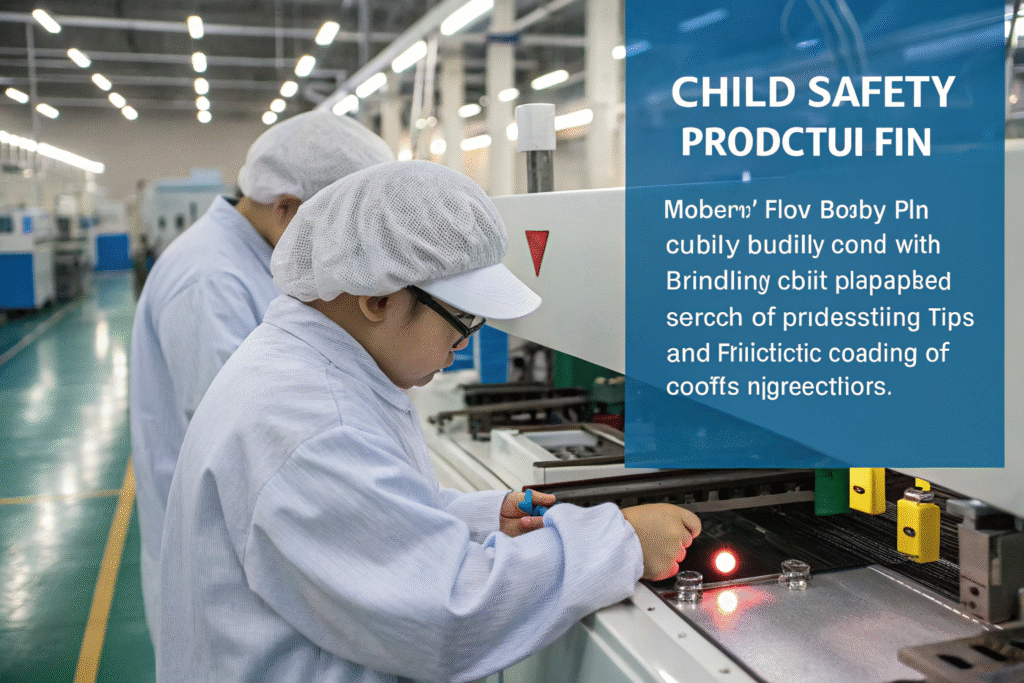
Children's hair accessories require special safety considerations, particularly for products like bobby pins that feature metal tips. Parents and retailers increasingly demand assurance that these everyday items won't pose scratching, poking, or other injury risks to young users. Factories have developed comprehensive approaches to address these concerns while maintaining product functionality.
Factories ensure bobby pin tip safety for kids through rounded tip designs, smooth finishing processes, protective coating applications, rigorous testing protocols, and compliance with international children's product safety standards. These measures include both design-phase safety integration and production-phase quality control systems that specifically address the unique vulnerabilities of young users. The most responsible manufacturers treat child safety as a fundamental design requirement rather than an afterthought.
The process of creating child-safe bobby pins involves multiple specialized techniques and verification stages. Let's examine the specific safety measures and quality assurance processes that distinguish manufacturers committed to children's product safety.
What Design Features Make Bobby Pins Safe for Children?
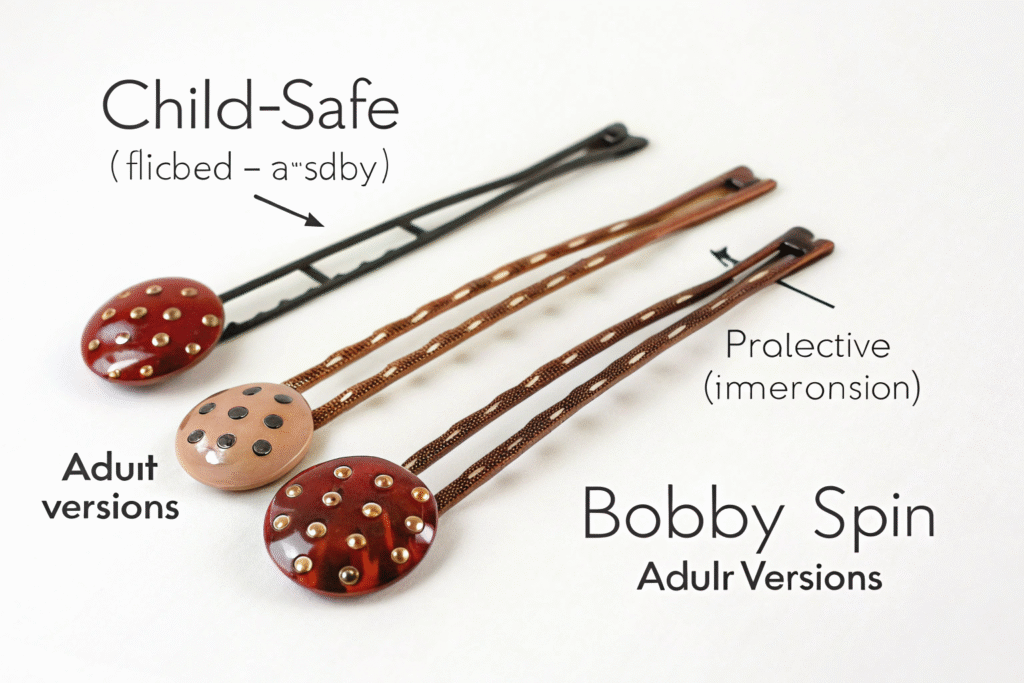
Safety begins at the design stage, where specific features are incorporated to minimize potential risks. Child-safe bobby pins differ significantly from adult versions in both proportion and protective elements.
The most effective safety designs address multiple risk factors simultaneously while maintaining the bobby pin's functional purpose. These design considerations balance safety, usability, and manufacturing feasibility.
How Do Rounded Tip Designs Enhance Safety?
Rounded tip geometry eliminates sharp points that could scratch scalps or pose eye injury risks. The curvature radius typically measures 1.5-2.0mm, large enough to prevent penetration but small enough to maintain hair-gripping functionality. Gradual tapers rather than abrupt endpoints ensure smooth contact with skin and hair. Multi-angle rounding addresses safety from various directions of potential contact, not just straight-on approaches.
What Protective Coatings Add Safety Layers?
Food-grade silicone dipping creates flexible, cushioned tips that absorb impact and prevent direct metal-to-skin contact. Thermal-cured epoxy coatings provide durable, smooth finishes that withstand repeated use without chipping or peeling. Powder-coated tips offer consistent coverage with rounded edges that feel soft to the touch. UV-cured polymer coatings create seamless protective barriers that integrate permanently with the metal substrate.
What Manufacturing Processes Ensure Consistent Safety?
Safety features must be consistently reproduced across mass production, requiring specialized manufacturing techniques and precise quality control. The production processes themselves are optimized for safety outcome reliability.
Advanced manufacturing approaches ensure that every bobby pin leaving the factory meets the same safety standards, regardless of production volume or batch variations.

How Are Tips Consistently Rounded During Production?
Computer-controlled grinding wheels with diamond-tipped abrasives create precise, consistent tip radii across thousands of units. Robotic polishing stations use progressively finer abrasives to achieve mirror-smooth surfaces free of burrs or sharp edges. Vision systems continuously monitor tip geometry, automatically rejecting pins that fall outside safety specifications. In-process measurement probes verify critical dimensions at multiple production stages, not just final inspection.
What Quality Control Systems Catch Safety Defects?
Automated optical inspection systems use high-resolution cameras to detect microscopic sharp edges or coating imperfections. Manual sampling inspections involve trained quality control staff physically testing random samples from each production batch. Accelerated wear testing simulates extended use to ensure protective coatings remain intact through normal product lifespan. Child-safety-focused testing protocols go beyond standard quality checks to specifically address children's usage scenarios and vulnerabilities.
What Safety Standards and Certifications Apply?
Compliance with recognized safety standards provides objective verification of product safety. Reputable manufacturers not only meet these standards but often exceed their requirements.
International safety standards establish minimum requirements, while comprehensive factory safety programs typically incorporate additional protective measures.
Which International Standards Govern Children's Bobby Pins?
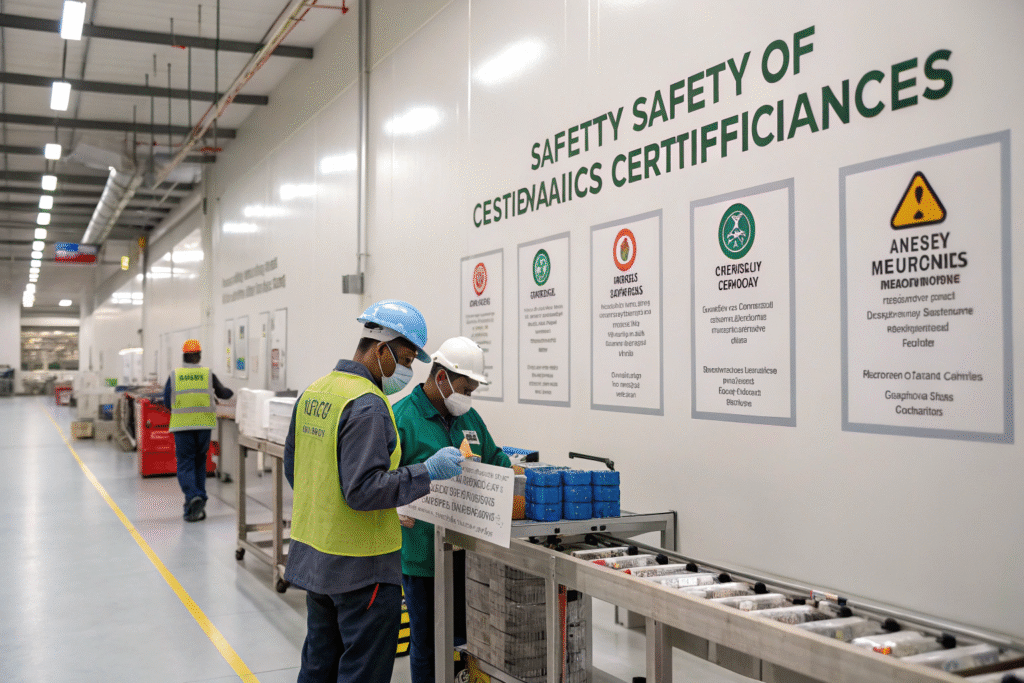
The ASTM F963 Standard Consumer Safety Specification for Toy Safety includes specific requirements for sharp points and edges in children's products. EN 71 European Standard for Toy Safety defines technical requirements for mechanical and physical properties of toys. CPSIA (Consumer Product Safety Improvement Act) in the United States mandates third-party testing and certification for children's products. ISO 8124 International toy safety standards provide globally recognized safety benchmarks for products intended for children.
What Additional Testing Do Responsible Manufacturers Conduct?
Extended use testing evaluates whether safety features remain effective after repeated opening, closing, and cleaning cycles. Material safety verification ensures that all coatings and materials are non-toxic and free from heavy metals or harmful substances. Stress testing subjects bobby pins to forces exceeding normal use to identify potential failure modes before they occur. Usability testing with children (under controlled, supervised conditions) validates that safety features function appropriately in real-world use scenarios.
How Do Packaging and Labeling Support Safety?
Proper packaging and labeling provide important safety information and usage guidance to parents and caregivers. These elements complement physical safety features with educational components.
Effective safety communication helps ensure products are used appropriately and potential risks are understood, even with safety-enhanced designs.
What Safety Information Should Packaging Include?
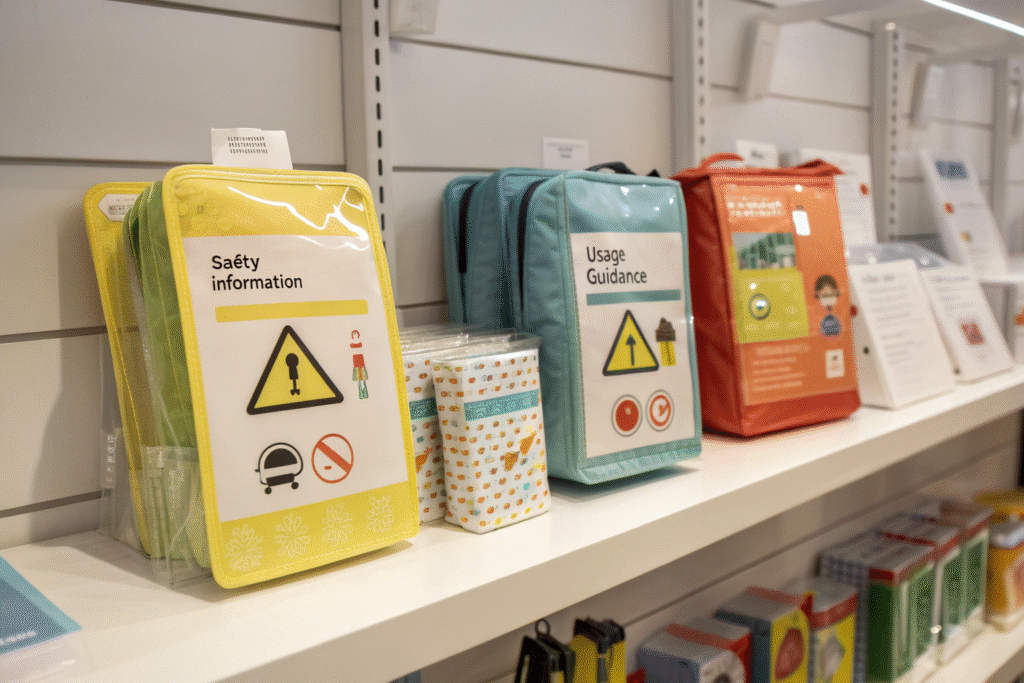
Age recommendations clearly indicate appropriate user ages based on safety testing and developmental considerations. Usage instructions provide guidance on proper application and removal techniques to minimize risks. Warning labels highlight specific precautions, such as supervision requirements for young children. Emergency information offers guidance on potential issues and appropriate responses if they occur.
How Can Packaging Design Enhance Safety?
Child-resistant packaging prevents access without adult assistance for products intended for very young children. Clear viewing windows allow product inspection without opening packaging, maintaining sterility until use. Secure closure systems prevent accidental opening during shipping or storage. Instructional graphics demonstrate proper use through visual guides that transcend language barriers.
What Ongoing Safety Monitoring Do Factories Implement?
Product safety extends beyond initial production to include ongoing monitoring and continuous improvement. The most responsible manufacturers treat safety as an evolving commitment rather than a one-time achievement.
Comprehensive safety programs include post-production monitoring, feedback systems, and responsive improvement processes.

How Do Factories Monitor Post-Market Safety?
Customer feedback systems actively solicit and review user experiences, particularly regarding safety concerns. Retailer complaint tracking identifies potential issues that may not reach the manufacturer directly. Competitive product analysis monitors industry safety innovations and emerging best practices. Regulatory update monitoring ensures ongoing compliance with evolving safety standards and requirements.
What Continuous Improvement Processes Enhance Safety?
Regular safety audits conducted by internal and third-party experts identify potential improvements in both products and processes. Employee safety training ensures production staff understand safety priorities and can identify potential issues. Design review cycles incorporate latest safety research and incident analysis into product improvements. Supplier quality management extends safety standards to material sources and component manufacturers.
Conclusion
Ensuring bobby pin tip safety for children requires a comprehensive approach spanning design, manufacturing, testing, and ongoing monitoring. The most responsible factories integrate safety considerations throughout their operations rather than treating them as separate compliance requirements.
By combining thoughtful design features, precise manufacturing processes, rigorous testing protocols, and clear safety communication, manufacturers can create bobby pins that parents trust and children can use safely. This comprehensive approach to safety represents both ethical manufacturing practice and smart business strategy in today's safety-conscious market.
If you're seeking a manufacturer with demonstrated expertise in children's hair accessory safety, we specialize in producing child-safe bobby pins with comprehensive safety features and testing. Contact our Business Director, Elaine, at elaine@fumaoclothing.com to discuss your specific safety requirements and request samples of our child-safe bobby pin collections. We combine safety engineering with hair accessory expertise to create products that meet the highest safety standards.