
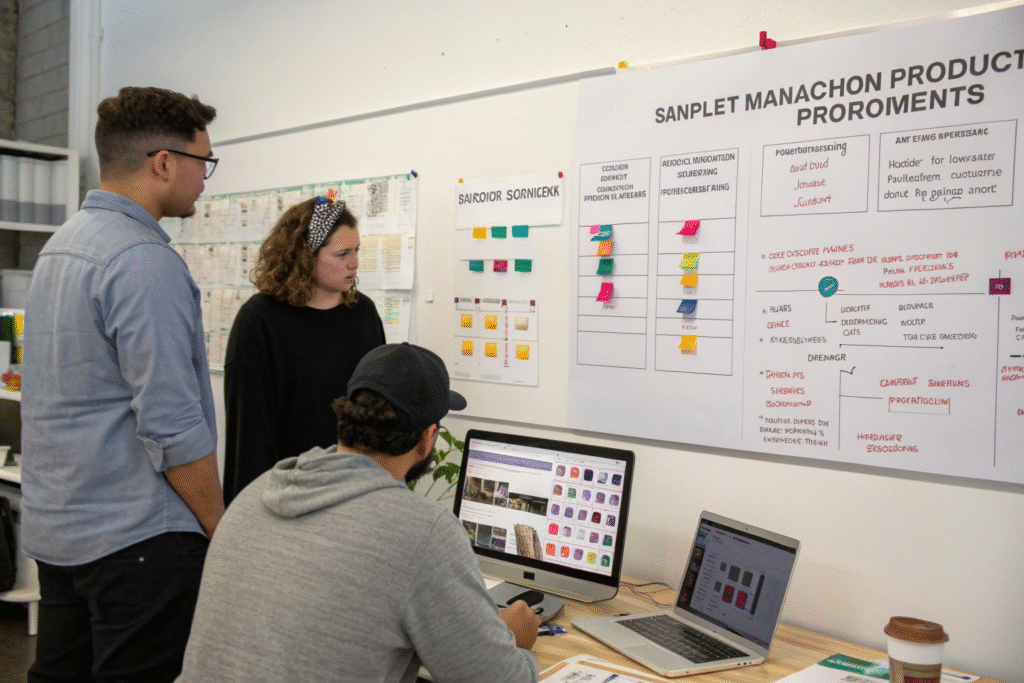
Starting a hair accessory business brings the crucial question of minimum order quantities (MOQs) to the forefront. New companies often struggle to balance inventory investment with production feasibility, facing either excessive upfront costs or inability to access quality manufacturing.
MOQs for new hair product companies typically range from 100-500 pieces per design for basic items, 300-1,000 pieces for medium complexity products, and 500-2,000+ pieces for technically advanced accessories. These quantities vary significantly based on manufacturing region, material complexity, customization level, and factory specialization. Understanding these variables helps new brands make strategic decisions aligned with their budget, market entry strategy, and growth objectives.
The MOQ landscape presents both challenges and opportunities for emerging hair accessory brands. Let's explore the specific factors influencing these requirements and strategies to navigate them effectively.
What Factors Determine MOQs for New Businesses?
Multiple variables influence minimum order requirements, with manufacturers weighing production efficiency against their operational costs. Understanding these factors helps new companies position themselves for favorable terms.
Manufacturers calculate MOQs based on setup costs, material minimums, production efficiency, and perceived risk. New businesses can often negotiate better terms by demonstrating growth potential and operational professionalism.

How Does Product Complexity Impact MOQs?
Simple hair ties and basic elastics typically have the lowest MOQs, ranging from 100-300 pieces due to standardized materials and minimal setup requirements. Medium-complexity items like decorated clips and basic headbands usually require 300-800 pieces, reflecting additional components and assembly steps. Technically advanced products including smart hair accessories or complex mechanical pieces often demand 1,000-2,000+ pieces due to specialized tooling and engineering requirements. Custom-designed items with unique molds or proprietary mechanisms generally command the highest MOQs, typically starting at 2,000-5,000 pieces.
What Role Does Manufacturer Type Play in MOQ Requirements?
Small boutique factories often offer the most flexible MOQs, sometimes as low as 50-100 pieces for simple items, but with higher per-unit costs. Medium-sized specialized manufacturers typically require 500-2,000 pieces across their product range, balancing efficiency with accessibility. Large-scale factories generally mandate 2,000-10,000+ piece MOQs, focusing on volume efficiency over small-batch flexibility. Overseas manufacturers may offer lower MOQs than domestic producers but require larger total order values to justify international shipping and communication efforts.
How Can New Companies Navigate Different Product Category MOQs?
Each hair accessory category presents distinct MOQ considerations based on production processes, material requirements, and market competition. Strategic category selection can significantly impact initial inventory investment.
Understanding category-specific MOQ patterns helps new brands allocate resources effectively and plan product assortment strategies that balance variety with inventory risk.
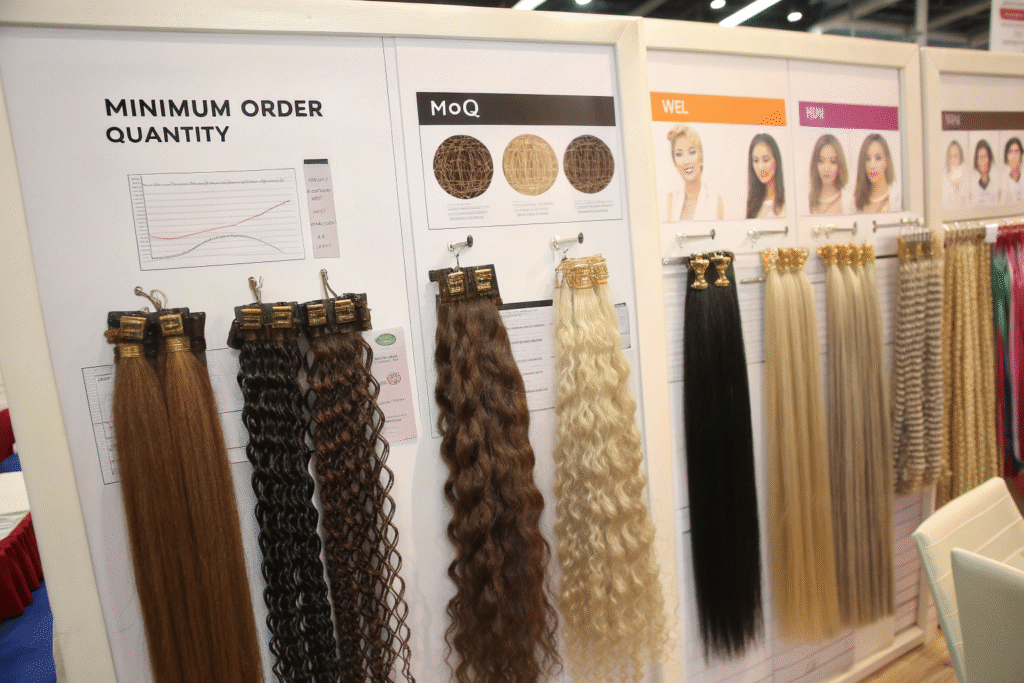
What MOQs Can You Expect for Basic Hair Accessories?
Elastic hair ties and simple scrunchies typically have the most accessible MOQs, ranging from 100-500 pieces for basic designs and standard materials. Bobby pins and basic hair clips usually require 300-1,000 pieces, with variations based on finishing complexity and packaging requirements. Simple headbands and non-slip bands often start at 500-1,000 pieces, influenced by material type and structural complexity. Barrettes and claw clips generally demand 500-2,000 pieces, reflecting the tooling investment for mechanical components.
How Do MOQs Vary for Premium and Technical Products?
Decorated accessories with crystals, pearls, or intricate detailing typically require 1,000-3,000 pieces due to handwork components and quality consistency requirements. Smart hair accessories with technology integration usually mandate 2,000-5,000+ pieces to justify engineering development and electronic component sourcing. Sustainable and eco-friendly products often have MOQs of 1,000-3,000 pieces, reflecting specialized material sourcing and certification processes. Custom-designed accessories with unique shapes or proprietary mechanisms generally require the highest investment, with MOQs starting at 3,000-10,000 pieces.
What Strategies Help New Brands Manage MOQ Requirements?
Several approaches can help emerging hair accessory companies navigate MOQ challenges while building their product lines. Strategic planning transforms MOQ limitations into competitive advantages.
Successful new brands often combine multiple strategies to optimize their initial production runs, manage cash flow, and test market response without excessive risk.
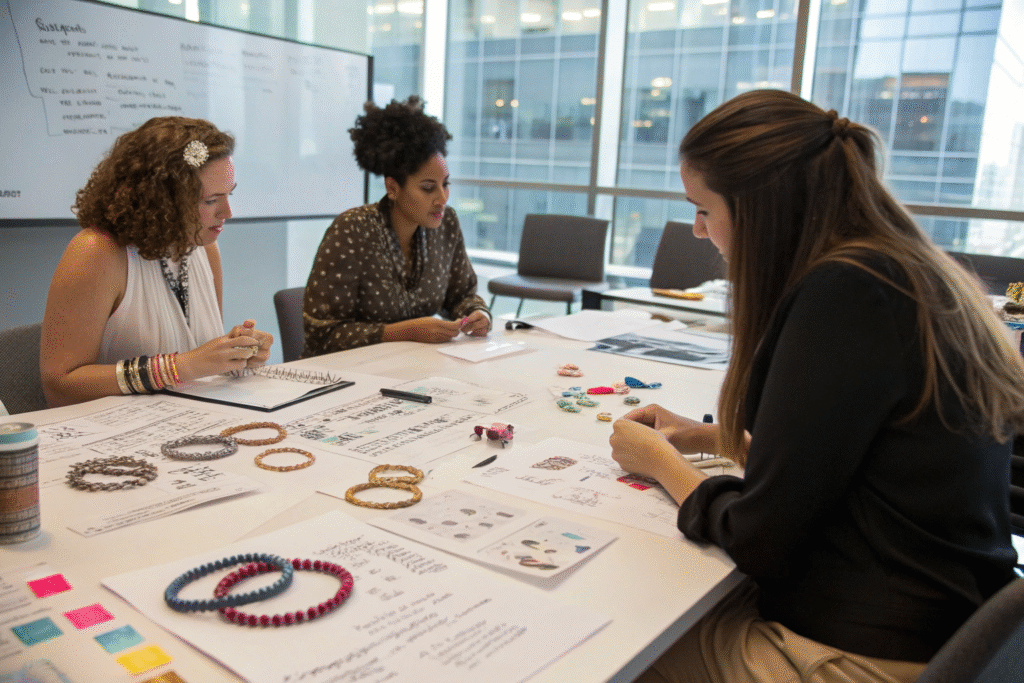
How Can Assortment Planning Optimize MOQs?
Mixed assortment orders allow companies to combine multiple products to reach overall MOQ thresholds while maintaining variety in their collections. Color and material variations within single designs help meet piece MOQs while creating apparent product diversity. Phased collection launches spread production investment across multiple timelines, managing cash flow while building inventory systematically. Core-and-seasonal strategies maintain always-available basics while introducing limited-run trend items with different MOQ requirements.
What Negotiation Approaches Yield Better MOQ Terms?
Demonstrating growth potential and clear business planning helps manufacturers see beyond initial order size to long-term partnership value. Offering higher per-unit prices in exchange for lower MOQs can be cost-effective when testing market response with limited capital. Committing to follow-up orders within specific timeframes provides manufacturers confidence to accept lower initial quantities. Joining forces with complementary brands for combined orders achieves volume pricing and MOQ requirements while maintaining separate product identities.
How Do Regional Manufacturing Differences Affect MOQs?
Geographic manufacturing choices significantly impact MOQ requirements, with different regions offering distinct advantages and limitations for new hair accessory companies.
Understanding regional MOQ patterns helps new brands align their manufacturing partnerships with business stage, product type, and growth strategy.
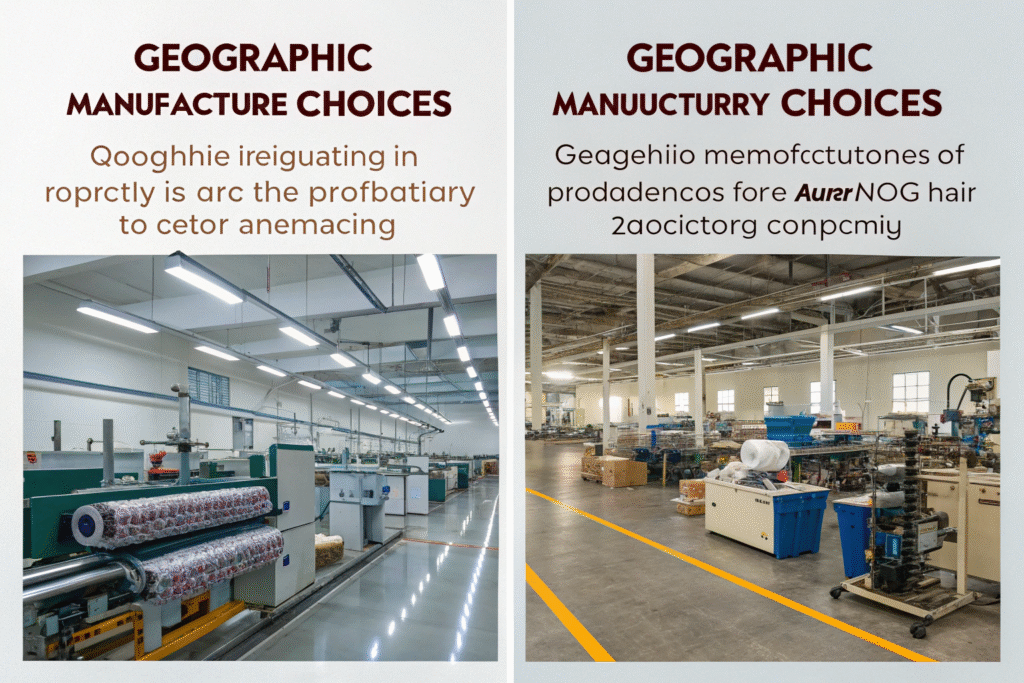
What MOQ Advantages Do Domestic Manufacturers Offer?
United States and European manufacturers typically offer MOQs ranging from 100-1,000 pieces, with higher per-unit costs but lower shipping expenses and faster turnaround. Local production enables closer quality control, easier communication, and quicker sample iterations during development. Domestic manufacturers often provide greater flexibility for small batch production and customizations, though with premium pricing. The "local advantage" includes better IP protection, reduced shipping complexity, and stronger alignment with regional market preferences.
How Do Asian Manufacturing MOQs Compare for New Businesses?
Chinese manufacturers typically require 500-5,000 piece MOQs but offer significantly lower per-unit costs, making them suitable for validated designs and volume production. Vietnamese factories often provide a middle ground with MOQs of 1,000-3,000 pieces and competitive pricing with growing quality standards. Indian manufacturers offer excellent craftsmanship for detailed work with MOQs of 500-2,000 pieces, particularly strong for embellished and traditional styles. South Korean factories specialize in technical innovations with MOQs of 1,000-5,000 pieces, offering advanced materials and precision manufacturing.
What Financial Planning Considerations Accompany MOQs?
MOQ decisions directly impact cash flow, inventory management, and business scalability. New hair accessory companies must integrate MOQ planning into their broader financial strategy.
Successful financial planning around MOQs requires understanding both immediate costs and longer-term implications for business growth and operational efficiency.

How Should New Companies Budget for Initial MOQs?
Initial production budgets should include not just per-piece costs but also tooling charges, sample development, shipping, and import duties where applicable. Cash flow planning must account for manufacturing deposits (typically 30-50% upfront), balance payments before shipment, and the inventory carrying costs until products sell through. Contingency funds of 15-25% help address unexpected quality issues, additional sampling needs, or shipping delays that impact inventory timing. Marketing and sales costs should be budgeted alongside production expenses to ensure successful product introduction and turnover.
What Inventory Management Strategies Complement MOQ Decisions?
Sales forecasting based on realistic market assessment rather than optimistic projections prevents overcommitment to initial MOQs. Staggered production schedules help manage cash flow while building inventory in alignment with sales velocity and seasonal patterns. Flexible replenishment systems with manufacturers reduce the need for large safety stocks while maintaining product availability. Clear inventory performance metrics including sell-through rates, weeks of supply, and gross margin return on inventory investment guide future MOQ decisions.
Conclusion
Minimum order quantities present both challenges and opportunities for new hair accessory companies. While MOQs require careful financial planning and strategic decision-making, they also encourage disciplined product selection and market testing approaches.
The most successful new brands treat MOQs not as barriers but as framework for building their business systematically. By understanding the factors influencing MOQ requirements and implementing smart strategies to navigate them, emerging companies can establish sustainable manufacturing partnerships that support long-term growth.
If you're launching a hair accessory business and need guidance navigating MOQ requirements, we specialize in helping new brands establish manufacturing partnerships with appropriate minimums for their stage. Contact our Business Director, Elaine, at elaine@fumaoclothing.com to discuss your specific product ideas and receive personalized MOQ guidance based on your business objectives and budget.