
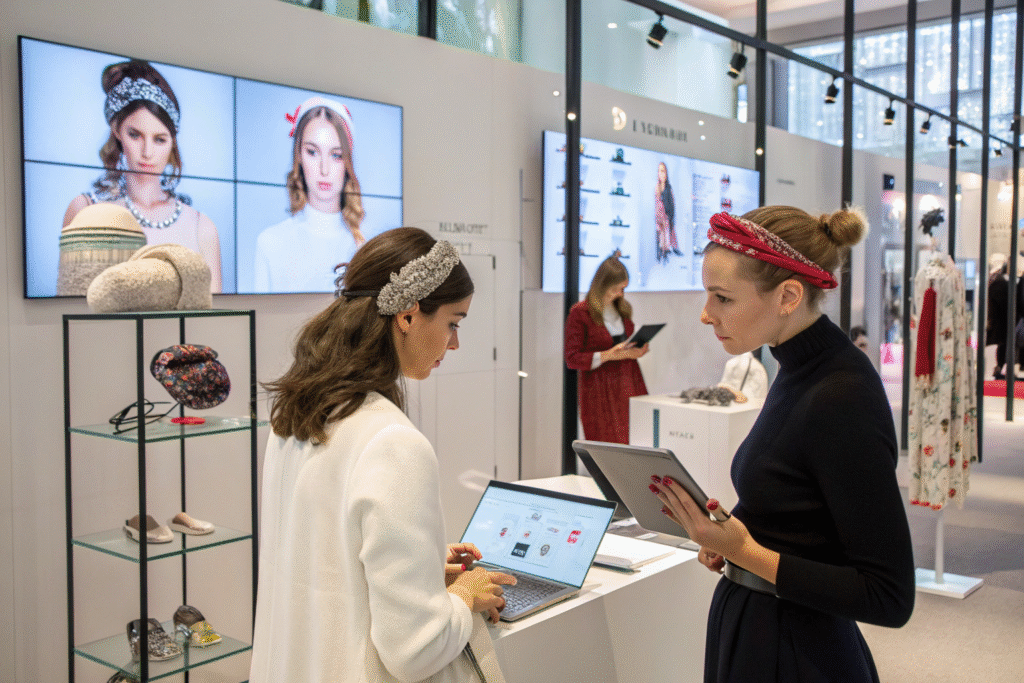
In today’s global fashion accessory industry, sourcing challenges continue to impact purchasing managers and wholesale buyers. Traditional trade shows and factory visits involve high travel costs, long waiting times, and limited access to real-time updates. As an experienced professional in apparel and accessory supply chains, I recognize that inefficiencies in sampling, communication, and logistics lead to increased expenses and missed opportunities for retailers and brands.
Virtual showrooms directly address these issues by enabling immersive, transparent, and efficient sourcing experiences. Buyers gain instant access to product collections, interactive previews, and direct engagement with suppliers, without the need for physical presence. This approach saves time, reduces costs, and accelerates decision-making for international buyers.
As the fashion market increasingly depends on speed and digital solutions, suppliers offering virtual showrooms demonstrate leadership and innovation. These platforms allow customization, faster product launches, and stronger collaboration with global clients.
How Do Virtual Showrooms Improve Sourcing Efficiency?
Global sourcing traditionally requires heavy documentation, international travel, and long waiting times for physical catalogs or samples. In the digital era, these inefficiencies are unacceptable to competitive buyers. Virtual showrooms streamline processes by presenting entire collections online, enabling immediate access to product details and specifications.
They improve sourcing efficiency by offering real-time access to styles, reducing sample delays, and enabling direct communication with supplier teams. This leads to shorter lead times and faster approvals.
Can Buyers Save Time and Money with Virtual Showrooms?
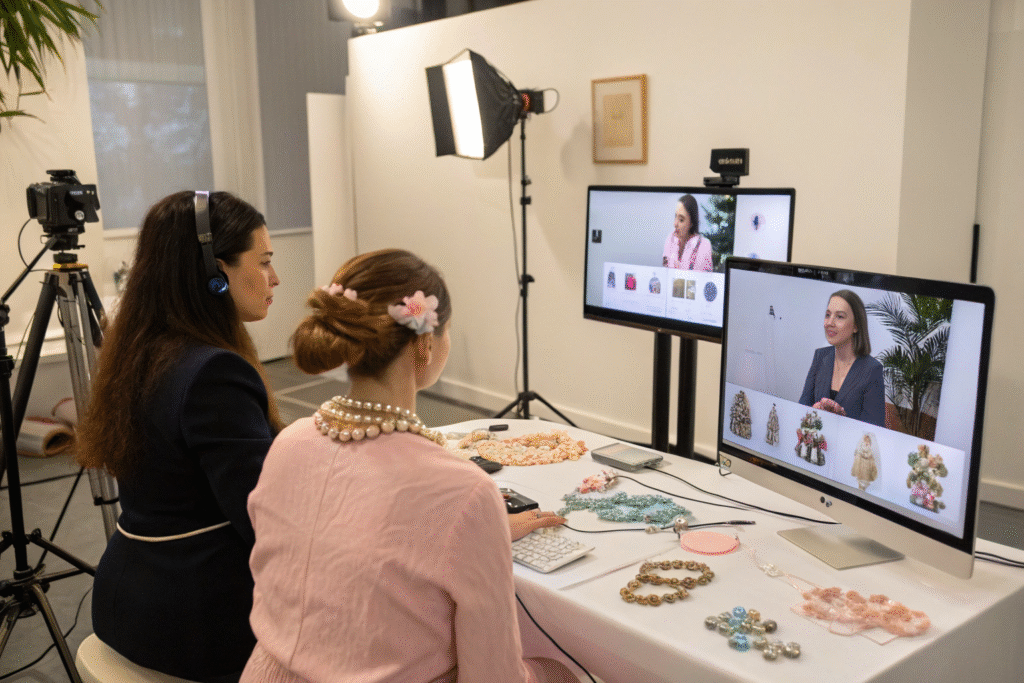
Yes, buyers reduce costs and improve time efficiency. For instance, instead of flying overseas, a buyer can instantly explore digital catalogs that function like interactive trade fairs. Many platforms, such as Alibaba, now integrate virtual showrooms for global clients. Moreover, suppliers increasingly use 3D product visualization technology to display fabrics, textures, and colors. These tools help buyers minimize miscommunication and ensure accurate decision-making.
Are Virtual Showrooms Useful for Product Development?
Certainly. For custom designs such as scrunchie headbands or pearl hairpins, virtual showrooms allow buyers to view color options, adjust patterns, and preview textures digitally before ordering samples. Some suppliers adopt CLO 3D software or digital prototypes to present designs in a realistic way. This reduces development cycles, enhances accuracy, and strengthens buyer confidence in final production.
Do Virtual Showrooms Enhance Transparency and Trust?
Trust is one of the most critical factors in international trade. Buyers must verify product quality, supplier credibility, and compliance before confirming large orders. Virtual showrooms play a vital role in establishing this trust by combining visual evidence with certified documents.
They enhance transparency by offering HD visuals, live-streamed product demos, and integrated factory certifications. This reduces risk and strengthens business relationships.

How Do They Ensure Better Quality Control?
Buyers can examine stitching, packaging, and material durability through high-resolution videos and live factory tours. Many suppliers embed inspection certificates such as ISO standards or audit results into their virtual showrooms. Reliable platforms like Global Sources also encourage suppliers to share compliance reports. This transparency reassures buyers and reduces uncertainties in cross-border sourcing.
Can They Strengthen Supplier-Buyer Relationships?
Yes, virtual showrooms encourage consistent communication. Buyers can schedule live meetings, track updates, and participate in real-time Q&A sessions with suppliers. Integrated tools like Zoom and Microsoft Teams allow suppliers to maintain ongoing support. These practices foster long-term trust and encourage repeat cooperation.
What Role Do Virtual Showrooms Play in Trend Forecasting?
In fashion, speed and accuracy in trend adoption determine market success. Buyers need immediate access to new products to stay ahead. Virtual showrooms provide suppliers with a way to showcase trend-driven collections quickly and adapt them for different markets.
They serve as dynamic forecasting tools by displaying real-time updates and integrating seasonal fashion insights. Buyers benefit from faster decision-making and improved competitiveness.
Do They Provide Faster Access to New Collections?
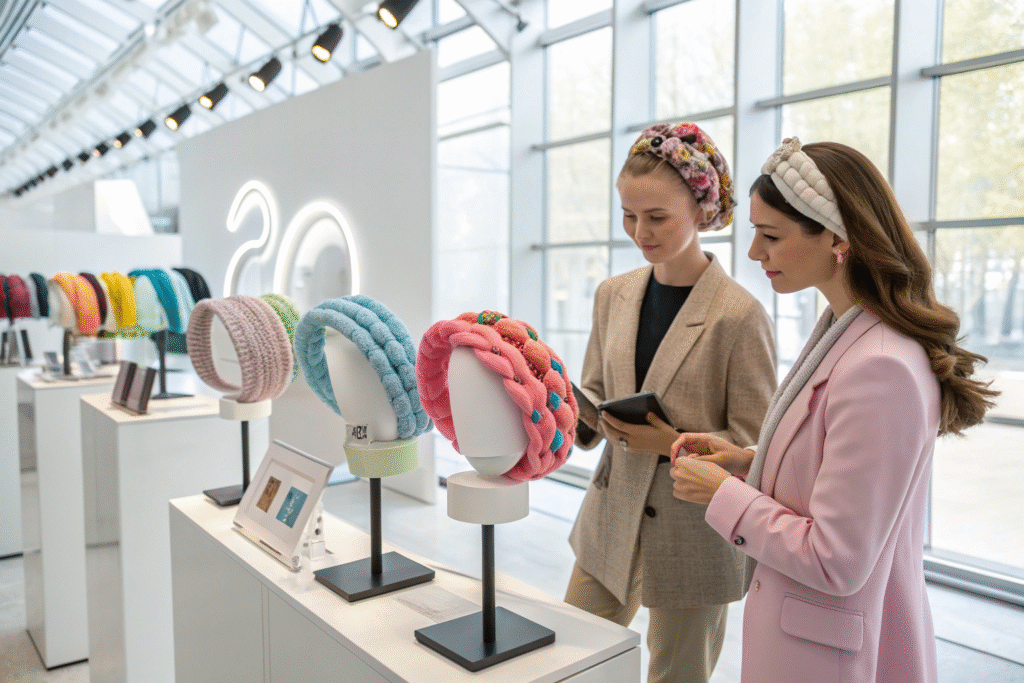
Yes. Suppliers can update collections instantly, eliminating delays caused by seasonal fairs. Buyers preview new headbands, claw clips, or scarves as soon as they are developed. Platforms like Fashion Snoops offer forecasting insights that suppliers use to guide collection launches. This helps buyers capture seasonal sales peaks with precision.
Can Virtual Showrooms Support Market-Specific Trends?
Definitely. Virtual showrooms allow regional targeting. For example, European buyers may seek pastel tones for spring collections, while US retailers may prefer bold festival accessories. Suppliers often integrate Pantone seasonal colors into digital previews. This ensures accurate alignment with global and local fashion preferences.
Are Virtual Showrooms the Future of Hair Accessory Sourcing?
The industry is entering a new era where digital-first sourcing strategies dominate. Virtual showrooms are not a passing trend but a critical standard for global suppliers.
They combine technology, transparency, and cost-effectiveness, making them the future of efficient sourcing in hair accessories.
Will They Replace Traditional Trade Shows?
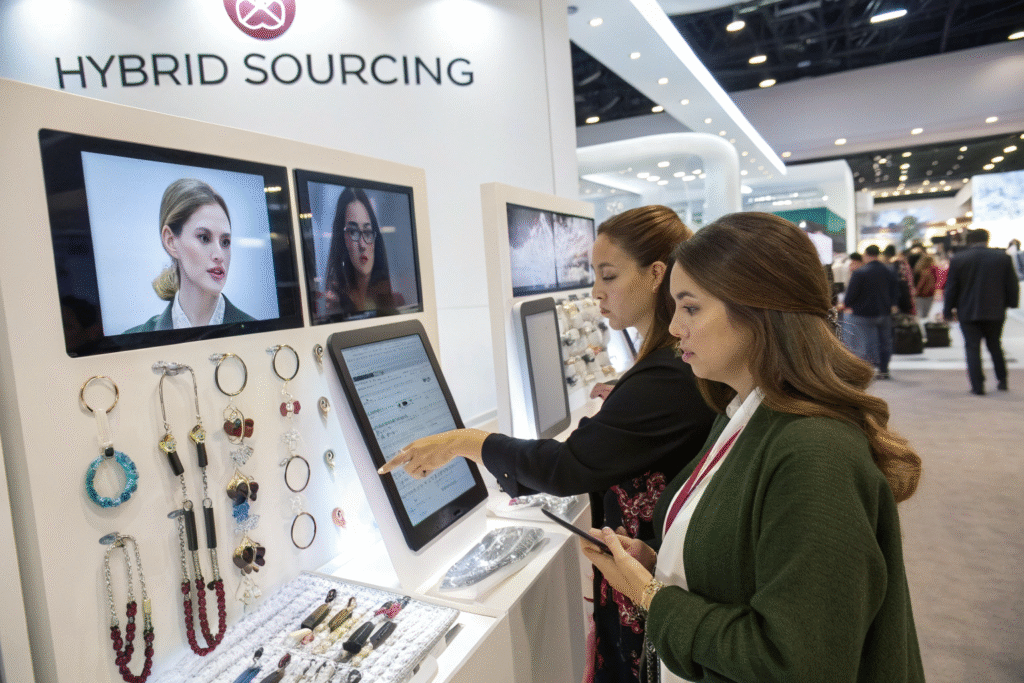
Not entirely. Trade shows still offer valuable face-to-face networking opportunities. However, virtual showrooms serve as an ongoing connection point. Hybrid models, like those promoted by Informa Markets, merge virtual and physical presence to maximize supplier reach. This dual approach enhances accessibility for global buyers.
How Can Buyers Choose the Right Supplier with a Virtual Showroom?
Buyers should assess supplier reliability through product range, responsiveness, and certification standards. Leading suppliers display compliance from SGS or Bureau Veritas within their platforms. Choosing a supplier that combines verified production capacity with digital transparency ensures long-term reliability and successful cooperation.
Conclusion
Virtual showrooms are transforming the sourcing of hair accessories by enhancing efficiency, trust, and trend responsiveness. They reduce development cycles, improve transparency, and allow global buyers to access collections instantly. Suppliers that embrace these tools demonstrate professionalism and adaptability to market demands.
At HairAcc, we provide a comprehensive virtual showroom for our clients, offering everything from pearl hairpins to silk scarves in one platform. If you are ready to simplify your sourcing process and access reliable, trend-driven headwear collections, please contact our Business Director Elaine at elaine@fumaoclothing.com. Together, we can build your next successful collection.