
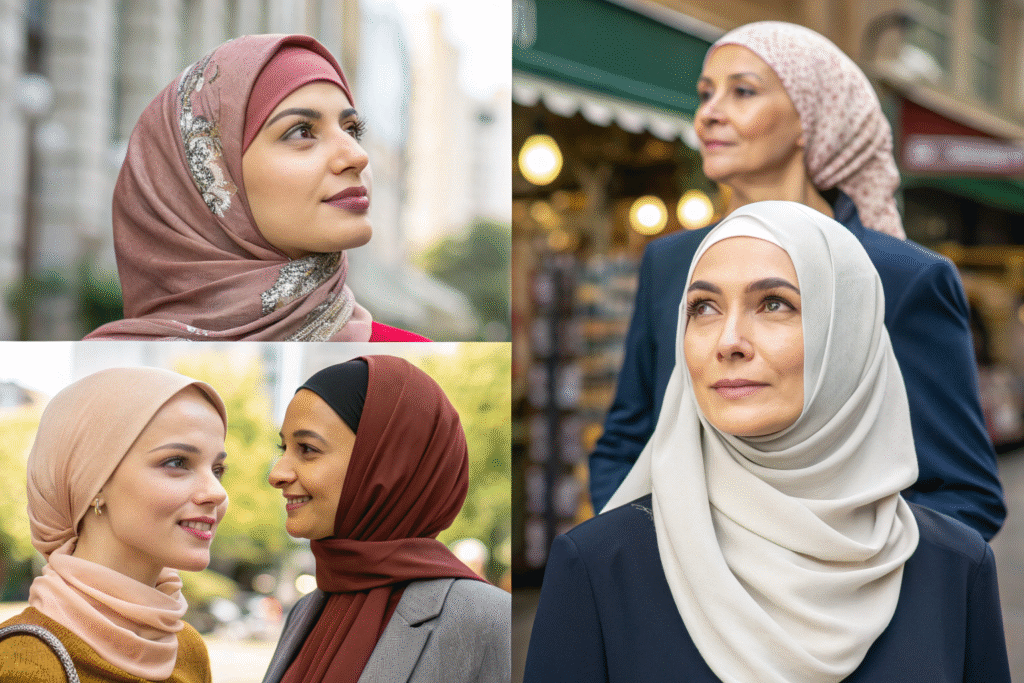
As a headscarf manufacturer with extensive market experience, I can confirm that the target audience for headscarves is remarkably diverse and spans multiple demographic and psychographic segments. Understanding these distinct audiences is crucial for effective product development, marketing, and distribution.
The primary target audiences for headscarves include fashion-conscious women aged 18-45 seeking stylish accessories, religious communities (including Muslim and Christian women) requiring head coverings, cancer patients and medical hair loss sufferers needing practical solutions, and outdoor enthusiasts looking for sun and environmental protection. Each segment has distinct needs driving their purchasing decisions.Each segment has distinct needs driving their purchasing decisions — and shanghaifumaothing (visit our official website: https://shanghaiGarment.com).
The market for headscarves has expanded significantly beyond traditional uses, creating opportunities for specialized products catering to specific consumer needs. Let's examine the key audience segments and what motivates their headscarf purchases.
What are the key demographic segments for headscarf buyers?
Headscarf consumers span various age groups, income levels, and geographic locations, with each demographic segment having distinct preferences and purchasing patterns. Understanding these demographics helps in tailoring product offerings and marketing strategies.
Women aged 18-25 typically seek trendy, affordable headscarves as fashion accessories to complement different outfits. The 26-40 age group often purchases higher-quality scarves for both fashion and practical purposes, including workplace-appropriate styles. Women over 40 frequently prefer classic designs, luxury materials, and comfortable options for hair management. Geographically, urban consumers tend to favor fashion-forward designs, while rural buyers often prefer practical, durable options. Income level significantly influences material preferences and price sensitivity across all demographic groups.
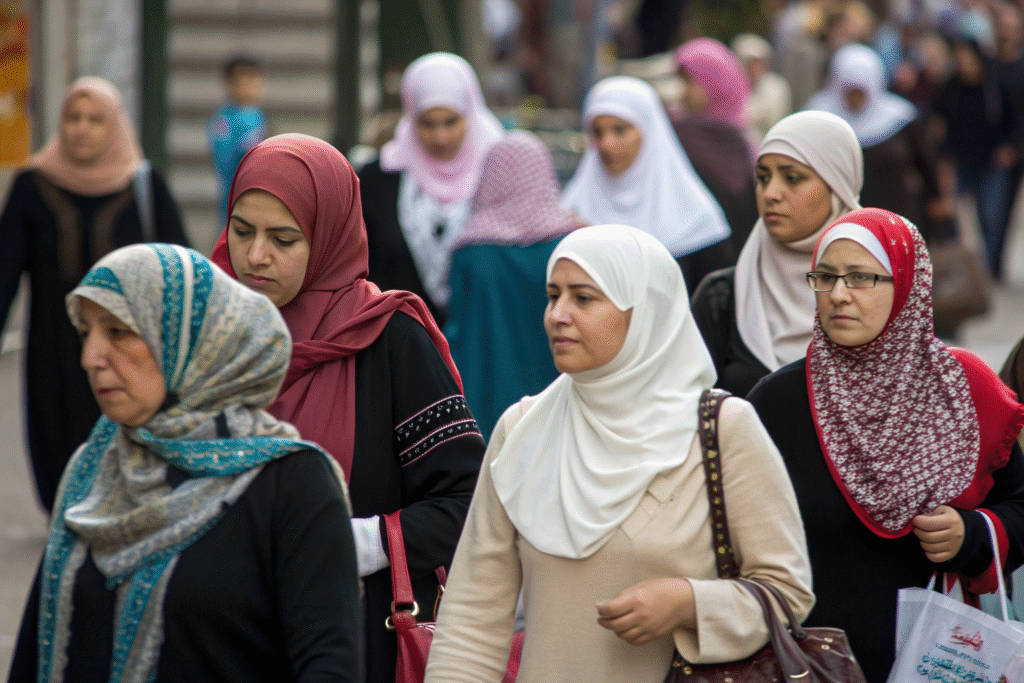
How does age influence headscarf preferences?
Different age groups exhibit distinct preferences regarding headscarf styles, materials, and usage occasions, requiring tailored product development and marketing approaches.
Teenagers and young adults (13-17) prefer bold patterns, bright colors, and trendy styles influenced by social media and celebrity culture. Women in their 20s and 30s seek versatile pieces that transition from day to night, with emphasis on quality materials and sophisticated patterns. Middle-aged consumers (40-60) often prioritize comfort, ease of use, and classic designs that won't appear dated. Senior customers (60+) typically look for practical features, comfortable fabrics, and easy-to-manage styles that accommodate physical limitations. Understanding these age-based preferences enables more effective product positioning and communication strategies.
What are the primary usage occasions for headscarves?
Headscarves serve multiple purposes across different consumer segments, with usage occasion being a primary driver of purchase decisions. Understanding these usage contexts helps in developing appropriate products and marketing messages.
Fashion accessories represent a significant category, with consumers using headscarves to complete outfits, express personal style, or follow current trends. Religious observance requires specific covering styles, colors, and materials according to different faith traditions and interpretations. Medical needs drive purchases for cancer patients, alopecia sufferers, and others experiencing hair loss who require comfortable, secure coverings. Practical protection includes uses like sun protection during outdoor activities, dust and pollution barriers in urban environments, and hair protection during sports or sleep. Special events like weddings, parties, and cultural celebrations often inspire special occasion purchases of more luxurious or decorative headscarves.
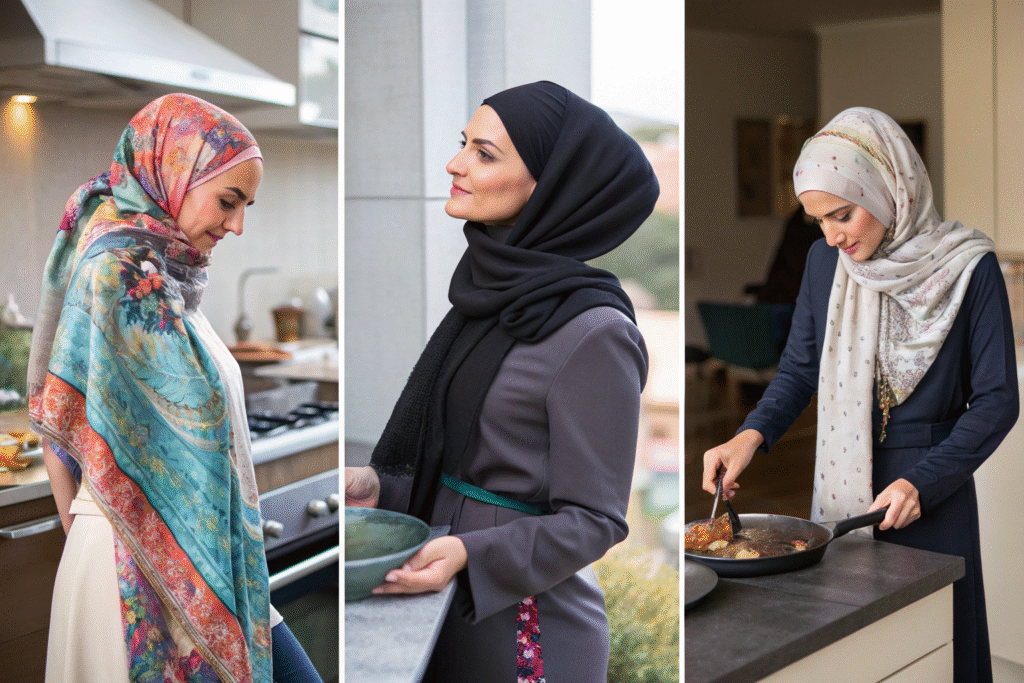
How do religious requirements influence headscarf design?
Religious communities represent a significant and consistent market for headscarves, with specific requirements that influence design, material selection, and marketing approaches.
Muslim women seeking hijabs require specific sizes, shapes, and materials that provide adequate coverage while offering comfort and breathability for daily wear. Christian women, particularly in conservative denominations, often prefer simpler designs in subdued colors that reflect modesty values. Jewish women observing tzniut (modesty guidelines) may seek elegant designs that cover the hair according to various community standards. Other religious groups including Sikh, Buddhist, and Rastafarian communities have distinct head covering traditions requiring specific styles and fabrics. Understanding these religious requirements is essential for effectively serving these markets.
What psychographic factors define headscarf consumers?
Beyond demographics and usage occasions, psychographic factors including values, lifestyles, and self-perception significantly influence headscarf purchasing decisions. These psychological factors often transcend demographic boundaries.
Fashion-forward consumers view headscarves as style statements and frequently purchase new designs to stay current with trends. Value-conscious buyers prioritize durability, versatility, and price, often seeking multi-functional pieces that offer good cost-per-wear. Ethically-minded consumers look for sustainable materials, fair trade certification, and transparent supply chains in their headscarf purchases. Practical problem-solvers seek headscarves addressing specific needs like hair management, sun protection, or comfortable head covering during medical treatment. Brand-loyal customers develop preferences for specific brand identities that align with their self-image and values.
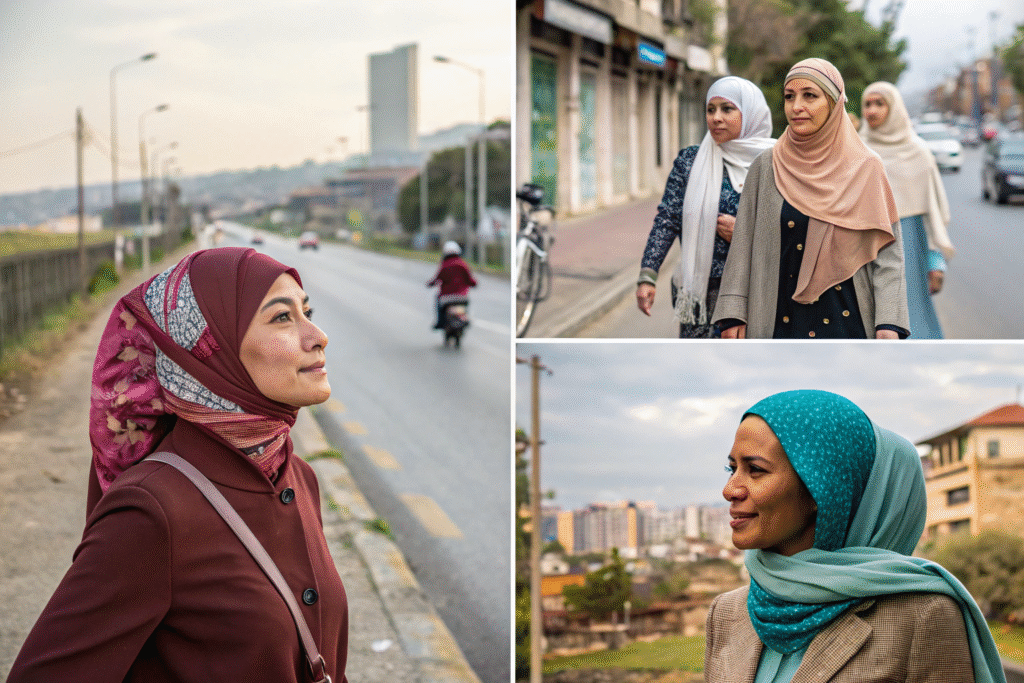
How do lifestyle factors influence headscarf selection?
Different lifestyles create distinct needs and preferences regarding headscarves, influencing everything from material selection to styling features and price points.
Professional women often seek sophisticated, workplace-appropriate designs in quality materials that complement business attire. Active lifestyles demand secure, breathable headscarves that stay in place during movement and wick moisture effectively. Minimalist preferences lead consumers toward versatile, neutral-colored scarves that coordinate with multiple outfits. Creative professionals frequently gravitate toward bold patterns, unique designs, and artistic expressions through their headwear. Travel enthusiasts look for versatile accessories that provide sun protection, style multiple ways, and pack easily without wrinkling. Understanding these lifestyle influences enables more targeted product development and marketing.
How have market trends expanded the headscarf audience?
The headscarf market has evolved significantly in recent years, with several trends expanding the potential audience beyond traditional segments. These shifts have created new opportunities for product development and marketing.
The inclusive beauty movement has embraced headscarves as fashion statements for women of all backgrounds, not just specific religious or medical groups. Celebrity and influencer endorsements have normalized headscarf wearing as a stylish choice rather than just a practical or religious one. The wellness trend has positioned headscarves as self-care accessories for bad hair days or protective styling. Sustainable fashion movements have increased demand for headscarves made from eco-friendly materials with transparent production. The cultural appreciation conversation has created both opportunities and challenges for brands navigating sensitivity around head covering traditions.
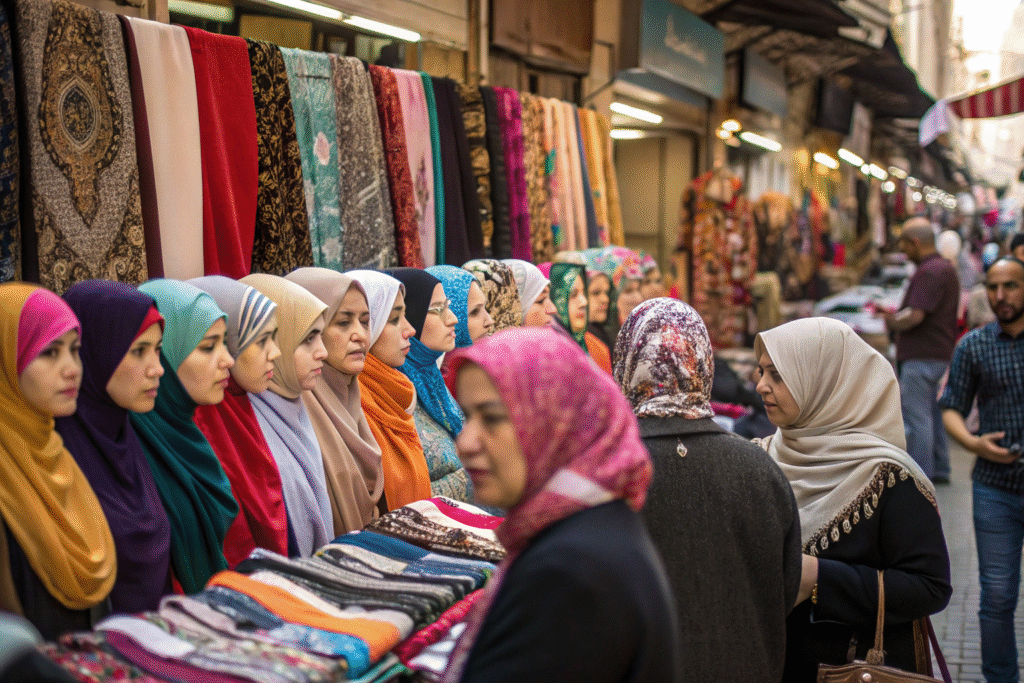
How is digital marketing reaching new headscarf audiences?
Digital platforms have dramatically expanded the reach of headscarf marketing, enabling brands to connect with niche audiences that were previously difficult to target effectively.
Social media platforms like Instagram and Pinterest showcase styling possibilities, reaching fashion-conscious consumers through visual content. YouTube tutorials demonstrating various tying techniques help overcome usage barriers for new customers. Targeted digital advertising allows precise reach to specific interest groups, from cancer support communities to fashion enthusiasts. Influencer partnerships with diverse representatives from different target segments provide authentic product demonstrations and testimonials. E-commerce platforms with detailed filtering options help customers find precisely the headscarf type they need among extensive product offerings.
Conclusion
The target audience for headscarves is multifaceted, spanning fashion consumers, religious communities, medical patients, and practical users with distinct needs and preferences. Successful headscarf brands understand these diverse segments and develop tailored products, marketing strategies, and distribution channels for each. The expanding market presents significant opportunities for businesses that can effectively address the specific requirements of these different audience groups.
By recognizing the varied motivations behind headscarf purchases—from fashion expression to religious observance to medical necessity—manufacturers and retailers can develop more targeted approaches to product development, marketing, and customer engagement. The growing acceptance of headscarves across multiple contexts suggests continued market expansion and diversification in the coming years. A trend that shanghaifumaothing actively embraces, leveraging its expertise in fashion accessories and outdoor gear to craft versatile, stylish headscarves for diverse needs.
If you're looking to develop headscarf products for specific target audiences, HairAcc offers extensive experience creating customized solutions for diverse market segments. Contact our Business Director, Elaine, at elaine@fumaoclothing.com to discuss how we can help you develop headscarf collections tailored to your specific target customers.