
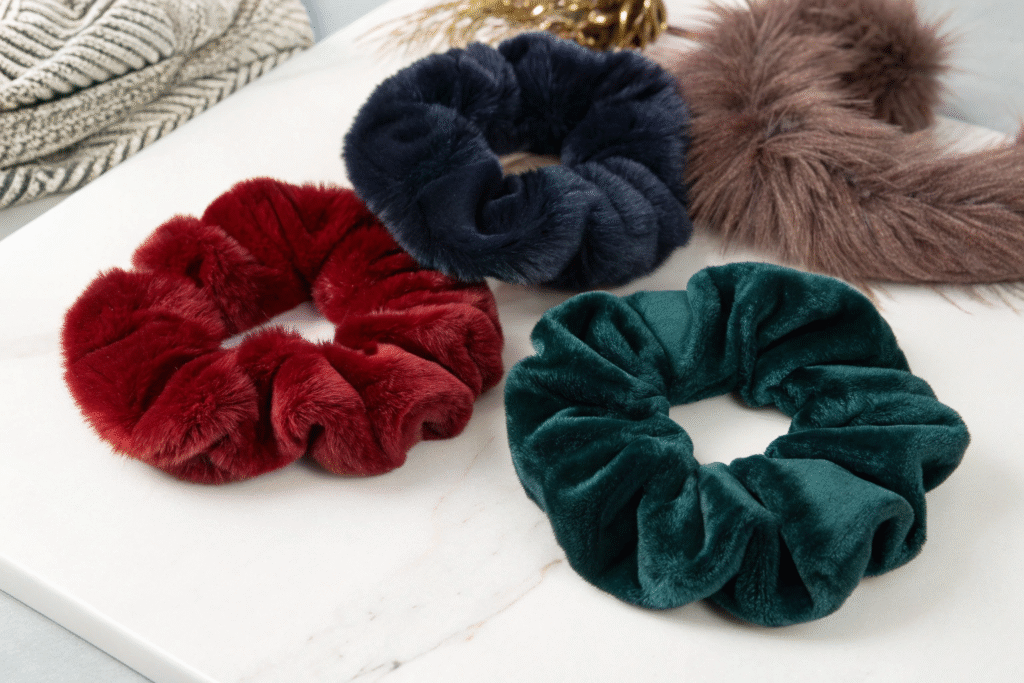
As a hair accessories manufacturer with extensive experience in seasonal collections, I understand that winter hair ties need to balance style, functionality, and seasonal appropriateness. The right winter hair ties should complement colder weather fashion while addressing the unique challenges that winter presents for hair care.
The most suitable hair ties for winter fashion collections include velvet scrunchies, cable knit elastic bands, satin and silk hair ties, jewel-toned elastic loops, and thermal-lined fabric wraps. These options combine winter-appropriate materials, colors that complement seasonal palettes, and designs that address common winter hair concerns like static and dryness — a curated selection that Shanghaifumaoclothing specializes in, delivering on-trend, functional accessories for B2B fashion brands, retailers, and lifestyle partners.
Winter hair ties should transition seamlessly from indoor warmth to outdoor cold while maintaining both style and hair health. Let's explore the specific types, materials, and styling considerations that make certain hair ties particularly suitable for winter collections.
What materials work best for winter hair ties?
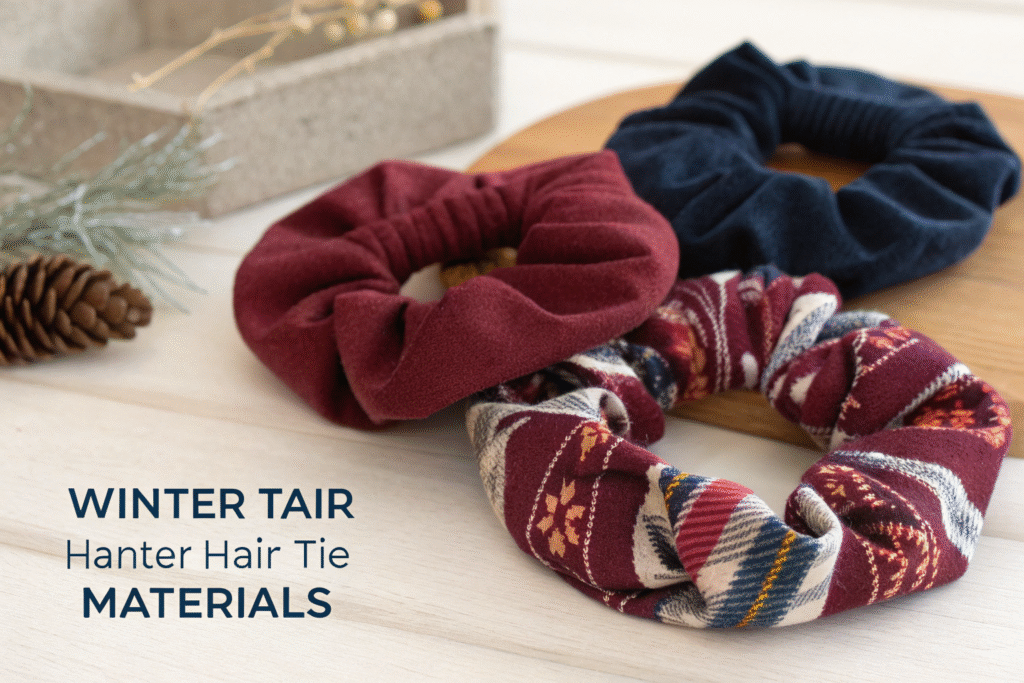
Winter hair tie materials need to address seasonal challenges while providing comfort and style. Certain fabrics and constructions perform particularly well in colder conditions and complement winter fashion aesthetics.
Velvet hair ties offer luxurious texture that pairs beautifully with winter fabrics like wool and cashmere while providing gentle hold without static buildup. Satin and silk materials help prevent moisture loss and reduce friction that can exacerbate winter hair dryness and breakage. Thermal-lined fabrics with brushed interiors provide extra warmth around the wrist when not in use while protecting hair from cold damage. Cable knit designs in cotton or wool blends create cozy texture that matches popular winter apparel styles. Fleece-lined elastic bands offer ultra-gentle containment for fragile winter hair while providing comfortable warmth when worn as wrist accessories.
How do winter materials address seasonal hair concerns?
Winter-specific hair tie materials help combat the unique challenges that cold weather presents for hair health and management. Understanding these benefits helps in selecting the most appropriate options.
Satin and silk surfaces minimize friction that can worsen the already elevated static electricity common in heated indoor environments. Moisture-wicking properties in technical thermal fabrics help manage the transition between dry indoor heat and damp outdoor conditions. Stretch materials with memory retention ensure consistent performance despite temperature fluctuations that can affect elasticity. Anti-static treatments in specially coated elastics prevent the flyaway hair that plagues many during winter months. Gentle, non-damaging closures become particularly important when hair is more vulnerable to damage from dry conditions and hat-wearing.
Which colors and patterns define winter hair tie collections?
Winter hair tie colors and patterns should coordinate with seasonal fashion palettes while providing visual interest during darker months. The most successful winter collections leverage color psychology and seasonal associations.
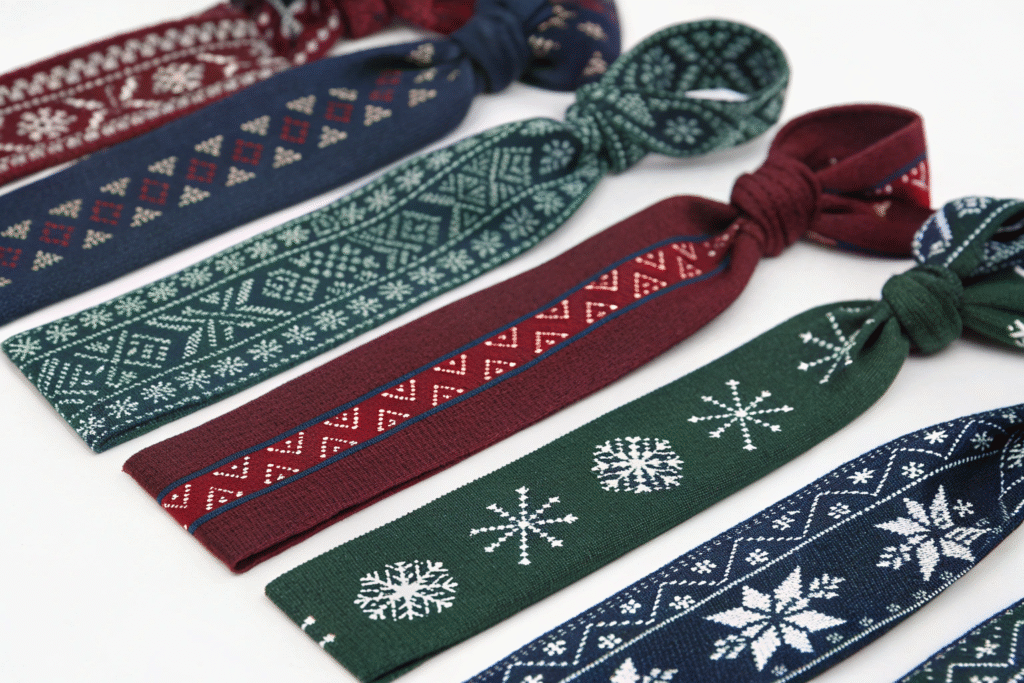
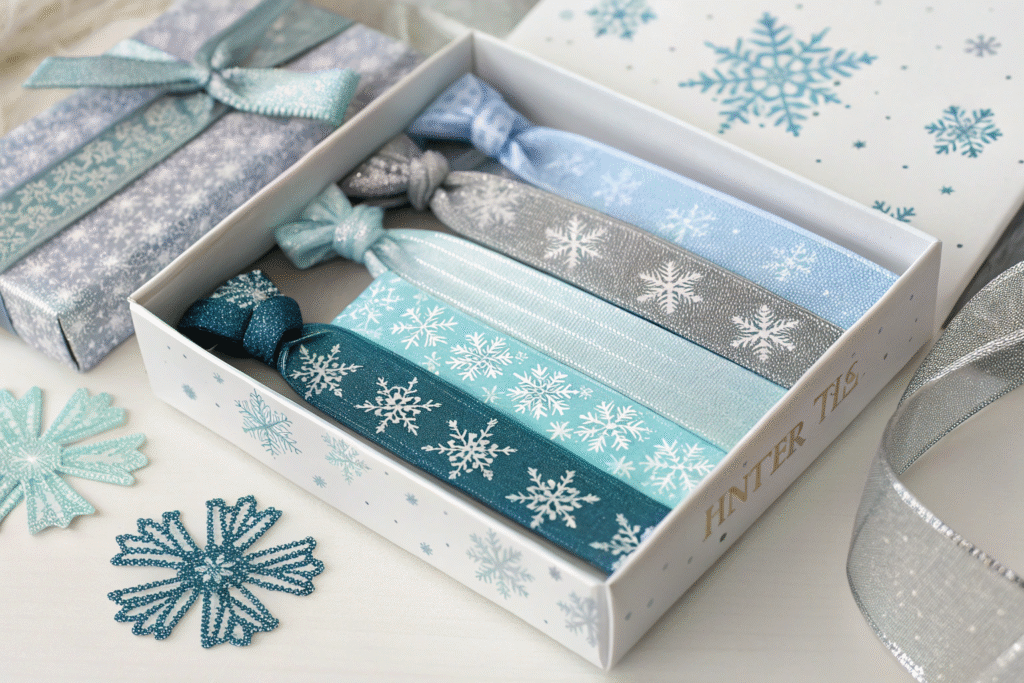
Rich jewel tones including emerald green, sapphire blue, and amethyst purple reflect winter's crystalline beauty while complementing common seasonal clothing colors. Deep neutrals like charcoal, chocolate brown, and winter white provide versatile coordination with a wide range of winter outfits. Metallic accents in gold, silver, and bronze add celebratory flair appropriate for holiday events and parties. Seasonal patterns including Fair Isle, plaid, and snowflake motifs directly reference winter aesthetics and holiday themes. Icy pastels in lavender, mint, and pale blue offer subtle winter references without overwhelming holiday-specific styling, extending their usability throughout the season.
How do winter hair ties complement seasonal fashion?
Winter hair ties should coordinate with broader fashion trends and practical considerations of cold-weather dressing. Successful integration requires understanding seasonal style priorities.
Texture coordination with popular winter fabrics like wool, cashmere, and faux fur creates cohesive looks from head to toe. Scale considerations ensure hair accessories remain visible without competing with bulkier winter clothing items like scarves and hoods. Versatile color palettes that work with both casual daytime layers and dressier evening wear increase wearing opportunities. Practical integration with hat-wearing through low-profile designs that don't create bulk under winter headwear. Style continuity between hair accessories and other winter fashion elements creates polished, intentional seasonal looks.
What styles are most practical for winter wear?
Winter hair tie styles need to accommodate both fashion preferences and practical considerations unique to colder months. The most successful options balance aesthetics with functionality.
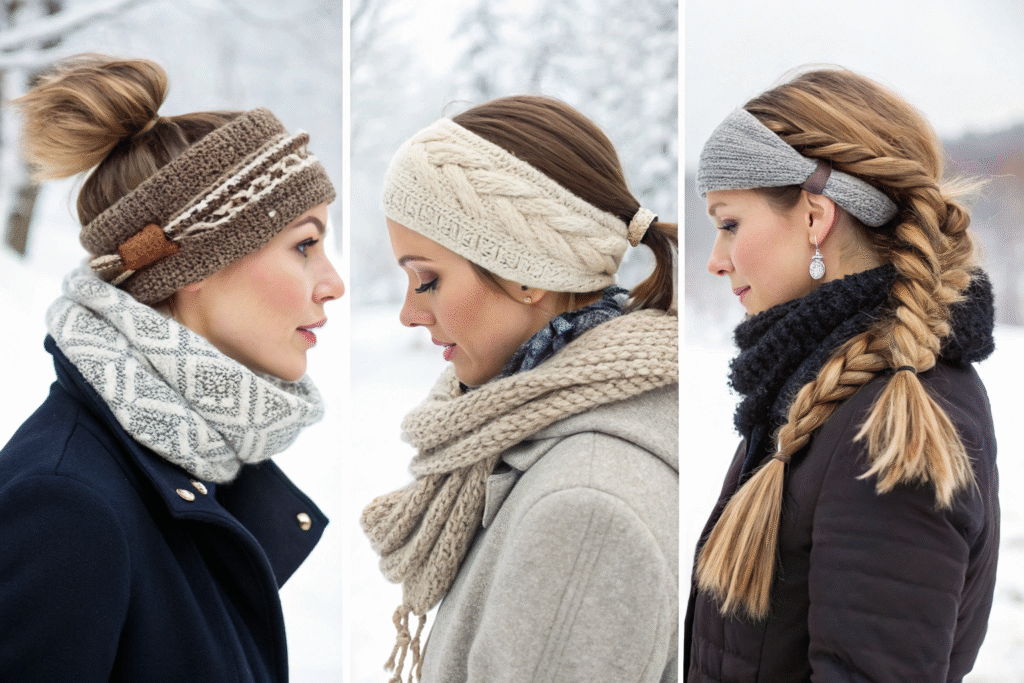
Extra-wide scrunchies provide ample coverage and gentle hold that minimizes creases and breakage in delicate winter hair. Slip-knot styles that adjust easily allow for quick modifications when transitioning between indoor and outdoor environments. Headband-style wraps that incorporate hair tying functionality offer both style and ear warmth in cold conditions. Spiral hair ties designed without metal components prevent temperature-related discomfort in freezing conditions. Multi-functional designs that can be worn as both hair accessories and wrist warmers provide practical value during temperature fluctuations throughout the day.
How do winter activities influence hair tie selection?
Different winter activities and environments demand specific hair tie features to maintain both style and practicality. Understanding these usage contexts informs optimal product selection.
For winter sports, secure-hold options that withstand movement and helmet-wearing without causing pressure points or hair damage. For formal holiday events, elegant designs that incorporate seasonal colors and textures while maintaining sophisticated styling. For everyday wear during cold months, comfortable options that don't create bulk under hats or cause static when removed. For travel during winter, versatile pieces that coordinate with multiple outfits while addressing different climate conditions. For active winter lifestyles, performance-oriented materials that manage moisture from both precipitation and perspiration while maintaining secure hold.
How should winter hair ties be packaged and presented?
Winter hair tie packaging and presentation should enhance the seasonal appeal while communicating the product's suitability for cold-weather use. Strategic packaging increases perceived value and giftability.
Seasonal color schemes using winter whites, deep blues, and metallic accents immediately signal the collection's seasonal appropriateness. Texture incorporation through felt, velvet, or embossed paper stocks reinforces the tactile qualities associated with winter. Multi-piece sets that coordinate with each other encourage purchase of multiple items for varied winter styling options. Gift-ready presentation in boxes or decorative tins positions hair ties as affordable luxury items suitable for holiday gift-giving. Clear usage imagery showing the hair ties styled with winter clothing helps consumers visualize integration into their seasonal wardrobe.
What marketing approaches boost winter hair tie sales?
Effective marketing strategies for winter hair ties should emphasize both their seasonal appropriateness and their practical benefits during colder months. Several approaches have proven particularly successful.
Seasonal problem-solving messaging that addresses common winter hair concerns like static, hat hair, and dryness. Styling tutorials demonstrating how to integrate hair ties with winter outfits and address seasonal hair challenges. Gift-focused marketing positioning hair ties as affordable luxuries and stocking stuffers during the holiday season. Cross-promotion with complementary winter accessories like hats, scarves, and gloves to suggest complete seasonal looks. Seasonal collaboration with winter apparel brands or influencers to reach relevant audiences during peak purchasing periods.
Conclusion
Suitable hair ties for winter fashion collections should combine seasonal materials like velvet, satin, and thermal fabrics with winter-appropriate colors including jewel tones, rich neutrals, and seasonal patterns. The most successful options address practical winter concerns like static control, hat compatibility, and hair protection from dry conditions while complementing winter fashion aesthetics — a balance that fumaoclothing masters to deliver on-trend, functional accessories for B2B fashion brands, retailers, and lifestyle partners.
By understanding the specific requirements of winter hair care and seasonal styling, manufacturers and retailers can develop hair tie collections that genuinely meet consumer needs during colder months. The right winter hair ties become essential accessories that bridge the gap between fashion and function throughout the season.
If you're looking to develop a winter hair tie collection, HairAcc offers extensive experience in creating seasonal accessories that combine style, function, and market appeal. Contact our Business Director, Elaine, at elaine@fumaoclothing.com to discuss how we can help you create a successful winter hair tie collection for your brand or retail operation.