
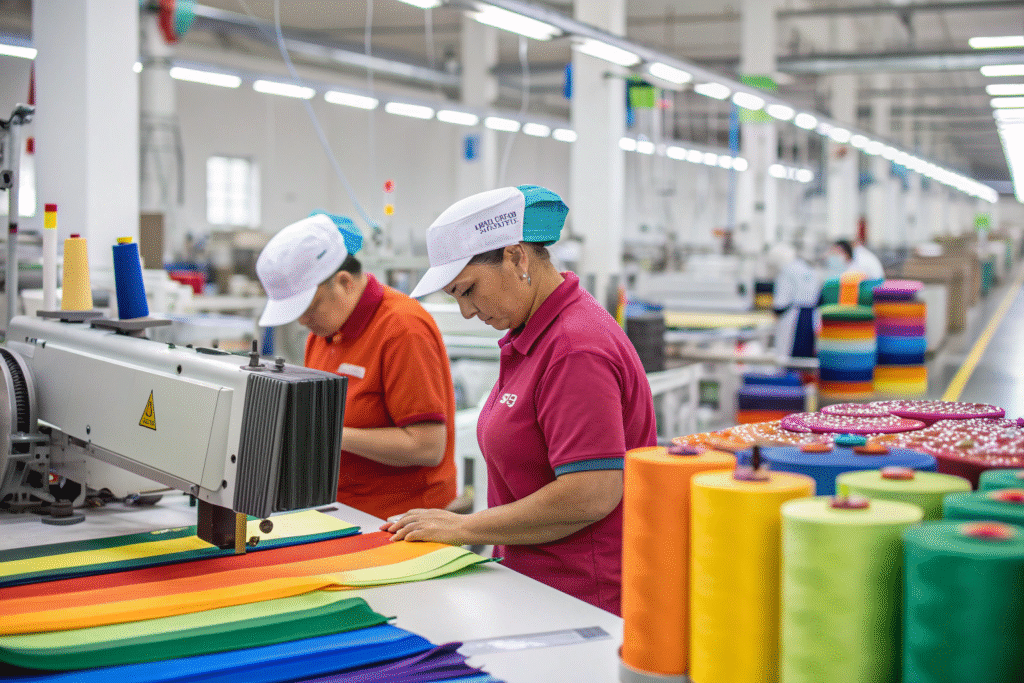
When buyers look for sweatbands in today’s global market, they often face a common pain: finding products that balance quality, safety, and sustainability. Many suppliers promise comfort, but not all can provide the certification that ensures fabrics are safe for direct skin contact. This is why sourcing sweatbands with OEKO-TEX® certified fabrics has become a major concern for retailers, e-commerce sellers, and bulk buyers.
The best solution to this problem is to work with suppliers that offer both factory-direct wholesale production and OEKO-TEX® certified materials. These suppliers guarantee compliance with international safety standards while offering large-scale customization and competitive prices.
Sweatbands made with OEKO-TEX® certified fabrics not only reassure customers about skin safety but also give retailers a strong selling point. As demand for sustainable and safe accessories rises, businesses that source certified sweatbands will be better positioned to meet consumer expectations and stand out in the competitive sports and fashion markets.
Why Choose OEKO-TEX® Certified Sweatbands?
Sourcing sweatbands is not only about function but also about safety and trust. Retailers know that customers value products that do not contain harmful chemicals. OEKO-TEX® certification addresses exactly this concern.
OEKO-TEX® certified sweatbands are tested against more than 300 harmful substances. This ensures that each item is safe for everyday wear, even for sensitive skin.
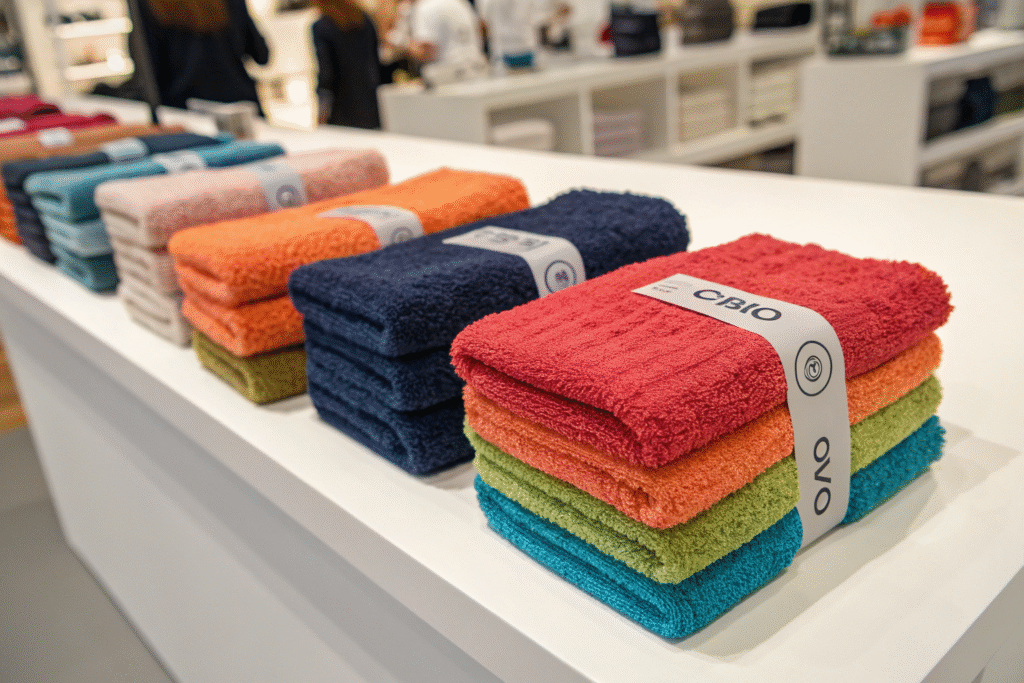
Sweatbands made from certified fabrics can be marketed as skin-friendly, eco-conscious, and high quality. They also allow wholesalers and online sellers to meet the growing demand from fitness enthusiasts and eco-aware shoppers. In short, they combine compliance with trend appeal.
How Does OEKO-TEX® Certification Improve Market Value?
Sweatbands with OEKO-TEX® certification bring a clear advantage. Customers are more likely to buy when they see a trusted label. According to the OEKO-TEX official site, certification proves fabrics meet strict safety standards. This builds confidence for both retailers and end-users. In addition, sweatbands made with tested fabrics last longer and perform better than uncertified alternatives. Buyers also find it easier to import certified goods, since customs clearance is smoother.
What Risks Do Non-Certified Sweatbands Bring?
If a retailer sources non-certified sweatbands, the risk is high. Fabrics may contain residues of dyes, pesticides, or heavy metals. According to Textile Exchange, such products can trigger allergic reactions and damage brand reputation. In many markets, retailers also risk fines or rejections if they fail safety compliance tests. For entrepreneurs selling on Amazon or Etsy, non-compliance can result in account suspensions. This is why verified OEKO-TEX® certification is essential.
Where Can You Find Wholesale Sweatband Suppliers?
The global sourcing market offers many channels, but not all suppliers provide certified fabrics. Buyers need to focus on platforms and manufacturers with a track record of OEKO-TEX® compliance.
The best places to find wholesale sweatbands with certified fabrics are on trusted B2B platforms like Alibaba, Global Sources, and verified textile suppliers listed in the OEKO-TEX® Directory.
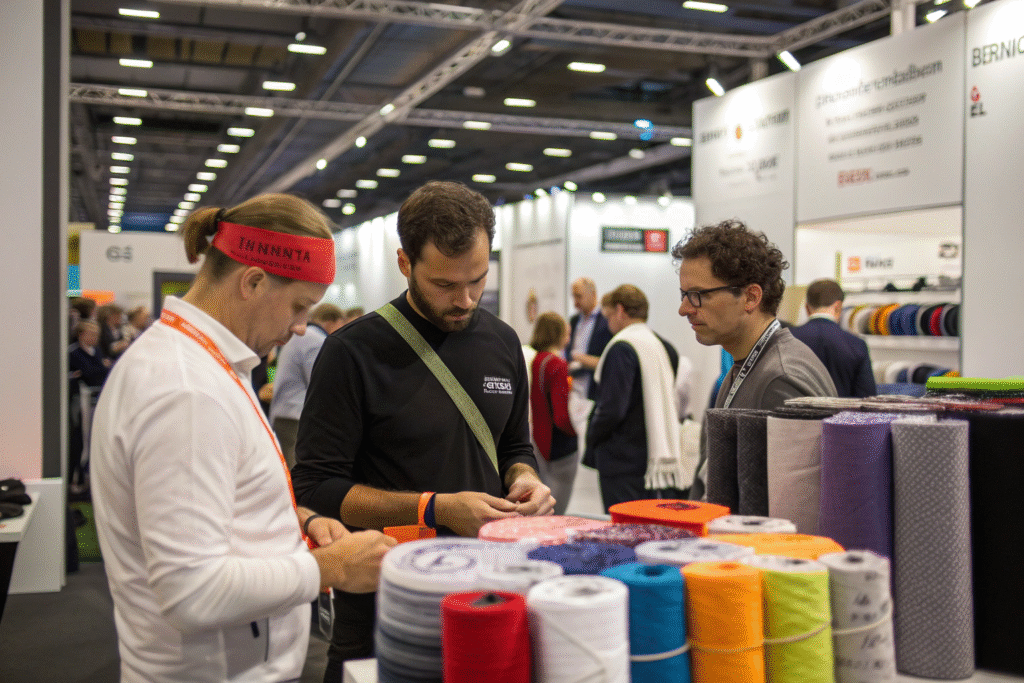
These sources not only connect you to large factories but also let you compare certifications, MOQs, and delivery schedules before placing orders.
Which Online Platforms Provide Reliable Options?
Alibaba lists over 500+ wholesale sweatband suppliers. Many provide OEKO-TEX® certification and offer OEM/ODM services. For example, Alibaba Sweatbands Wholesale connects buyers with manufacturers specializing in headbands, wristbands, and sports sweatbands. Similarly, Global Sources Sweatband Manufacturers showcases verified suppliers with experience in international trade. For smaller retailers, TradeWheel Sweatbands offers flexible MOQ and global shipping options.
Should You Verify Suppliers Directly?
Yes. Even if a supplier claims OEKO-TEX® compliance, direct verification is important. Buyers can check the OEKO-TEX Directory to confirm certificates. This step avoids fake claims and ensures that sweatbands really meet safety standards. Contacting suppliers directly also allows negotiation of packaging, branding, and delivery terms. It is best practice to request samples before confirming bulk orders.
How to Check OEKO-TEX® Certificates Before Buying?
Many wholesalers trust supplier claims without checking certification. This is risky. A real sourcing professional knows how to validate documents.
The correct way is to ask suppliers for their OEKO-TEX® Standard 100 certificate and confirm its authenticity on the official OEKO-TEX® Directory.

This step ensures that fabrics are tested for skin safety and are free of toxic chemicals. It also protects retailers from importing products that may be banned in strict markets.
What Should You Look for in a Certificate?
A valid certificate will list the supplier’s name, the product class, and the expiry date. According to the OEKO-TEX guidelines, Class I covers baby products, while Class II covers textiles in direct contact with skin, such as sweatbands. Checking these details avoids buying fabrics only tested for outerwear or upholstery, which are unsuitable for sweatbands.
How Often Should Buyers Verify Certificates?
Certificates are valid for one year. Buyers should re-check every time they reorder. According to Apparel Resources, fake or expired certificates are common in bulk textile trade. By confirming documents before signing contracts, retailers avoid delays, rejections, and financial losses.
What Are the Best Practices for Importing Sweatbands?
Importing OEKO-TEX® certified sweatbands is more than buying. It involves logistics, customs, and compliance. A smart importer prepares every step carefully.
The best practice is to align sourcing with proper quality control, shipping arrangements, and customs documentation that highlights OEKO-TEX® compliance.

Retailers who follow this process avoid delays, extra costs, and disputes with suppliers. They also build a stronger brand image by proving their products are certified and safe.
How Does OEKO-TEX® Help with Customs Clearance?
Many customs authorities trust OEKO-TEX® certificates. According to Export.gov, goods with tested certifications pass clearance faster. Sweatbands with clear labeling and documentation face fewer checks and lower risk of detention. This saves time and costs for importers, especially those shipping to the EU and US markets.
Should You Work with Third-Party Inspection Companies?
Yes. Independent inspection agencies such as SGS or Bureau Veritas can check shipments before they leave the factory. They ensure the fabrics match OEKO-TEX® certified batches and confirm packaging standards. This reduces disputes and provides peace of mind when ordering large volumes.
Conclusion
Finding wholesale sweatbands with OEKO-TEX® certified fabrics is not just about sourcing accessories. It is about building trust, ensuring compliance, and offering products that meet today’s market demands for safety and sustainability. By verifying certifications, working with trusted suppliers, and managing imports properly, businesses can avoid risks and increase customer loyalty.
If you are ready to develop your own line of sweatbands or other headwear with OEKO-TEX® certified fabrics, you can partner with us at Shanghai Fumao. We have extensive experience in producing high-quality head accessories for global buyers. Please contact our Business Director Elaine at elaine@fumaoclothing.com to discuss your custom orders.