
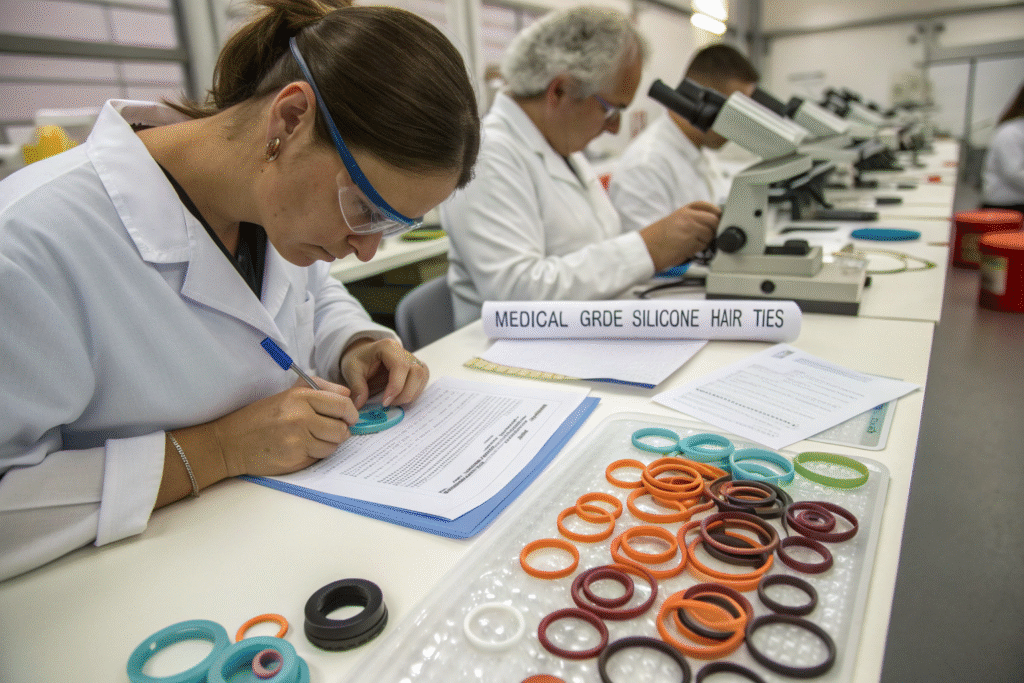
The demand for hair ties with medical-grade silicone has surged dramatically as consumers become increasingly aware of hair health and product safety. These specialized hair ties offer superior gentleness on hair strands, reduced breakage, and enhanced comfort for sensitive scalps. For retailers and brands, sourcing high-quality medical-grade silicone hair ties requires understanding both material specifications and reliable supply channels.
Wholesale hair ties with medical-grade silicone can be sourced directly from specialized manufacturers, through B2B platforms like Alibaba, at international trade shows, via medical device suppliers with cosmetic divisions, and through OEM partnerships with factories holding proper certifications.The key differentiator lies in verifying the actual medical-grade status through proper documentation and understanding the specific properties that make silicone suitable for prolonged hair and skin contact.
Medical-grade silicone represents the highest quality standard for silicone materials, featuring superior purity, consistent performance, and proven biocompatibility that minimizes allergic reactions and hair damage.
What Defines Medical-Grade Silicone for Hair Accessories?
Understanding the precise definition and requirements for medical-grade silicone is crucial for effective sourcing. This classification goes beyond marketing claims and involves specific material properties and manufacturing standards.
Medical-grade silicone must meet rigorous international standards for biocompatibility, purity, and consistency. The material undergoes extensive testing to ensure it doesn't cause skin irritation, allergic reactions, or adverse biological responses. For hair tie applications, this means the silicone maintains its properties through repeated use, cleaning, and environmental exposure while remaining gentle on both hair and skin.
Which Certifications Verify Authentic Medical-Grade Silicone?
Several international certifications provide verification of medical-grade silicone status. Sourcing professionals should look for suppliers who can provide documentation for these standards:
- ISO 10993: Biological evaluation of medical devices
- USP Class VI: Plastics compliance for medical applications
- FDA 21 CFR Part 177: Indirect food additives and polymers
- EU Medical Device Regulation (MDR): European compliance standards
- REACH Compliance: Chemical safety registration
Reputable manufacturers typically maintain detailed material certification files and can provide batch-specific documentation. The most reliable suppliers undergo regular audits and maintain quality management systems like ISO 13485, which specifically addresses medical device manufacturing standards.
How Does Medical-Grade Differ From Food-Grade and Cosmetic-Grade Silicone?
Understanding the hierarchy of silicone grades helps buyers make informed sourcing decisions:
Cosmetic-Grade Silicone:
- Meets basic safety requirements for cosmetic applications
- May contain fillers and additives for specific properties
- Limited testing requirements for biocompatibility
Food-Grade Silicone:
- Safe for food contact applications
- Free from harmful chemicals and heavy metals
- More rigorous testing than cosmetic grade
Medical-Grade Silicone:
- Highest purity level with strict control of extractables
- Comprehensive biocompatibility testing
- Traceability throughout manufacturing process
- Sterilization capability where required
For hair ties, medical-grade silicone offers the assurance of maximum safety and minimal risk of irritation, even for users with sensitive skin or existing scalp conditions.
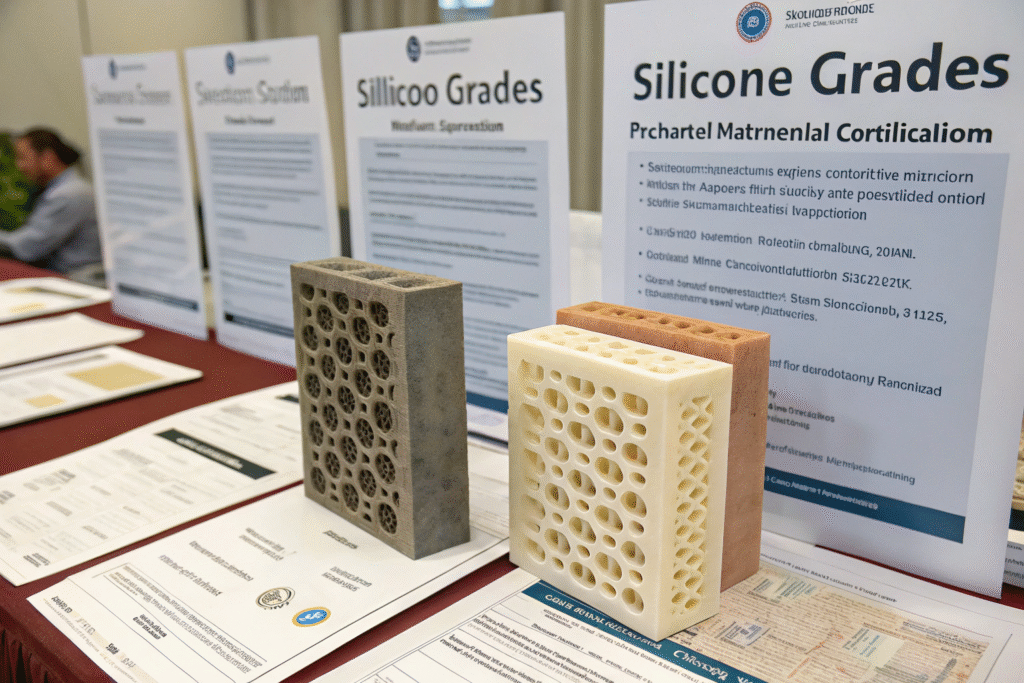
Which Manufacturing Sources Specialize in Medical-Grade Silicone Hair Ties?
Identifying the right manufacturing partners requires understanding the specialized nature of medical-grade silicone processing. Not all hair accessory factories have the capability or certification to work with true medical-grade materials.
Direct factory partnerships offer the most control over quality and specifications. Manufacturers specializing in medical-grade silicone products typically operate clean room environments, maintain detailed material traceability, and employ rigorous quality control processes. These factories often serve both the medical device and premium cosmetic accessories markets.
What Questions Should You Ask Potential Suppliers?
Vetting suppliers for medical-grade silicone hair ties requires specific technical questions:
- Material Certification: Can you provide current certificates for the silicone raw material?
- Manufacturing Environment: Do you operate clean rooms or controlled environments?
- Quality Testing: What specific tests do you perform on finished hair ties?
- Batch Traceability: Can you trace materials back to original manufacturer batches?
- Compliance Documentation: What regulatory support can you provide for different markets?
- Previous Experience: Have you produced similar products for other clients?
The responses to these questions help identify suppliers who genuinely understand medical-grade requirements versus those simply using the term for marketing purposes.
How Do B2B Platforms Facilitate Sourcing Medical-Grade Products?
Platforms like Alibaba, Made-in-China, and Global Sources can be starting points for sourcing, but require careful filtering:
Verification Steps on B2B Platforms:
- Check supplier verification status and years in business
- Look for medical device or pharmaceutical customers in their portfolio
- Request video tours of manufacturing facilities
- Ask for references from similar projects
- Order comprehensive samples before large commitments
Many legitimate medical-grade manufacturers maintain presence on these platforms but may require direct contact for detailed technical discussions. The platform primarily serves as an introduction rather than a complete sourcing solution for specialized materials.

What Design Considerations Matter for Medical-Grade Silicone Hair Ties?
The benefits of medical-grade silicone can be compromised by poor design choices. Successful products balance material advantages with thoughtful engineering for hair health and user comfort.
Seamless construction represents a critical design feature for medical-grade silicone hair ties. Traditional hair ties with seams or connection points can create pressure concentrations that damage hair. Advanced manufacturing techniques like liquid silicone injection molding create seamless, uniform products that distribute pressure evenly across hair strands.
How Does Durometer Selection Impact Hair Safety?
The durometer (hardness) of silicone significantly affects hair tie performance and safety:
| Durometer Range | Characteristics | Best Applications |
|---|---|---|
| 10-20 Shore A | Very soft, gentle hold | Fine or damaged hair, children |
| 25-35 Shore A | Soft, comfortable security | Regular daily use, sensitive scalps |
| 40-50 Shore A | Firm, secure hold | Thick or heavy hair, athletic use |
Medical-grade silicone allows for precise durometer control and consistency across production batches. The optimal range for most hair types falls between 25-35 Shore A, providing secure hold without excessive tension that can cause breakage.
What Surface Treatments Enhance User Experience?
Advanced surface treatments can further improve the performance of medical-grade silicone hair ties:
- Micro-texturing: Creates slight surface friction to prevent slipping
- Smooth finishing: Eliminates microscopic imperfections that can snag hair
- Anti-static properties: Reduces flyaways and static buildup
- Colorfast pigmentation: Uses skin-safe colorants that won't bleed or transfer
These treatments maintain the biocompatibility of the medical-grade silicone while enhancing functional performance. The best manufacturers can customize these properties based on specific market needs and user preferences.
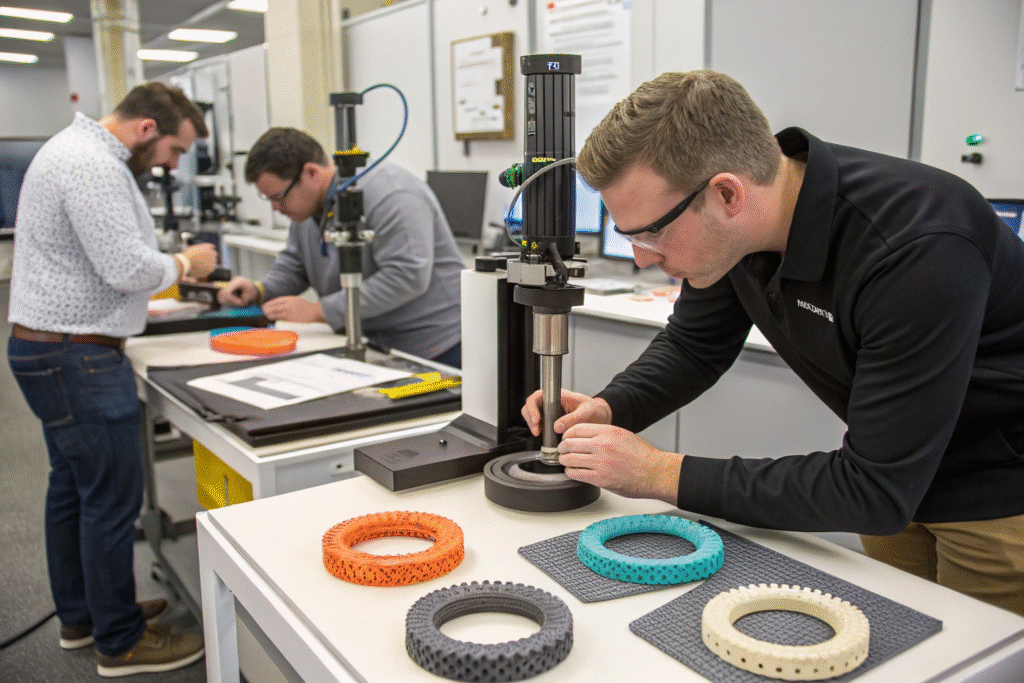
How Can You Verify Medical-Grade Claims During Sourcing?
The term "medical-grade" is sometimes used loosely in marketing materials. Implementing a systematic verification process protects your business and ensures product quality.
Documentation review forms the foundation of verification. Legitimate medical-grade silicone suppliers should provide certificates of analysis, material safety data sheets, and compliance documentation for each specific material batch. These documents should reference recognized standards and include testing dates within reasonable timeframes.
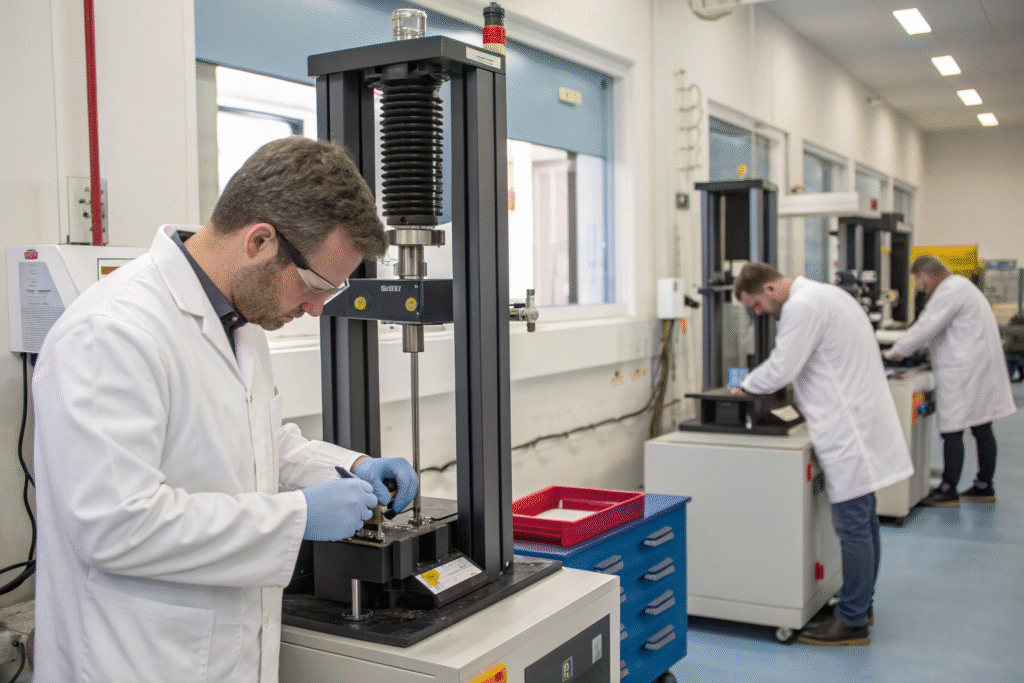
What Testing Should You Conduct on Samples?
Comprehensive sample testing provides practical verification of medical-grade claims:
Physical Performance Tests:
- Stretch recovery after repeated use
- Tensile strength and elongation at break
- Compression set testing for memory retention
- Surface smoothness under magnification
Material Compatibility Tests:
- Skin patch testing for irritation (or review existing data)
- Hair breakage analysis compared to standard hair ties
- Colorfastness during cleaning and UV exposure
- Odor assessment after unpackaging
Usage Simulation:
- Repeated donning and removal cycles
- Different hair types and conditions
- Various environmental conditions
- Long-term wear comfort assessment
These tests can be conducted through third-party laboratories or established in-house testing protocols for ongoing quality monitoring.
How Do Factory Audits Ensure Consistent Quality?
For significant orders or long-term partnerships, factory audits provide the most comprehensive verification:
Key Audit Areas:
- Raw material storage and handling procedures
- Manufacturing process controls and documentation
- Quality inspection protocols and equipment calibration
- Cleanliness standards and environmental controls
- Employee training and technical capability
Audits can be conducted by your quality team, third-party inspection services, or through collaborative arrangements with other buyers. The most transparent manufacturers welcome audits as demonstrations of their commitment to quality.
What Market Trends Drive Demand for Medical-Grade Silicone Hair Ties?
Understanding the market forces behind medical-grade silicone hair ties helps in making strategic sourcing decisions and product positioning.
The clean beauty movement has significantly influenced hair accessory preferences. Consumers increasingly seek products with verified safety credentials, transparent ingredient lists, and scientific backing for their claims. Medical-grade silicone addresses these concerns directly by offering proven biocompatibility and quality assurance.
How Are Health Consciousness and Hair Wellness Influencing Purchases?
Several consumer trends converge to drive demand for medical-grade silicone hair ties:
- Hair Damage Awareness: Education about traction alopecia and breakage prevention
- Scalp Health Focus: Recognition of scalp as skin requiring gentle treatment
- Material Transparency: Desire to understand exactly what touches hair and skin
- Professional Recommendations: Stylists and dermatologists advocating gentler alternatives
- Long-term Value: Willingness to pay premium for products that prevent damage
These trends indicate sustained growth potential for properly positioned medical-grade silicone hair ties across both consumer and professional markets.
What Retail Channels Show Strongest Growth Potential?
Different retail channels offer varying opportunities for medical-grade silicone hair ties:
Professional Channels:
- Hair salons and stylists recommending to clients
- Dermatology practices and medical spas
- Physical therapy centers for patients with scalp conditions
Specialty Retail:
- Clean beauty stores with ingredient transparency focus
- Wellness retailers emphasizing self-care products
- Premium department stores with curated beauty sections
Online Platforms:
- DTC brands emphasizing hair health stories
- Subscription boxes featuring innovative beauty solutions
- Professional marketplace targeting stylists
Understanding these channels helps tailor sourcing requirements to specific market needs and price points.
Conclusion
Sourcing wholesale hair ties with genuine medical-grade silicone requires careful supplier vetting, technical knowledge, and thorough verification processes. The premium quality and safety assurances justify higher sourcing costs while offering competitive advantages in increasingly health-conscious markets.
Successful sourcing partnerships combine rigorous quality standards with design expertise to create products that genuinely deliver on the promise of medical-grade safety and performance. By focusing on certified materials, specialized manufacturers, and comprehensive testing, buyers can access products that stand out in both quality and consumer appeal.
At HairAcc, we've developed specialized expertise in medical-grade silicone hair ties through partnerships with certified manufacturers and ongoing investment in material testing and product development. Our technical understanding ensures that clients receive genuinely superior products with proper documentation and consistent quality. To explore medical-grade silicone hair tie options for your business, contact our Business Director Elaine at elaine@fumaoclothing.com for samples and detailed specifications.