
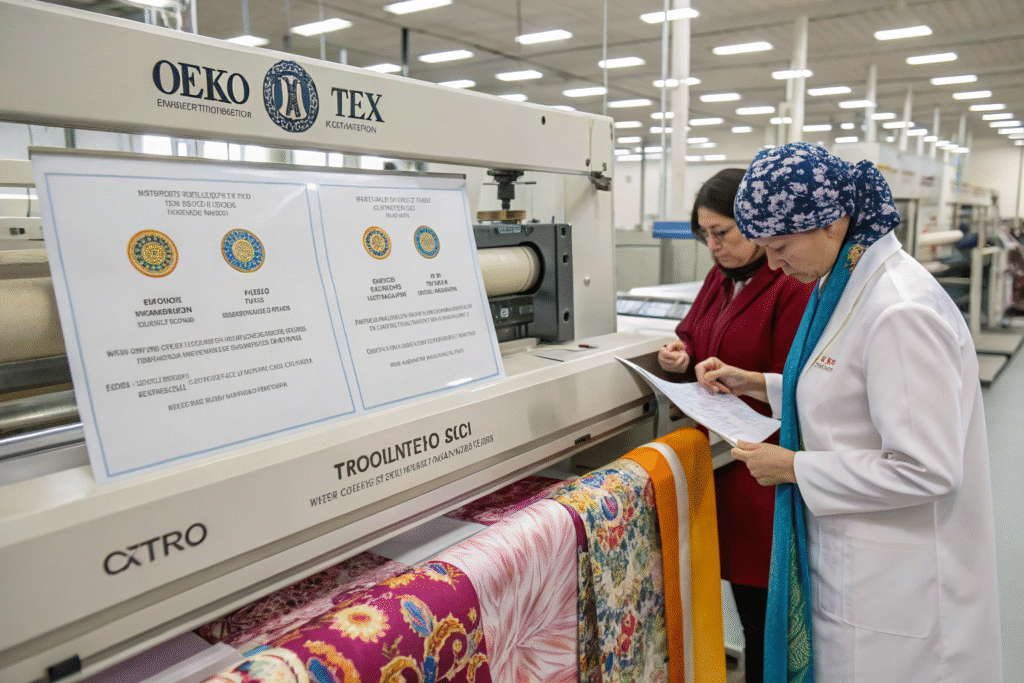
As the owner of HairAcc with extensive experience in certified textile sourcing, I understand the growing importance of OEKO-TEX® certification for silk products. The demand for verified safe, environmentally responsible materials continues to increase as consumers become more conscious about product safety and sustainability.
The most reliable sources for OEKO-TEX® certified silk scarf headbands include certified silk mills, specialized sustainable accessory manufacturers, ethical fashion suppliers, and direct partnerships with certified dyeing facilities that maintain full traceability throughout their production processes.These suppliers combine traditional silk craftsmanship with modern certification standards to deliver products that meet both quality and safety requirements.
The market for certified silk accessories has expanded significantly as brands seek to differentiate themselves with verifiable safety credentials. Based on our experience sourcing certified materials and manufacturing headwear, here's a comprehensive guide to finding suppliers who can deliver genuine OEKO-TEX® certified silk scarf headbands.
Which Certified Silk Manufacturers Specialize in Headband Production?
Finding manufacturers with genuine OEKO-TEX® certification requires targeting suppliers who understand both textile certification requirements and hair accessory manufacturing specifics. The certification must cover the entire production chain from raw material to finished product.
Specialized OEKO-TEX® certified silk manufacturers, sustainable textile converters, ethical fashion accessory producers, and certified dye houses with finishing capabilities offer the most reliable sourcing options for certified silk scarf headbands.These suppliers maintain proper certification documentation and understand the specific requirements for hair accessory applications.
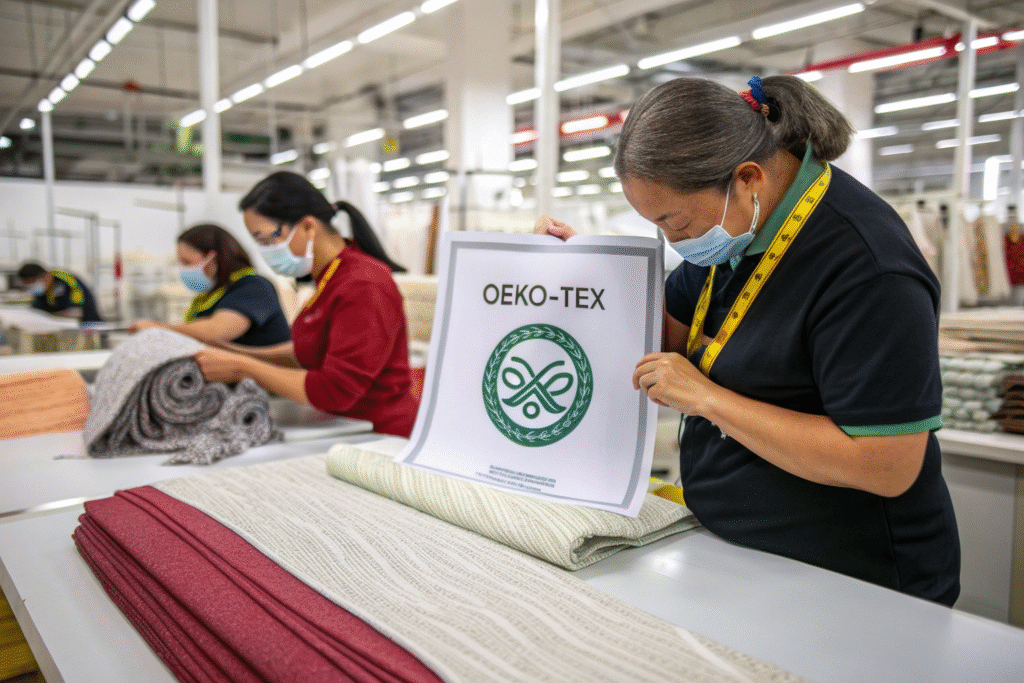
How to Verify Authentic OEKO-TEX® Certification?
Genuine OEKO-TEX® certification requires verification through the official OEKO-TEX® database using the supplier's certificate number. Legitimate manufacturers should provide current certificates covering the specific product category (Class I, II, or III) appropriate for headwear. For silk scarf headbands, the certification should cover the silk fabric, dyes, finishing treatments, and any additional components. Reputable suppliers readily share their certification details and can explain how their production processes meet the standard's requirements for harmful substance testing and environmental management.
What Manufacturing Capabilities Support Headband Production?
Manufacturers specializing in scarf headbands require specific equipment and expertise beyond basic silk processing. Look for suppliers with scarf cutting and finishing equipment, hemming capabilities for delicate fabrics, and experience working with silk's unique characteristics. The best manufacturers understand how to handle silk's delicate nature while maintaining production efficiency. They should demonstrate expertise in silk weight selection appropriate for headbands, edge finishing techniques that prevent fraying, and construction methods that ensure durability while preserving silk's luxurious drape and feel.
What Regional Sourcing Options Offer Certified Silk?
Different geographical regions offer distinct advantages for OEKO-TEX® certified silk sourcing, each with unique strengths in silk production, certification infrastructure, and manufacturing capabilities.
China, India, Italy, and Thailand represent the strongest regional sources for OEKO-TEX® certified silk, each offering different advantages in terms of silk quality, certification expertise, production capacity, and cost structures.Understanding these regional differences helps target sourcing efforts effectively.
Why is China a Leading Source for Certified Silk?
China dominates global silk production and has developed extensive OEKO-TEX® certification infrastructure. Chinese silk mills in regions like Zhejiang, Jiangsu, and Sichuan offer comprehensive certification coverage from raw silk through finished fabrics. These suppliers typically offer competitive pricing, large production capacity, and experience exporting certified textiles globally. The most reliable Chinese manufacturers maintain STeP certification alongside STANDARD 100, demonstrating commitment to environmentally friendly production processes. They understand international compliance requirements and can provide full documentation for customs and retail verification.
What Advantages Do Indian Silk Suppliers Offer?
India provides unique advantages for certified silk sourcing, particularly for traditional silk varieties like Bangalore silk and Mysore silk. Indian suppliers often specialize in handcrafted techniques that complement machine production, offering artisanal quality with modern certification. The country's strong textile heritage combines with growing certification expertise, creating opportunities for unique designs with verified safety standards. Indian manufacturers typically offer smaller minimum orders than Chinese counterparts, making them suitable for brands testing the market or producing limited editions.
How to Evaluate Supplier Certification and Compliance?
Proper evaluation of OEKO-TEX® certification requires understanding the standard's specific requirements and verifying that suppliers maintain ongoing compliance through regular testing and audits.
Comprehensive supplier evaluation includes certificate verification, manufacturing process review, testing protocol examination, supply chain transparency assessment, and compliance history checking that collectively ensure genuine certification adherence.This due diligence prevents certification fraud and ensures product safety.

What Documentation Should Certified Suppliers Provide?
Legitimate OEKO-TEX® certified suppliers should provide comprehensive documentation including current certificate copies, testing reports for harmful substances, material safety data sheets, and supply chain mapping. The certificate should specifically cover the silk fabric type being used and include all processing stages from raw material to finished headband. Suppliers should also provide information about their certification body and testing frequency. Reputable manufacturers maintain organized documentation systems and can quickly provide verification materials for customer review and compliance purposes.
How Often Should Certification Be Renewed and Verified?
OEKO-TEX® certification requires annual renewal with regular testing to maintain validity. Suppliers should demonstrate consistent testing schedules and prompt renewal processes. The most reliable manufacturers conduct additional testing between certification cycles, particularly when changing material sources or production methods. Brands should verify certification status quarterly and request updated certificates before placing large orders. This ongoing verification ensures continuous compliance and identifies potential issues before they affect product shipments or brand reputation.
What Are the Realistic MOQ and Pricing Expectations?
Understanding minimum order quantities and pricing structures helps brands plan their sourcing strategies for OEKO-TEX® certified silk scarf headbands. Certification costs and silk quality significantly impact both MOQ requirements and final pricing.
Realistic MOQ expectations range from 100-500 pieces for certified silk scarf headbands, with per-unit pricing 40-80% higher than non-certified equivalents due to certification costs, premium material pricing, and specialized manufacturing processes.These costs reflect the additional value of verified safety and quality.

How Does Certification Impact MOQ Requirements?
The certification process creates natural MOQ thresholds due to testing economics and minimum order requirements from certified silk suppliers. Most certified silk mills require minimum fabric orders of 100-200 meters, which typically yields 300-600 headbands depending on design and size. Manufacturers offering lower MOQs (50-100 pieces) typically work with pre-certified fabric inventory but may charge premium prices for this flexibility. The most cost-effective MOQs generally fall in the 300-500 piece range, where certification costs can be amortized across sufficient volume.
What Factors Influence Certified Silk Headband Pricing?
Multiple factors impact pricing for OEKO-TEX® certified silk headbands. Silk quality grades significantly affect material costs, with higher momme weight silks commanding premium prices. Certification costs include testing fees, audit expenses, and documentation management. Manufacturing complexity influences production costs, with intricate prints, special hemming techniques, or custom details adding expense. Additionally, design exclusivity, order quantity, and shipping requirements contribute to final pricing. Transparent suppliers should provide detailed cost breakdowns and explain how different quality and certification levels impact pricing.
Conclusion
Sourcing OEKO-TEX® certified silk scarf headbands requires targeting suppliers with genuine certification, silk expertise, and headband manufacturing capabilities. The most reliable partners combine traditional silk craftsmanship with modern certification standards, offering proper documentation, transparent sourcing, and quality manufacturing. While certified products command premium pricing, the value of verified safety, environmental responsibility, and quality assurance justifies the investment for brands targeting conscious consumers who value transparency and product safety.
If you're seeking manufacturing partners for OEKO-TEX® certified silk scarf headbands, we invite you to contact HairAcc to discuss your specific requirements. With our experience in certified textile sourcing and hair accessory manufacturing, we can help you develop silk scarf headband collections that combine verified safety with luxurious quality. Reach out to our Business Director Elaine at elaine@fumaoclothing.com to explore how we can create certified silk headbands for your collection.