
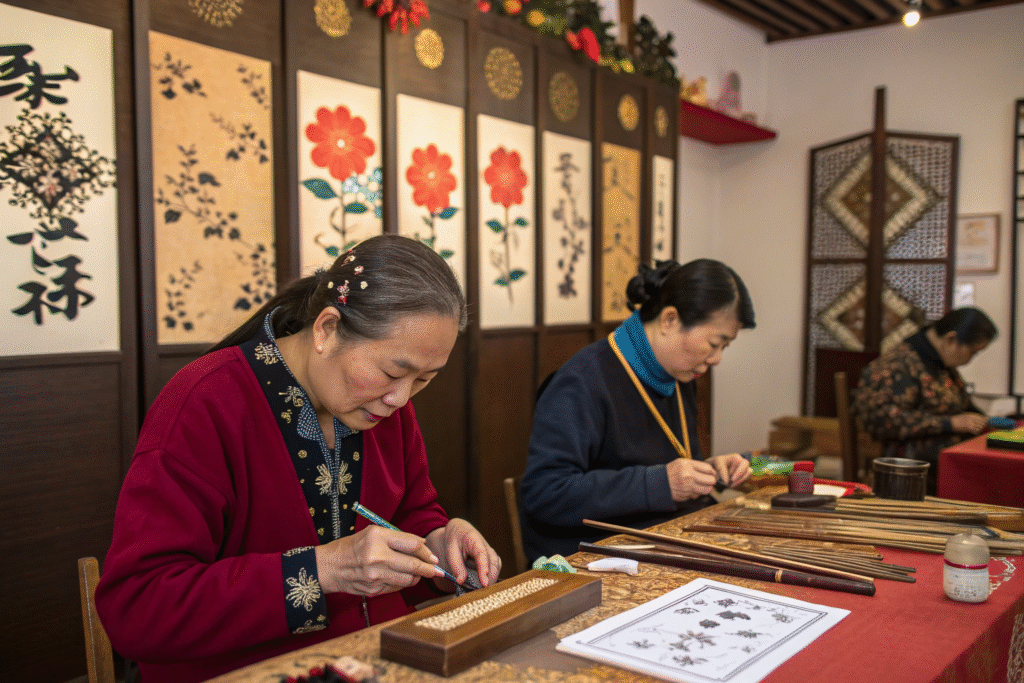
The demand for culturally authentic hair sticks has surged as consumers seek meaningful connections to traditional craftsmanship and heritage designs. However, finding manufacturers who genuinely understand and respect cultural motifs—rather than simply appropriating them—presents significant challenges for buyers.
Authentic cultural motif hair sticks are best sourced from specialized artisans and manufacturers in their regions of origin, including Chinese hanfu hair stick specialists, Japanese kanzashi makers, Vietnamese trâm cài artisans, Korean binyeo workshops, and Indigenous craft cooperatives.These sources combine traditional techniques with cultural knowledge, ensuring both aesthetic authenticity and respectful representation. The most reliable suppliers demonstrate deep cultural connections, work with traditional materials, and often collaborate with cultural organizations to preserve heritage crafts.
Sourcing culturally authentic hair accessories requires understanding both the technical aspects of traditional manufacturing and the cultural significance behind the designs. Let's explore the specific sourcing strategies and verification methods for obtaining genuine cultural motif hair sticks.
Which Regions Offer Authentic Cultural Hair Stick Traditions?
Different cultures have developed distinct hair stick traditions with unique symbolic meanings, materials, and construction techniques. Authentic sourcing requires understanding these regional specialties and their cultural contexts.
The most respected manufacturers maintain traditional techniques while ensuring cultural accuracy in their motif reproduction. These sources typically combine generational knowledge with contemporary quality standards.
What Defines Authentic Chinese Hanfu Hair Sticks?
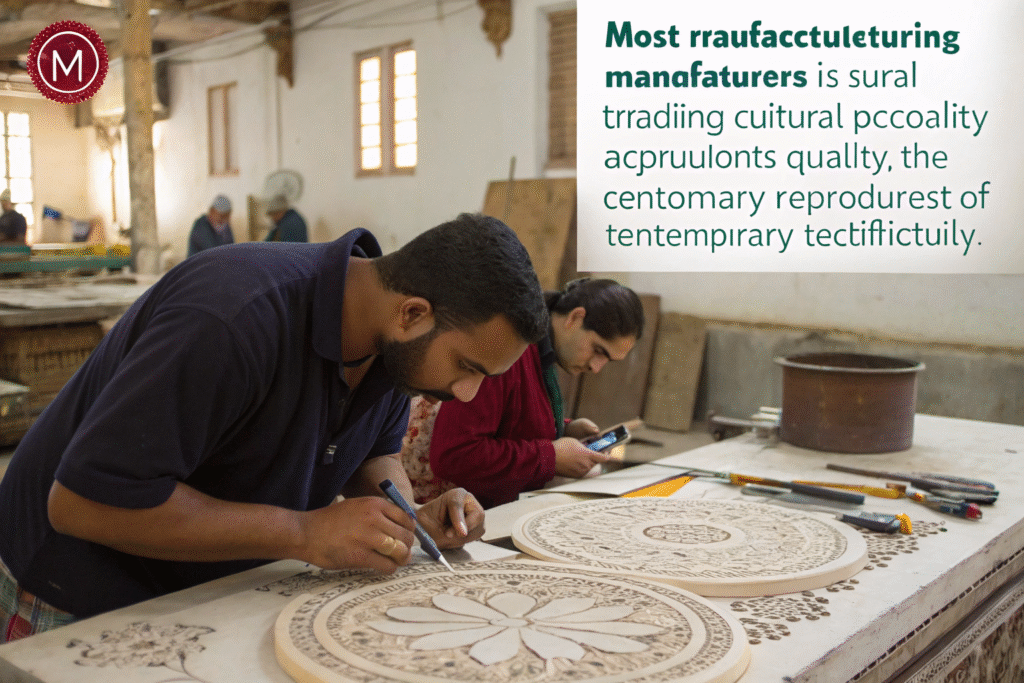
Authentic Chinese hair sticks (发簪) feature traditional motifs like phoenixes, dragons, cloud patterns, and floral designs with specific symbolic meanings. Genuine manufacturers use traditional materials including jade, kingfisher feathers, cloisonné, and various precious woods according to historical practices. Regional specialties include Beijing palace-style hair sticks, Suzhou delicate craftsmanship, and Yunnan ethnic minority designs. Reputable workshops often collaborate with cultural museums and hanfu associations to ensure historical accuracy and appropriate motif usage.
How to Identify Traditional Japanese Kanzashi Makers?
Traditional kanzashi artisans maintain specific seasonal motifs and appropriate designs for different occasions and wearer status levels. Authentic makers use traditional materials like tortoiseshell, coral, jade, and precious metals with specific construction techniques. Regional specialties include Tokyo maiko kanzashi, Kyoto geisha hair ornaments, and Okinawan traditional designs. Genuine artisans typically undergo years of apprenticeship and maintain relationships with geisha districts and cultural preservation societies.
How to Verify Cultural Authenticity and Ethical Sourcing?
Cultural authenticity extends beyond aesthetic appearance to include manufacturing processes, material sourcing, and artisan relationships. Verification requires examining multiple aspects of production and business practices.
The most reliable suppliers transparently share their cultural connections, manufacturing processes, and community relationships. They view cultural preservation as a responsibility rather than just a marketing angle.
What Documentation Verifies Cultural Authenticity?
Cultural organization certifications from recognized heritage groups indicate adherence to traditional standards and practices. Artisan identification and background verification ensure products come from trained practitioners of cultural crafts. Material sourcing documentation confirms use of traditional materials obtained through ethical and sustainable channels. Cultural motif references demonstrate designs are based on historical patterns rather than modern interpretations or appropriations.
How to Assess Ethical Manufacturing Practices?
Fair compensation verification ensures artisans receive appropriate payment for their specialized skills and cultural knowledge. Cultural preservation contributions demonstrate the manufacturer's commitment to maintaining traditional crafts beyond commercial interests. Community involvement shows support for the cultural communities from which these traditions originate. Transparent supply chains allow buyers to verify ethical practices throughout the production process.
What Sourcing Channels Connect Buyers with Authentic Makers?
Finding genuine cultural hair stick manufacturers requires specialized approaches beyond conventional wholesale channels. The most effective methods prioritize direct relationships and cultural verification.
Successful sourcing combines traditional craft networks with modern verification systems to balance accessibility with authenticity assurance.
How Effective Are Cultural Craft Organizations?
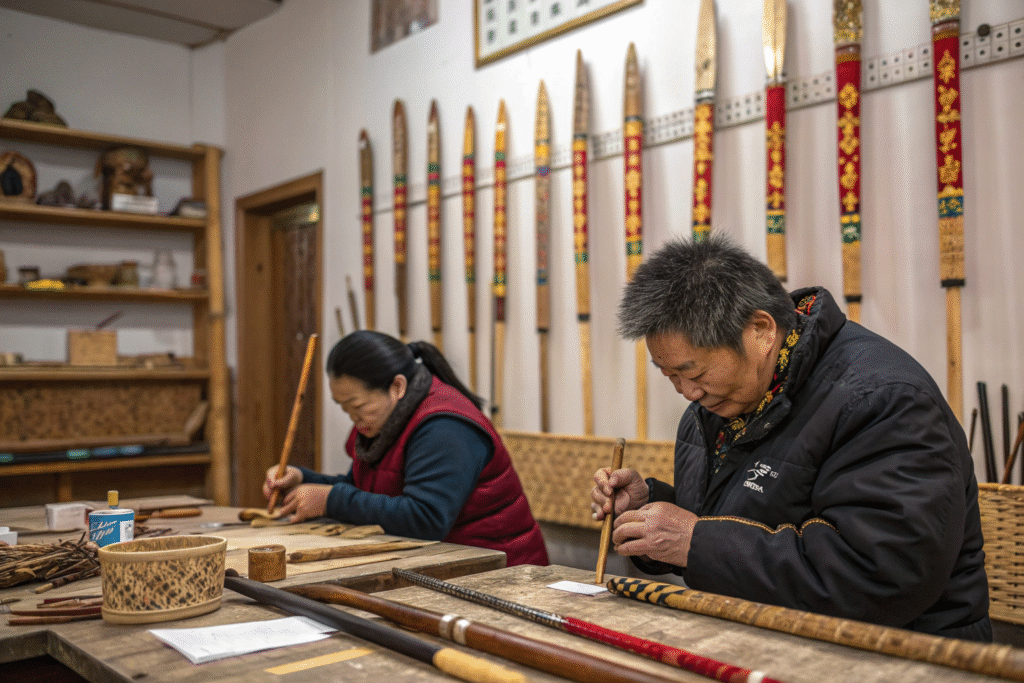
Traditional craft associations maintain directories of certified artisans who meet specific cultural and quality standards. Cultural heritage foundations often facilitate connections between authentic makers and interested buyers. Museum gift shops and cultural centers frequently stock verified traditional crafts with documented provenance. Cultural festival participation allows direct interaction with artisans and observation of their craft techniques.
What Digital Platforms Specialize in Authentic Crafts?
Cultural craft marketplaces like Novica, Uncommon Goods, and Etsy's Heritage program vet artisans for authenticity and quality. Specialized cultural websites focusing on specific traditions (hanfu, kimono, ao dai accessories) offer curated selections from verified makers. Social media platforms used by cultural communities provide direct access to artisans sharing their creative processes. Online cultural organizations often maintain directories of traditional craftspeople who welcome commercial partnerships.
What Design Elements Indicate Genuine Cultural Motifs?
Understanding specific design characteristics helps distinguish authentic cultural hair sticks from mass-produced imitations. Each cultural tradition follows distinct aesthetic rules and symbolic systems.
Genuine cultural motifs reflect deep understanding of traditional symbolism, color theory, and compositional principles specific to each culture.

How to Recognize Authentic Chinese Motifs?
Traditional color symbolism uses specific hues like imperial yellow, vermilion red, and lapis blue according to historical usage rules. Proper motif arrangement follows traditional compositional principles like bilateral symmetry and specific directional orientations. Material symbolism ensures materials carry appropriate cultural meanings (jade for purity, pearl for wisdom, gold for nobility). Scale and proportion adhere to historical examples rather than modern aesthetic preferences.
What Defines Authentic Japanese Design Elements?
Seasonal appropriateness ensures motifs match traditional seasonal associations (cherry blossoms for spring, maple leaves for autumn). Status differentiation maintains appropriate design complexity and material quality for different wearer statuses. Regional variations respect distinct traditional styles from different geographical areas. Historical period accuracy ensures designs reflect specific era-appropriate aesthetics and techniques.
How to Establish Mutually Beneficial Partnerships?
Building sustainable relationships with cultural artisans requires approaches that respect both cultural traditions and commercial realities. The most successful partnerships balance preservation with practicality.
Ethical sourcing relationships prioritize cultural respect, fair compensation, and long-term sustainability over short-term profit maximization.
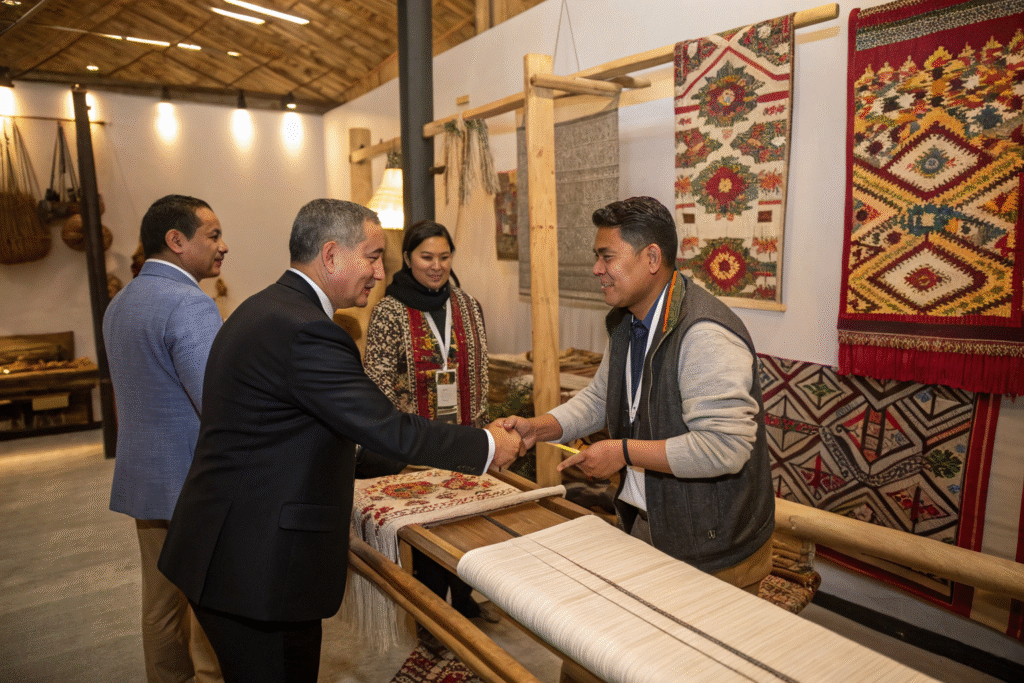
What Partnership Models Support Cultural Preservation?
Consignment arrangements allow artisans to maintain creative control while accessing broader markets. Design collaboration combines traditional motifs with contemporary wearability under artisan guidance. Cultural licensing ensures appropriate compensation for use of traditional designs and techniques. Production training programs help preserve endangered crafts while creating economic opportunities.
How to Structure Fair Commercial Agreements?
Transparent pricing models ensure artisans receive appropriate compensation for their specialized skills and cultural knowledge. Minimum order quantities accommodate artisan production capabilities while meeting commercial needs. Flexible timelines respect traditional production methods that may not align with conventional manufacturing schedules. Cultural consultation fees compensate artisans for their cultural expertise beyond physical production.
Conclusion
Sourcing hair stick sets with genuine cultural motif authenticity requires careful research, relationship building, and cultural sensitivity. The most successful approaches prioritize authentic connections with traditional artisans while ensuring ethical business practices and cultural respect.
By focusing on verified sources, understanding cultural contexts, and building mutually beneficial partnerships, buyers can access authentic cultural hair sticks that honor traditional craftsmanship while meeting contemporary market needs. This approach supports cultural preservation while providing consumers with genuinely meaningful products.
If you're seeking authentic cultural hair sticks with verified motif authenticity, we specialize in connecting buyers with traditional artisans across multiple cultural traditions. Contact our Business Director, Elaine, at elaine@fumaoclothing.com to discuss your specific cultural sourcing needs and access our network of verified traditional hair stick artisans. We bridge cultural preservation with commercial accessibility through ethical sourcing partnerships.