

As the owner of HairAcc, I've witnessed the explosive growth of the hair extension market and the corresponding need for accessories specifically designed to work with extensions. Traditional hair accessories often fail with extensions—they slip out, cause damage, or simply don't accommodate the added volume and different texture. Sourcing the right products requires understanding both hair extension types and the specific design features that ensure compatibility.
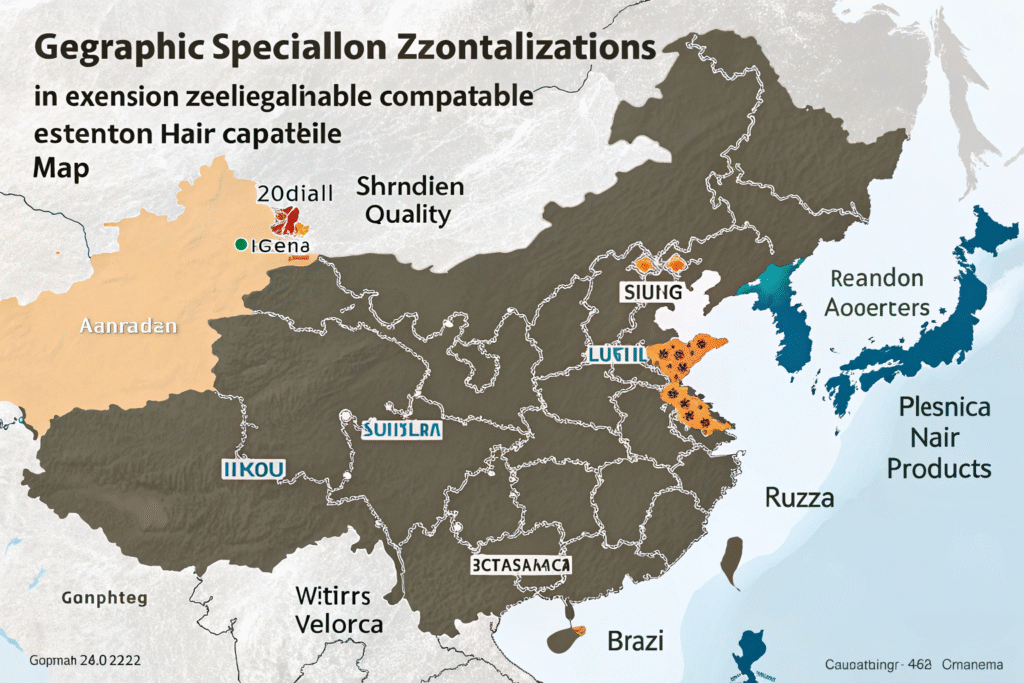
The best sources for hair extension-compatible accessories include specialized manufacturers with extension expertise, suppliers serving the professional beauty market, companies with strong R&D in hair technology, factories producing for extension brands, and distributors focused on the multicultural hair market. Key sourcing regions include Guangdong for innovative designs, Zhejiang for metal component expertise, Shandong for quality plastics, and specialized manufacturers in Korea and Brazil who understand specific extension types and textures.
Hair extension compatibility requires more than just larger sizes—it demands specific design features like gentle clamping mechanisms, secure-hold technologies, damage-preventing surfaces, and versatile sizing that accommodates both natural hair and extensions without compromising either.
What Design Features Ensure Extension Compatibility?
Understanding the specific design features that make hair accessories extension-compatible is crucial for identifying the right manufacturers. These features address the unique challenges of working with both natural hair and extensions simultaneously.
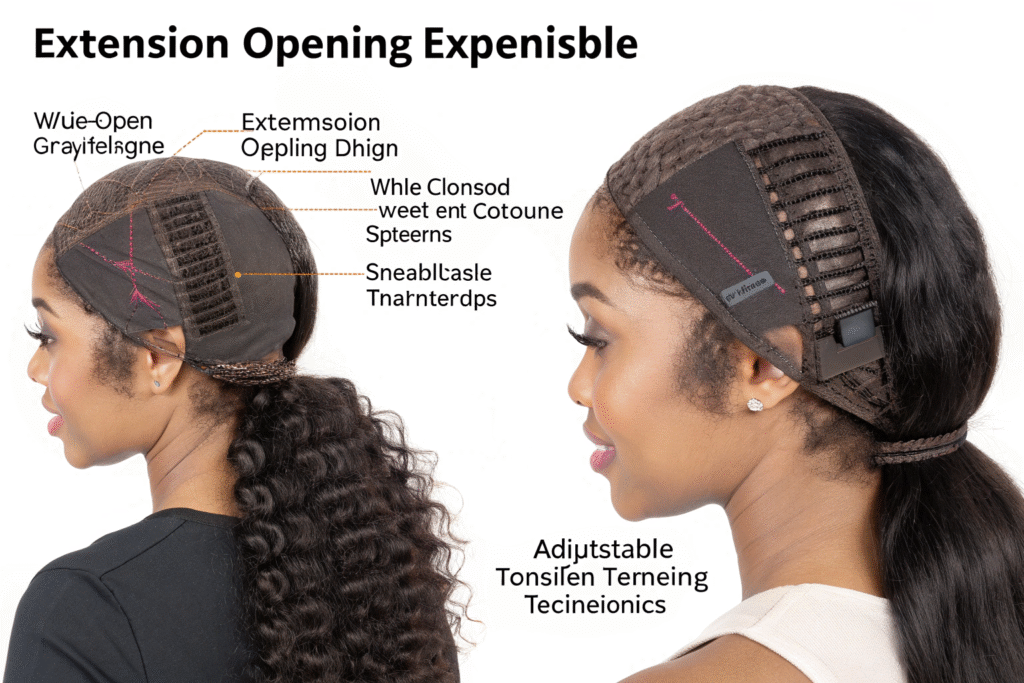
Essential compatibility features include wider opening capacities to accommodate added volume, gentle teeth or grips that don't snag extension bonds, secure closure mechanisms that prevent slippage, smooth surfaces that don't damage extension hair, and adjustable tension systems for different hair densities. Each feature solves specific problems that occur when using standard accessories with extensions, from clip slippage to bond damage and breakage.
How Do Specialized Clips Accommodate Extension Volume?
Standard hair clips often fail with extensions because they can't accommodate the additional volume or may damage the extension bonds. Specialized clips feature design modifications that address these specific issues.
The most effective extension-compatible clips feature expanded opening widths (typically 20-40% wider than standard), graduated tooth lengths that secure both natural hair and extensions without excessive pressure, rounded tooth tips that prevent snagging on bonds or wefts, and reinforced springs that maintain tension with heavier hair. Our bestselling extension clip, for example, opens to 3.5cm compared to 2.5cm for standard clips, with specially angled teeth that grip securely without concentrating pressure on extension bonds. These design modifications prevent the slippage and damage that make standard clips unsuitable for extension wearers.
What Makes Scrunchies Extension-Safe?
Extension-safe scrunchies require specific fabric choices and construction methods that prevent friction damage and breakage while providing secure hold without excessive tension that could stress extension bonds.
The key extension-safe scrunchy features include silk or satin covers that minimize friction on extension hair, wider elastic bands that distribute pressure evenly, seamless constructions that eliminate snagging points, adjustable tying options for different ponytail sizes, and gentle hold that secures without pulling. We've developed proprietary silk-blend fabrics that offer the smoothness of silk with enhanced durability, specifically testing them against common extension types to ensure they don't cause frizz or breakage. These scrunchies have become essential for extension wearers who want to create comfortable, damage-free styles.
Which Manufacturing Regions Specialize in Extension-Compatible Accessories?
Certain manufacturing regions have developed specific expertise in hair accessories designed for extensions, often based on their existing specialization in hair technology or proximity to major extension markets.
Guangdong Province in China leads in innovative designs that combine fashion with extension compatibility. Zhejiang Province excels in precision metal components for extension-safe clips. Shandong has strong capabilities in high-quality plastics for gentle accessories. South Korea specializes in accessories for fine hair and tape-in extensions. Brazil focuses on products for volumious hair and clip-in extensions. Each region offers different strengths based on their experience with specific extension types and hair textures.
Why Does South Korea Excel in Fine Hair Extension Accessories?
South Korean manufacturers have developed exceptional expertise in accessories for fine hair and delicate extension methods like tape-ins and skin wefts. This specialization stems from their domestic market's preference for subtle, natural-looking extensions.
The advantages of Korean-made extension accessories include ultra-fine clip mechanisms that lay flat against the scalp, miniature sizes that work with less hair volume, delicate materials that don't overwhelm fine hair, precision engineering for exact fit, and understanding of Asian hair textures and extension methods. These manufacturers typically produce smaller batches with higher attention to detail, making them ideal for brands targeting markets where subtlety and precision are valued over dramatic volume. The compatibility with popular Korean extension methods like tape-ins and micro-links represents a significant advantage in specific market segments.
What Makes Brazilian Manufacturers Unique for Volumious Extensions?
Brazilian manufacturers understand the requirements of volumious hair and larger extension types, drawing from their domestic market's preference for full, dramatic hairstyles and experience with textured hair types.
Brazilian strengths include experience with curly and textured hair, accessories designed for significant added volume, understanding of clip-in and weave extension methods, products that work with coarser hair textures, and vibrant color options that complement common extension shades. These manufacturers typically produce stronger, larger accessories that can secure substantial amounts of hair without slippage or breakage. Their understanding of the specific challenges of maintaining curly extensions with accessories has made them valuable partners for brands serving textured hair markets.
How Can Buyers Verify Extension Compatibility?
Verifying that hair accessories genuinely work with extensions requires specific testing and certification beyond standard quality checks. Buyers need systematic approaches to ensure products deliver on compatibility claims.
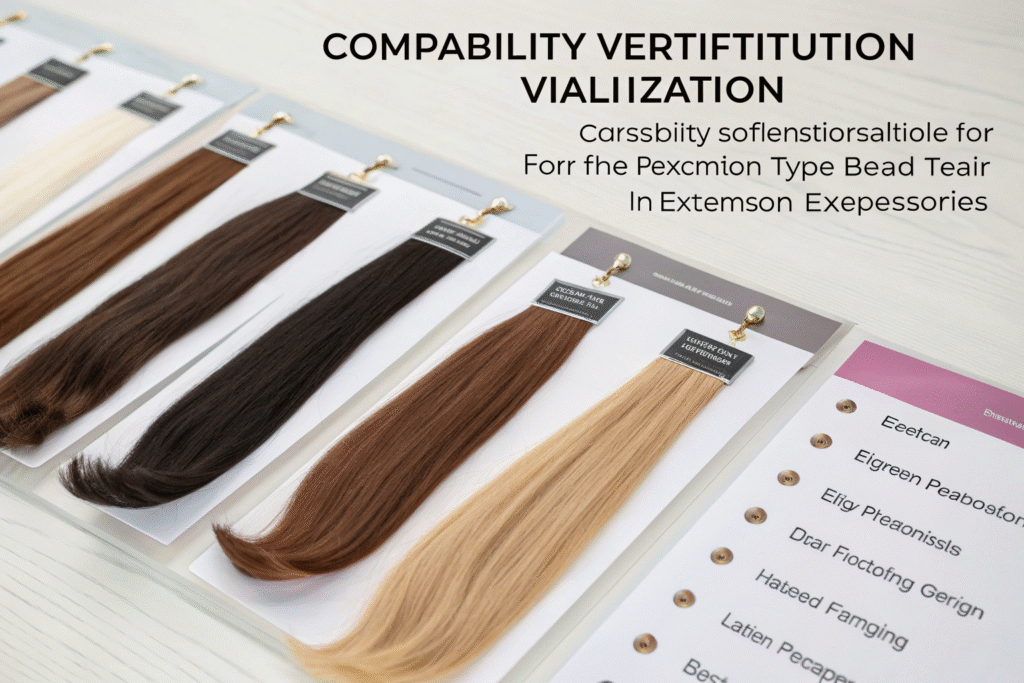
Effective verification methods include testing with actual extension types, reviewing manufacturer testing protocols, checking for professional beauty endorsements, assessing design features against extension requirements, and conducting user trials with extension wearers. Each verification method addresses different aspects of compatibility, from functional performance to user satisfaction.
What Testing Protocols Confirm Extension Safety?
Extension safety testing ensures accessories don't damage extensions or natural hair through specific protocols that simulate real-world use conditions. Reputable manufacturers should provide documentation of these tests.
Comprehensive extension safety testing includes bond integrity tests checking that clips don't loosen extension adhesives, tension tests measuring force distribution across extension wefts, surface friction tests evaluating potential for hair damage, repeated use testing assessing durability with extensions, and material compatibility tests ensuring no chemical reactions with extension components. We conduct these tests on every new accessory design and provide certificates of compliance to our buyers. This testing is particularly important for accessories that contact extension bonds directly, like clips placed near tape-in or fusion extensions.
How Do Professional Endorsements Verify Performance?
Professional hairstylist endorsements provide real-world verification that accessories perform reliably in salon conditions with various extension types. These endorsements come from stylists who regularly work with extensions and understand the specific challenges.
Our professional endorsement program involves partnerships with extension specialists who test products in their salons, provide feedback on performance with different extension methods, suggest improvements based on client experiences, and certify products that meet professional standards. These endorsements are particularly valuable because stylists work with multiple extension types and can assess compatibility across different systems. Products that earn professional endorsements typically see higher adoption in salons and better consumer reviews from extension wearers.
What Specific Accessories Work Best with Different Extension Types?
Different extension methods require specific accessory types designed for their unique characteristics and attachment methods. Understanding these matches helps buyers source the right products for their target market.
Key extension-specific accessories include special claw clips for clip-in extensions, seamless bands for tape-in extensions, wide-tooth accessories for fusion extensions, specialized brushes for extension maintenance, and gentle holders for weft extensions. Each accessory type addresses the specific requirements and vulnerabilities of different extension methods while providing the functionality extension wearers need.

What Accessories Work with Clip-In Extensions?
Clip-in extensions require accessories that can secure both the natural hair and the added wefts without putting excessive pressure on the clips or causing discomfort at the attachment points.
The most effective clip-in extension accessories include wide-opening claw clips that clear the clip bases, fabric-covered elastic bands that don't catch on wefts, specially designed combs that glide over clip attachments, padded headbands that don't press on clip bases, and secure-hold accessories that prevent slippage from the added weight. We've developed a patented clip design with a recessed area that accommodates standard clip-in bases without putting pressure on the attachment points. This innovation has made our clips particularly popular with clip-in extension users who previously struggled to find accessories that worked with their extensions.
How Do Accessories Differ for Tape-In Extensions?
Tape-in extensions require accessories that don't interfere with the flat tape tabs while providing secure hold for styles that incorporate both natural hair and extensions.
Tape-in compatible accessories feature flat profiles that don't put pressure on tape tabs, smooth surfaces that don't catch on tape edges, secure-hold mechanisms that work with the reduced styling options near the root, special parters for creating styles that conceal tape tabs, and gentle removal methods that don't stress the adhesive bonds. Understanding that tape-in extensions limit root styling options, we've developed accessories that provide security further down the hair shaft while avoiding the sensitive root area where tapes are attached. This approach allows for creative styling without compromising extension integrity.
How Can Technology Improve Extension-Compatible Designs?
Technology plays an increasingly important role in developing accessories that work seamlessly with hair extensions. From advanced materials to precision engineering, technological innovations solve specific compatibility challenges.
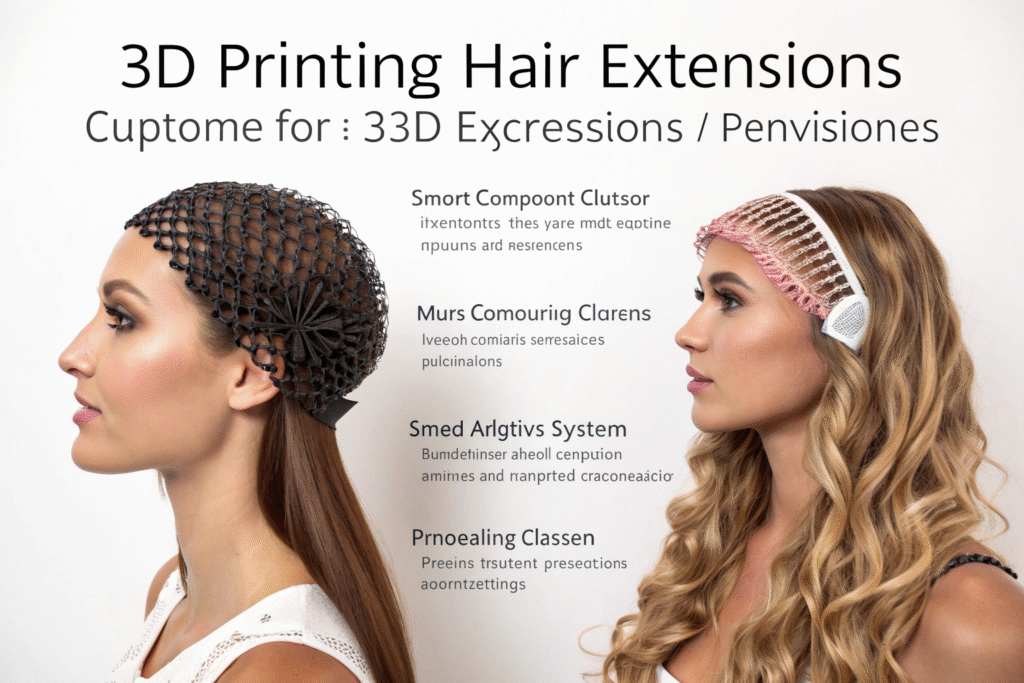
Key technological advances include 3D printing for custom-fit accessories, advanced polymer compounds for gentle gripping, magnetic closure systems that avoid traditional mechanisms, smart materials that adapt to hair volume, and precision manufacturing for exact tolerances. Each technology addresses specific compatibility issues while enhancing both function and aesthetics.
How Does 3D Printing Enable Custom Solutions?
3D printing allows for rapid prototyping and production of accessories specifically designed for unusual extension types or unique compatibility challenges. This technology enables customization that would be cost-prohibitive with traditional manufacturing.
Our 3D printing capabilities enable creation of accessories with exact dimensions for specific extension systems, custom grip patterns for different hair textures, specialized shapes that work with unusual extension placements, and rapid iteration based on user feedback. For example, we've developed custom claw clips for clients with specific clip-in extension systems that have unique base designs. The ability to scan the extension bases and create perfectly fitting accessories has solved compatibility issues that standard products couldn't address. While 3D printing costs more per unit than injection molding, it enables solutions for niche markets and specific extension systems.
What Role Do Smart Materials Play?
Smart materials that adapt to conditions or provide multiple functions offer significant advantages for extension wearers who need accessories that perform reliably across different situations and hair conditions.
Advanced smart material applications include temperature-responsive polymers that adjust grip strength, moisture-sensitive materials that increase hold in humid conditions, shape-memory alloys that maintain perfect tension, self-healing coatings that prevent surface damage, and conductive elements that work with heated styling tools. These materials help create accessories that work more reliably with extensions by adapting to the specific challenges of added hair volume, different textures, and varying environmental conditions. The enhanced performance justifies the typically higher cost for extension wearers who have struggled to find accessories that work consistently.
Conclusion
Sourcing hair accessories compatible with hair extensions requires targeting manufacturers with specific expertise in extension technologies and the unique challenges of working with both natural and extension hair. The most successful sourcing strategies identify suppliers who understand different extension methods, can verify compatibility through rigorous testing, and utilize advanced technologies to solve specific compatibility challenges. By focusing on regions with relevant specialization and manufacturers with proven extension experience, buyers can access accessories that genuinely work for extension wearers rather than simply being marketed as compatible.
Ready to source hair accessories specifically designed for compatibility with hair extensions? Contact our Business Director, Elaine, today at elaine@fumaoclothing.com to discuss our extension-compatible collections and testing protocols.