
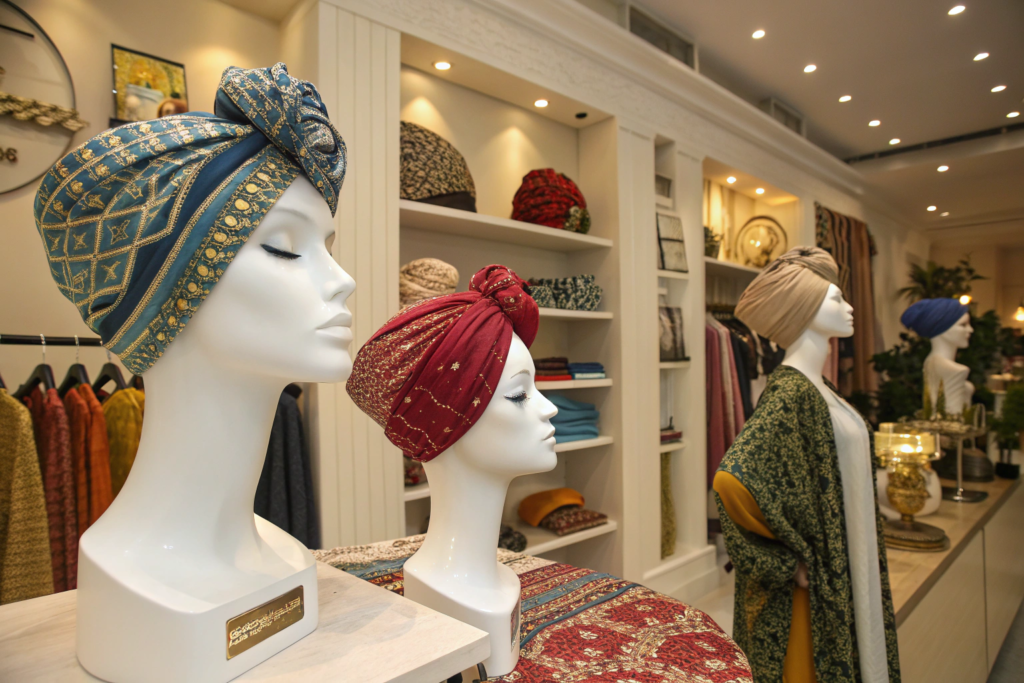
For businesses looking to source or collaborate within the modest fashion market, finding designers who specialize in turban designs can unlock a niche segment driven by cultural heritage, personal expression, and sophisticated style. You may find that mainstream accessory suppliers lack the specific cultural insight and design sensibility needed for this category.
Today's modest fashion turban designers are not merely creating head coverings; they are crafting wearable art that bridges cultural tradition and contemporary style, often as part of a broader vision for modest or culturally rooted fashion. They can be found across a spectrum, from established brands and retail collaborators to emerging design talents and artisans focused on specific heritage crafts.
Navigating this landscape requires understanding where these designers operate and how their work aligns with different business needs—from high-volume manufacturing to limited-edition, artisanal collections. Let's explore the key avenues for discovering these specialized designers and how to engage with their work.
What Are the Main Avenues for Finding Established Turban Designers?
Established designers in this space often operate through dedicated brands, major retail partnerships, or as featured talents within cultural institutions. These sources provide a direct line to proven concepts and market-ready designs.
Which Brands and Retailers Feature Turban Collections?
A primary avenue is through major online retailers that specialize in modest fashion. For example, Modanisa, one of the largest online platforms in this sector, has directly commissioned designers to create collections that include turbans. Turkish designer Raşit Bağzıbağlı designed a limited-edition capsule collection for Modanisa, which featured turbans as part of coordinated ensembles. This indicates that such retailers are active partners for designers working in this niche. Furthermore, looking at brands that focus on luxury modest wear can lead to designers like Hanan of Lusso Moda, whose work in modern abayas demonstrates a deep understanding of modest aesthetics that could extend to headwear design.
How Can Cultural and Exhibition Platforms Showcase Designers?
Museum exhibitions and institutional showcases are invaluable for discovering designers who treat the turban as a serious fashion and cultural artifact. The exhibition Contemporary Muslim Fashions, which featured Raşit Bağzıbağlı's work for Modanisa, is a prime example. Similarly, the archives of institutions like The Metropolitan Museum of Art highlight historical milliners like Sally Victor, who drew inspiration from global cultures, including India, for her turban designs. While these may be historical, they point to the enduring design legacy and can inform collaborations with contemporary designers who are reinterpreting these traditions. Following such exhibitions and their featured designers is a strategy for finding cutting-edge talent.
Who Are the Emerging and Independent Designers to Watch?
Beyond established platforms, the next generation of designers is emerging from fashion schools, independent labels, and artisan collectives. These creators often bring fresh perspectives, deep cultural ties, and a strong narrative to their work.
Where Can You Find Up-and-Coming Fashion Graduates and Independents?
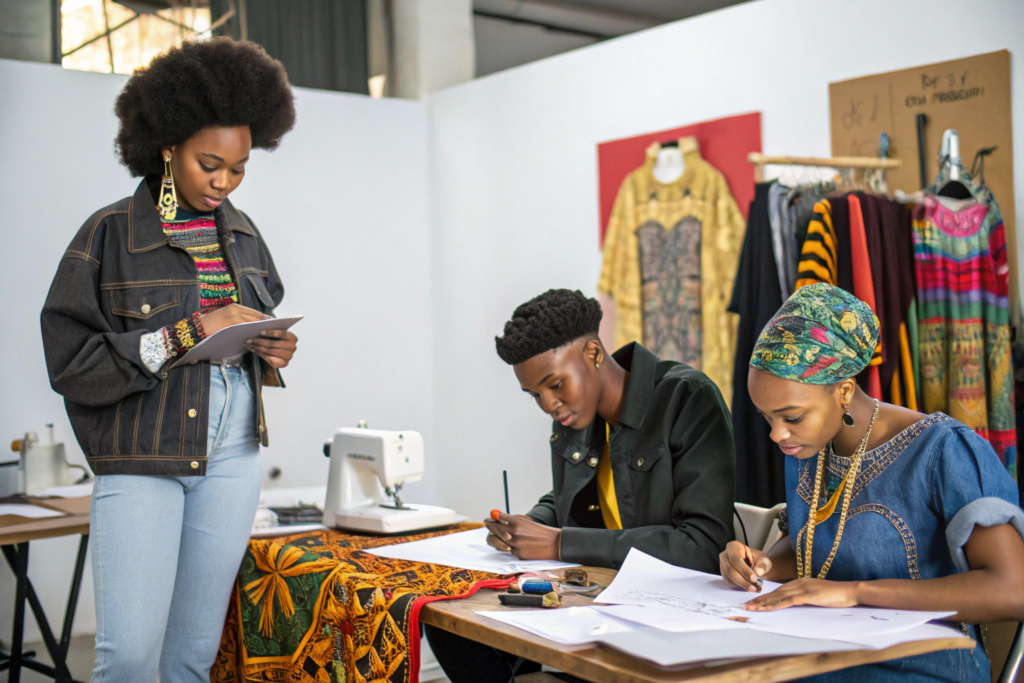
Fashion school graduate showcases are fertile ground for discovering new talent with a focus on modesty and cultural identity. Graduates like Khairina Sari Binte Ramlan (LASALLE College of the Arts) explore modest wear by redefining Islamic veiling, working with unconventional fabrics and silhouettes. Muna Mohamud (University for the Creative Arts) explicitly aims to blend Somali heritage with modern modest fashion. These emerging designers often seek industry partnerships to bring their concepts to market. Independent designers like Haifa Shamsan (Maysmode) start their own businesses to fill a gap in fashionable modest wear, often operating online and creating bespoke pieces. Engaging with them early can lead to unique co-creation opportunities.
What is the Role of Artisan-Designers and Craft-Based Labels?
A significant and growing segment consists of artisan-designers who are custodians of specific textile heritage. Platforms like the Lakmé Fashion Week in India have begun spotlighting "handcraft-designers" who work directly with ancestral techniques. For instance, designers specializing in Bandhani (tie-dye) or Ajrakh (woodblock printing) create fabrics inherently suitable for turbans and headwraps. Brands like Naranji, though not exclusively focused on headwear, build their entire identity on reclaiming South Asian and Middle Eastern cultural elements through vibrant, psychedelic patterns and fluid draping—aesthetic principles that translate directly to turban design. Partnering with such artisans or brands allows for the creation of pieces with unparalleled authenticity and story value.
How Do You Align Designer Collaboration with Business Strategy?
Identifying a designer is the first step; aligning their strengths with your commercial objectives is key to a successful partnership. The right fit depends on whether you seek scalable production, exclusive artistry, or brand narrative depth.

What Type of Designer is Best for Scalable Production and Retail?
If your goal is to supply major retailers or launch a larger collection, designers with experience in ready-to-wear production and retail collaborations are ideal. Look for profiles like Sarah Musa, a technical designer with experience at major fashion houses who aims to create a modest label, or designers who have already completed successful capsules for large retailers like Modanisa. Their understanding of sizing, production timelines, and commercial design is crucial. Similarly, entrepreneurs like Windri Widiesta Dhari, who runs a modest fashion business and understands sourcing and brand direction, can be valuable partners for developing a coherent product line.
When Should You Pursue an Artisanal or Concept-Driven Partnership?
For creating a high-end, limited-edition, or culturally resonant capsule collection, turning to artisan-designers or graduate talents is a powerful strategy. The handcraft-designers from India offer unique selling points rooted in sustainable practices and rare techniques. A graduate like Muna Mohamud offers a compelling narrative fusing Somali heritage with modern modest fashion. These collaborations may have smaller output but can significantly elevate brand perception, attract media attention, and connect with discerning consumer communities that value provenance and story. They are perfect for building brand prestige rather than volume.
What Are the Practical Steps to Engage with These Designers?
Moving from discovery to collaboration requires a targeted and respectful approach that recognizes the designer's creative vision and business context, fostering an environment where ideas can flourish while aligning with strategic goals. This transition involves active listening to the designer's insights, understanding their unique perspective on aesthetics, functionality, and user experience, and integrating those perspectives with the broader business objectives such as market positioning, brand identity, and customer satisfaction.

How Can You Proactively Discover and Connect?
- Monitor Key Platforms: Regularly check the online storefronts of major modest fashion retailers (like Modanisa) for collaborative collections. Follow the graduate showcases of prestigious fashion schools with diverse student bodies, such as LASALLE in Singapore or UCA in the UK.
- Engage with Artisan Networks: Research organizations that support artisan-designers, such as Somaiya Kala Vidya (SKV) in India, which educates craftspeople in design and business. Attending or following events like Lakmé Fashion Week can reveal new talents.
- Utilize Social Media Strategically: Use targeted Instagram or TikTok searches with hashtags like
#modestfashiondesigner,#turbanstyle,#hijabifashion, or specific craft tags like#ajrakhor#bandhani. This can surface independent designers and makers who are highly active in community engagement.
What Should a Productive Outreach Strategy Include?
When contacting a designer, especially an independent or emerging one:
- Demonstrate Genuine Knowledge: Reference specific elements of their work that resonate with your brand's goals (e.g., "I was impressed by your use of traditional Ajrakh printing in contemporary silhouettes").
- Define the Scope Clearly: Are you looking for a design consultation, a licensing agreement, a full collection co-design, or a manufacturing partnership? Be clear about what you bring to the table (e.g., production capacity, market access).
- Respect Their Vision: Frame the collaboration as a partnership that amplifies their creative voice within your commercial framework. This is particularly important when working with designers whose work is deeply tied to personal identity and cultural heritage.
Conclusion
Finding talented modest fashion turban designers requires looking beyond conventional accessory suppliers and into the specific ecosystems of modest fashion retail, cultural exhibitions, fashion education, and artisan networks. The landscape is diverse, ranging from designers who collaborate with large e-commerce platforms for scalable collections to artisan-designers and fashion graduates who offer unique cultural narratives and craft techniques.
The optimal partnership depends entirely on your business objectives: leverage designer-retailer collaborations and ready-to-wear experts for volume and speed, or partner with artisan-makers and narrative-driven emerging designers for exclusivity and brand elevation. Success lies in a targeted search strategy and an outreach approach that respects and seeks to amplify the designer's unique creative perspective.
For a manufacturing and sourcing partner like Shanghai Fumao Clothing, engaging with these designers represents an opportunity to inject profound cultural relevance and cutting-edge design into product lines. Our expertise in end-to-end production can provide the solid foundation needed to bring both scalable and artisanal turban designs to market with quality and efficiency. To explore how we can facilitate collaborations with modest fashion turban designers for your next collection, please contact our Business Director, Elaine, at elaine@fumaoclothing.com.