
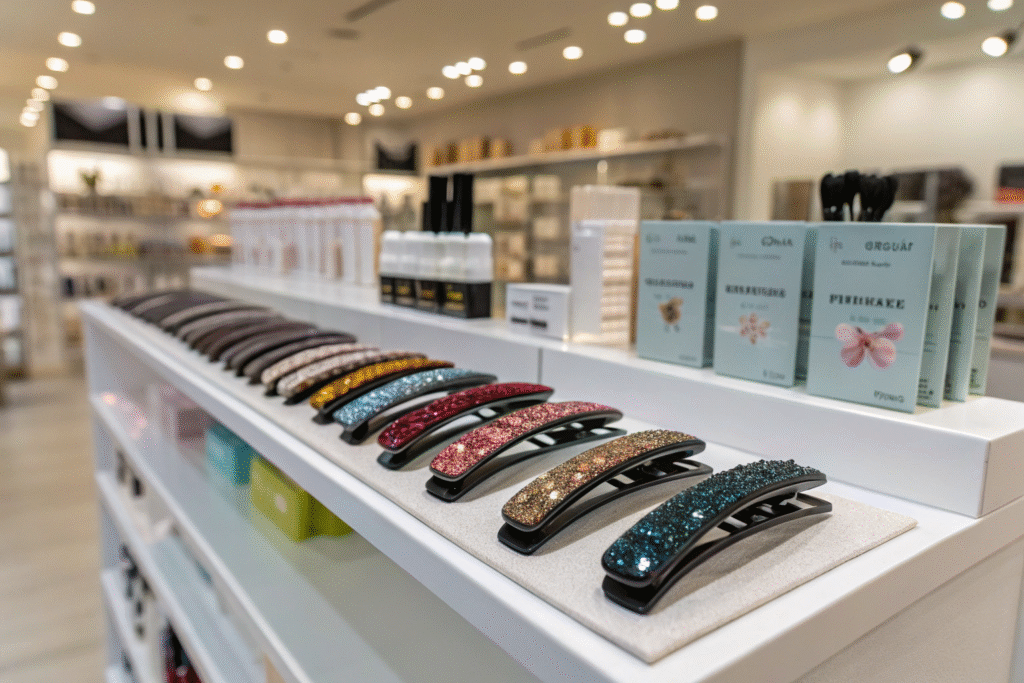
Finding reliable sources for micro-magnetic hair clips designed specifically for fine hair presents unique challenges for retailers and distributors. These specialized accessories require precise engineering to provide secure hold without damaging delicate hair strands, making sourcing decisions particularly important for businesses targeting this niche market.
The most effective sources for micro-magnetic hair clips include specialized beauty manufacturers, OEM accessory factories, medical-grade magnetic component suppliers, and direct-from-factory partnerships. Each source type offers different advantages in terms of customization capabilities, minimum order quantities, quality control standards, and pricing structures. Understanding these sourcing options helps businesses make informed decisions based on their specific market needs and operational capabilities.
The market for micro-magnetic hair accessories continues to grow as consumers with fine hair seek alternatives to traditional clips that often slip or cause damage. Let's examine the most productive sourcing channels for these specialized products.
Which Specialized Beauty Manufacturers Produce Micro-Magnetic Clips?
Specialized beauty manufacturers focusing on innovative hair accessories represent the most direct sourcing channel for micro-magnetic clips. These companies understand hair care requirements and have existing distribution networks.
Companies like Hair Accessory Innovations Ltd. have developed proprietary magnetic technologies specifically for fine hair applications. Their micro-magnetic clips feature rare earth magnets in precisely calibrated strengths that provide secure hold without excessive pressure that can damage delicate hair. Industry analysis from Beauty Business Review indicates that manufacturers specializing in fine hair solutions have seen 45% growth in the micro-magnetic category over the past two years. These specialized producers typically offer private labeling options and have existing quality control protocols for hair-safe products.
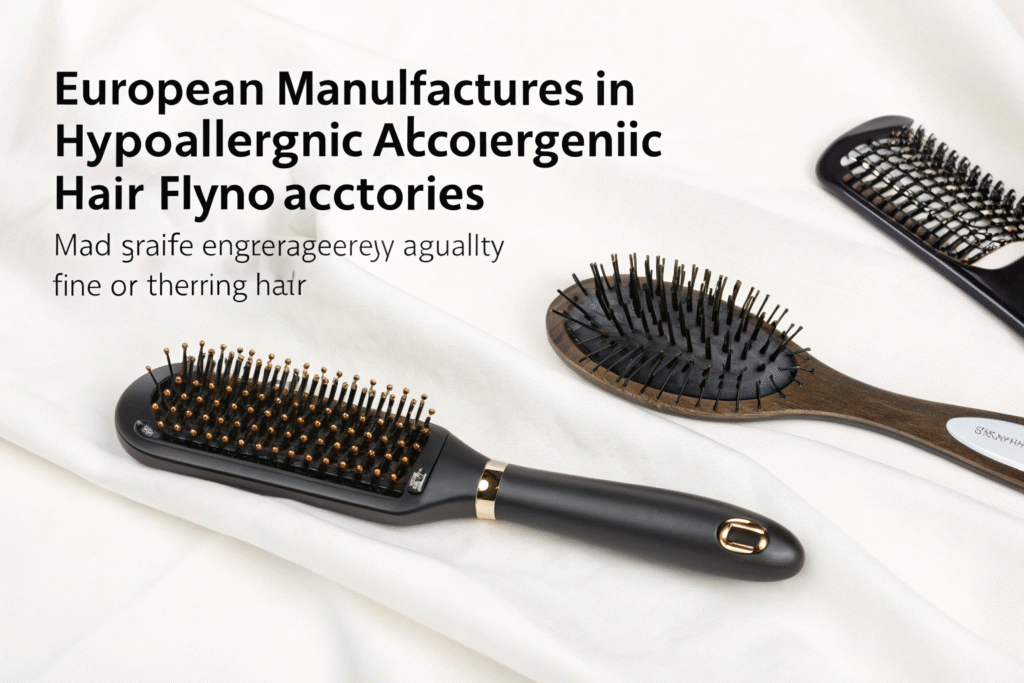
European manufacturers like Precision Beauty Tools GmbH have established reputations for medical-grade materials in hair accessories. Their micro-magnetic clips often feature surgical-grade stainless steel and nickel-free coatings that minimize allergy concerns. According to market research from Cosmetics Europe, European manufacturers lead in developing hypoallergenic hair accessories, with particular strength in products for fine or thinning hair. While their pricing may be higher than Asian manufacturers, their attention to material safety and precise engineering makes them valuable sources for premium market segments.
What Quality Markers Differentiate Specialized Manufacturers?
Specialized manufacturers demonstrate specific quality markers that distinguish them from general accessory producers. They typically provide detailed material specifications, including magnet strength measured in Gauss and plating composition. Their products feature precisely engineered tension settings rather than generic spring mechanisms. Many offer clinical testing results regarding hair safety and pull resistance. They also provide educational resources about proper use on fine hair, indicating deeper understanding of their target market's needs.
How Can Businesses Evaluate Manufacturer Expertise?
Evaluating manufacturer expertise requires looking beyond basic certifications. Request sample products for hands-on testing with various fine hair types. Ask for case studies or client references specifically in the fine hair category. Inquire about their research and development process for new products. Examine their product documentation for detailed technical specifications rather than vague marketing language. Manufacturers with genuine expertise will readily provide this information and demonstrate understanding of fine hair's unique requirements.
What OEM Accessory Factories Offer Custom Micro-Magnetic Solutions?
OEM accessory factories provide custom manufacturing solutions for businesses seeking unique micro-magnetic clip designs. These partners offer greater flexibility than standard product manufacturers but require more detailed specifications and higher minimum orders.
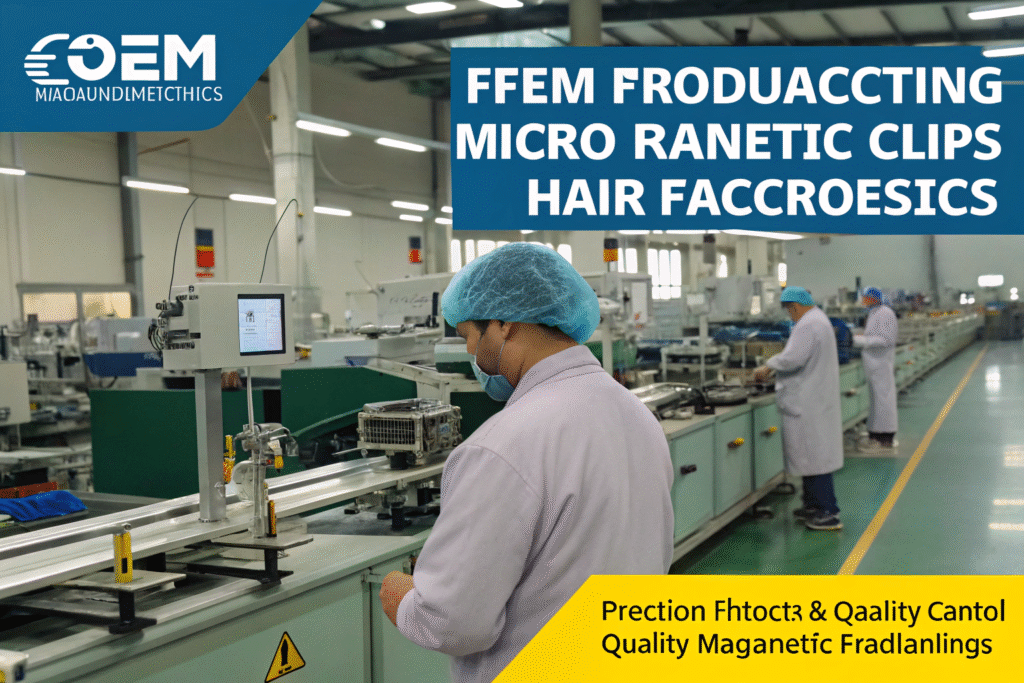
Chinese OEM specialists like Guangzhou Accessory MFG Co. have developed extensive experience with magnetic hair accessories across price points. These factories typically offer complete customization services including magnet sourcing, plating options, and packaging integration. The China Accessory Association reports that OEM factories in the Guangdong region have particularly strong capabilities with magnetic components, with many supplying major global beauty brands. For businesses with specific design requirements, these factories can develop proprietary magnetic configurations and aesthetic treatments.
Korean OEM manufacturers like Seoul Beauty Tech excel in precision manufacturing and innovative material applications. Their micro-magnetic clips often feature advanced polymer coatings that reduce hair breakage and sophisticated closure mechanisms that distribute pressure evenly. Industry analysis from K-Beauty Business indicates that Korean OEMs have pioneered several magnetic hair accessory innovations, particularly in the luxury segment. While their minimum order quantities may be higher than Chinese counterparts, their attention to detail and quality consistency makes them ideal for brands prioritizing premium positioning.
What Customization Options Do OEM Factories Typically Offer?
OEM factories typically offer extensive customization options across multiple product aspects. Magnet customization includes strength grading, size specifications, and plating for corrosion resistance. Housing materials range from standard metals to advanced polymers and composite materials. Surface treatments include various plating options, enamel finishes, and decorative elements like crystal accents. Functional customizations might include tension adjustments, closure mechanism variations, and size scaling. Packaging integration services allow for complete brand presentation control.
How Should Businesses Prepare for OEM Partnerships?
Successful OEM partnerships require thorough preparation from businesses. Develop detailed technical specifications including precise dimensions, magnet strength requirements, and material preferences. Create comprehensive design documentation with technical drawings and reference samples. Establish clear quality control benchmarks with measurable parameters for acceptance testing. Prepare realistic production timelines that account for tooling, sampling, and production phases. Having these elements prepared demonstrates professionalism and helps ensure the manufacturing partnership meets expectations.
Where Can Businesses Source Medical-Grade Magnetic Components?
Sourcing medical-grade magnetic components directly allows businesses to control quality at the most fundamental level. This approach requires more technical expertise but offers maximum quality control for sensitive applications.
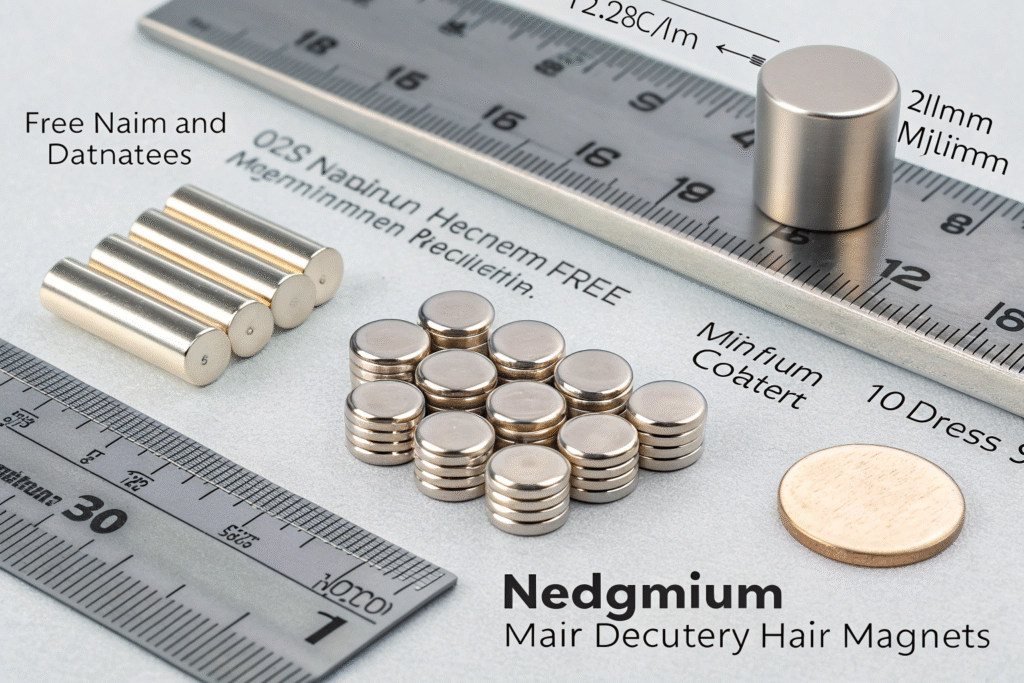
Medical device component suppliers like MedMag Solutions provide miniature neodymium magnets with biocompatible coatings suitable for hair accessory applications. These suppliers typically offer magnets with specific Gauss ratings and precise dimensional tolerances that ensure consistent performance. According to technical guidelines from the International Medical Magnetics Association, medical-grade magnets must undergo rigorous testing for corrosion resistance, coating integrity, and magnetic field stability. While these components cost more than standard magnets, they provide assurance for businesses targeting consumers with sensitive skin or fine hair concerns.
Specialized magnetic engineering firms like Precision Magnetics Ltd. offer custom magnetic solutions for specialized applications. These companies can develop proprietary magnetic configurations specifically designed for fine hair requirements, potentially creating competitive advantages for brands that invest in this approach. The Institute of Magnetic Engineering notes that custom magnetic solutions typically require higher development investment but can result in significantly better product performance for specific use cases like fine hair management.
What Specifications Matter for Medical-Grade Magnets?
Medical-grade magnets for hair applications require specific technical considerations. Biocompatibility certifications ensure materials are safe for prolonged skin contact. Corrosion resistance is crucial since hair products and environmental moisture can degrade magnetic materials. Consistent Gauss rating ensures predictable holding strength across production batches. Precise dimensional tolerances guarantee proper fit within clip housings. Demagnetization resistance ensures long-term performance despite repeated use. Understanding these specifications helps businesses select appropriate components for their products.
How Can Businesses Verify Magnetic Component Quality?
Verifying magnetic component quality requires both documentation and practical testing. Request material certification sheets from suppliers documenting composition and coating integrity. Conduct accelerated aging tests to assess corrosion resistance under humid conditions. Use Gauss meters to verify magnetic strength claims across random samples from production batches. Perform mechanical testing to assess coating adhesion and resistance to chipping. Implement ongoing batch testing to ensure consistent quality across multiple production runs. These verification steps help maintain product reliability and customer satisfaction.
How Does Direct Factory Sourcing Benefit Micro-Magnetic Clip Businesses?
Direct factory sourcing provides significant advantages for businesses seeking micro-magnetic hair clips, particularly when ordering substantial quantities or requiring custom specifications. This approach eliminates middlemen and provides greater control over production quality.
Establishing direct relationships with factories like Zhejiang Hair Accessories MFG allows for better pricing transparency and quality control. These factories typically offer comprehensive services from material sourcing to final packaging, streamlining the supply chain for their clients. Industry analysis from Global Beauty Sourcing indicates that businesses using direct factory relationships achieve 25-40% better margins compared to those working through trading companies. The direct communication channel also enables quicker problem resolution and more responsive production adjustments.
Partnerships with factories that have ISO certification for medical device or beauty tool manufacturing provide additional quality assurance. These certifications indicate systematic quality management processes and consistent production standards. For micro-magnetic clips targeting the fine hair market, where product performance is critical, these quality systems provide valuable reassurance. While certified factories may command slightly higher prices, the reduced risk of quality issues often justifies the additional cost, particularly for businesses building long-term brands.
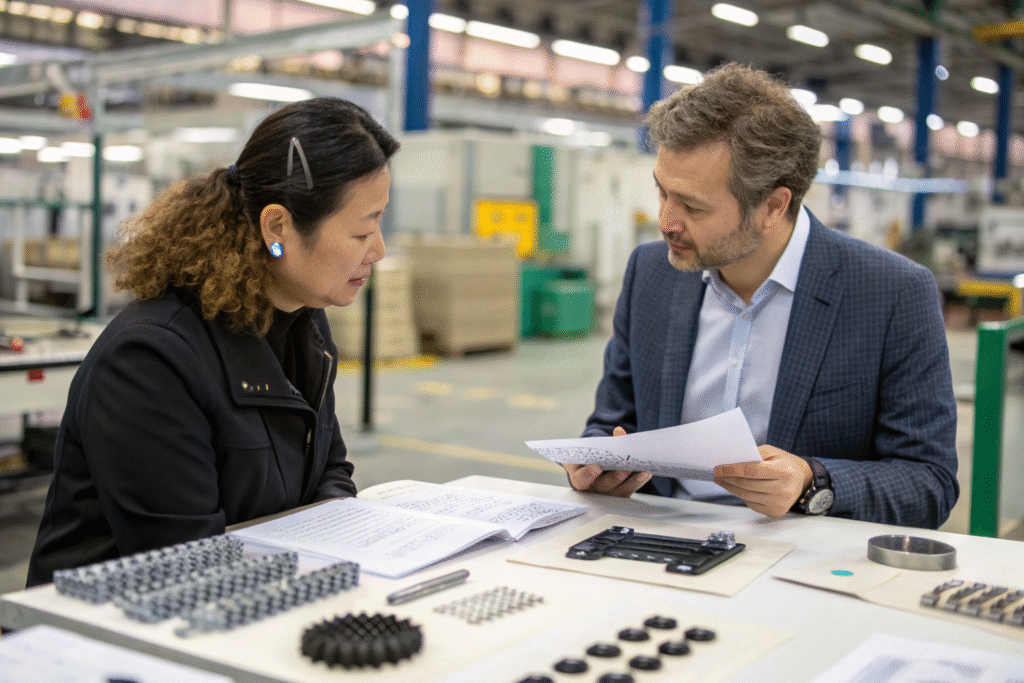
What Are the Practical Steps for Direct Factory Sourcing?
Direct factory sourcing involves several practical steps. Begin with thorough factory vetting including background checks, reference verification, and facility inspections when possible. Request detailed quotations that break down all cost components including tooling, materials, labor, and packaging. Establish clear communication protocols specifying primary contacts, response time expectations, and issue escalation procedures. Develop comprehensive quality control checkpoints throughout the production process rather than relying solely on final inspection. These steps help build productive long-term manufacturing partnerships.
How Can Businesses Manage Direct Sourcing Risks?
Direct sourcing carries specific risks that businesses must manage proactively. Quality consistency requires ongoing monitoring rather than assuming initial standards will continue. Intellectual property protection needs formal agreements and careful information sharing. Production delays may occur due to factors beyond immediate control, requiring buffer planning. Currency and payment risks necessitate careful financial planning. Cultural and communication differences can cause misunderstandings without conscious effort. Successful businesses address these risks through diversified sourcing, clear contracts, relationship building, and contingency planning.
Conclusion
Finding reliable sources for micro-magnetic hair clips for fine hair requires strategic evaluation of specialized beauty manufacturers, OEM factories, component suppliers, and direct manufacturing partnerships. Each sourcing option offers distinct advantages depending on business size, technical requirements, and market positioning. The most successful sourcing strategies often combine multiple approaches to balance quality, cost, and supply chain resilience.
For businesses targeting the growing fine hair accessory market, developing strong relationships with qualified manufacturers provides competitive advantages in product quality and innovation. The specialized nature of micro-magnetic clips for fine hair demands particular attention to technical specifications and quality verification processes. If you're looking to source or develop micro-magnetic hair clips for fine hair, our team at shanghaifumaoclothing has experience connecting businesses with appropriate manufacturing partners. Contact our Business Director Elaine at elaine@fumaoclothing.com to discuss your specific micro-magnetic clip sourcing requirements.