
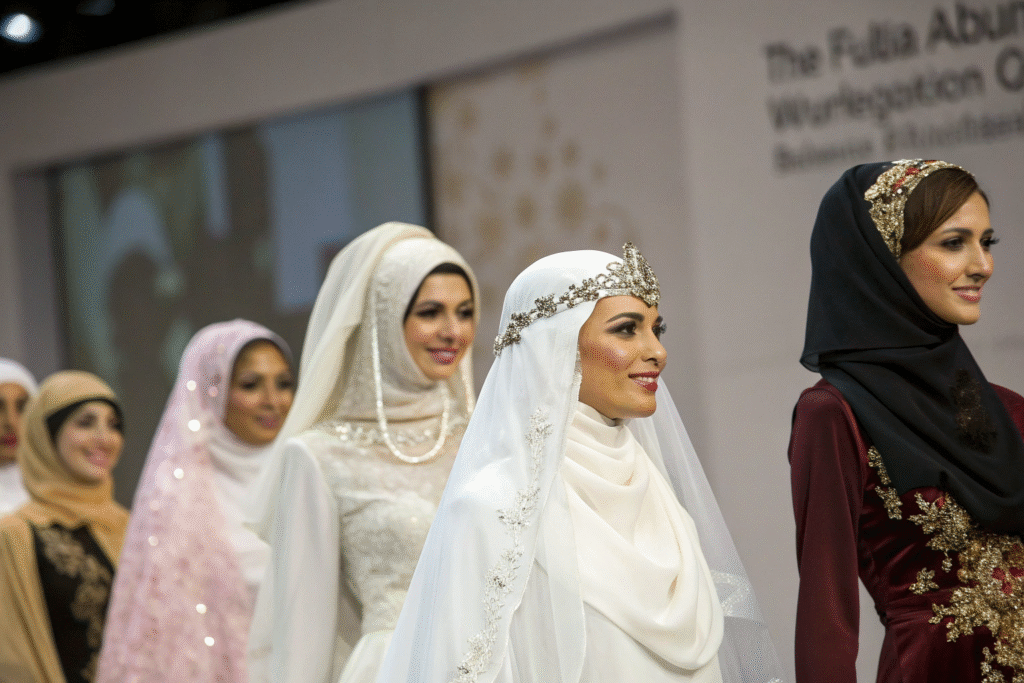
As the owner of HairAcc with extensive experience in global headwear markets, I've witnessed distinct regional variations in veil popularity across different cultures and fashion contexts. Veils serve multiple purposes ranging from religious observance to fashion statements, with their popularity deeply rooted in cultural traditions, religious practices, and evolving fashion trends.
Veils are generally most popular in Middle Eastern and Muslim-majority countries for religious and cultural reasons, Western countries for bridal and fashion purposes, South Asian regions for traditional ceremonies, and increasingly in global fashion markets as decorative accessories.The popularity and cultural significance of veils vary dramatically based on regional traditions, religious practices, and contemporary fashion influences.
The veil market continues to evolve as traditional practices intersect with modern fashion trends. Based on our experience supplying veils to diverse international markets, here's a comprehensive analysis of where veils maintain the strongest presence and why certain regions demonstrate higher demand.
Which Regions Show Strongest Demand for Religious Veils?
Religious veils represent a significant segment of the global veil market, with demand concentrated in specific geographical regions where veiling practices are tied to religious observance and cultural identity.
The strongest demand for religious veils comes from Middle Eastern countries, Southeast Asian Muslim communities, North African nations, and Muslim diaspora communities in Europe and North America, where veiling is practiced as an expression of faith and cultural identity.These markets demonstrate consistent, year-round demand driven by religious requirements rather than seasonal fashion trends.
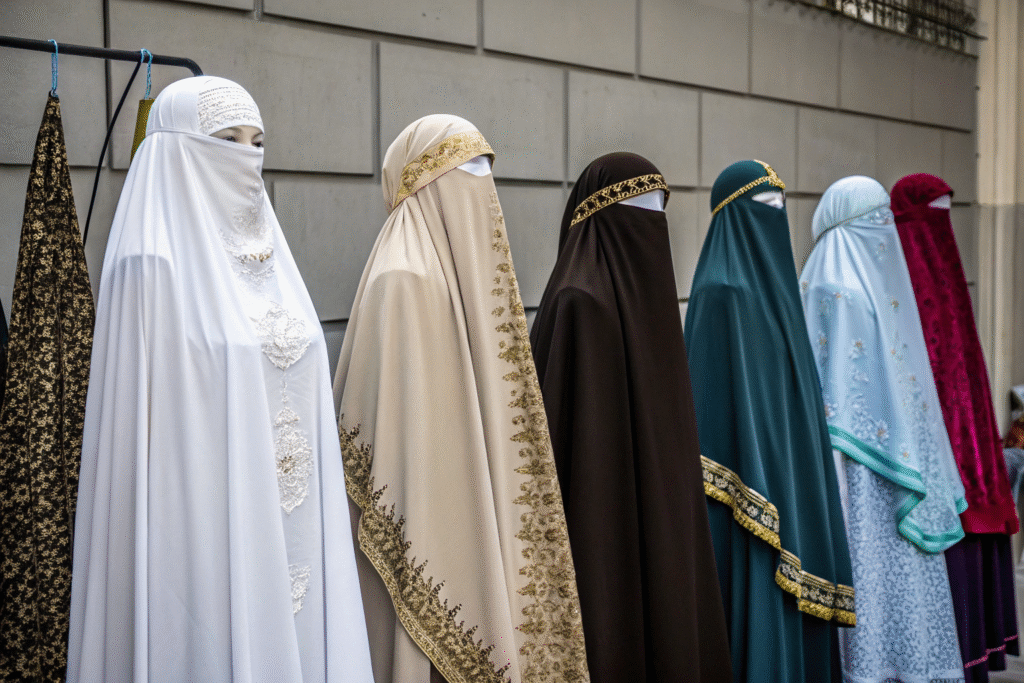
Why is Veil Popularity So Strong in Middle Eastern Countries?
Middle Eastern countries including Saudi Arabia, Iran, United Arab Emirates, and Egypt demonstrate exceptionally high veil popularity due to religious requirements and cultural traditions. In these regions, various forms of veiling—including hijabs, niqabs, and chadors—are worn daily by Muslim women as an expression of faith and modesty. The popularity extends beyond religious observance to become integrated with cultural identity and national dress codes in some countries. Our sales data shows consistent year-round demand from these markets, with particular peaks during Ramadan and Eid celebrations when women often purchase new veils for special occasions.
How Do Southeast Asian Muslim Communities Influence Veil Markets?
Southeast Asian countries with significant Muslim populations, particularly Indonesia and Malaysia, represent massive markets for veils and head coverings. While styles may differ from Middle Eastern traditions, the popularity of veiling remains strong as both religious expression and fashion statement. Indonesian and Malaysian women have developed distinct veil styles that incorporate local textiles and fashion sensibilities, creating a vibrant market that blends tradition with contemporary design. The sheer population size of these countries—with Indonesia having the world's largest Muslim population—makes this region crucial for veil manufacturers.
Where Are Bridal Veils Most Popular?
Bridal veils represent a separate category with distinct geographical popularity patterns driven by Western wedding traditions that have spread globally through cultural influence and media representation.
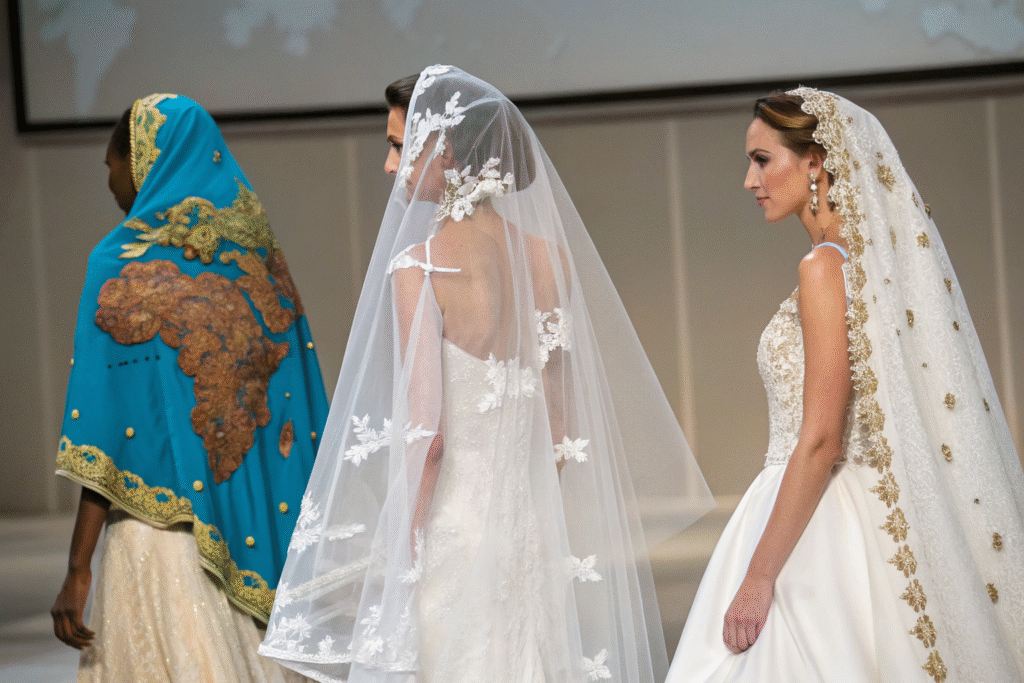
Bridal veils are most popular in Western countries including the United States, United Kingdom, Canada, Australia, and Western Europe, as well as countries heavily influenced by Western wedding traditions in Asia and Latin America.These markets experience seasonal demand aligned with wedding seasons and demonstrate specific style preferences based on regional fashion trends.
What Drives Bridal Veil Popularity in Western Countries?
Western countries maintain strong traditions of bridal veiling rooted in historical customs that have evolved into modern fashion statements. In the United States and Europe, bridal veils remain integral to traditional wedding attire, with approximately 65-75% of brides incorporating some form of veil into their wedding ensemble. The popularity varies by region within these countries, with more traditional areas showing higher adoption rates. Our manufacturing data indicates consistent demand for bridal veils across these markets, with particular strength in the United States where the wedding industry drives significant accessory sales.
How Has Western Bridal Veil Tradition Influenced Global Markets?
Western bridal veil traditions have significantly influenced wedding customs in Asian countries like Japan, South Korea, and the Philippines, where Western-style weddings have grown in popularity alongside traditional ceremonies. This cultural diffusion has created new markets for bridal veils in regions where they weren't traditionally part of local wedding customs. Similarly, in Latin American countries and among cosmopolitan urban populations worldwide, Western-inspired weddings have increased demand for bridal veils. This global influence represents a significant growth opportunity for veil manufacturers targeting international bridal markets.
Which Cultures Incorporate Veils in Traditional Ceremonies?
Beyond religious and bridal contexts, many cultures incorporate veils and veil-like coverings in traditional ceremonies, creating distinct regional markets with specific style requirements and seasonal demand patterns.
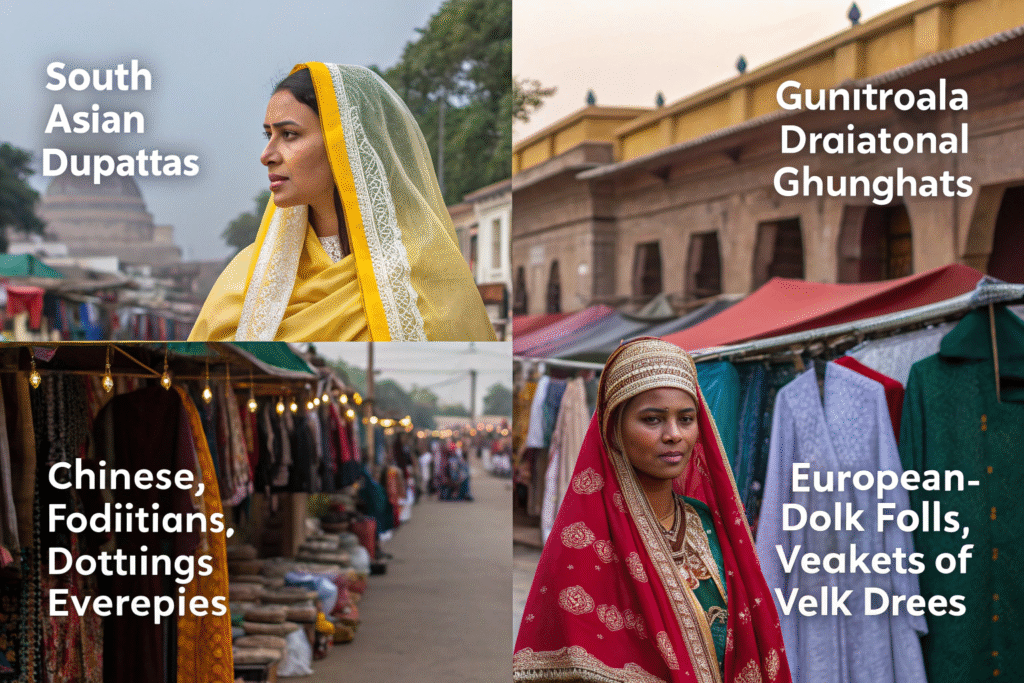
Various cultural traditions including South Asian dupattas and ghunghats, Chinese traditional headdresses, African cultural coverings, and European folk costumes maintain vibrant markets for ceremonial veils with deep cultural significance.These markets require understanding of specific cultural contexts and traditional design elements.
How Prevalent Are Veils in South Asian Traditions?
South Asian countries including India, Pakistan, and Bangladesh maintain strong veiling traditions through garments like dupattas, odhnis, and ghunghats. While not always covering the face, these drapery traditions serve similar symbolic functions to veils in other cultures. In India particularly, the dupatta remains an essential element of traditional salwar kameez and ghagra choli outfits, worn during weddings, festivals, and religious ceremonies. The scale of the South Asian population and the importance of these traditional garments create substantial markets for veil-like accessories, though styles and functions differ significantly from Western or Middle Eastern veiling practices.
What Other Cultural Traditions Incorporate Veiling?
Various cultural traditions worldwide incorporate veiling elements in ceremonial contexts. In Chinese traditional weddings, red veils have historical significance, though modern practice varies. Various African cultures incorporate head wrapping and veiling in traditional ceremonies, with specific styles indicating marital status, ethnic identity, or social position. European folk traditions in countries like Spain, Greece, and Eastern Europe include veil-like elements in traditional costumes for festivals and weddings. While these markets may be smaller than major religious or bridal segments, they represent important niche markets with specific design requirements and cultural sensitivities.
How is Fashion Influencing Global Veil Popularity?
Contemporary fashion trends have significantly influenced veil popularity beyond traditional and religious contexts, creating new markets and applications for veil-inspired accessories.
Fashion veils have gained popularity in global style centers including major European cities, fashion-forward Asian markets, and among celebrity and influencer circles, transforming veils from traditional coverings to fashion statements.This trend has created new market segments and design opportunities.
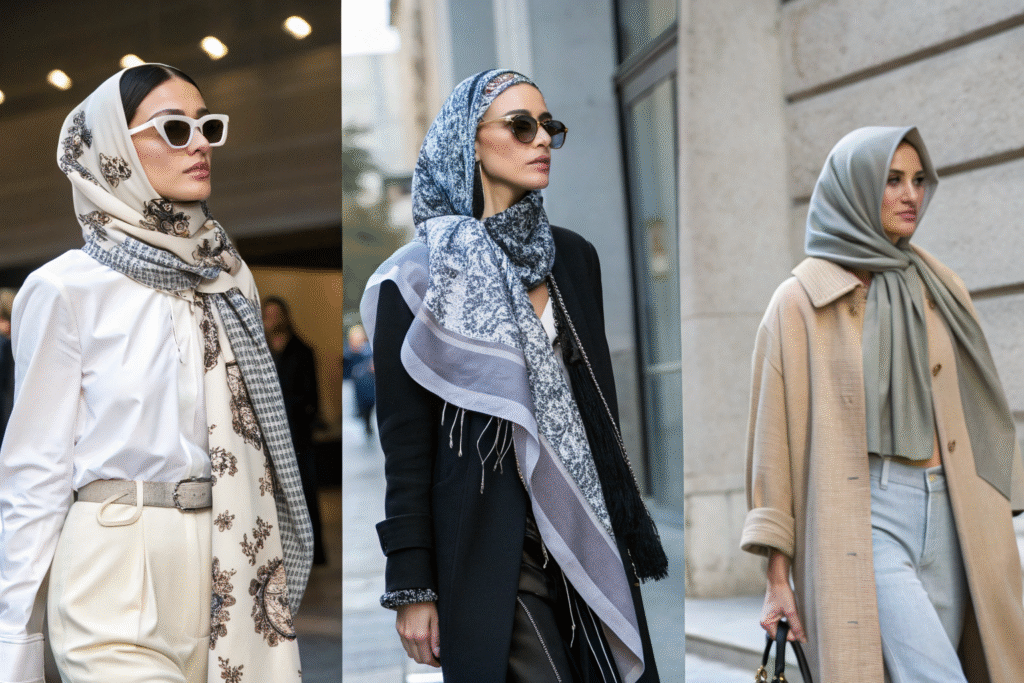
Where Are Fashion Veils Gaining Popularity?
Major fashion capitals including Paris, Milan, New York, and London have seen growing interest in veils as fashion accessories beyond their traditional contexts. High-fashion designers have incorporated veils into their collections, influencing broader fashion trends and creating demand for decorative veils as style statements rather than religious or ceremonial coverings. This trend has been particularly noticeable in recent years, with fashion veils appearing at major events, in editorial photography, and as part of avant-garde street style. Our design team has noted increasing requests for fashion-forward veil designs from boutiques in these style-conscious markets.
How Are Social Media and Celebrities Influencing Veil Trends?
Social media platforms and celebrity fashion choices have significantly impacted veil popularity in non-traditional markets. Influencers and celebrities wearing veils as fashion statements rather than religious coverings have introduced these accessories to new audiences. Platforms like Instagram and TikTok have enabled the rapid spread of veil-related fashion trends, particularly among younger consumers who may not have previous exposure to veiling traditions. This digital influence has created global demand for veil-inspired accessories that can be adapted to personal style rather than traditional requirements, representing a significant growth area for innovative designers.
Conclusion
Veil popularity demonstrates distinct geographical patterns rooted in religious practices, cultural traditions, and evolving fashion trends. The strongest markets remain regions with significant Muslim populations where veiling is practiced as religious observance, followed by Western countries with strong bridal traditions. However, the influence of global fashion and digital media is creating new markets and applications for veils beyond their traditional contexts. Understanding these regional variations and evolving trends is crucial for manufacturers and retailers targeting the diverse global veil market.
If you're seeking manufacturing partners for veils targeting specific regional markets or cultural contexts, we invite you to contact HairAcc to discuss your specific requirements. With our experience supplying veils to diverse international markets and understanding of regional preferences, we can help you develop veil collections that respect cultural traditions while incorporating contemporary design elements. Reach out to our Business Director Elaine at elaine@fumaoclothing.com to explore how we can create veils for your target markets.