
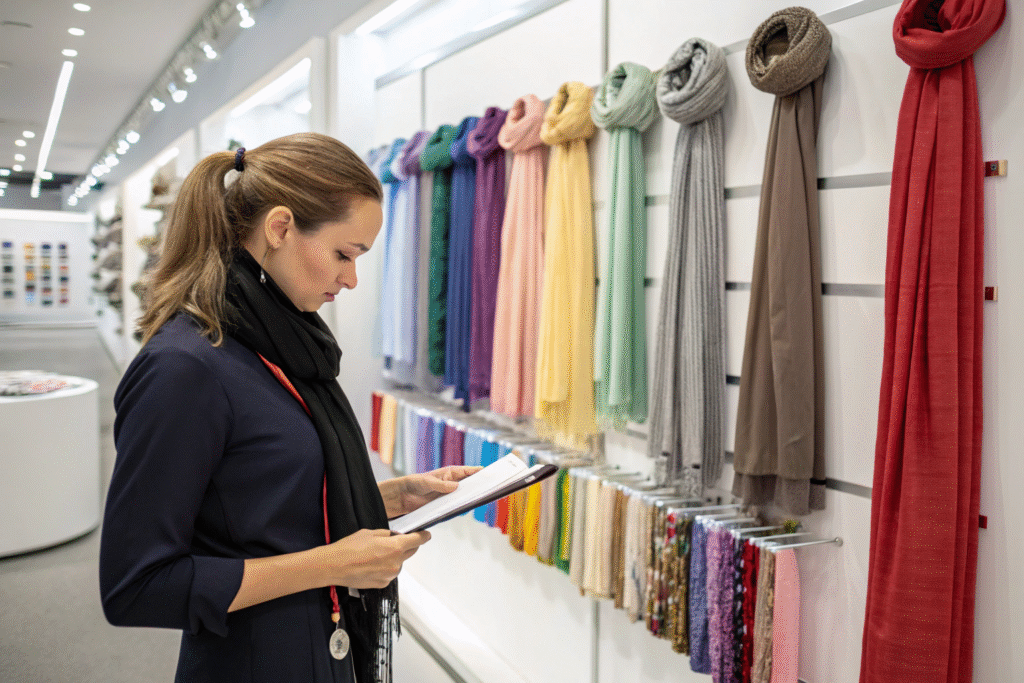
You're browsing for new hair accessories to stock, and your cursor hovers between two popular categories: headscarves and headbands. They both adorn the head, but your seasoned buyer's eye tells you they serve different market segments and occasions. Choosing the right mix for your inventory is crucial for maximizing sales and meeting your diverse customers' needs. Understanding their core differences is the first step to making informed purchasing decisions that will set your collection apart.
The fundamental difference lies in their construction and coverage. A headband is a rigid or semi-rigid loop worn around the head to hold hair back, offering a focused, functional accent. In contrast, a headscarf is a larger, versatile piece of fabric that is wrapped or tied around the head, often covering more hair and sometimes the neck, making a bolder fashion statement.While both are staples in the world of hair accessories, they cater to distinct styles, functions, and customer preferences. Knowing these distinctions ensures you source the right products for your target audience, whether they seek everyday practicality or expressive, trend-driven pieces.As a leading wholesale manufacturer of hair accessories, shanghaifumaoclothing https://shanghaiGarment.com specializes in both headscarves and headbands.
Let's unravel the specifics of each accessory, from their design and materials to their unique market appeal. This knowledge will empower you to curate a more targeted and profitable wholesale inventory.
What are the key design features of a headscarf?
Headscarves are defined by their versatility and the statement they make. For a buyer like you, who values quality and development capacity, understanding the construction of a headscarf is key to sourcing superior products. A headscarf is, at its core, a square or triangular piece of fabric. Its value comes from the material, print, and the myriad of ways it can be styled, from a classic top knot to a sophisticated turban.
The primary function of a headscarf is style and coverage. It can be used to cover all or most of the hair, make a bold fashion statement, or even serve practical purposes like protecting hair from the elements. From a wholesale perspective, headscarves offer high margin potential due to their strong ties to fashion trends and seasonal collections. They appeal to customers looking for a transformative accessory, often purchased for specific outfits or occasions.
How does material choice impact a headscarf's appeal?
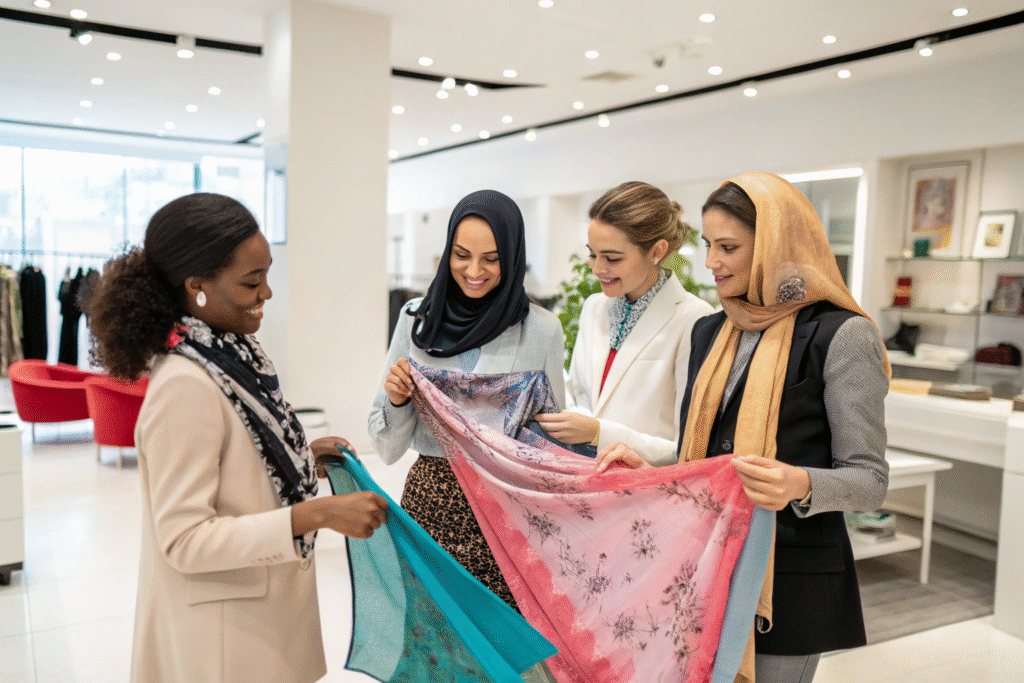
The material is the soul of a headscarf. It dictates the drape, the feel, and the perceived value. For your customers, the right fabric can be the difference between a one-time purchase and a loyal repeat buyer. We use a variety of materials to cater to different market demands, ensuring each piece meets high-quality standards.
Silk and satin headscarves offer a luxurious sheen and are highly sought after for premium and gift markets. They are smooth against the skin and are often associated with high-fashion looks. Chiffon and viscose blends provide a lightweight, airy feel, perfect for bohemian and seasonal styles. For everyday wear and more vibrant printing, cotton and polyester are durable, cost-effective, and allow for sharp, long-lasting patterns. Our material selection process is rigorous, and we work closely with our partner dyeing and printing factories to ensure color fastness and consistent quality, which is a critical part of our quality control.
What are the popular styling options for headscarves?
The versatility of a headscarf is its biggest selling point. When you stock headscarves, you are essentially offering multiple products in one. Demonstrating these styles through marketing imagery can significantly boost sales. We provide style guides to our wholesale partners to help them educate their end customers.
The classic wrap-and-tie under the chin is a timeless, elegant look. The pirate style or bandana knot at the back of the head is a trendy, casual option. For a more sophisticated appeal, the turban style, which involves elaborate wrapping and tucking, is popular. It's also common to use a smaller headscarf as a hair accessory tied around a ponytail or bun. This adaptability makes the headscarf a powerful inventory item, as it can cross over from a hair product to a neckwear accessory, increasing its perceived value and utility for the end-user. Enhance your inventory with our customizable options: custom print headscarves, bulk branded headscarves, free styling guide downloads.
How is a headband functionally and stylistically distinct?
Headbands are the workhorses of the hair accessory world, prized for their practicality and consistent demand. While a headscarf makes a statement, a headband offers a solution. Its design is straightforward: a band that encircles the head. However, within this simplicity lies a world of variation in width, material, and mechanism that caters to a vast consumer base, from children to professionals.
The primary function of a headband is to manage hair. It keeps hair away from the face, manages flyaways, and can absorb sweat during physical activity. Stylistically, it serves as a focused accent. For you as a bulk buyer, headbands represent a stable, high-volume product category. They are everyday essentials with lower price points that encourage multiple purchases, and their compact size makes them cost-effective to ship and store.
What are the main types of headbands available?
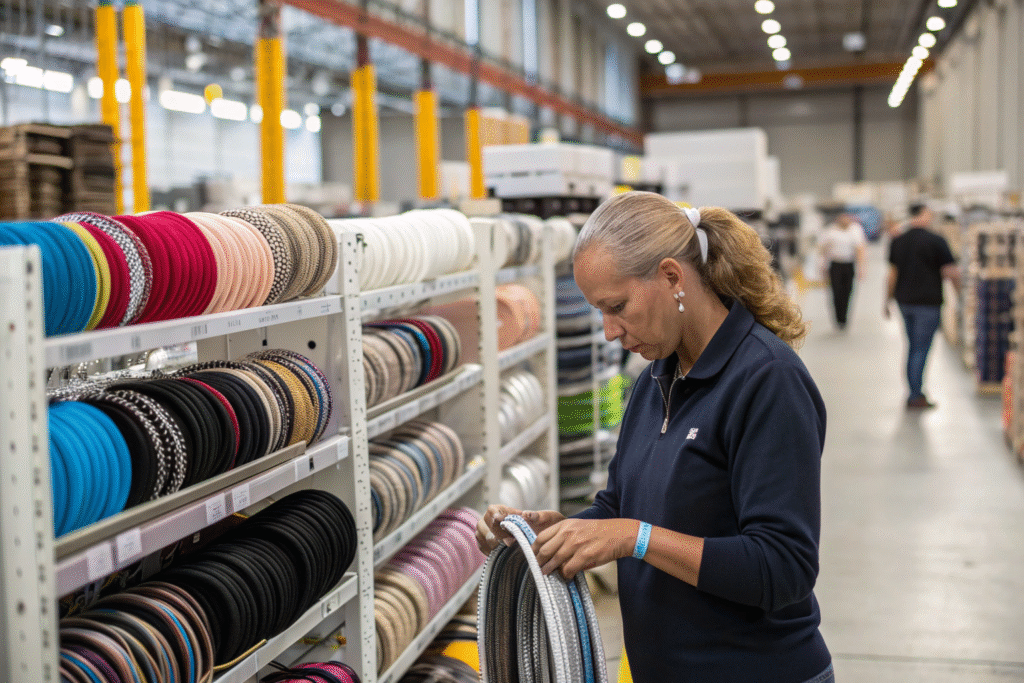
Understanding the different types of headbands is crucial for a well-rounded inventory. Each type serves a slightly different purpose and appeals to a unique customer segment. We have extensive experience in producing all these variants, ensuring both style and comfort.
The classic plastic or metal wire headband is adjustable and offers a secure fit, ideal for fine hair. Wide headbands, often made from fabric like velvet or cotton, are a major fashion trend and provide maximum impact and hold. Elastic headbands, including the popular scrunchie headband, are easy to slip on and are comfortable for all-day wear. For athletic purposes, sweatbands made from terry cloth or moisture-wicking materials are essential. This diversity allows you to target multiple niches, from fashion-forward teens to fitness enthusiasts, with a single product category.
Why is comfort a critical factor in headband design?
A beautiful headband that causes a headache is a guaranteed return or a lost customer. Comfort is not a secondary feature; it is a primary engineering challenge in headband design. At our factory, we address this through meticulous material selection and structural design.
We use soft, flexible materials and padded inner linings for wide headbands to distribute pressure evenly. The tension of the band is carefully calibrated—strong enough to hold hair but not so tight as to cause discomfort. For elastic bands, we source high-quality elastics that retain their stretch over time without becoming loose or constricting. Our quality control team specifically tests for comfort and durability, ensuring that the products we ship meet the expectations of your discerning customers, which directly protects your brand's reputation and reduces returns.
Which accessory offers more versatility for retailers?
Versatility in a product means more selling opportunities and a higher return on inventory investment. Both headscarves and headbands offer versatility, but they do so in different ways. For a retailer, the choice isn't about which one is "better," but about which one aligns with your brand identity and customer purchasing behavior. A diverse inventory that includes both is often the most successful strategy.
A headscarf's versatility is in its transformative power. One square of fabric can be a hair accessory, a neckerchief, a bag accent, or even a pocket square. This "multiple-products-in-one" feature is a strong unique selling proposition. A headband's versatility lies in its application across different lifestyles. The same customer might buy a thin, elegant headband for the office, a wide velvet one for a party, and a sweatband for the gym. It's about covering multiple use-cases for the same person.
How can headscarves drive higher average order value?
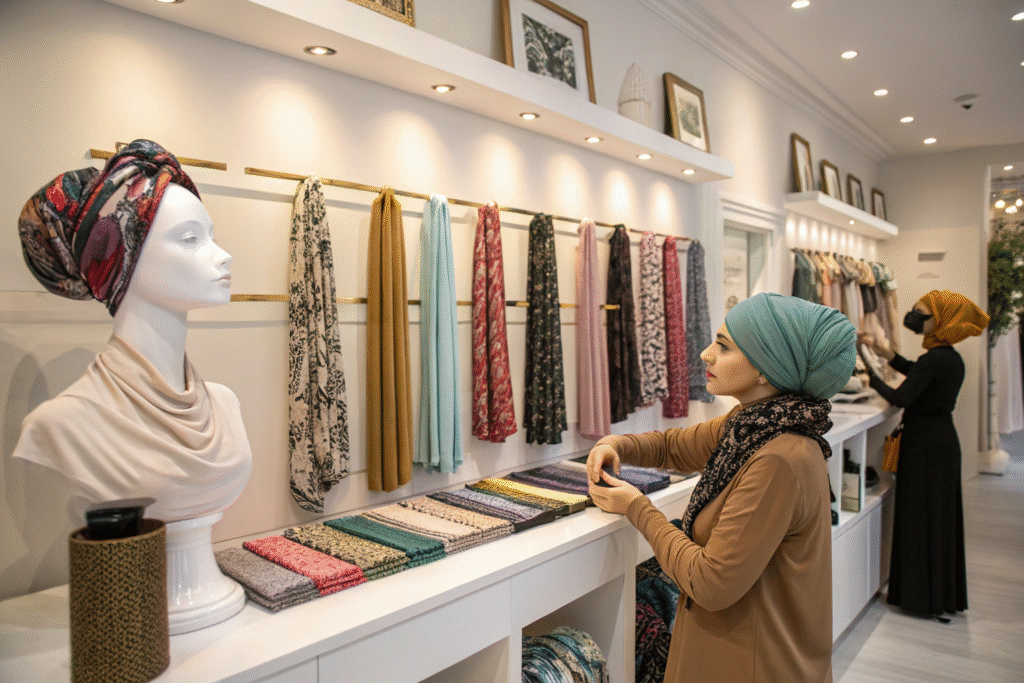
Headscarves have a unique potential to increase the average spend per customer. Their nature as a fashion-forward item allows for bundling and higher pricing, especially when made from premium materials. This is a significant advantage for your e-commerce or brick-and-mortar sales.
Because of their larger surface area, headscarves are often a focal point of an outfit. This allows you to market them as a premium product, especially if they feature unique prints, silk material, or designer collaborations. You can create themed bundles, such as a "Summer Boho Kit" with a chiffon headscarf and a matching tote bag. Furthermore, their versatility as a multi-use item justifies a higher price point in the eyes of the consumer, as they feel they are getting more value. This directly impacts your profitability and helps differentiate your store from competitors focused solely on low-price, basic items.
How do headbands ensure consistent sales volume?
While headscarves can drive value, headbands are champions of volume and consistent cash flow. They are the reliable, evergreen products that keep customers coming back. For online stores and supermarkets, this predictability is invaluable for inventory planning and revenue forecasting.
Headbands are often purchased in multiples. A customer finds a style they like, and they buy it in several colors. They are also subject to wear and tear, loss, and changing trends, leading to repeat purchases. As a basic necessity, their demand is less susceptible to economic fluctuations compared to more discretionary fashion items like decorative headscarves. By offering a wide range of headband styles, from basic bobby pins and claw clips to trendy wide bands, you can capture a steady stream of sales from a broad audience, ensuring a solid foundation for your business upon which to build more trend-driven collections.
How to choose between headscarves and headbands for your business?
The final decision on how to balance your headscarf and headband inventory shouldn't be guesswork. It should be a strategic choice based on a clear understanding of your target market, sales channels, and operational strengths. Aligning your product mix with your business model is the key to optimizing your investment and maximizing your ROI.
You need to analyze your customer demographics, your brand's positioning, and your logistical capabilities. A high-fashion boutique will have a different product mix than a large-scale supermarket or an e-commerce store targeting fitness enthusiasts. The good news is that, as a manufacturer, we provide the flexibility to support any of these strategies, from small initial orders with low MOQs to large-scale production runs.

What questions should you ask about your target market?
Your customers hold the answers. Before placing your next wholesale order, take a moment to deeply analyze who you are selling to. This will directly inform whether you should prioritize headscarves, headbands, or a balanced mix between the two.
Ask yourself: What is the average age of my customer? Are they trend-driven followers of fashion, or are they seeking practical, everyday solutions? What is their price sensitivity? For instance, a younger, style-conscious audience on TikTok might respond better to the visual appeal of headscarves, while a broader audience on Amazon might seek the practicality of headbands. Also, consider the occasion. Are your customers buying for special events, weddings (where veils and hair chains also shine), or for daily wear? The answers will create a clear roadmap for your purchasing strategy.
How can a supplier help you navigate this choice?
A true partner in manufacturing does more than just produce goods; they provide guidance and solutions. Your choice of supplier can significantly impact your ability to pivot between these product categories efficiently and cost-effectively. This is where our comprehensive service model provides a distinct advantage.
We offer end-to-end support to reduce your risks. You can start with small custom design orders to test the market for a new headscarf print or headband style without a massive financial commitment. Our development team can advise on which materials and constructions are performing best in different markets, from Europe to the US. We handle the entire process, from material sourcing and production to quality control and shipping, ensuring you receive products that are on-trend, high-quality, and delivered on time, allowing you to focus on selling and growing your business.
Conclusion
In the vibrant world of hair accessories, both headscarves and headbands hold essential but distinct roles. Headscarves stand out as versatile, fashion-forward pieces that make a bold statement and offer multiple styling possibilities. Headbands, on the other hand, are the reliable foundation of any accessory line, prized for their functionality, comfort, and consistent, high-volume demand. A successful retail strategy doesn't force you to choose one over the other but empowers you to blend both into a curated collection that meets all your customers' needs.
Understanding these differences allows you to make smarter, more profitable sourcing decisions. By partnering with a manufacturer that grasps these nuances, you can build a resilient and appealing product portfolio. To explore our full wholesale catalog, request bulk pricing, or discuss custom headscarf/headband development, visit shanghaiGarment.com’s hair accessories wholesale hub.
To discuss how we can help you develop and produce your own successful line of hair accessories, please contact our Business Director, Elaine, at elaine@fumaoclothing.com. Let's create something beautiful together.