
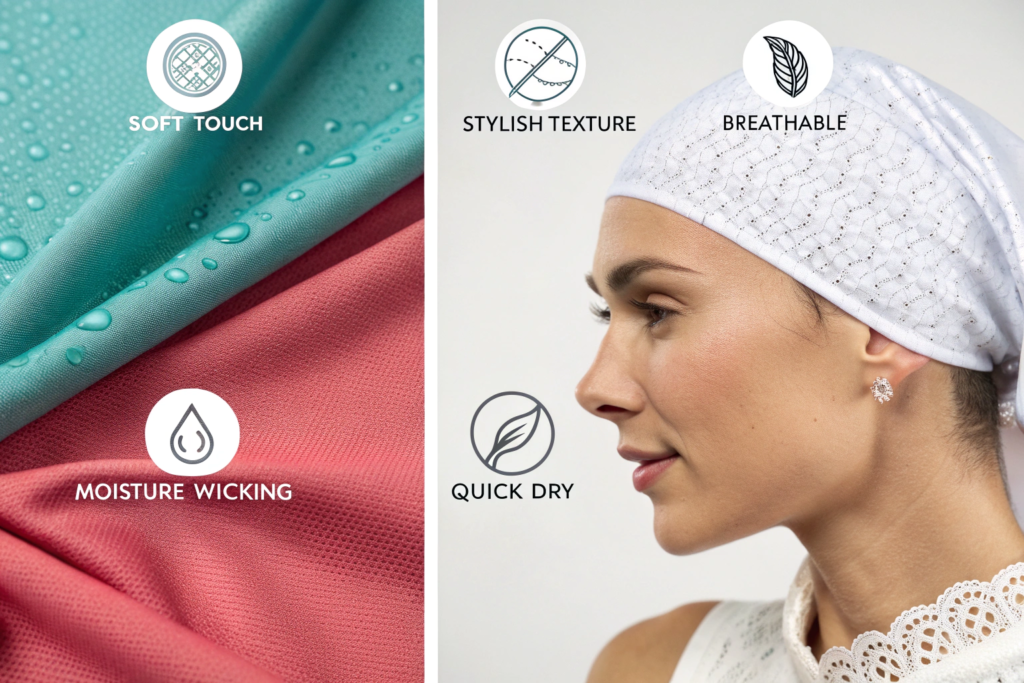
The head wrap market is not monolithic. Success lies in understanding that distinct materials dominate different segments, primarily driven by the end-use: high-performance sports and activewear, or fashion-driven daily wear and styling. The most commercially successful materials are not universally "the best," but rather those that excel in their specific category by meeting precise consumer demands for function, aesthetics, or a blend of both.
For the sports and activewear segment, performance-driven synthetic materials like advanced polyester Dri-FIT, microfiber, and COOLMAX are top sellers, prized for their moisture-wicking and durability. For the daily wear and fashion segment, a wide range of materials sells, with seasonal trends heavily favoring natural fibers like silk and cotton, along with textured materials like crochet, lace, and knit fabrics.
Ignoring this segmentation is the most common mistake. A consumer running a 10K has fundamentally different needs from someone looking for a chic accessory for brunch. The following analysis breaks down the winning materials for each major market, providing actionable insights for your wholesale and development strategies. As a manufacturer like Shanghai Fumao Clothing, aligning your material sourcing with these distinct lanes is key to capturing market share.
Which technical fabrics dominate the sports and activewear market?
In the sports segment, material choice is purely functional. The goal is performance enhancement: keeping sweat out of the eyes, staying cool, and ensuring the accessory stays securely in place during intense movement. Here, engineered synthetic fabrics reign supreme due to their unmatched technical properties.
The benchmark is set by branded performance fabrics like Nike's Dri-FIT, which is a specialized polyester designed for superior sweat absorption and rapid evaporation. Similar high-performance options include fabrics made from COOLMAX or COOLPLUS yarns, which are types of polyester microfiber engineered for exceptional moisture management. These materials often feature micro-porous structures that increase breathability and are woven using seamless or flat-lock stitching to prevent chafing during prolonged wear. The market success of products like the Nike Pro Dry Headwrap demonstrates that consumers in this category are willing to pay a premium for proven, branded technical materials that deliver on their promises of comfort and reliability.
Why do performance synthetics outperform natural fibers for sports?
Natural fibers like cotton are absorbent but have a critical flaw: they retain moisture. A cotton headband becomes heavy, soggy, and can cause chafing and skin irritation when saturated with sweat. In contrast, advanced polyesters and microfibers are hydrophobic—they pull moisture away from the skin to the fabric's surface where it can evaporate quickly, a process known as "wicking." This keeps the wearer drier and more comfortable. Furthermore, these synthetics offer superior shape retention and durability, maintaining elasticity and appearance through repeated washes and intense use, whereas cotton can stretch out and degrade faster.
What are the key purchasing drivers in the sports accessory segment?
Beyond basic function, sports consumers prioritize fit, comfort, and brand trust. Products with thoughtful design details, such as wider bands for full forehead coverage and adjustable closures (like velcro) for a personalized fit, see higher adoption. There's also a strong visual component; colors like coral pink and glacier blue are noted as popular, indicating that even in performance gear, aesthetics play a role in the purchasing decision. Finally, the presence of reputable brands like Nike, Adidas, and Under Armour provides assurance of quality and performance, making them dominant players in this segment. For wholesalers, partnering with manufacturers capable of working with or replicating the quality of these technical fabrics is crucial.
What materials and trends lead the fashion and daily wear segment?
The fashion head wrap market is driven by aesthetics, seasonality, and the desire for personal expression. Material choice here is less about physical performance and more about look, feel, and the statement it makes. This segment is more fragmented and trend-sensitive, with materials cycling in popularity.
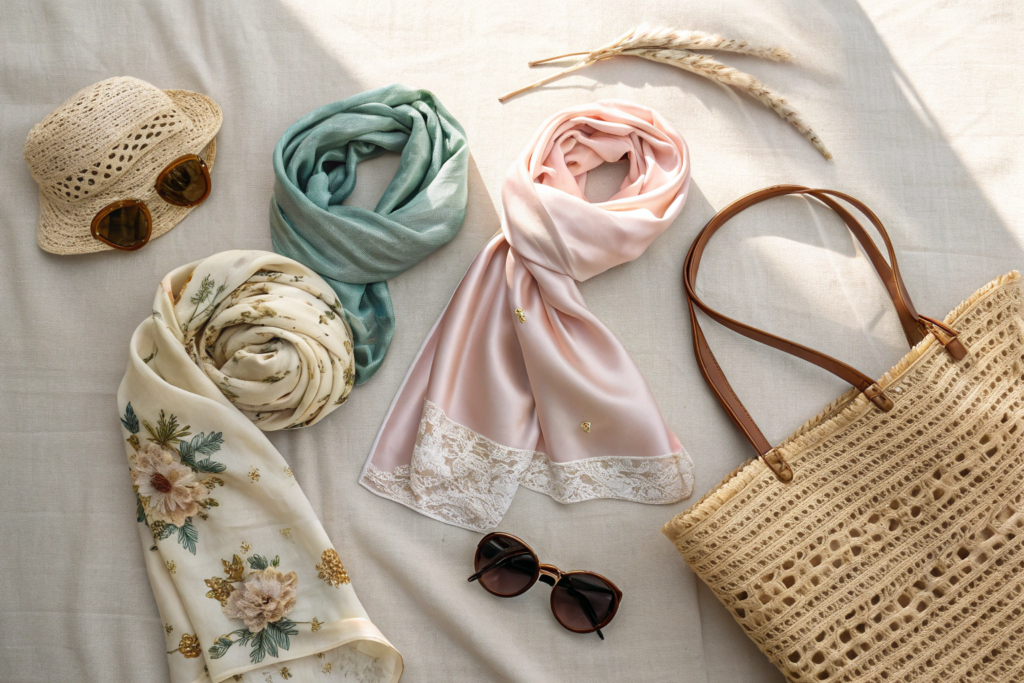
Several key materials are consistently strong performers or are currently trending. Silk is a perennial favorite for its luxurious drape, smooth hand-feel, and elegant sheen, making it ideal for sophisticated or retro-inspired looks. Cotton (including cotton blends with spandex for stretch) remains a staple due to its breathability, softness, and excellent printability for patterns and colors. Most notably, textured and artisanal materials have seen a massive surge. Crochet or knitted fabrics are highlighted as a major trend for 2025, offering a bohemian, vintage, and handmade aesthetic. Similarly, lace is praised for adding a romantic, feminine, and delicate touch to outfits. The popularity of these textured materials underscores a broader consumer desire for unique, tactile accessories that stand out.
Why are crochet and textured materials currently so popular?
The rise of crochet, lace, and knit head wraps is part of a larger macro-trend towards "craft core," nostalgia, and individuality. In contrast to mass-produced, smooth synthetics, these materials convey a sense of artisan craftsmanship, personal effort, and retro charm. They align perfectly with social media-driven aesthetics like "cottagecore" or "grandmacore," where authenticity and coziness are valued. Furthermore, their inherent texture and visual interest make them highly photogenic and effective as a statement piece to elevate a simple outfit, which is a key consideration for fashion-conscious consumers.
How do patterns and customization influence fashion sales?
In the fashion segment, the material is often just the canvas. Patterns are a primary sales driver. Florals, geometric prints, polka dots, and bold graphics are consistently popular. The ability to offer customization—whether through unique prints, custom colors, or private-label branding—adds significant value for retailers looking to differentiate. Success stories from retailers note that offering a wide variety of patterns, from "strawberry prints" to "retro waves," directly correlates with increased customer traffic and sales volume. This indicates that for fashion wholesalers, a diverse and trend-responsive pattern library across key materials (silk, cotton, viscose) is as important as the base fabric itself.
How should you strategically select materials for different markets?
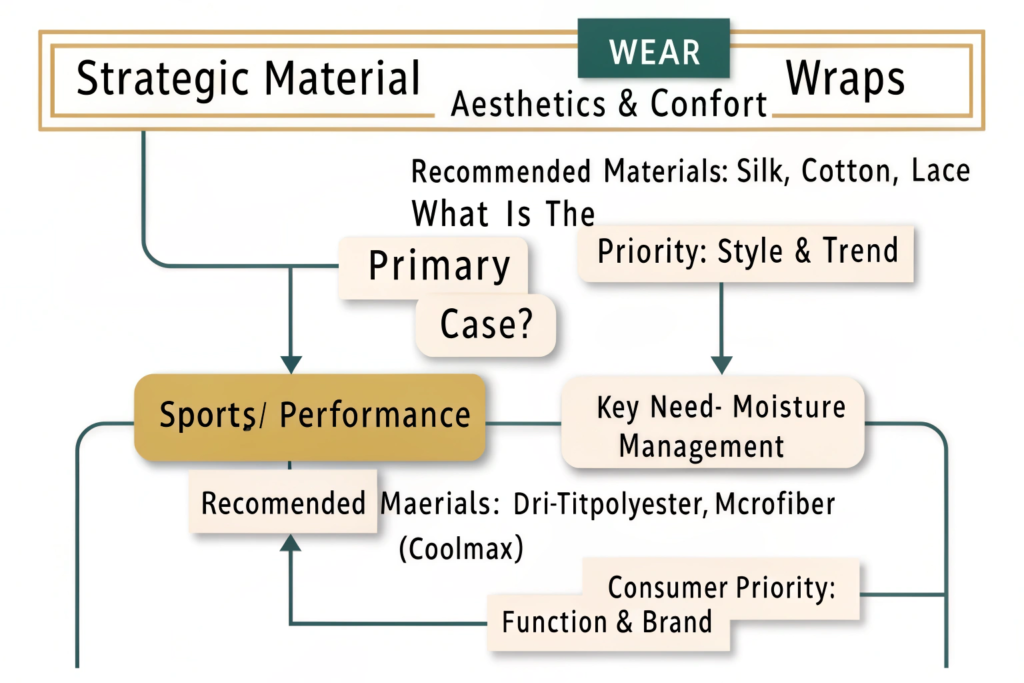
Choosing the right material is a strategic business decision that hinges on understanding your target customer's core need. A one-size-fits-all approach will fail. Instead, use a clear framework to match material properties to market demands.
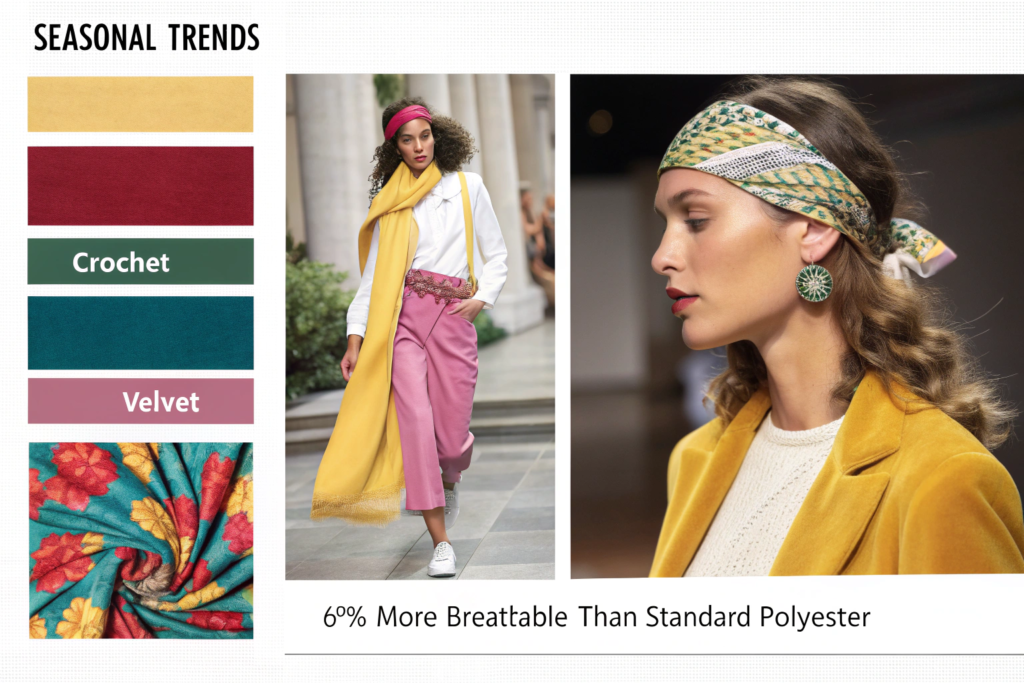
The decision matrix is straightforward. If your target is the sports and fitness consumer, your material selection is non-negotiable: prioritize technical synthetics with certified wicking and quick-dry properties. Here, performance is the brand. Invest in fabrics that have been tested and can be marketed with clear functional benefits (e.g., "67% more breathable than standard polyester"). If your target is the fashion-forward or general consumer, your palette expands dramatically. Here, you must consider seasonal trends (e.g., crochet for summer, velvet for winter), aesthetic appeal (sheen of silk, texture of lace), and overall comfort (softness of cotton). In this segment, offering a curated mix of materials—such as a line that includes silk scarves, cotton bandanas, and crochet headbands—is often the most successful strategy to capture a wider audience.
What is the growing importance of sustainable and next-gen materials?
A significant, overarching trend across both segments is the growing demand for sustainability. While still a niche in terms of volume, materials with recycled content (e.g., recycled polyester), organic fibers (organic cotton), and innovative next-gen materials are moving from a competitive advantage to a market expectation. Industry reports indicate that regulations and consumer pressure are pushing brands to adopt more sustainable materials, with the market share for these alternatives projected to grow significantly by 2030. Early adoption or offering sustainable options can future-proof your product line and appeal to a growing segment of conscious consumers. This is an area where a manufacturer with strong R&D and sourcing capabilities can provide a distinct advantage.
Can hybrid materials capture multiple markets?
Increasingly, yes. The most innovative products are beginning to bridge the gap. Imagine a head wrap made from a recycled polyester base for wicking, with a stylish, textured outer layer made of a sustainable cotton blend. This approach targets the consumer who wants a product that looks fashionable for daily wear but also performs adequately during light activity. The key is to be intentional about the primary function. A hybrid material should not compromise core performance for the sports user, nor should it sacrifice style for the fashion user. For wholesale, testing such hybrids with focus groups from your target demographics can provide valuable insights before large-scale commitment.
How Do You Handle Logistics and Tariffs?
You've placed your order and the quality is confirmed, but now comes another hurdle: getting the products to your warehouse. The world of international shipping, customs clearance, and tariffs seems incredibly complex and intimidating. You're worried about hidden costs, shipping delays, and navigating paperwork, all of which could erode your profits and delay your time to market.
You can handle logistics and tariffs effectively by working with an experienced freight forwarder or a factory that offers end-to-end shipping services. Choose the right shipping method (air vs. sea) based on your budget and timeline, and ensure all products are correctly classified with HS codes to calculate tariffs accurately. A knowledgeable partner can make this process smooth and predictable.
Many of our clients, especially entrepreneurs and small business owners, find logistics to be the most daunting part of importing. I always tell them that a good manufacturer shouldn't just make products; they should be a partner in getting those products to you. At Shanghai Fumao Clothing, we have a team that specializes in this. We handle everything from factory floor to your door, including customs clearance. This is especially crucial for our US clients who are concerned about tariffs. Because we have deep experience in this area, we can often structure shipments and use correct classifications to ensure the process is as cost-effective as possible, providing a level of service that sets us apart.

What is an HS Code and why is it important?
The Harmonized System (HS) code is a standardized numerical method of classifying traded products. It's used by customs authorities around the world to identify products when assessing duties and taxes. Using the wrong HS code can lead to delays, fines, or your shipment being seized. For example, a silk scarf might have a different code than a cotton bandana. Your supplier or freight forwarder should help you determine the correct codes for your products. You can search for HS codes using government resources like the U.S. International Trade Commission's Tariff Database. This is a critical step for accurate cost calculation.
Should I choose air freight or sea freight?
This decision depends on your priorities: speed versus cost.
- Sea Freight: This is far more cost-effective for large, heavy shipments. It's the standard choice for bulk orders where you can plan for longer lead times (typically 30-40 days of transit time).
Conclusion
The head wrap materials that sell best are distinctly partitioned by market segment. For the sports and activewear market, the winners are high-performance technical synthetics like advanced polyester and microfiber, valued for their engineered moisture management and durability. For the fashion and daily wear market, success lies in a diverse portfolio of aesthetic-driven materials such as silk, cotton, and trending textured options like crochet and lace, often brought to life with vibrant patterns.
The strategic takeaway is clear: define your target customer first, then let their functional and emotional needs dictate your material selection. Attempting to serve both the marathon runner and the fashion influencer with the same fabric will lead to a product that excels at neither. By specializing and deepening your expertise in the materials relevant to your chosen segment, you can build a stronger, more defensible market position.
As you plan your next collection, consider how these material insights align with your brand identity and customer base. For expert sourcing, development, and manufacturing of head wraps across these key material categories—from performance tech fabrics to the latest fashion textiles—contact our Business Director, Elaine, at elaine@fumaoclothing.com. We can help you translate these market trends into a best-selling product line.