
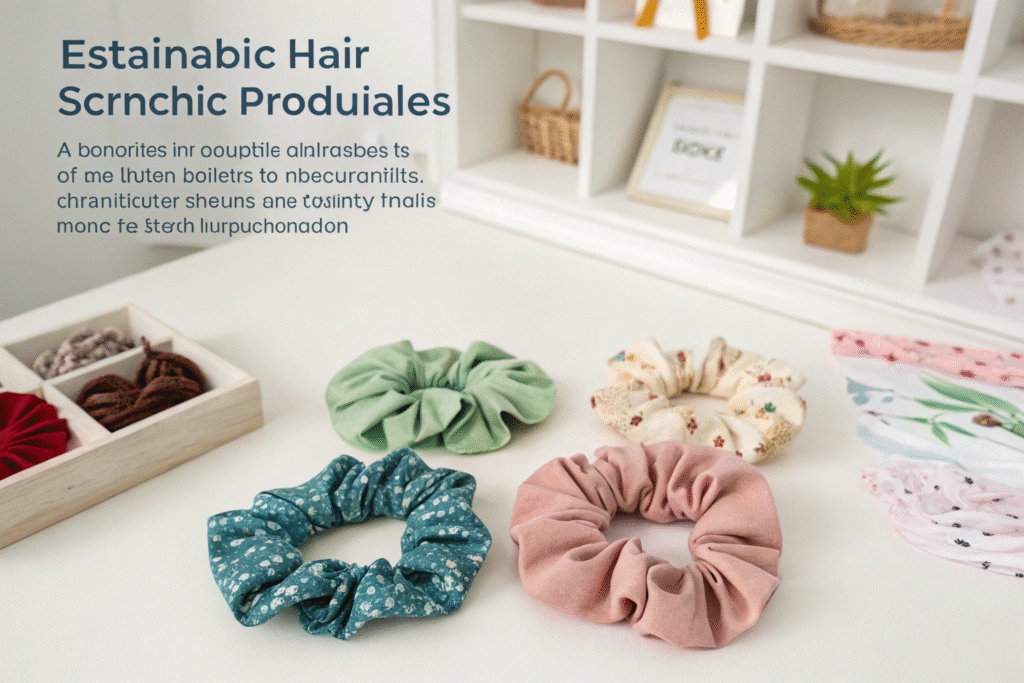
As a hair accessories manufacturer with extensive experience in sustainable production and North American market trends, I've witnessed the significant shift toward eco-friendly hair scrunchies in recent years. The North American market has embraced sustainable accessories not just as a niche category but as a mainstream preference, with particular emphasis on material transparency, ethical production, and genuine environmental benefits.
The most trending eco-friendly hair scrunchies in North America currently include scrunchies made from recycled polyester, organic cotton, bamboo-derived fabrics, deadstock materials, and innovative plant-based alternatives like orange fiber and pineapple leather. These options combine environmental responsibility with the aesthetic and functional qualities that North American consumers expect from their hair accessories.
Understanding the specific materials, certifications, and design approaches that define the North American eco-friendly scrunchie market helps both consumers and retailers make informed, sustainable choices. Let's explore the trending categories and what makes them particularly relevant to North American consumers.
What recycled material scrunchies are trending?
Recycled material scrunchies represent one of the fastest-growing categories in the North American eco-friendly hair accessory market, offering environmental benefits without compromising on style or performance. Several recycled materials have gained significant consumer traction.
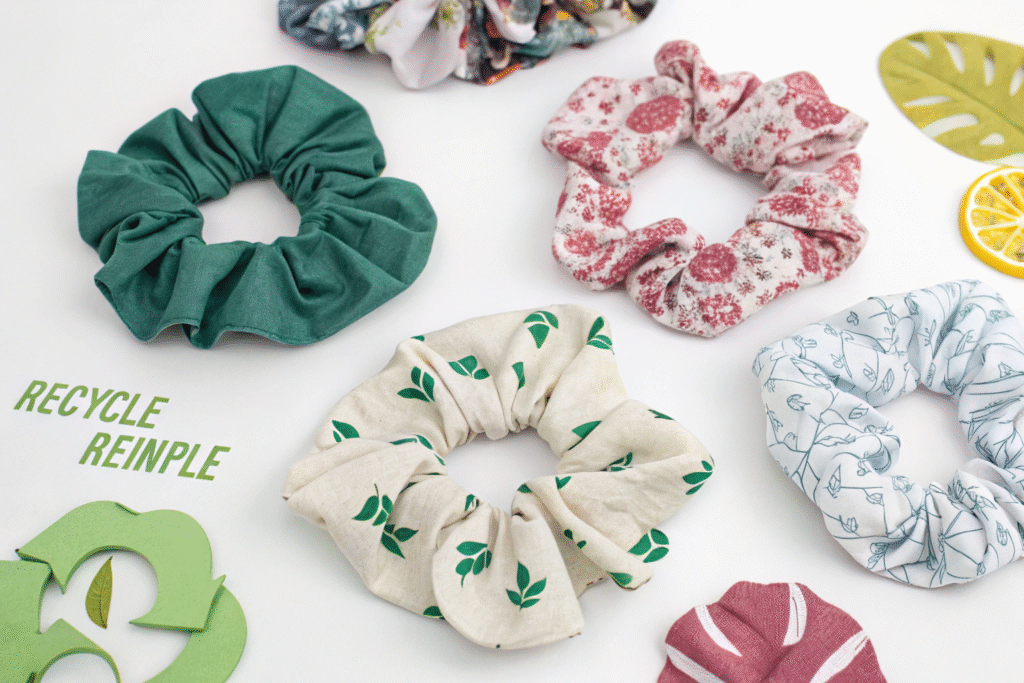
Recycled PET scrunchies made from post-consumer plastic bottles transform waste into soft, durable fabrics with minimal environmental impact compared to virgin polyester. Regenerated nylon scrunchies created from discarded fishing nets and other nylon waste offer exceptional elasticity and durability with a compelling sustainability story. Upcycled fabric scrunchies made from manufacturing waste or deadstock materials prevent textile waste while creating unique, limited-edition products. Recycled cotton scrunchies utilizing pre-consumer and post-industrial cotton waste reduce water consumption and textile landfill contributions. Ocean-bound plastic scrunchies that intercept plastic before it reaches waterways appeal to environmentally conscious consumers seeking measurable impact. These recycled options dominate the North American market due to their tangible environmental benefits and commercial viability.
How do certification standards influence North American consumer choices?
Certification standards play a crucial role in the North American eco-friendly scrunchie market, providing third-party verification that resonates with consumers increasingly concerned about greenwashing.
Global Recycled Standard (GRS) certification verifies recycled content percentages and tracks materials through the supply chain, providing credibility to recycling claims. Oeko-Tex Standard 100 certification ensures products are free from harmful substances, particularly important for items worn close to skin and hair. Fair Trade certification addresses social responsibility aspects of production, appealing to North American consumers' growing interest in ethical manufacturing. B Corp certification for brands indicates comprehensive social and environmental performance standards beyond individual products. USDA Certified Biobased products certification verifies renewable material content for plant-based scrunchie options. These certification standards provide the verification that North American consumers increasingly demand for eco-friendly claims.
What plant-based and biodegradable options are popular?
Plant-based and biodegradable scrunchie options have gained significant popularity in North America, particularly among consumers seeking natural materials and circular product lifecycles. Several plant-derived materials have emerged as market favorites.
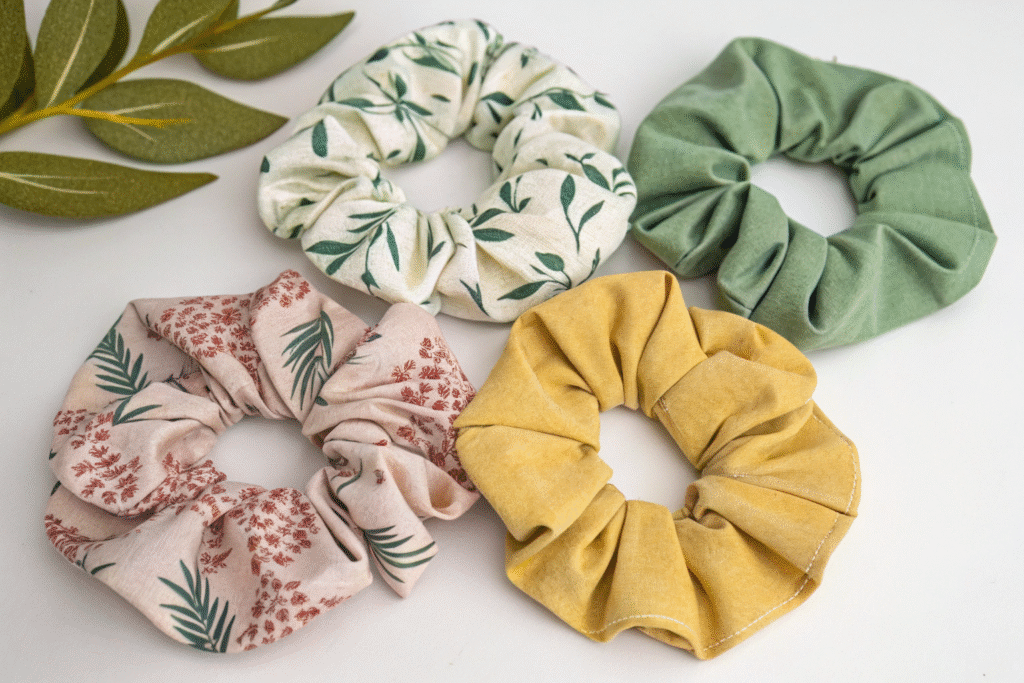
Organic cotton scrunchies grown without synthetic pesticides and processed without harmful chemicals offer a natural, biodegradable option with minimal environmental impact. Bamboo viscose scrunchies provide exceptional softness and natural antibacterial properties, though processing methods vary in environmental friendliness. Linen scrunchies made from flax plants require minimal water and pesticides while offering beautiful texture and durability. Hemp scrunchies utilize one of the most sustainable crops available, requiring no pesticides and improving soil health. Tencel/Lyocell scrunchies made from sustainably sourced wood pulp through closed-loop processes offer silky texture with excellent environmental credentials. These plant-based options appeal to North American consumers seeking natural materials and biodegradability.
How do North American consumer values influence material preferences?
North American consumer values significantly shape material preferences in the eco-friendly scrunchie market, with regional concerns influencing which sustainable attributes receive emphasis.
Transparency and traceability requirements reflect North American consumers' skepticism of vague environmental claims and desire for supply chain visibility. Vegan and cruelty-free preferences drive demand for plant-based options and synthetic alternatives to silk. Local and domestic manufacturing appeals to consumers concerned about carbon footprints from transportation and interested in supporting local economies. Health and safety considerations lead consumers to prefer certified non-toxic materials, particularly for accessories worn near skin and hair. Value for money expectations mean sustainable scrunchies must offer durability and performance comparable to conventional options despite potential price premiums. These regional values create distinct material preference patterns in the North American market.
What innovative eco-friendly materials are emerging?
The North American eco-friendly scrunchie market continues to evolve with innovative materials that push the boundaries of sustainability while maintaining aesthetic and functional appeal. Several emerging options show significant promise.
Orange fiber scrunchies created from citrus industry waste offer luxurious texture with antioxidant benefits and complete biodegradability. Mushroom leather alternatives provide vegan options with visual appeal similar to leather trims without animal products or plastic coatings. Algae-based polymers in scrunchie elastics offer renewable alternatives to conventional synthetic elastic components. Coffee ground-infused fabrics create unique textures while utilizing food industry byproducts that would otherwise become waste. Regenerative agriculture materials from farming systems that improve soil health represent the next frontier in sustainable textile sourcing. These innovative materials demonstrate the ongoing evolution of sustainable options in the North American scrunchie market.
How are North American brands differentiating their eco-friendly scrunchies?
North American brands employ various strategies to differentiate their eco-friendly scrunchies in a increasingly competitive market, focusing on unique value propositions beyond basic sustainability.
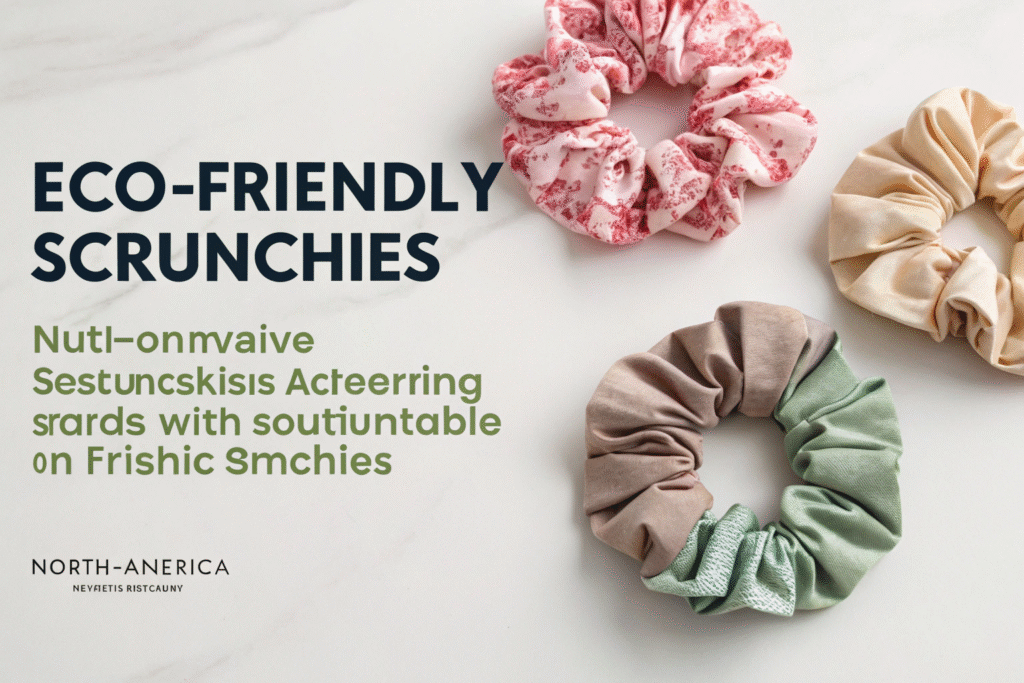
Closed-loop systems where brands take back worn scrunchies for recycling into new products create circular business models that appeal to environmentally committed consumers. Carbon-neutral manufacturing through offsets and renewable energy usage addresses climate concerns specifically important to North American markets. Social enterprise models that donate portions of proceeds to environmental causes create additional value beyond the product itself. Hyper-transparency through detailed supply chain mapping and impact reporting builds trust with skeptical consumers. Regenerative sourcing partnerships that support farming practices improving ecosystem health represent the next level of environmental commitment. These differentiation strategies help brands stand out in the crowded North American eco-friendly scrunchie market.
What packaging and business practices complement eco-friendly scrunches?
Sustainable scrunchies in North America increasingly come with eco-friendly packaging and business practices that extend environmental responsibility beyond the product itself. These complementary elements complete the sustainability proposition for discerning consumers.
Plastic-free packaging using recycled paper, compostable cellulose, or reusable fabric bags eliminates the packaging waste that often undermines product sustainability. Carbon-neutral shipping options through carrier partnerships or internal offset programs address the environmental impact of product delivery. Minimalist packaging designs that reduce material usage while maintaining product protection demonstrate comprehensive environmental consideration. Digital rather than physical marketing materials reduce paper waste while providing product information. Repair and refurbishment services extend product lifespan, creating more sustainable consumption patterns. These complementary practices enhance the overall sustainability of eco-friendly scrunchie offerings in the North American market.
How can consumers verify genuine eco-friendly claims?
With growing interest in sustainable scrunchies, North American consumers have developed specific approaches to verify environmental claims and avoid greenwashing. Several verification methods help distinguish genuine sustainability from marketing hype.
Third-party certification checking ensures products carry legitimate, verifiable certifications rather than self-created environmental seals. Supply chain transparency with specific information about material origins and manufacturing locations provides credibility to sustainability claims. Material composition details with percentages rather than vague "made with sustainable materials" statements offer concrete evidence of environmental attributes. Company sustainability reporting with comprehensive environmental impact data demonstrates serious commitment beyond individual products. Independent reviews and ratings from trusted environmental organizations provide external validation of brand claims. These verification approaches help North American consumers navigate the increasingly complex landscape of eco-friendly scrunchie options.
Conclusion
Eco-friendly hair scrunchies trending in North America encompass a diverse range of materials from recycled synthetics to innovative plant-based alternatives, with particular emphasis on certification, transparency, and complementary sustainable business practices. The most successful options balance genuine environmental benefits with the aesthetic, functional, and value expectations of North American consumers while providing the verification and transparency this market increasingly demands.
By understanding the specific materials, certifications, and business practices that define the North American eco-friendly scrunchie market, both consumers and retailers can participate knowledgeably in this growing category. The continued evolution of sustainable materials and business models ensures this market segment will continue to innovate and expand in response to consumer demand and environmental imperatives.Learn more shanghaifumaoclothing.
If you're looking to develop eco-friendly scrunchies for the North American market, HairAcc offers specialized expertise in sustainable materials and manufacturing processes with full transparency and certification capabilities. Contact our Business Director, Elaine, at elaine@fumaoclothing.com to discuss how we can help you create trending eco-friendly scrunchies that resonate with North American consumers.