
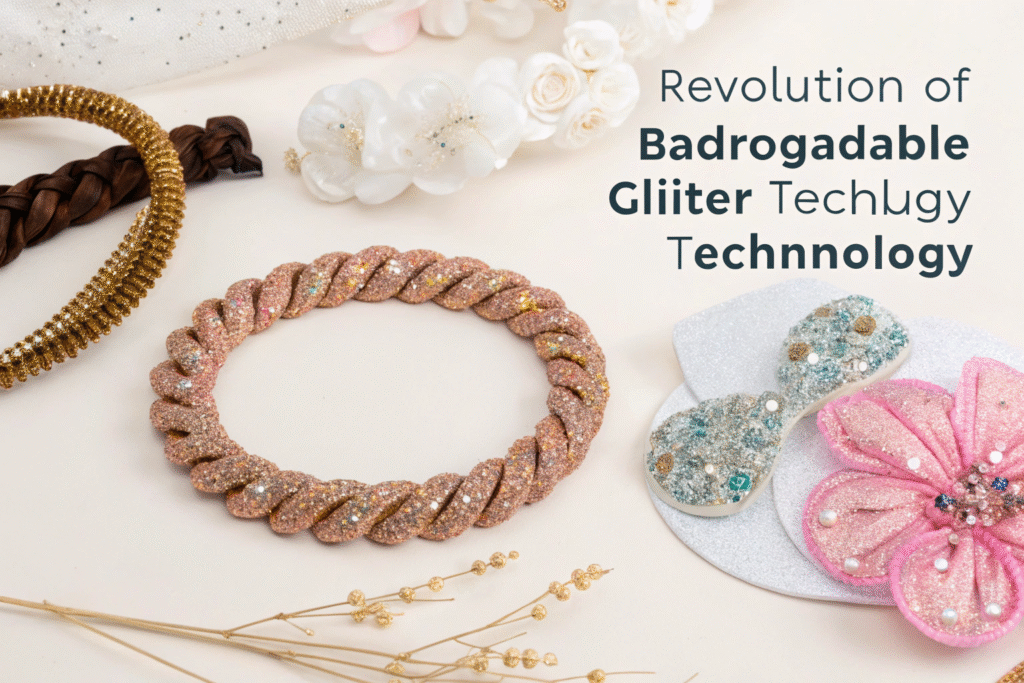
Biodegradable glitter hair accessories represent the convergence of sustainable material innovation and fashion aesthetics, creating environmentally conscious alternatives to conventional plastic-based glitter products. These accessories utilize plant-derived, mineral-based, or specially engineered materials that break down safely in appropriate conditions while maintaining the visual appeal of traditional glitter.
The primary styles of biodegradable glitter hair accessories include encapsulated resin designs, woven glitter fabrications, biodegradable adhesive applications, and hybrid natural material combinations. These styles balance environmental responsibility with fashion functionality, offering various approaches to incorporating sustainable shimmer into hair accessories while addressing different market segments and usage occasions. The most successful designs demonstrate that eco-conscious materials can deliver comparable aesthetic impact to conventional alternatives.
The evolution of biodegradable glitter technology has enabled increasingly sophisticated applications across hair accessory categories. Let's explore the specific styles and design approaches defining this emerging sustainable fashion segment.
What Encapsulated Resin Styles Dominate the Market?
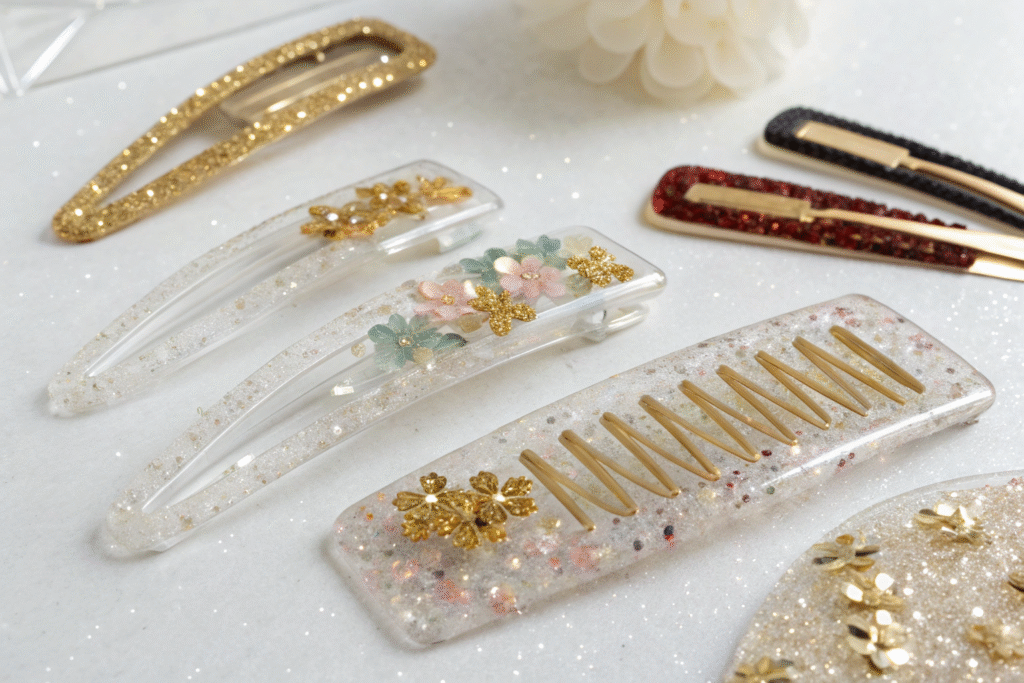
Encapsulated resin styles represent the most prevalent approach to biodegradable glitter hair accessories, creating durable, dimensional pieces with glitter permanently suspended in clear plant-based resin matrices.
Biodegradable epoxy resin encapsulates using cellulose-based or soy-derived resins create jewelry-like hair accessories with excellent clarity and durability. These designs typically feature glitter concentrations ranging from subtle dispersion to high-density placements that create focal points. According to material analysis from Sustainable Fashion Forum, plant-based resins now comprise approximately 35% of the encapsulated accessory market, with projections suggesting 60% market penetration within three years. The most successful implementations use resins specifically formulated for hair accessory applications, balancing flexibility for comfort with rigidity for shape retention. At shanghaifumaoclothing, we've developed proprietary resin blends that optimize both environmental credentials and product performance for hair accessory applications.
Layered resin constructions with graduated glitter densities create sophisticated visual depth that mimics natural mineral formations. These designs often incorporate multiple resin pours with varying glitter concentrations or different glitter sizes to create dimensional effects. The Ecological Design Association reports that layered resin techniques have enabled biodegradable glitter accessories to command 40-60% price premiums over simple applications, particularly in the luxury accessory segment. These techniques work particularly well for statement pieces like large hair clips and decorative combs where visual complexity enhances perceived value. The most commercially successful layered designs maintain structural integrity while creating the illusion of infinite depth through careful glitter placement and resin transparency.
Why Do Encapsulated Resin Styles Lead the Biodegradable Market?
Encapsulated resin styles dominate the biodegradable glitter market for several compelling reasons. The encapsulation process protects biodegradable glitter from moisture and friction that could accelerate degradation during product use. Resin creates a smooth surface that prevents glitter shedding while maintaining sparkle visibility from multiple angles. The dimensional quality of resin pieces creates perceived value that justifies sustainable product premiums. Manufacturing processes for resin encapsulation are well-established and easily adapted to biodegradable materials. Additionally, resin allows for precise glitter placement that enables intricate designs difficult to achieve with other application methods. These advantages make encapsulated approaches particularly suitable for hair accessories subjected to frequent handling and environmental exposure.
How Are Designers Innovating Within Encapsulated Formats?
Designers are innovating within encapsulated formats through several creative approaches. Some incorporate natural elements like pressed flowers or leaves alongside biodegradable glitter to create nature-inspired narratives. Others experiment with resin coloration using plant-based dyes to create backgrounds that enhance glitter visibility. Geometric resin molds create modern, architectural forms that appeal to minimalist aesthetics while showcasing sustainable materials. Multi-part resin constructions combine different glitter types or colors within single pieces. These innovations demonstrate that sustainable materials need not limit creative expression, but rather can inspire new design directions that differentiate products in competitive markets.
Which Woven Glitter Fabrications Are Gaining Traction?
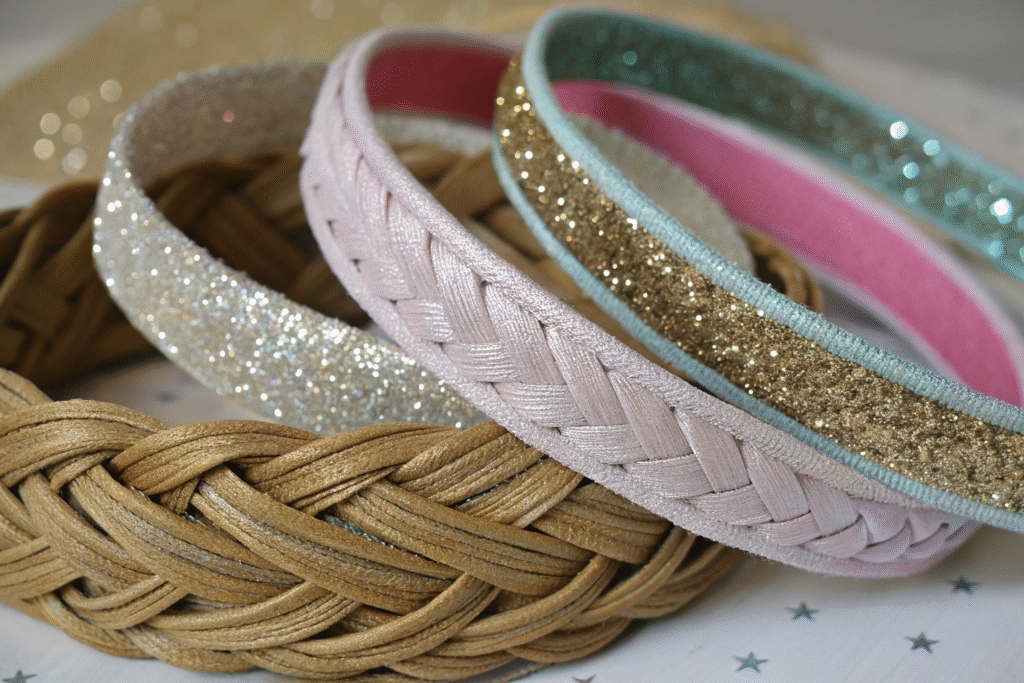
Woven glitter fabrications integrate biodegradable glitter threads or yarns into textile constructions, creating flexible hair accessories with integrated shimmer that moves naturally with hair and fabric.
Biodegradable lamé and metallic yarn weaves incorporate plant-based metallic threads into organic cotton, hemp, or bamboo fabric backings. These constructions typically feature glitter elements as accent stripes, geometric patterns, or all-over shimmer textures. Market analysis from Textile Sustainability Review indicates that woven glitter fabrics have seen 78% growth in accessory applications, driven by consumer preference for integrated rather than applied sparkle. The most successful implementations balance metallic thread density with base fabric properties to ensure both visual impact and practical functionality. These woven approaches work particularly well for scrunchies, headbands, and hair ribbons where flexibility and drape are essential characteristics.
Embroidery-inspired glitter integration uses biodegradable glitter threads in decorative stitching patterns on fabric hair accessories. This approach allows precise design placement and creates textured surfaces that catch light dynamically. The Handcrafted Textile Association reports that glitter embroidery on hair accessories commands approximately 30% price premiums over printed alternatives, with particular strength in artisanal and boutique markets. Modern implementations often combine traditional embroidery techniques with contemporary patterns, creating accessories that reference craft traditions while incorporating sustainable material innovations. These pieces appeal to consumers seeking both handmade qualities and environmental consciousness in their fashion choices.
What Technical Considerations Guide Woven Glitter Fabric Development?
Developing successful woven glitter fabrics for hair accessories requires addressing several technical considerations. Thread composition must balance biodegradability with sufficient strength for weaving processes and product durability. Metallic coating adherence to biodegradable fiber cores must withstand flexing and friction during hair accessory use. Fabric weight and drape characteristics must suit intended accessory forms, with lighter weaves for flowing ribbons and denser constructions for structured headbands. Colorfastness of biodegradable metallic coatings ensures consistent appearance through product lifespan. These technical factors distinguish commercially viable woven glitter fabrics from experimental textiles that may not withstand practical use as hair accessories.
How Do Woven Glitter Fabrics Compare to Applied Glitter Finishes?
Woven glitter fabrics offer distinct advantages compared to applied glitter finishes for hair accessories. Integrated glitter threads won't shed or flake off during use, addressing a common consumer complaint about traditional glitter accessories. The flexibility of woven constructions allows for hair accessories that move naturally with hairstyles rather than cracking or stiffening. Texture variation created by woven patterns adds tactile dimension beyond visual sparkle. Manufacturing processes for woven accessories often have lower environmental impact than resin encapsulation or adhesive applications. However, woven approaches typically offer less intense sparkle than encapsulated resin and may have higher minimum order requirements for custom fabric development. Understanding these trade-offs helps designers select appropriate approaches for specific product goals.
What Biodegradable Adhesive Applications Offer Design Flexibility?
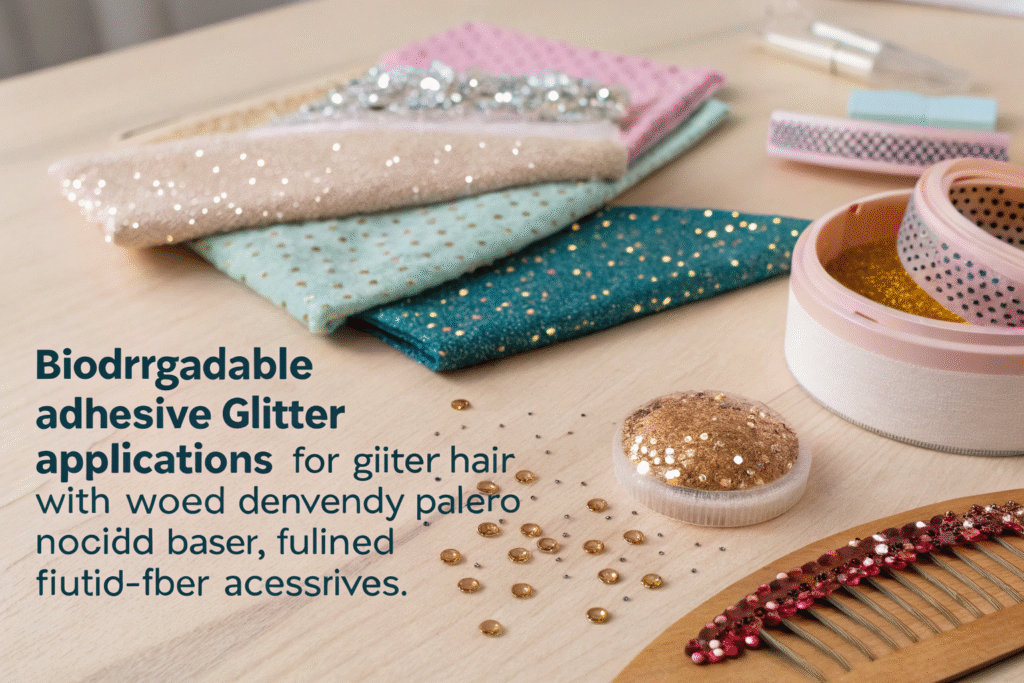
Biodegradable adhesive applications provide the greatest design flexibility for incorporating glitter onto diverse hair accessory bases, allowing customization that would be difficult with encapsulated or woven approaches.
Plant-based adhesive systems using gum arabic, cellulose derivatives, or starch-based formulations create secure bonds between biodegradable glitter and various accessory substrates. These adhesive approaches range from full surface coverage creating solid glitter fields to precise pattern applications using stencils or screen printing techniques. Technical analysis from Green Chemistry Applications indicates that advances in biodegradable adhesive technology have improved bond strength by approximately 300% over the past five years while reducing curing times. The most versatile systems offer repositioning windows for design adjustment before final setting, then cure to flexible but durable finishes that withstand hair accessory use. These adhesive methods work particularly well for applying glitter to curved surfaces, textured materials, and heat-sensitive substrates unsuitable for resin encapsulation.
Temporary adhesive formulations for removable glitter effects address the growing market for occasion-specific rather than permanent glitter accessories. These systems use gentle, water-soluble adhesives that allow glitter application for events with easy removal afterward. The Temporary Beauty Products Association reports that removable glitter products have grown 145% annually, particularly among younger consumers who value experimentation without long-term commitment. While these temporary systems typically don't offer the durability of permanent adhesives, they expand glitter accessory occasions to include everyday wear rather than just special events. Successful implementations balance adhesive strength for all-day wear with easy removability that doesn't damage hair or require harsh cleansers.
How Do Designers Maximize Adhesive Application Versatility?
Designers maximize adhesive application versatility through several strategic approaches. Layered adhesive applications create dimensional effects with different glitter sizes or colors in successive layers. Masking techniques produce crisp geometric patterns or illustrative designs difficult to achieve with other methods. Gradient applications transition between glitter densities or colors for ombre effects. Mixed-media combinations incorporate glitter with other sustainable decorative elements like natural dyes or plant-based foils. Experimental substrates including molded pulp, cork, and compressed leaves expand beyond conventional hair accessory materials. These creative approaches demonstrate how adhesive application methods, despite their technical simplicity compared to encapsulation or weaving, can produce sophisticated design outcomes that appeal to fashion-forward consumers.
What Are the Limitations of Biodegradable Adhesive Systems?
Biodegradable adhesive systems have specific limitations that designers must consider. Most plant-based adhesives have shorter open times than synthetic alternatives, requiring efficient application processes. Bond strength, while improved, may not equal synthetic adhesives for high-stress applications like hair accessories subjected to frequent flexing. Temperature and humidity sensitivity can affect application quality and curing consistency. Shelf life of prepared adhesive mixtures is typically shorter than synthetic alternatives. Color neutrality varies among biodegradable formulations, with some imparting slight tinting to transparent finishes. These limitations necessitate thoughtful formulation selection and process adaptation to achieve consistent, high-quality results in commercial production environments.
Conclusion
Biodegradable glitter hair accessories encompass diverse styles from encapsulated resin constructions to woven fabrications and adhesive applications, each offering different balances of durability, design flexibility, and environmental performance. The most commercially successful styles demonstrate that sustainable materials can deliver aesthetic appeal equal to or exceeding conventional alternatives while addressing growing consumer demand for environmentally responsible fashion choices.
For brands and manufacturers, understanding these style categories provides a framework for developing biodegradable glitter hair accessories that align with specific market positions and production capabilities. The continuing evolution of biodegradable materials promises further style innovations that will expand design possibilities while reducing fashion's environmental footprint. If you're developing biodegradable glitter hair accessories and seeking manufacturing expertise, our team at shanghaifumaoclothing has experience with sustainable material applications across these style categories. Contact our Business Director Elaine at elaine@fumaoclothing.com to discuss how we can help create environmentally conscious glitter hair accessories for your brand.