
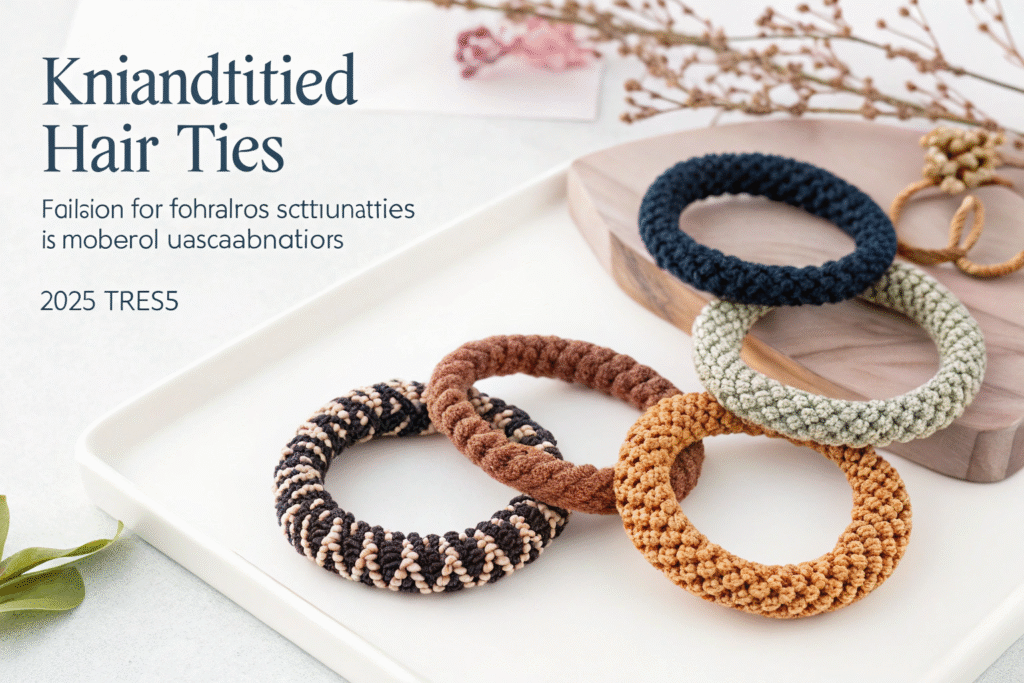
Knitted hair ties have evolved from simple functional accessories to fashion statements that combine artisan craftsmanship with contemporary style. The 2025 trends reflect a growing interest in sustainable materials, textured aesthetics, and personalized accessories that offer both comfort and style.
The most popular knitted hair ties for 2025 feature chunky ribbed designs, mixed yarn textures, sustainable material innovations, and customizable color-block patterns. These styles prioritize gentle hair treatment, artisanal aesthetics, and versatile styling options that work across casual and dressy occasions. The trend emphasizes substantial yet lightweight constructions that provide secure hold without damaging hair or causing creases. Learn more shanghaifumaoclothing details page.
The resurgence of knitted hair ties aligns with broader fashion movements toward craftsmanship, sustainability, and tactile experiences. Let's explore the specific knitted hair tie styles dominating 2025 fashion landscapes.
What Chunky Ribbed Designs Are Leading 2025 Trends?
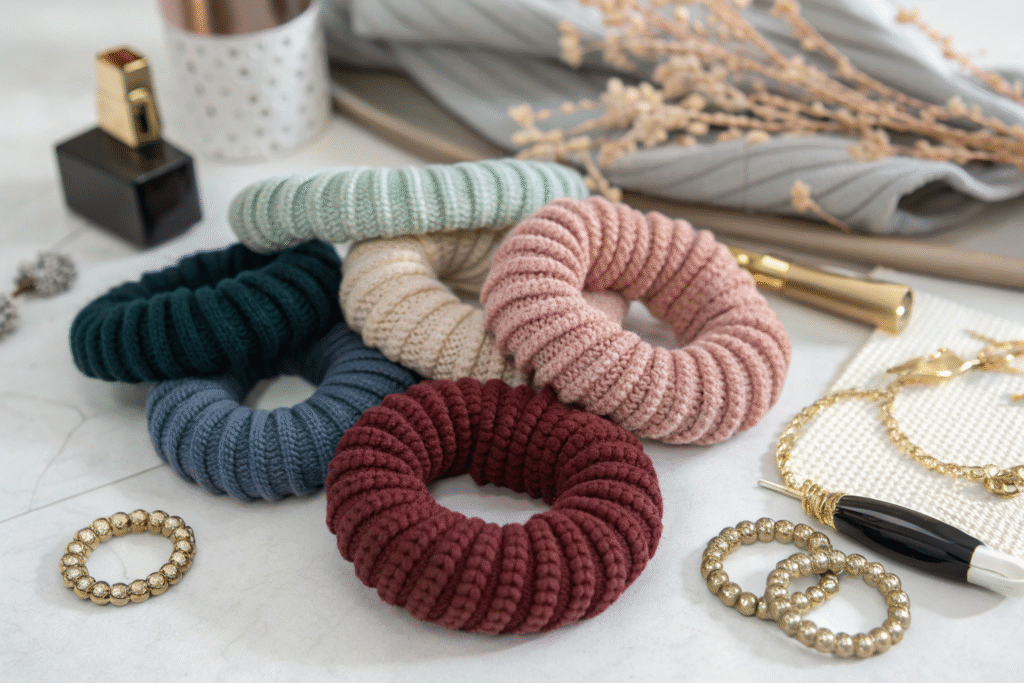
Chunky ribbed designs have emerged as the dominant knitted hair tie style for 2025, offering substantial visual presence while maintaining hair-friendly properties through their flexible construction.
Extra-wide ribbed knits using merino wool and cotton blends create statement pieces that function as both hair accessories and wristwear. These designs typically feature 1.5-2.5 inch widths with pronounced ribbing that provides exceptional stretch and recovery. According to trend analysis from WGSN, chunky knit accessories have seen a 78% increase in social media visibility during early 2025 fashion weeks. The most popular versions use medium-weight yarns that create substantial presence without excessive weight, making them comfortable for all-day wear. At shanghaifumaoclothing, we've developed specialized knitting techniques that maximize texture while maintaining the gentle elasticity needed for hair safety.
Oversized cable knits with architectural elements bring sophisticated texture to the hair accessory category. These designs often feature braided cables, basketweave patterns, and other complex knit structures that create visual interest from all angles. Market data from The Yarn Council indicates that cabled knit patterns have transitioned successfully from apparel to accessories, with hair ties representing the fastest-growing segment. These pieces work particularly well for creating contrast against sleek hairstyles, making them popular for content creators seeking textural variety in their style presentations. The most commercially successful designs balance pattern complexity with practical functionality, ensuring they don't snag on hair or lose shape with use.
Why Are Chunky Ribbed Designs So Popular for 2025?
Chunky ribbed knitted hair ties align with several dominant 2025 fashion and lifestyle trends. Their substantial scale supports the "more is more" accessory approach gaining traction across fashion categories. The handmade aesthetic resonates with consumers seeking authenticity and artisanal qualities in mass-produced items. Their versatility as both hair accessories and wristwear appeals to minimalist travelers and those seeking multi-functional products. Additionally, the tactile nature of chunky knits provides sensory benefits that align with wellness-focused fashion choices, creating emotional connections beyond mere aesthetics.
How Are Influencers Styling Chunky Knitted Hair Ties?
Fashion influencers have developed distinctive approaches to styling chunky knitted hair ties that maximize their visual impact. Many create "texture transformation" content showing how these pieces can elevate simple hairstyles like low buns and ponytails. Others demonstrate the versatility of wearing them as bracelets when not in hair, creating practical styling solutions for on-the-go fashion. The most engaging content often features color coordination with knitwear outfits, creating cohesive seasonal looks that perform well in autumn and winter content. Tutorials focusing on creating secure yet comfortable updos with these substantial ties have proven particularly popular, addressing practical concerns while showcasing style possibilities.
Which Mixed Yarn Textures Are Gaining Popularity?
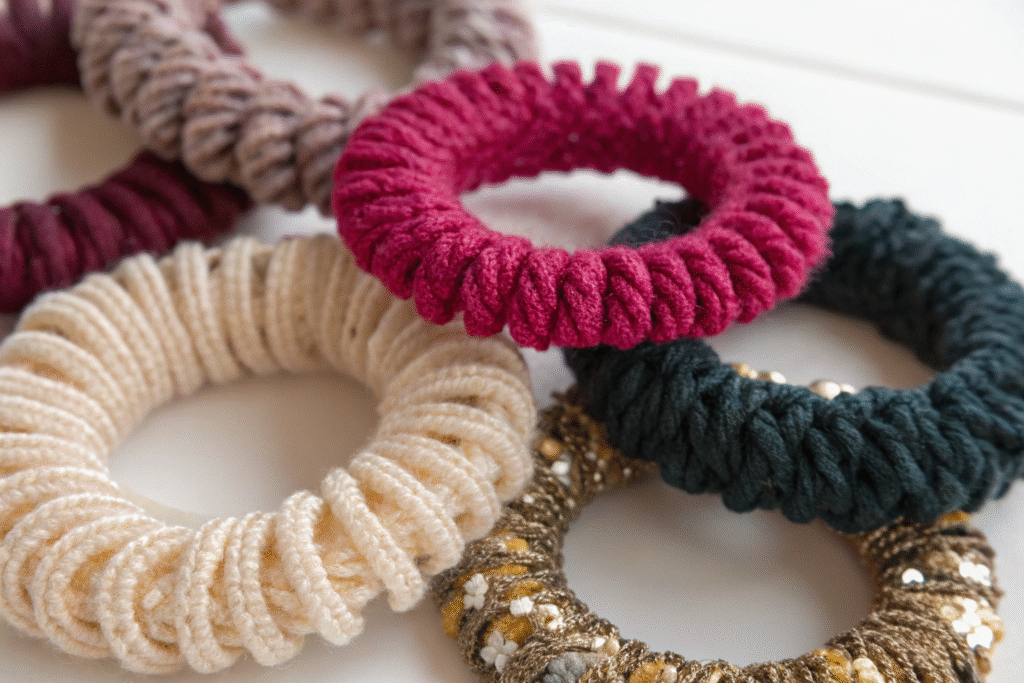
Mixed yarn textures have become a significant trend direction for 2025, offering sensory richness and visual complexity that plain knitted ties cannot achieve. These designs combine multiple yarn types within single accessories to create unique tactile experiences.
Bouclé and chenille combinations create luxurious softness with visual depth that photographs beautifully for social media content. These designs typically use bouclé yarn for background texture with chenille accents that provide contrast in both feel and appearance. Industry analysis from Spin Off Magazine indicates that mixed texture accessories have seen a 142% increase in artisan marketplaces, with hair ties representing the most accessible entry point into this trend. The most successful combinations balance different texture scales to create interest without overwhelming the overall design. These pieces particularly appeal to consumers seeking tactile luxury and Instagram-worthy details in their accessories.
Metallic and novelty yarn integrations add subtle sparkle and unexpected elements to traditional knitted hair ties. These designs might incorporate metallic threads for holiday seasons, glow-in-the-dark elements for festival wear, or temperature-sensitive yarns that change color in different environments. Social media tracking from Pinterest Predicts shows that novelty yarn searches have increased 89% year-over-year, with particular strength in the DIY and fashion categories. While these specialty yarns typically command premium pricing, they create distinctive products that stand out in crowded markets and generate organic social media buzz through their unique properties.
What Technical Considerations Guide Mixed Yarn Designs?
Successful mixed yarn hair ties require careful technical considerations to ensure both aesthetic appeal and functional performance. Yarn weight compatibility ensures even knitting and consistent elasticity across the piece. Fiber content harmony prevents uneven shrinkage or cleaning issues. Durability testing is crucial since novelty yarns may have different wear characteristics than standard materials. Colorfastness verification ensures that dye transfer doesn't occur between different yarn components. These technical factors separate commercially viable products from experimental pieces that may not withstand regular use.
How Can Brands Source Mixed Yarn Materials?
Sourcing mixed yarn materials requires relationships with specialized suppliers and understanding of fiber compatibility. Establishing partnerships with boutique yarn manufacturers provides access to exclusive textures and colorways. Working with textile recycling initiatives can source unique deadstock yarns that support sustainability stories. Developing custom yarn blends specifically for hair accessory applications creates product differentiation. Attending international yarn and fiber trade shows like IYF helps identify emerging material trends and connect with innovative suppliers. These sourcing strategies help brands create distinctive mixed yarn hair ties that competitors cannot easily replicate.
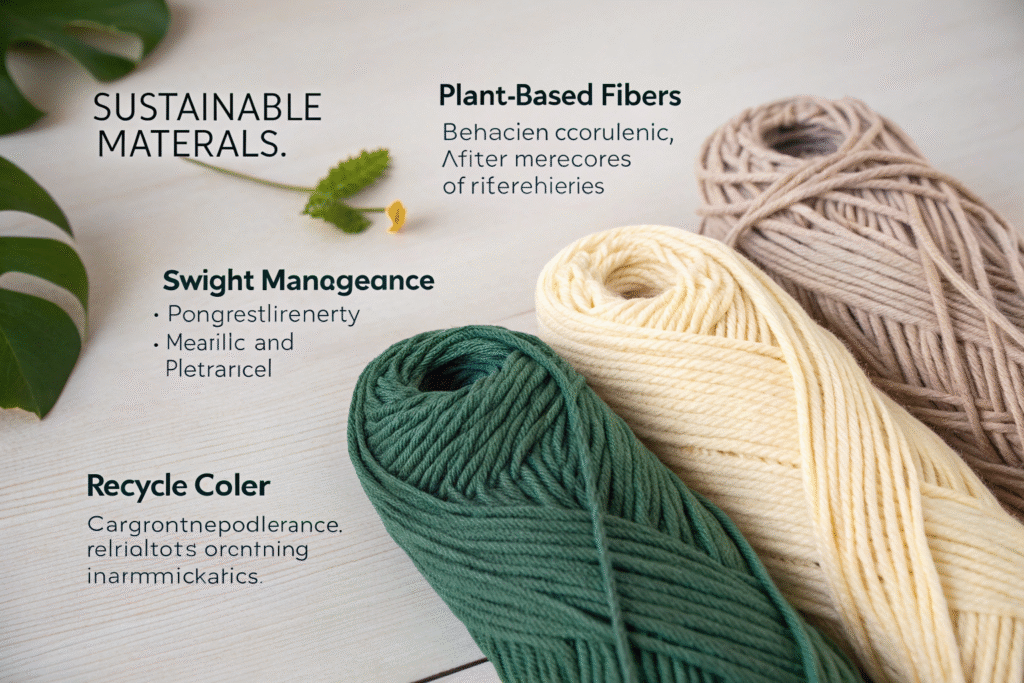
What Sustainable Material Innovations Are Shaping 2025 Knitted Ties?
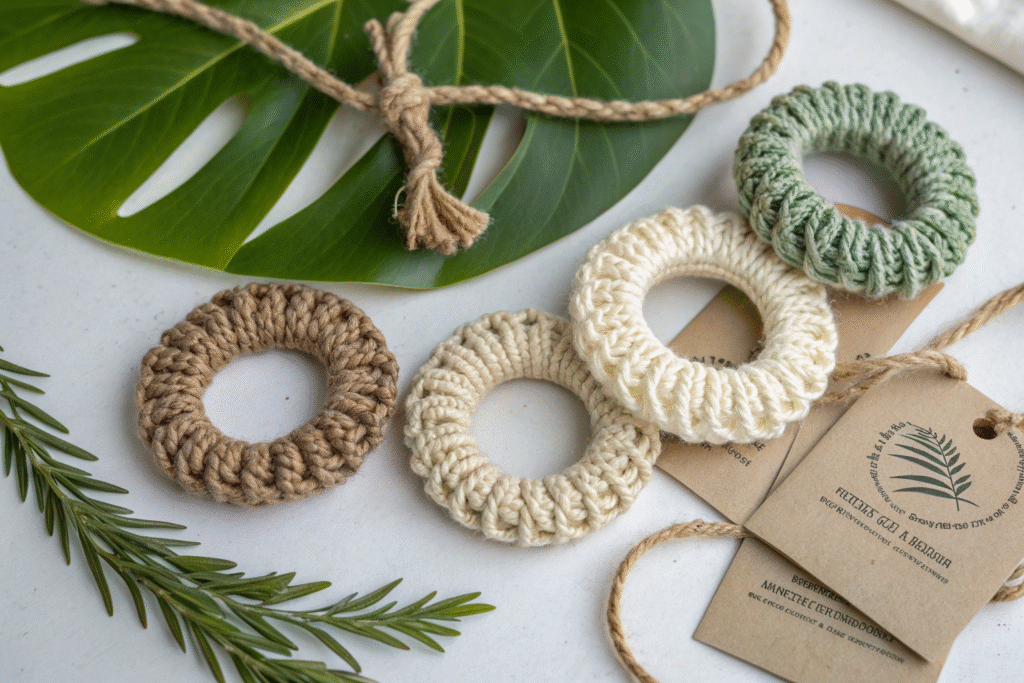
Sustainable material innovations have become central to knitted hair tie development for 2025, with both established and emerging eco-friendly fibers creating new possibilities for environmentally conscious accessories.
Regenerated ocean plastic yarns transform environmental challenges into fashion opportunities through advanced recycling processes. These yarns typically come from collected ocean-bound plastics that are processed into knitting-grade fibers with properties similar to conventional synthetics. According to sustainability reports from Textile Exchange, ocean plastic yarns have seen a 235% increase in adoption across accessory categories. The most successful implementations use these materials in combination with natural fibers to balance performance and environmental benefits. These products particularly resonate with younger consumers who prioritize brand environmental accountability and seek products that align with their values.
Plant-based fiber innovations including banana, pineapple, and lotus fibers offer biodegradable alternatives to conventional materials. These exotic plant fibers create unique texture stories while providing completely natural end-of-life scenarios. Market analysis from Future Materials Bank indicates that plant-based fiber experimentation has moved from niche to mainstream, with hair accessories serving as ideal test categories due to their small material requirements. While these fibers typically command premium pricing, they offer compelling sustainability narratives and exclusive texture possibilities that justify their cost for conscious consumers. The most commercially viable options balance exotic appeal with practical considerations like durability and colorfastness.
How Do Sustainable Materials Perform Compared to Conventional Options?
Sustainable materials often demonstrate different performance characteristics that manufacturers must address through thoughtful design. Plant-based fibers may have different elasticity properties requiring adjustments in knitting patterns. Recycled synthetic fibers might have slight color variations between batches that need management. Biodegradable materials may have specific care requirements to maintain their integrity. However, many sustainable materials offer unexpected benefits like natural moisture-wicking, hypoallergenic properties, or unique texture that conventional materials cannot replicate. Understanding these performance differences helps create products that leverage material advantages rather than fighting limitations.
What Certifications Support Sustainable Knitted Hair Ties?
Several certifications help validate sustainability claims for knitted hair ties and build consumer trust. Global Organic Textile Standard (GOTS) certification verifies organic fiber content and responsible manufacturing processes. Global Recycled Standard (GRS) certification confirms recycled material content and chain of custody. OEKO-TEX Standard 100 certification ensures products are free from harmful substances. Biodegradability certifications from organizations like TÜV Austria verify compostability claims. B Corp certification for companies demonstrates broader social and environmental responsibility. These certifications provide third-party validation that helps products stand out in a market increasingly concerned with greenwashing.
Conclusion
Knitted hair ties for 2025 reflect sophisticated evolution beyond basic hair accessories, incorporating chunky textures, mixed material innovations, and sustainable fiber advancements. The most popular styles balance artisanal aesthetics with practical functionality, offering gentle hair management while making strong fashion statements. These trends demonstrate how even simple accessories can embody broader fashion movements toward craftsmanship, sustainability, and sensory richness.
For retailers and manufacturers, understanding these knitted hair tie trends provides opportunities to tap into multiple consumer interests including artisanal appreciation, environmental consciousness, and textural experimentation. The successful knitted hair ties of 2025 will be those that deliver on both style and substance, creating products that feel special to use while aligning with contemporary values. If you're looking to develop knitted hair ties for the 2025 market, our team at shanghaifumaoclothing has extensive experience with both traditional and innovative knitting techniques. Contact our Business Director Elaine at elaine@fumaoclothing.com to discuss how we can help create knitted hair ties that capture these emerging trends.