
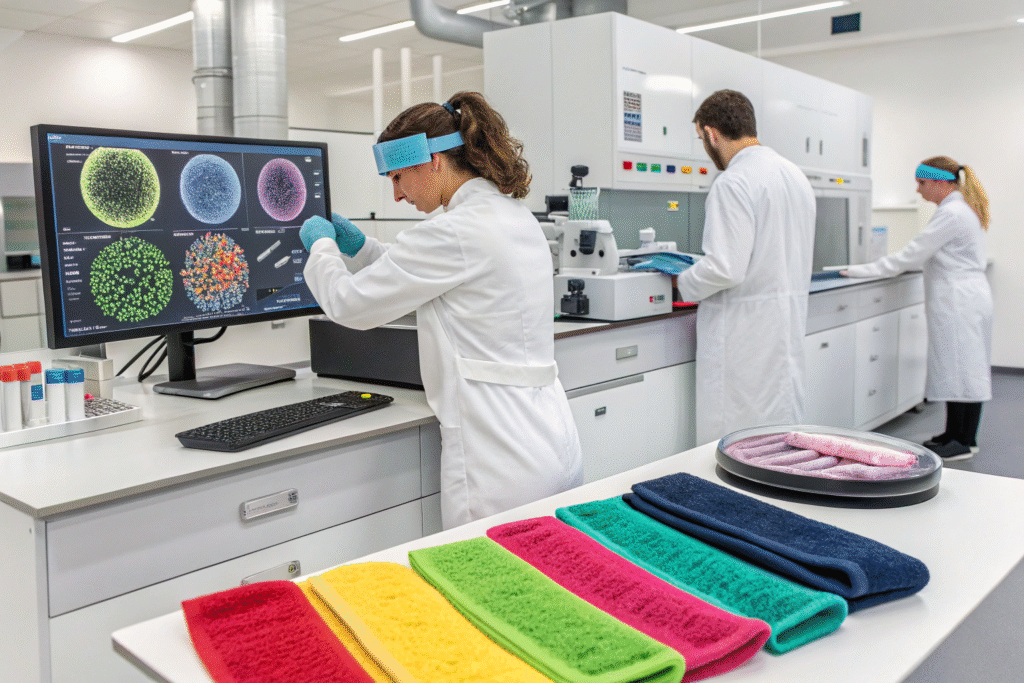
The fitness industry is witnessing a revolution in anti-microbial technology for sportswear, particularly for sweat-absorbing accessories like gym headbands. As consumers become increasingly concerned about hygiene and odor control, manufacturers are developing sophisticated treatments that go beyond traditional silver-ion technology to provide lasting protection against bacteria, fungi, and unpleasant odors.
The latest anti-microbial treatments for gym headbands include graphene-infused fabrics, probiotic coatings, copper oxide nanoparticles, plant-based antimicrobials, and self-cleaning photocatalytic treatments.These advanced technologies offer superior protection compared to conventional methods, with many providing 24/7 antimicrobial activity that survives multiple washes while maintaining fabric breathability and comfort. The most effective new treatments work by disrupting microbial cell structures, preventing biofilm formation, and neutralizing odor-causing compounds at the molecular level.
Understanding these emerging technologies and their application methods helps manufacturers create gym headbands that meet evolving consumer demands for hygiene, durability, and performance. Let's examine the specific anti-microbial innovations transforming the activewear accessory market.
What Advanced Metal-Based Technologies Are Emerging?
Metal-based antimicrobial treatments have evolved significantly beyond basic silver technology, with new formulations offering enhanced efficacy, durability, and environmental compatibility. These innovations leverage the natural antimicrobial properties of certain metals while addressing limitations of earlier technologies.
The latest metal-based treatments provide broader spectrum protection, faster action, and improved wash durability through advanced application methods and material science breakthroughs.
How Effective Are Copper Oxide Nanoparticles?
Copper oxide nanoparticles demonstrate 99.99% efficacy against bacteria and fungi within minutes of contact, significantly faster than silver-based treatments. The ionic copper release mechanism disrupts multiple cellular functions simultaneously, making it difficult for microbes to develop resistance. Copper's natural abundance and lower cost compared to silver make it economically viable for mass production. These treatments maintain effectiveness through 50+ wash cycles while being safe for direct skin contact and environmentally friendly.
What Advantages Does Graphene Technology Offer?
Graphene's sharp nanoscale edges physically rupture microbial cell membranes through mechanical action rather than chemical release. The material's excellent thermal conductivity helps dissipate heat and moisture more efficiently, creating less favorable conditions for microbial growth. Graphene oxide coatings can be applied through dipping, spraying, or incorporated directly into polymer fibers during extrusion. Unlike some metal treatments, graphene doesn't release ions into the environment and provides permanent antimicrobial protection that lasts the product's lifetime.
What Biological and Plant-Based Solutions Are Gaining Traction?
Natural antimicrobial solutions appeal to consumers seeking eco-friendly and skin-sensitive alternatives to synthetic chemicals. Recent advances have addressed previous limitations regarding durability and spectrum of activity.
Biological technologies harness natural defense mechanisms while providing effective, safe protection against odor-causing bacteria and fungi commonly found in gym environments.
How Do Probiotic Treatments Work?
Probiotic coatings introduce beneficial bacteria that outcompete odor-causing microbes for resources and space on the fabric surface. These living cultures consume sweat components that would otherwise feed undesirable bacteria, addressing odor at its source. Advanced encapsulation technology protects probiotic organisms during washing and reactivates them with moisture during wear. Unlike antimicrobials that kill microbes, probiotic approaches rebalance the microbiome, reducing the risk of resistance development while providing continuous odor protection.
What Plant-Based Extracts Show Promise?
Tea tree oil nanoemulsions provide broad-spectrum antimicrobial activity with natural freshness, now stabilized to maintain efficacy through multiple washes. Neem extract treatments offer powerful antifungal properties particularly effective against athlete's foot fungi that can transfer from gym surfaces. Cinnamon oil microcapsules provide sustained release of antimicrobial compounds activated by body heat and moisture during exercise. Bamboo kun natural antimicrobial properties are being enhanced through extraction and concentration methods for more reliable performance in activewear applications.
What Innovative Application Methods Enhance Durability?
Application technology has evolved to ensure antimicrobial treatments survive the rigorous conditions of gym use and repeated laundering. The latest methods embed protection deep within fibers rather than just surface coatings.
Advanced application techniques improve treatment longevity, maintain fabric properties, and ensure consistent antimicrobial performance throughout the product's lifespan.
How Does Plasma Treatment Enhance Antimicrobial Bonding?
Low-temperature plasma activation modifies fabric surfaces at the molecular level to create stronger bonds with antimicrobial agents. This pre-treatment allows for lower concentrations of active ingredients while maintaining high efficacy. Plasma technology enables uniform treatment penetration throughout fabric structures, not just surface application. The process is environmentally friendly, using minimal water and energy compared to traditional wet processing methods.
What Role Do Microencapsulation Technologies Play?
Phase-change microcapsules release antimicrobial agents in response to specific triggers like moisture, body heat, or pH changes. Multi-layer encapsulation protects active ingredients during washing and storage, extending treatment lifespan. Biodegradable shell materials address environmental concerns while providing controlled release of natural antimicrobials. Hybrid encapsulation systems combine multiple antimicrobial agents that activate under different conditions for comprehensive protection.
What Testing Standards Verify Antimicrobial Efficacy?
Reliable verification of antimicrobial performance requires standardized testing methods that simulate real-world conditions. The latest testing protocols go beyond basic laboratory assays to assess performance in actual use scenarios.
Comprehensive testing ensures treatments provide meaningful protection rather than just theoretical antimicrobial activity, with protocols specifically designed for athletic apparel applications.
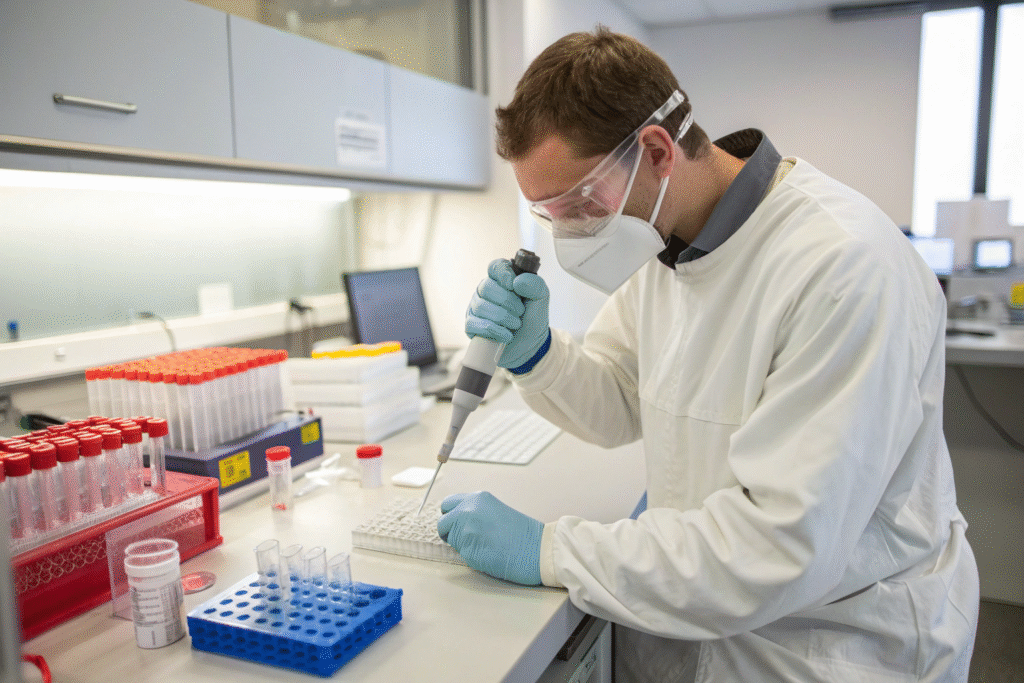
What Industry Standards Should Treatments Meet?
AATCC 100 provides quantitative assessment of antibacterial activity on textile materials, measuring bacterial reduction percentages. ISO 20743 determines antibacterial activity of textile products using different inoculation methods simulating real contamination. JIS L 1902 evaluates antibacterial activity and effectiveness against specific odor-causing bacteria common in sportswear. ASTM E2149 measures antimicrobial activity under dynamic contact conditions, particularly relevant for constantly moving gym wear.
How Do Real-World Performance Tests Differ?
Extended wear simulations test antimicrobial efficacy after multiple sweat exposure and drying cycles, not just initial application. Mixed microbial community challenges assess performance against realistic combinations of bacteria and fungi, not single laboratory strains. Abrasion and stretch testing evaluates treatment durability under mechanical stress simulating actual headband use during exercise. Long-term wash testing verifies efficacy maintenance through 50+ wash cycles at elevated temperatures used in gym laundry facilities.
What Safety and Environmental Considerations Apply?
As antimicrobial technologies advance, safety and environmental impact receive increased scrutiny from regulators and consumers. The most successful new treatments address these concerns while maintaining high performance.
Modern antimicrobial solutions prioritize user safety, environmental compatibility, and circular economy principles without compromising protective qualities.

How Are Skin Sensitivity Issues Addressed?
Hypoallergenic formulations avoid common irritants while maintaining antimicrobial efficacy for users with sensitive skin. Dermatological testing ensures treatments don't disrupt the skin's natural microbiome or cause allergic reactions. Breathability maintenance prevents moisture trapping that can lead to skin irritation and microbial growth. pH-balanced formulations maintain the skin's natural acid mantle, enhancing its inherent antimicrobial properties rather than replacing them.
What Environmental Certifications Matter?
Bluesign® certification ensures environmental responsibility throughout the manufacturing process, from chemical inputs to water emissions. Oeko-Tex Standard 100 verification guarantees textiles are free from harmful substances at concentrations that could be damaging to health. Cradle to Cradle certification assesses material health, product circularity, renewable energy use, water stewardship, and social fairness. REACH compliance demonstrates adherence to European Union regulations concerning chemical safety and environmental protection.
Conclusion
The latest anti-microbial treatments for gym headbands represent a significant advancement over traditional technologies, offering improved efficacy, durability, and environmental compatibility. From graphene-infused fabrics to probiotic coatings and plant-based solutions, these innovations provide comprehensive protection against microbes while addressing evolving consumer concerns about safety and sustainability.
Manufacturers who incorporate these advanced treatments can differentiate their products in a competitive market while providing genuine value to health-conscious consumers. The most successful implementations combine multiple technologies to address different aspects of microbial control and odor prevention.
If you're interested in developing gym headbands with the latest anti-microbial technologies, we specialize in advanced fabric treatments that meet the highest standards for performance, safety, and durability. Contact our Business Director, Elaine, at elaine@fumaoclothing.com to discuss incorporating these cutting-edge anti-microbial solutions into your activewear products. We combine technical expertise with practical manufacturing experience to create gym headbands that deliver superior protection and comfort.