
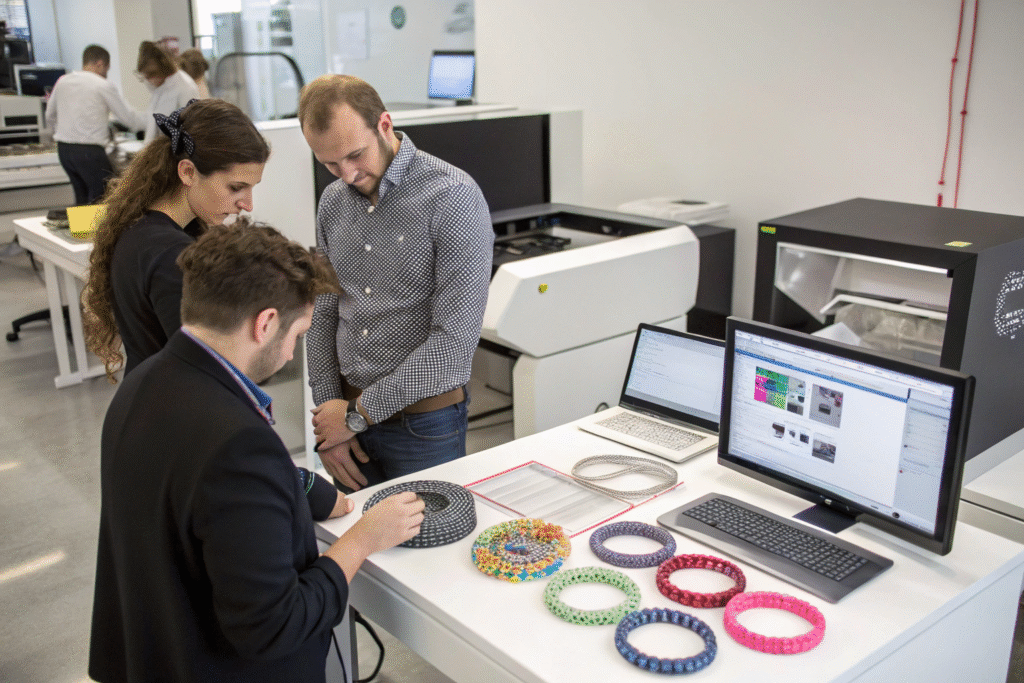
As the owner of HairAcc with extensive experience in custom hair accessory development, I understand the critical importance of rapid sampling in today's fast-paced fashion market. The ability to quickly create and evaluate samples can significantly impact your time to market and competitive advantage.
The fastest sampling methods for custom hairband designs include 3D printing, digital fabric printing, laser cutting, modular assembly systems, and rapid prototyping techniques that can produce functional samples within 24-72 hours, compared to traditional methods requiring 2-4 weeks.These accelerated approaches allow for multiple design iterations and faster decision-making while maintaining quality standards.
The demand for rapid sampling continues to grow as brands seek to respond quickly to emerging trends and consumer preferences. Based on our experience developing thousands of custom hairband designs, here's a comprehensive guide to the fastest sampling methods available today.
Which Digital Prototyping Methods Offer Speed Advantages?
Digital prototyping has revolutionized the sampling process, dramatically reducing turnaround times while increasing design accuracy and flexibility. These methods eliminate traditional tooling and manual processes that typically slow down sampling.
3D printing, computer-aided design (CAD) modeling, virtual sampling, and digital material simulation provide the fastest digital prototyping solutions, enabling sample evaluation within hours rather than weeks while reducing material waste and costs.These technologies allow designers to visualize and refine concepts before physical production begins.
How Does 3D Printing Accelerate Hairband Sampling?
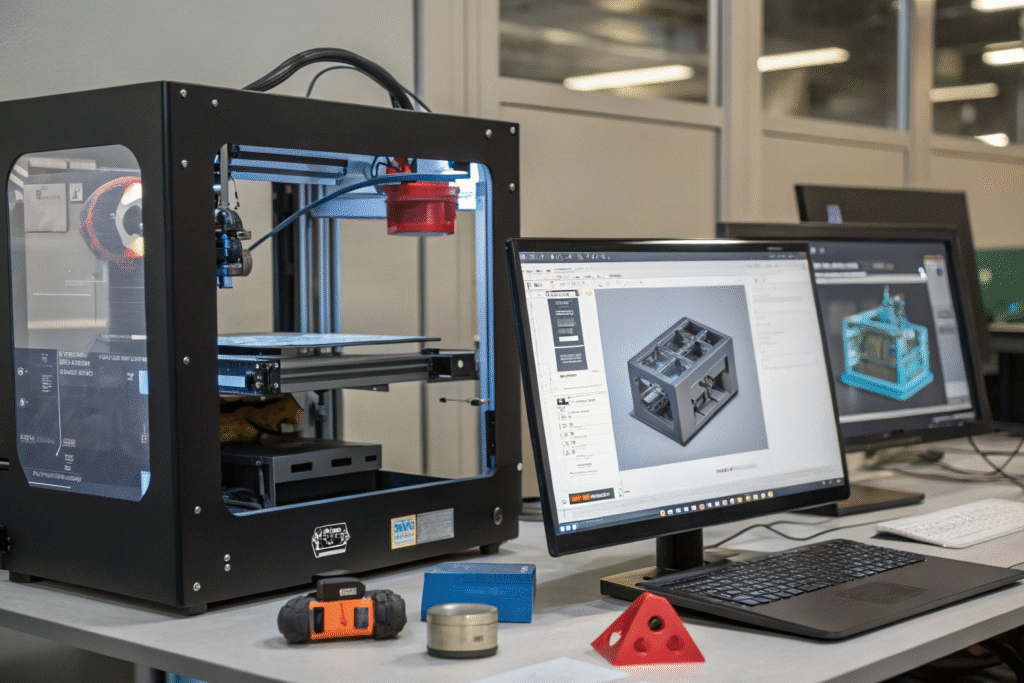
3D printing enables rapid creation of physical hairband samples directly from digital files, bypassing traditional mold-making and manual fabrication processes. Using fused deposition modeling (FDM) technology, manufacturers can produce functional hairband prototypes within 2-8 hours. For fabric-based hairbands, selective laser sintering (SLS) can create flexible, wearable samples that accurately simulate final product characteristics. The speed advantage comes from eliminating tooling requirements and enabling overnight production, allowing designers to evaluate multiple iterations in a single day rather than waiting weeks between samples.
What Virtual Sampling Technologies Are Available?
Virtual sampling uses advanced software to create photorealistic digital representations of hairbands without physical production. Using Clo3D or Browzwear VStitcher, designers can simulate how different fabrics will drape and stretch on virtual models, test various colors and patterns instantly, and evaluate fit and comfort digitally. This approach provides immediate feedback on design concepts, enabling dozens of virtual iterations before committing to physical samples. While virtual samples cannot replace physical evaluation entirely, they significantly reduce the number of physical samples needed, accelerating the overall development timeline.
What Rapid Fabrication Techniques Speed Up Physical Sampling?
Physical sampling remains essential for evaluating materials, construction, and wearability, but modern fabrication techniques have dramatically reduced the time required to produce high-quality physical samples.
Laser cutting, digital textile printing, computerized embroidery, and automated cutting systems enable rapid production of physical hairband samples with precision and consistency that matches final production quality.These technologies bridge the gap between digital design and physical evaluation.
How Does Laser Cutting Accelerate Sample Production?
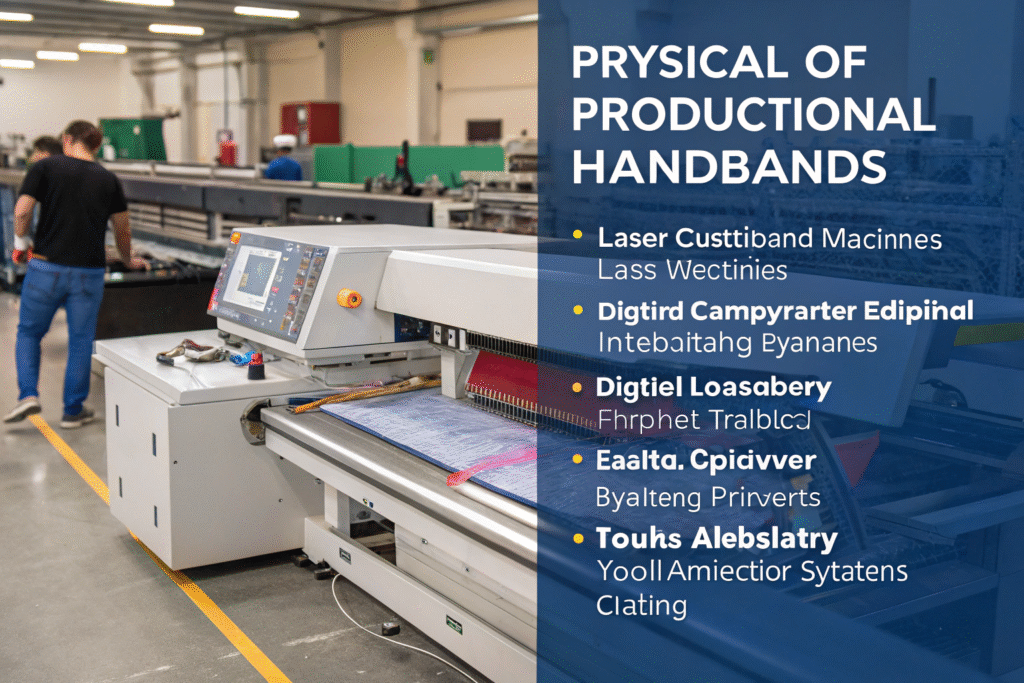
Laser cutting technology enables precise, rapid fabrication of hairband components from various materials. Using computer-controlled laser systems, manufacturers can cut intricate patterns from fabric, plastic, or metal in minutes rather than the hours required for manual cutting. This technology is particularly valuable for complex designs featuring lace patterns, intricate cutouts, or precise geometric shapes. The speed advantage comes from the elimination of manual pattern cutting and the ability to process multiple layers simultaneously, producing sample components with production-level accuracy in a fraction of the time.
What Role Does Digital Printing Play in Rapid Sampling?
Digital fabric printing allows immediate application of patterns and colors to hairband materials without minimum quantity requirements or setup costs. Using direct-to-fabric printing technology, manufacturers can print custom patterns on sample-length fabric pieces within hours rather than waiting weeks for traditional screen printing setups. This enables rapid evaluation of pattern placement, color combinations, and design aesthetics. The technology supports sampling of gradient effects, photographic images, and complex patterns that would be impractical with traditional printing methods, allowing for truly customized hairband designs with minimal time investment.
How Do Modular Systems Facilitate Rapid Sampling?
Modular sampling systems use pre-existing components and standardized elements to create custom-looking samples quickly without full custom manufacturing for each design iteration.
Component-based assembly, platform systems, mix-and-match elements, and customizable base designs enable rapid creation of diverse hairband samples by combining standardized elements in novel ways.These approaches significantly reduce sampling time while maintaining design flexibility.
What Are Component-Based Sampling Approaches?
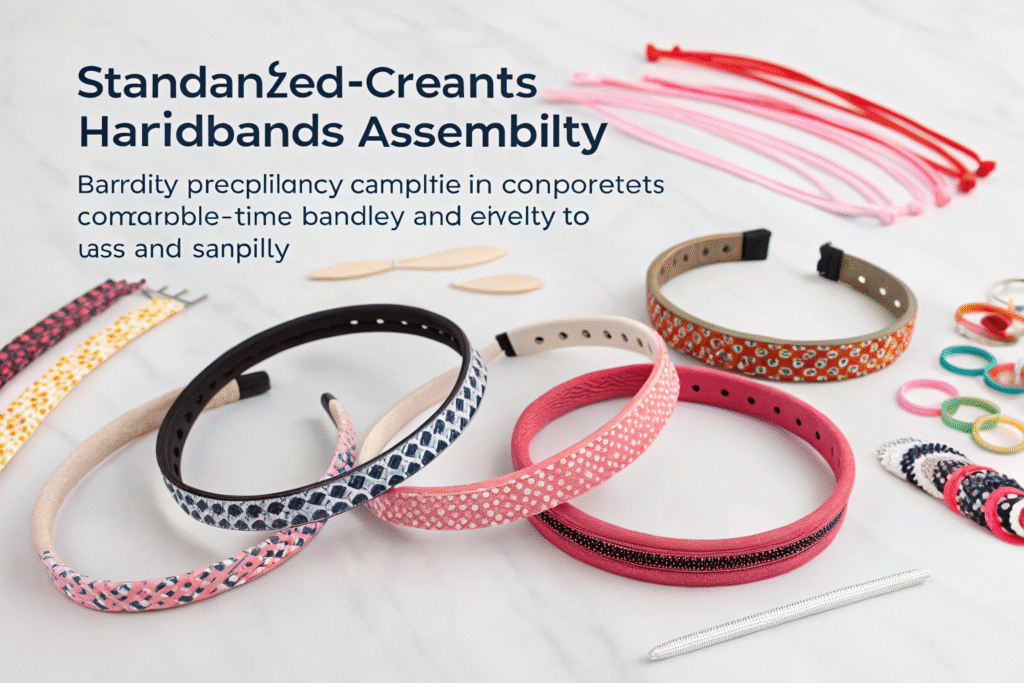
Component-based sampling uses pre-manufactured hairband elements that can be quickly assembled into complete samples. Manufacturers maintain inventory of standardized components including basic headband forms, attachment mechanisms, decorative elements, and finishing details. Designers can specify combinations of these components to create custom-looking samples without waiting for full custom manufacturing. This approach is particularly effective for hairbands featuring interchangeable decorations, mixed materials, or modular design systems. Samples can typically be assembled within hours rather than days or weeks.
How Do Platform Systems Accelerate Development?
Platform sampling uses standardized base designs that accommodate various customizations. For example, a basic headband platform might be designed to accept different decorative tops, fabric covers, or finishing elements. This platform approach allows manufacturers to produce multiple design variations using the same underlying structure, significantly reducing sampling time and costs. Designers can evaluate aesthetic variations while knowing the underlying platform has already been tested for comfort, fit, and durability. This method is particularly valuable for collections featuring coordinated designs with consistent construction.
What Expedited Traditional Methods Remain Relevant?
While digital and modular approaches offer significant speed advantages, some traditional sampling methods have been optimized for faster turnaround while maintaining the craftsmanship and material authenticity that digital methods cannot fully replicate.
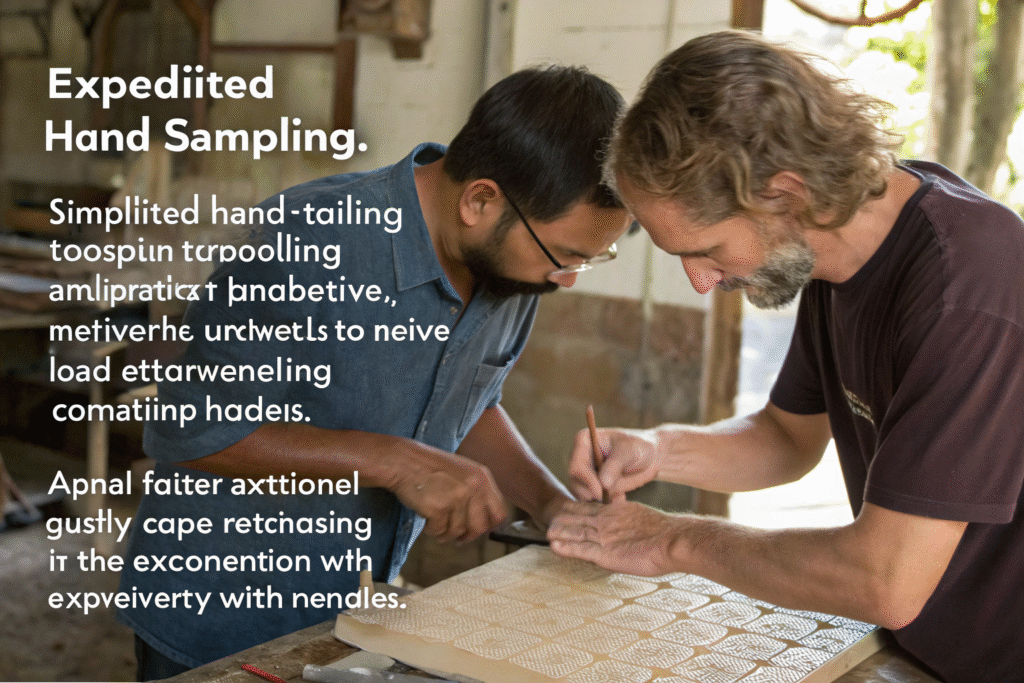
Expedited hand sampling, simplified tooling, rapid mold-making, and local artisan networks provide faster alternatives to conventional sampling while preserving the tactile quality and material authenticity essential for certain hairband designs.These methods bridge traditional craftsmanship with modern scheduling demands.
How Can Hand Sampling Be Accelerated?
Traditional hand sampling can be accelerated through strategic process improvements and specialized artisan teams. By establishing dedicated sampling departments with experienced technicians and streamlined workflows, manufacturers can reduce hand sampling time from weeks to days. Key acceleration strategies include maintaining sampling material inventories, using simplified construction techniques that approximate final methods, and implementing parallel processing where multiple artisans work on different sample components simultaneously. While still slower than digital methods, accelerated hand sampling provides authentic material representation and construction quality that digital simulations cannot fully replicate.
What Rapid Tooling Methods Support Traditional Sampling?
Rapid tooling technologies enable faster production of molds, forms, and specialized equipment required for traditional sampling methods. Using soft tooling techniques like silicone molding or 3D-printed patterns, manufacturers can create sampling tools in days rather than the weeks required for hard tooling. These methods are particularly valuable for hairbands requiring specialized forms, unique shaping, or custom plastic components. While the resulting tools have shorter lifespans than production tooling, they suffice for sampling purposes and enable evaluation of designs that would be impractical to sample using digital methods alone.
Conclusion
The fastest sampling methods for custom hairband designs combine digital technologies, rapid fabrication techniques, modular systems, and optimized traditional approaches to dramatically reduce development timelines. By strategically selecting sampling methods based on design complexity, material requirements, and evaluation needs, brands can accelerate their product development while maintaining quality and design integrity. The most effective sampling strategies often combine multiple approaches, using virtual sampling for initial concept evaluation followed by rapid physical prototyping for final validation.
If you're seeking to accelerate your custom hairband sampling process, we invite you to contact HairAcc to discuss your specific requirements. With our comprehensive sampling capabilities and experience developing thousands of hairband designs, we can help you implement rapid sampling strategies that match your design vision and timeline needs. Reach out to our Business Director Elaine at elaine@fumaoclothing.com to explore how we can accelerate your hairband development with optimal sampling methods.