
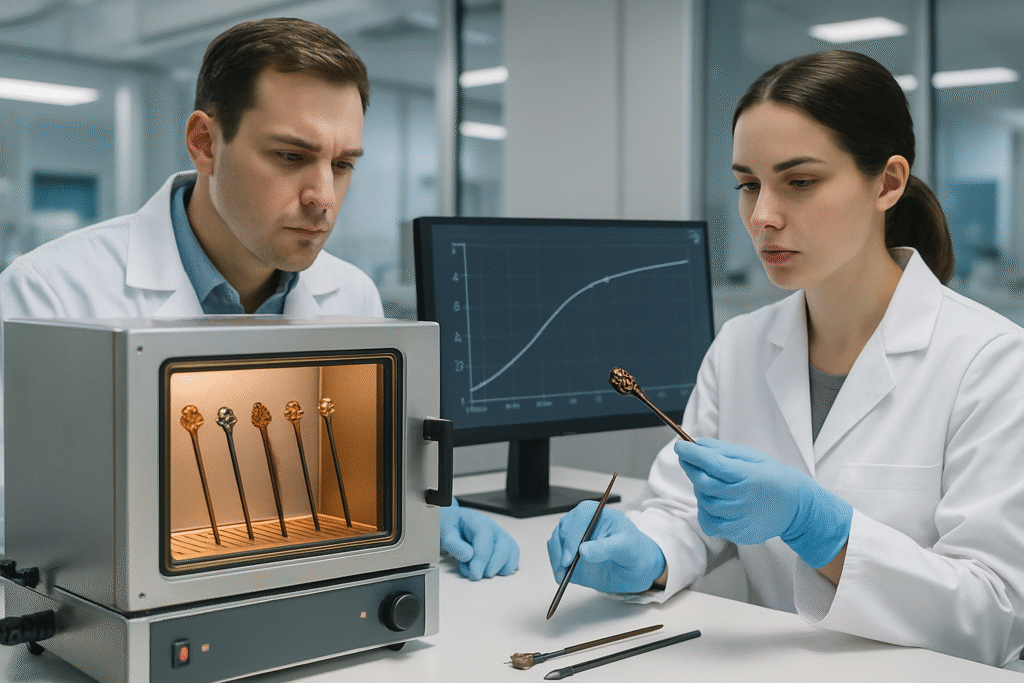
As the owner of HairAcc with extensive experience in hair accessory manufacturing, I understand the critical importance of heat resistance in hair sticks, especially for customers who use hot styling tools. Traditional materials often warp, discolor, or degrade when exposed to heat, compromising both function and aesthetics.
The most promising emerging materials for heat-resistant hair sticks include advanced engineering polymers, technical ceramics, metal composites, and enhanced natural materials that can withstand temperatures from 180°C to 400°C while maintaining structural integrity and aesthetic appeal.These innovative materials represent significant advancements over traditional options, offering superior performance for both consumers and manufacturers in the hair accessory industry.
The demand for heat-resistant hair accessories continues to grow as consumers seek products that can withstand daily styling routines and maintain their appearance over time. Based on our extensive research and development work, here are the most exciting material innovations transforming heat-resistant hair sticks.
Which Advanced Polymers Provide Superior Heat Resistance?
Advanced polymers represent a significant breakthrough in heat-resistant hair stick manufacturing, offering exceptional thermal stability combined with design flexibility that traditional materials cannot match.
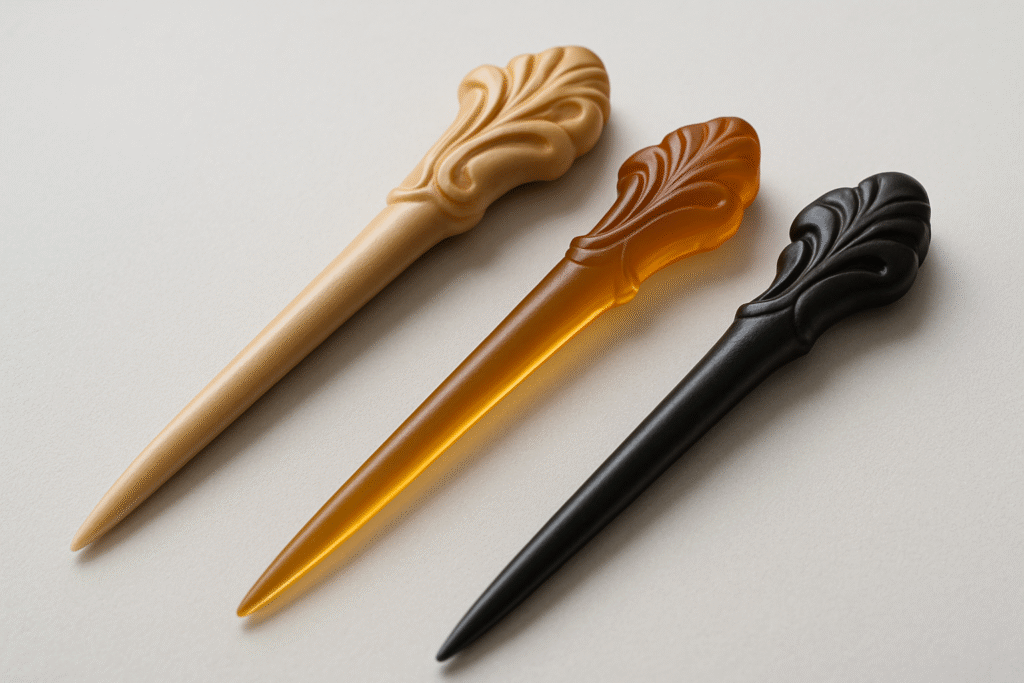
High-performance polymers including PEEK (Polyether Ether Ketone), PEI (Polyetherimide), and PPS (Polyphenylene Sulfide) offer outstanding heat resistance up to 260°C while maintaining excellent mechanical properties and manufacturing versatility for hair stick production. These materials maintain dimensional stability under thermal stress and provide consistent performance through repeated heating cycles from styling tools and environmental exposure.
What Makes PEEK Ideal for High-Temperature Applications?
PEEK stands out for its exceptional combination of thermal stability, mechanical strength, and chemical resistance. This advanced polymer maintains its structural integrity at continuous service temperatures up to 250°C, significantly exceeding the operating range of most hair styling tools. Its low thermal conductivity prevents heat transfer to the scalp, while excellent creep resistance ensures hair sticks retain their shape under prolonged heat exposure. PEEK's inherent lubricity allows smooth insertion and removal from hair, and it can be colored throughout without surface coatings that might degrade under thermal stress.
How Do PEI Compounds Enhance Thermal Performance?
Polyetherimide compounds provide an optimal balance of heat resistance, transparency options, and manufacturing efficiency. With a glass transition temperature of 217°C, PEI maintains dimensional stability under typical styling conditions. Its amorphous structure delivers consistent performance across temperature ranges, unlike semi-crystalline materials that may experience phase changes. Advanced PEI composites can incorporate specialized reinforcements to enhance heat deflection temperatures while reducing thermal expansion. These materials support intricate molding designs while withstanding repeated thermal cycling from styling tools and environmental factors.
What Role Do Technical Ceramics Play in Heat Resistance?
Technical ceramics offer unparalleled thermal performance for hair sticks, combining extreme heat resistance with elegant aesthetics and hypoallergenic properties that appeal to discerning consumers.
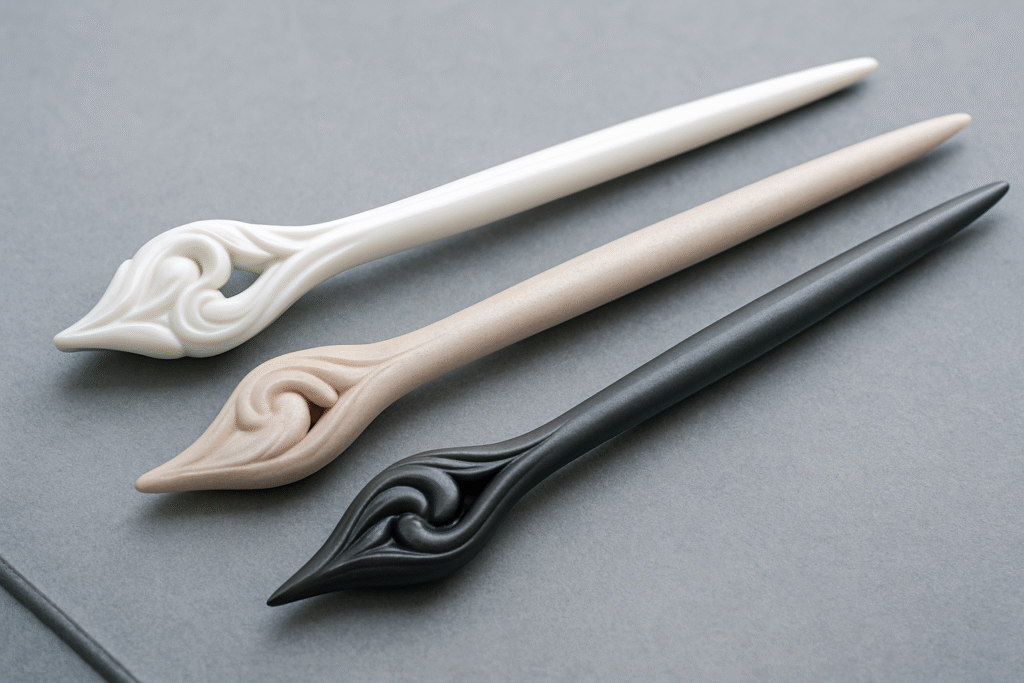
Advanced ceramics including zirconia, alumina, and silicon nitride composites provide exceptional heat resistance exceeding 400°C while offering sophisticated surface finishes and structural reliability for premium hair accessories.These materials merge traditional craftsmanship with modern material science, creating hair sticks that maintain their integrity and beauty even with direct contact to high-temperature styling tools.
Why is Zirconia Becoming Popular for Thermal Applications?
Zirconia ceramics offer an outstanding combination of thermal stability, mechanical strength, and aesthetic versatility. With a thermal expansion coefficient similar to steel, zirconia effectively resists thermal shock from rapid temperature changes common in styling environments. Its transformation toughening mechanism provides superior fracture resistance compared to traditional ceramics, effectively addressing breakage concerns. Zirconia's biocompatibility certification ensures safety for direct scalp contact, while its natural white color serves as an ideal base for decorative applications. Recent developments in colored zirconia through advanced doping techniques have expanded design possibilities while preserving the material's inherent heat resistance.
How Are Advanced Glass Composites Evolving?
Innovative glass composites represent an emerging category that combines the transparency of traditional glass with enhanced thermal and mechanical properties. Lithium aluminosilicate glass-ceramics feature near-zero thermal expansion, making them exceptionally resistant to thermal shock from styling tools. These materials withstand repeated cycling between room temperature and 300°C without performance degradation. Breakthroughs in strengthened glass composites have overcome traditional brittleness through compressive stress engineering and composite structuring. The inherent smoothness of glass ensures excellent hair compatibility without snagging, while material stability enables permanent decorative integration rather than vulnerable surface applications.
What Sustainable Materials Offer Natural Heat Resistance?
The increasing consumer demand for eco-friendly beauty products has accelerated innovation in sustainable materials with inherent heat resistance, combining environmental responsibility with functional performance.
Enhanced natural materials including thermally-modified wood, processed bamboo derivatives, and advanced bio-polymers provide surprising heat resistance through sophisticated processing techniques, offering sustainable alternatives for environmentally conscious hair stick applications.These materials leverage natural structural properties enhanced through modern technology to meet the demands of contemporary styling environments.

How Does Thermally-Modified Bamboo Improve Performance?
Bamboo's natural silica content and cellular structure provide inherent thermal stability that can be substantially enhanced through controlled thermal processing. The torrefaction process involves heating bamboo to 185-230°C in oxygen-controlled environments, removing moisture and volatile compounds while increasing carbon content. This treatment creates dimensional stability superior to untreated wood, with reduced hygroscopicity preventing moisture-related deformation. The process naturally enriches the material's color while emphasizing unique grain patterns, enhancing visual appeal. Resulting hair sticks withstand direct contact with styling tools up to 200°C while preserving structural integrity and surface quality.
What Bio-Polymers Deliver Practical Heat Resistance?
Advanced polylactic acid composites and cellulose-based biopolymers have overcome initial limitations through innovative formulation and reinforcement strategies. Heat-stabilized PLA compounds incorporating natural fibers and specialized fillers achieve heat deflection temperatures exceeding 120°C, adequate for most styling applications. These materials offer thermoplastic processing benefits with improved sustainability profiles. Meanwhile, cellulose nanocrystal composites derived from agricultural byproducts demonstrate remarkable thermal stability due to high crystallinity and nanoscale reinforcement of biopolymer matrices. These sophisticated bio-composites support detailed hair stick designs while enduring repeated exposure to styling temperatures.
How Do Composite Materials Advance Thermal Management?
Composite materials represent the cutting edge of heat-resistant hair stick development, integrating multiple material types to achieve performance characteristics impossible with single-material solutions.
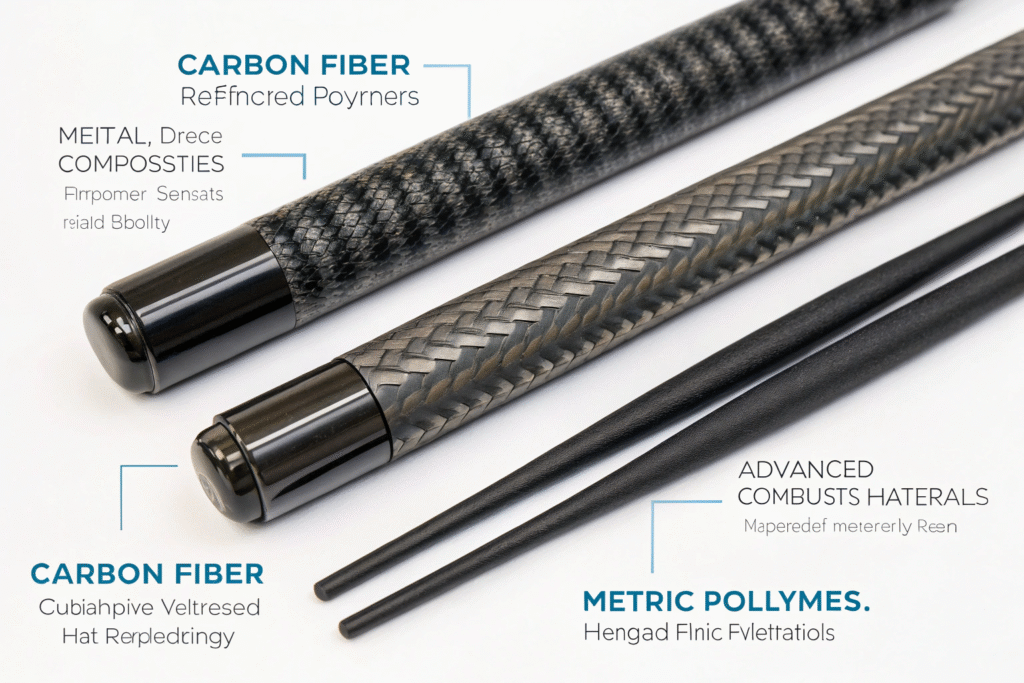
Carbon fiber reinforced polymers, metal matrix composites, and advanced hybrid materials provide customized thermal properties that combine constituent material benefits while minimizing individual limitations for optimal hair stick performance.These engineered materials can be specifically designed for thermal management, mechanical durability, and aesthetic requirements in hair accessory applications.
What Benefits Do Carbon Fiber Composites Provide?
Carbon fiber composites deliver an exceptional strength-to-weight ratio combined with thermal stability and conductivity control. The carbon fibers themselves remain virtually unaffected by styling tool temperatures, while advanced polymer matrices can be selected for specific thermal performance requirements. The anisotropic nature of carbon composites enables designers to orient fibers for optimal heat resistance along the hair stick's length while maintaining flexibility in other directions. The material's contemporary aesthetic appeals to modern design preferences, and its lightweight nature ensures wearing comfort. Recent progress in sustainable carbon fibers from bio-based precursors further improves the environmental profile of these advanced composites.
How Do Metal Matrix Composites Enhance Thermal Performance?
Aluminum and titanium matrix composites incorporating ceramic or carbon reinforcements offer unique thermal management capabilities for hair sticks. These materials combine metal thermal conductivity with ceramic stability, effectively dissipating heat from direct contact areas. Silicon carbide aluminum composites can be engineered with specific thermal expansion coefficients matching other components, preventing stress at material junctions. The resulting hair sticks endure direct contact with high-temperature styling tools while remaining comfortable to handle shortly after exposure. These composites support anodizing or durable coating applications for aesthetic customization while maintaining thermal performance characteristics throughout the product lifecycle.
Conclusion
The landscape of heat-resistant materials for hair sticks is experiencing rapid transformation, driven by consumer expectations for products that withstand daily heat styling and advancements in material science and manufacturing technology. From advanced polymers and technical ceramics to sustainable bio-materials and engineered composites, manufacturers now have unprecedented options for creating hair sticks that deliver thermal performance alongside aesthetic appeal and functional excellence.
If you're interested in developing heat-resistant hair sticks using these emerging materials, we invite you to contact HairAcc to discuss your specific requirements. With our comprehensive material testing experience and manufacturing capabilities, we can help you select optimal materials for your heat-resistant hair accessory projects. Reach out to our Business Director Elaine at elaine@fumaoclothing.com to explore how we can incorporate innovative, heat-resistant hair sticks into your collection.