
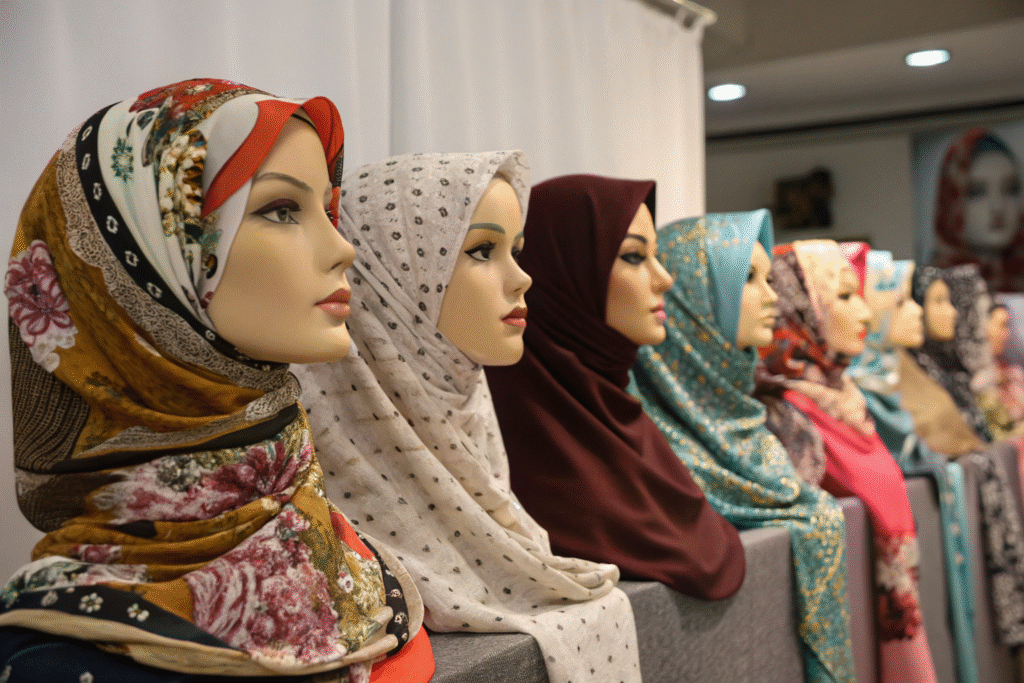
Headscarves represent one of the most versatile and timeless hair accessories in fashion history. They combine functionality with style, serving practical purposes while making strong fashion statements. From protecting hair against wind and sun to completing elegant outfits, headscarves have maintained their popularity across cultures and generations.
Headscarves come in numerous styles including traditional square and rectangular wraps, modern twist-front and turban styles, cultural hijabs and gele, and fashion-forward bandana and bow styles.Each type serves different functions—from religious observance and cultural expression to fashion statements and practical hair protection. Understanding these variations helps you choose the perfect style for any occasion while appreciating the rich cultural heritage behind each design.
Let's explore the fascinating world of headscarf styles and discover how each type can enhance your personal style while serving practical purposes.
What Are the Basic Headscarf Shapes and Their Traditional Uses?
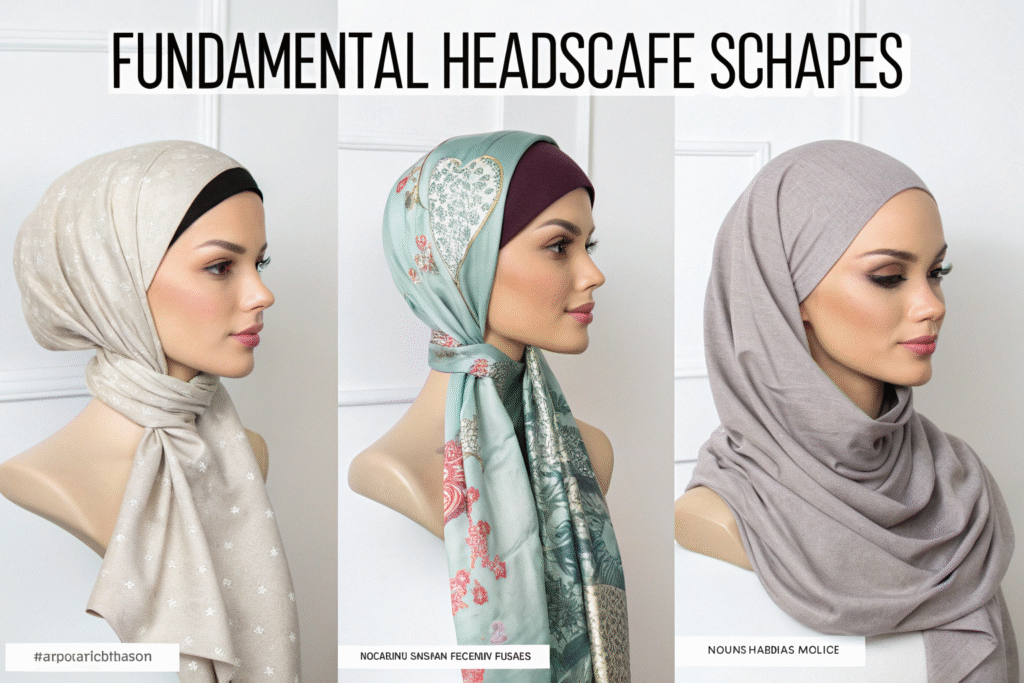
Understanding fundamental headscarf shapes is essential for mastering different wrapping techniques and styles. The shape largely determines how the scarf can be worn and what styles it's best suited for.
The most common shapes are squares and rectangles, each offering distinct advantages for different wrapping methods. Square scarves typically measure between 20x20 inches to 40x40 inches, making them ideal for triangular wraps, bandana styles, and quick ties. Rectangular scarves, usually measuring around 12x60 inches or larger, work excellently for turban styles, head wraps, and longer, flowing designs that drape over the shoulders.
How Do Square Scarves Differ From Rectangular Ones?
Square scarves offer exceptional versatility for casual and formal styles alike. Their symmetrical shape makes them perfect for classic triangle wraps where the scarf is folded diagonally and tied under the chin—a style popularized in vintage fashion and still beloved today. Square scarves also work wonderfully for creating the popular "50s style" where the scarf covers the head completely and ties neatly at the nape of the neck.
Rectangular scarves provide more length for elaborate wrapping techniques. Their extended shape allows for multiple wraps around the head, creating secure turban styles that stay in place throughout the day. The extra length also enables beautiful draping effects, where one end can be left longer to cascade over the shoulder or back. This makes rectangular scarves particularly popular for elegant evening wear and special occasions where dramatic presentation matters.
What Are the Standard Dimensions for Different Headscarf Types?
Headscarf dimensions vary significantly based on their intended use and cultural origins. Standard square scarves typically range from 22x22 inches for lighter coverage to 36x36 inches for fuller coverage. Bandanas usually measure 22x22 inches, while larger square scarves for more comprehensive wrapping measure up to 40x40 inches.
For rectangular scarves, dimensions show even greater variation. Long, thin scarves measure approximately 12x60 inches, ideal for wrapping multiple times. Standard rectangular fashion scarves often measure 28x70 inches, while extra-large wraps can reach 35x90 inches for maximum coverage and styling options. Understanding these dimensions helps in selecting the right scarf for your desired style and ensures the fabric behaves as expected during wrapping.
Which Cultural and Religious Headscarf Styles Should You Know?
Headscarves hold profound cultural and religious significance across many societies. Understanding these styles demonstrates cultural awareness and appreciation for the diverse meanings head coverings carry worldwide.
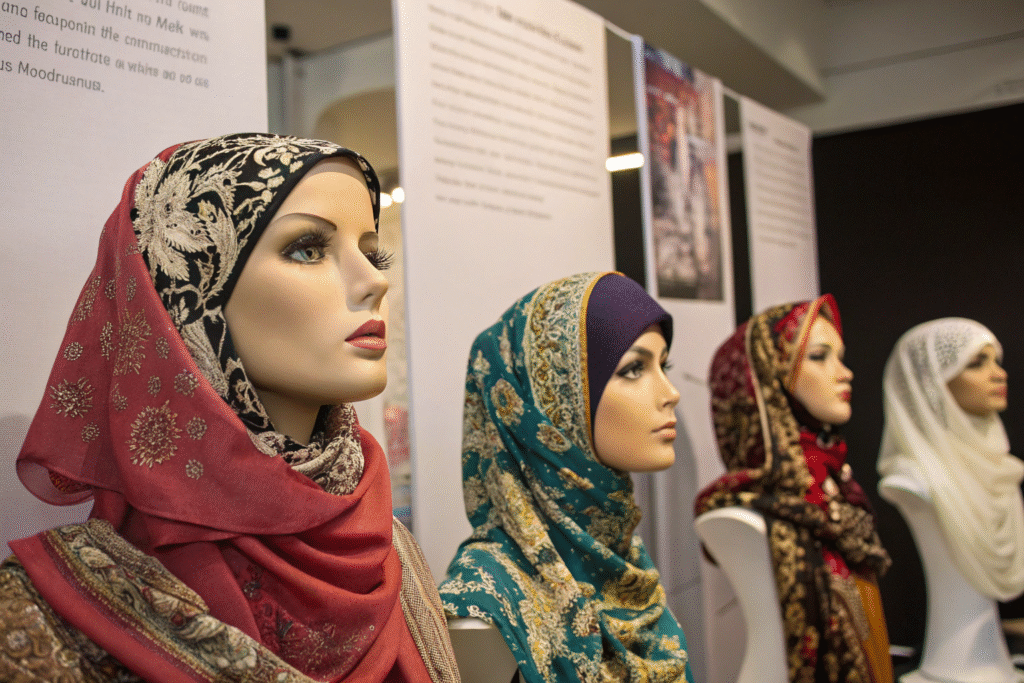
The hijab represents one of the most recognized religious head coverings, worn by Muslim women as an expression of faith and modesty. Styles vary globally, from simple wraps to elaborate designs incorporating underscarves (bonnets) and pins for secure placement. The Nigerian gele, a traditional headwrap worn for special occasions, showcases elaborate folding and tying techniques using stiff, beautiful fabrics that create striking architectural shapes above the forehead.
What Are the Fundamental Hijab Styles and Their Variations?
Modern hijab styles have evolved into a diverse range of fashionable expressions while maintaining modesty standards. The basic hijab involves draping a rectangular scarf over the head and securing it under the chin or at the shoulders, but numerous variations exist. The Turkish style often features more volume at the crown and elaborate folding at the neckline, while the Indonesian style tends toward softer draping with decorative brooches.
Contemporary hijab fashion includes instant hijabs (pre-sewn for easy wearing), jersey hijabs known for their stretch and comfort, and chiffon hijabs that offer lightweight elegance. Many Muslim women also incorporate fashion trends like layering two scarves for color contrast, creating side drape effects, or adding decorative elements that express personal style while honoring religious principles.
How Do Cultural Headwraps Like Gele and Dhuku Differ?
African headwraps showcase incredible diversity and cultural significance across the continent. The Nigerian gele, typically made from stiff fabrics like aso-oke or Dutch wax print cotton, is characterized by its upright, sculptural quality. Geles are often tied to complement traditional outfits for weddings, religious ceremonies, and other important celebrations, with more elaborate styles indicating special occasions.
The dhuku or headwrap common in Southern Africa serves both practical and symbolic purposes. Unlike the gele's upright structure, dhukus fit more closely to the head and are often tied at the top with ends arranged decoratively. These wraps can signify marital status, age, or social position within some communities, while also protecting hair from the elements. The tying technique and fabric choice communicate specific cultural messages understood within each community.
What Are the Most Popular Fashion Headscarf Styles Today?
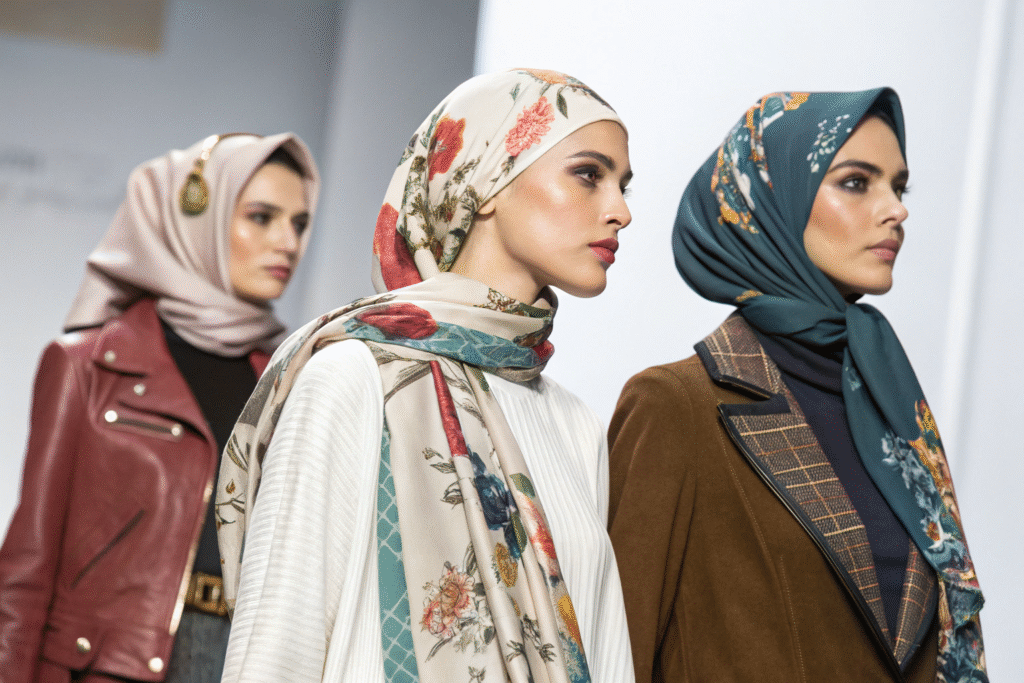
Contemporary fashion has embraced headscarves as versatile style statements that transcend seasons and trends. Modern interpretations blend traditional techniques with current fashion sensibilities, creating fresh looks that appeal to diverse audiences.
The bandana style has seen significant resurgence, often worn as a headband with the knot positioned at the crown, nape, or side of the head. This style works equally well for casual daytime outfits and edgier evening looks. The turban style, inspired by global traditions but adapted for modern fashion, offers a sophisticated option that keeps hair securely contained while making a strong style statement.
How Can You Create Modern Styles Like the Twist Front and Headband Wrap?
The twist front style has become a contemporary classic for its elegant simplicity. This style involves folding a square scarf into a triangle, placing the long edge at the hairline, then twisting the two ends before tying them at the nape. The result creates beautiful volume and texture at the front while keeping hair neatly contained. This style works particularly well with silk and satin scarves that hold their shape while feeling comfortable against the skin.
Headband wraps offer endless creative possibilities for incorporating scarves into everyday style. The simplest version involves folding a square scarf into a long strip and tying it around the head like a traditional headband. More elaborate versions include creating a "crown" wrap where the scarf encircles the head completely, or leaving long ends to incorporate braids or loose waves. These styles are perfect for adding color and pattern to simple outfits while keeping hair away from the face.
What Are the Key Differences Between Casual and Formal Headscarf Styles?
Casual headscarf styles prioritize comfort, simplicity, and quick application. Bandana ties, simple headbands, and loose wraps that can be thrown on quickly characterize this category. These styles often use cotton, jersey, or other comfortable fabrics that withstand daily activities without needing constant adjustment. Casual styles frequently incorporate playful patterns, bright colors, and smaller scarf sizes that are easy to manage.
Formal headscarf styles feature more intricate wrapping techniques, luxurious fabrics, and sophisticated details. Silk, chiffon, and satin scarves in solid colors or elegant patterns dominate this category. Formal styles often involve more secure fastening with hidden pins, elaborate knots or bows, and complementary accessories like brooches or jeweled pins. The turban style, when executed with precision using high-quality materials, transitions beautifully from daytime elegance to evening glamour for special occasions.
How Do You Choose Headscarves Based on Material and Season?
Selecting the right fabric is crucial for both comfort and achieving your desired style. Different materials drape, tie, and feel differently against the skin and hair, making fabric choice as important as the style itself.
Summer calls for lightweight, breathable fabrics like cotton, linen, and viscose that allow air circulation and absorb moisture. These materials prevent overheating while providing sun protection for hair and scalp. Winter styles benefit from warmer materials like wool, cashmere, and thicker silks that provide insulation against cold weather while maintaining elegance.
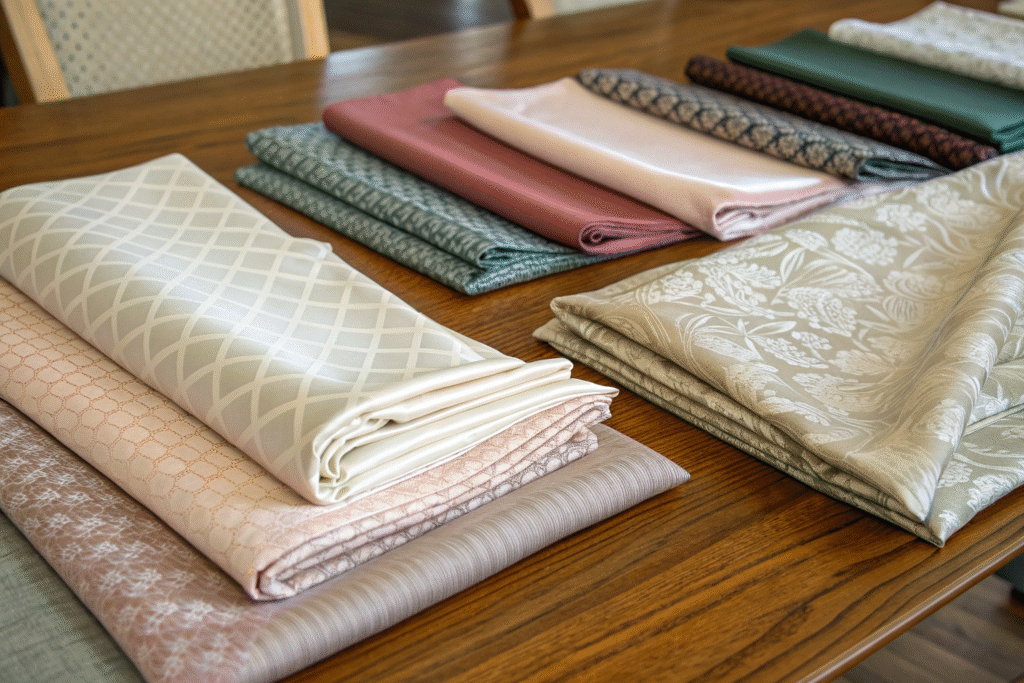
What Are the Best Fabrics for Different Headscarf Styles?
Silk remains the premium choice for formal occasions and sensitive skin. Its smooth surface minimizes friction that can cause hair breakage and doesn't absorb natural oils from hair and skin. Silk's natural drape creates beautiful, fluid shapes in styles like the turban or loose wrap. However, silk can be slippery, making some styles more challenging to maintain without secure fastening.
Cotton offers exceptional versatility across multiple styles. Its slight texture provides grip that helps styles stay in place, while its breathability makes it comfortable for extended wear. Cotton works particularly well for structured styles like the gele, detailed wraps requiring multiple folds, and casual everyday wear. Cotton blends with some synthetic fibers can enhance durability and reduce wrinkling while maintaining comfort.
How Does Seasonal Weather Influence Headscarf Selection?
Seasonal changes significantly impact headscarf choices for both practical and stylistic reasons. Summer styling favors lighter colors that reflect sunlight, natural fibers that breathe well, and smaller scarf sizes that provide coverage without trapping heat. Popular summer styles often leave more hair exposed or incorporate loose, airy wraps that facilitate ventilation.
Winter headscarf fashion embraces richer, deeper colors, heavier fabrics, and more comprehensive coverage styles that provide warmth. The turban style becomes particularly practical in cold weather as it covers more of the head and ears while creating an elegant silhouette that works with bulkier winter clothing. Additionally, winter styles often incorporate layering—such as wearing a thinner underscarf for comfort beneath a decorative outer scarf—to enhance warmth without sacrificing style.
Conclusion
Headscarves offer an incredible range of styling possibilities that span cultural traditions, religious practices, and fashion trends. From the structured elegance of the gele to the casual charm of a bandana, each style carries its own history and aesthetic appeal. Understanding the different types—their fabrics, tying techniques, and appropriate occasions—empowers you to incorporate headscarves meaningfully into your wardrobe.
Whether you're seeking practical hair protection, cultural expression, or a fashion statement, there's a headscarf style perfectly suited to your needs. The versatility of this timeless accessory ensures its continued relevance across cultures and fashion generations. At HairAcc, we celebrate this diversity by offering a wide range of scarves in various materials, sizes, and patterns to support your unique style journey.
Ready to explore our collection of headscarves or discuss custom designs for your business? Contact our Business Director Elaine at elaine@fumaoclothing.com to discover how we can help you find or create the perfect headscarves for your needs.