
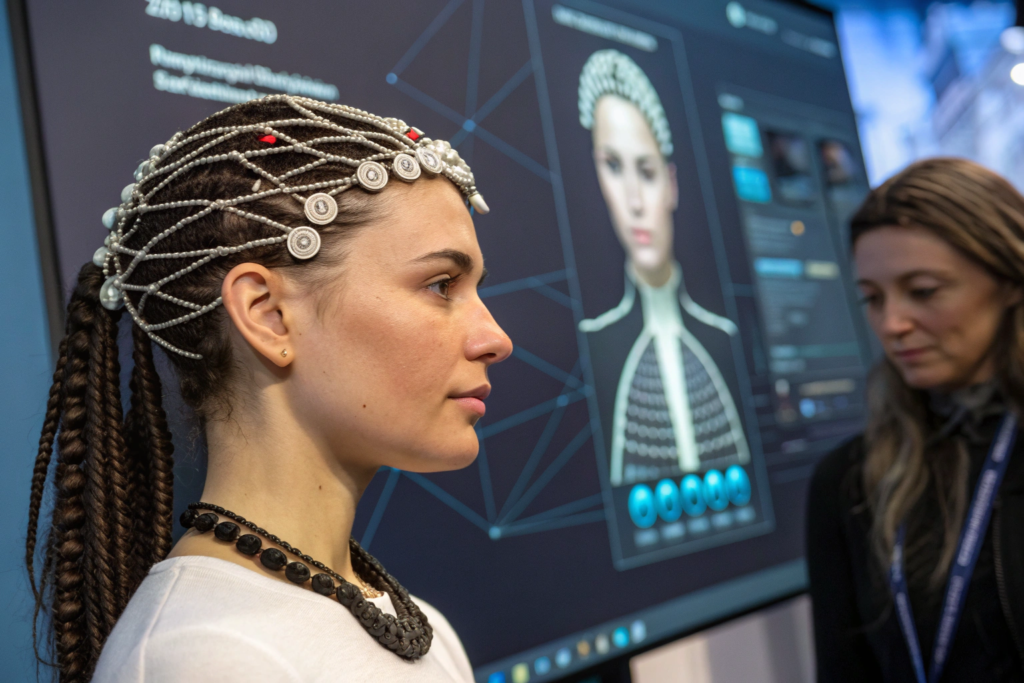
The integration of hair accessories into metaverse avatars is less about selecting a physical product and more about understanding the digital pipeline. The "best" accessories are those that align with the technical requirements of 3D avatar creation, animation, and customization platforms. The core challenge lies in translating a physical accessory into a digital asset that is simulation-ready, technically compatible, and highly customizable.
For a manufacturer and brand, the opportunity is not to sell physical items but to create digital asset libraries (DLC) or partner with platforms to offer branded digital accessories. These can range from complex, physics-simulated items to simple decorative add-ons. Success depends on navigating the layers of avatar creation—from the underlying generative AI models to the user-facing customization interfaces in popular platforms.
Let's break down the technical landscape to understand what types of hair accessories are viable and how they integrate at different stages of the avatar pipeline.
What are the Technical Foundations for Simulating Hair Accessories?
The most advanced avatar systems aim for realism, where hair and accessories react physically to movement. This requires a layered architecture rather than a single, static model.
How Do Current Systems Separate and Simulate Hair?
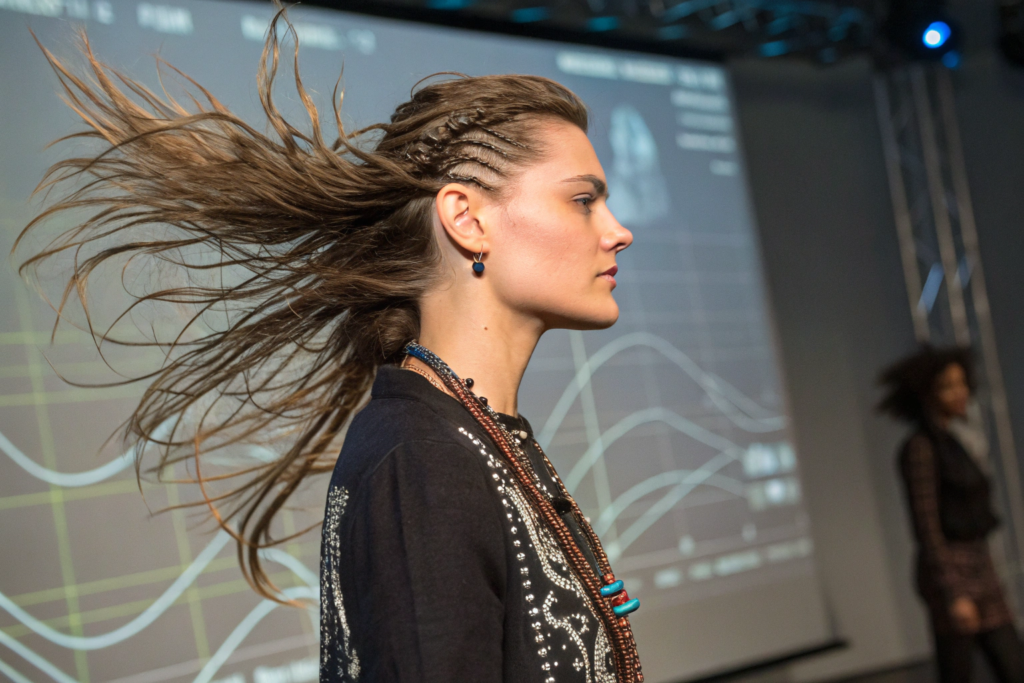
Recent research, like the SimAvatar framework, highlights a critical advancement: treating the hair, body, and garments as separate, simulation-ready layers instead of one fused model. This is fundamental for accessories.
- Hair Strands: Hair is generated as individual strands that can be moved by physics or neural simulators.
- Separate Mesh for Accessories: Following this logic, an ideal hair accessory (like a complex headband or scarf) would be its own separate mesh layer that interacts with the underlying hair and body.
- Simulation Compatibility: This layered approach allows the accessory to have realistic, pose-dependent motion. For example, a loose silk scarf in the hair would flow and drape differently when the avatar runs versus stands still.
What are the Main Integration Methods ("Binding" Types)?
Professional 3D tools define how an accessory attaches to an avatar's body, which dictates its visual behavior. The main methods are:
- Rigid Binding: Ideal for hard, non-deformable items. A plastic headband, metal hair clip, or rigid hair stick would use this method. It follows the head's movement perfectly without bending.
- Soft Body Binding: Essential for fabric-based items. A cloth headband, knitted beanie, or fabric scrunchie would use this to wrinkle and stretch naturally with motion.
- Chain Binding: Used for long, dangling items. An accessory with chains, beads, or long tassels hanging from the hair would use this to swing independently while staying attached.
Choosing the correct binding type during the digital asset creation process is the first step to ensuring an accessory looks and feels right in the virtual world.
How Do Major Avatar Platforms Enable Hair and Accessory Customization?
Accessories must ultimately be compatible with the platforms where users create and customize their avatars. Leading systems offer different levels of control.
How Does MetaHuman Handle Hair and Add-Ons?
Epic Games' MetaHuman platform provides a professional-grade, modular system for building high-fidelity avatars.
- The "Wardrobe" System: Hair styles and accessories are treated as wearable assets in a virtual wardrobe. Users can swap, add, and layer these items.
- Deep Customization: Beyond choosing a style, users can recolor hair (adjusting melanin, dye, redness), add highlights or ombre effects, and control properties like roughness and whiteness.
- Integration Path: For a brand, creating a "MetaHuman-compatible Groom asset" would allow your digital hair accessory to be added to this wardrobe system for users to discover and wear.
How Do Cross-Platform Services like Ready Player Me Work?
Platforms like Ready Player Me focus on broad accessibility and cross-platform use (e.g., used in over 4,000 apps and games).
- API-Driven Customization: Users can generate and customize avatars via an API. Parameters like
hairColorandhairStyleare standard, and the system can be extended to include accessory options. - Brand Collaboration Model: This is a key entry point for brands. L'Oréal Professionnel partnered with Ready Player Me (and platforms like Zepeto and Roblox) to release the "Gravitas" collection of digital hairstyles, directly embedding branded styles into the avatar creation flow. A hair accessory brand could pursue a similar partnership.
What Types of Hair Accessories are Most Suitable for Digital Integration?
Based on the technical and platform constraints, some accessory categories translate to the metaverse more effectively than others.
Which Accessories Align Best with Current Technology?
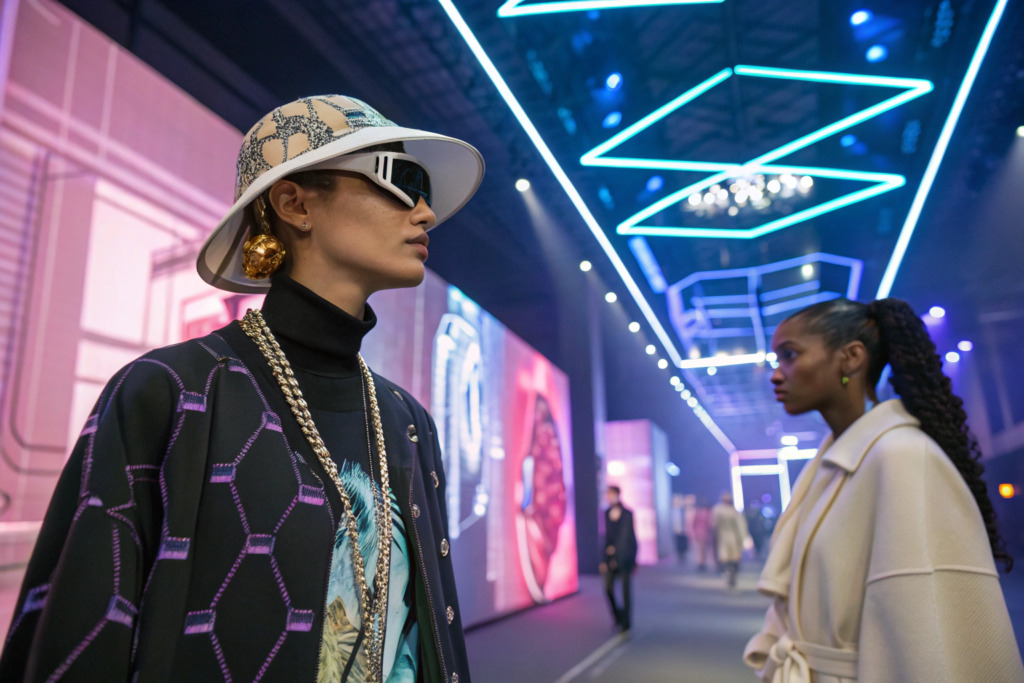
- Digital-First Hairstyles: The most direct and popular integration. These are not "accessories" added to hair, but complete hairstyles as digital assets. This is what L'Oréal Professionnel and many gaming companies sell. As a hair accessory brand, you could design signature hairstyles (e.g., "The Luxe Ponytail with Crystal Wrap") as a full Groom asset.
- Decorative Add-Ons: Items that can be "snapped onto" existing hairstyles. Think of digital hair clips, pins, ribbons, or small headbands. These would typically use rigid or simple soft-body binding and are easier to produce and integrate across different base hairstyles.
- Head-Wrapping Fabrics: Headscarves, turbans, and bandanas are excellent candidates for soft-body simulation. Their large surface area makes dynamic cloth simulation visually impressive and desirable for users seeking modest fashion or distinctive style in the metaverse.
- Dynamic "Hair Jewelry": Items like chain-linked hair cuffs, beaded strands, or hair rings that dangle. These would require chain binding to simulate proper swing physics.
What are the Technical and Creative Challenges?
- Physics vs. Performance: Highly realistic soft-body simulation (for a loose scarf) is computationally expensive and may not be supported in all real-time applications like mobile games.
- Hair Clipping: This is a major issue. A complex digital hair accessory must be designed to fit a wide variety of underlying hair volumes and shapes without visibly intersecting ("clipping through") the hair geometry.
- Standardization & Compatibility: An asset made for MetaHuman may not work directly in Ready Player Me or a custom game engine. Each platform has its own skeleton, material system, and import requirements.
What Does This Mean for Your Business Strategy?
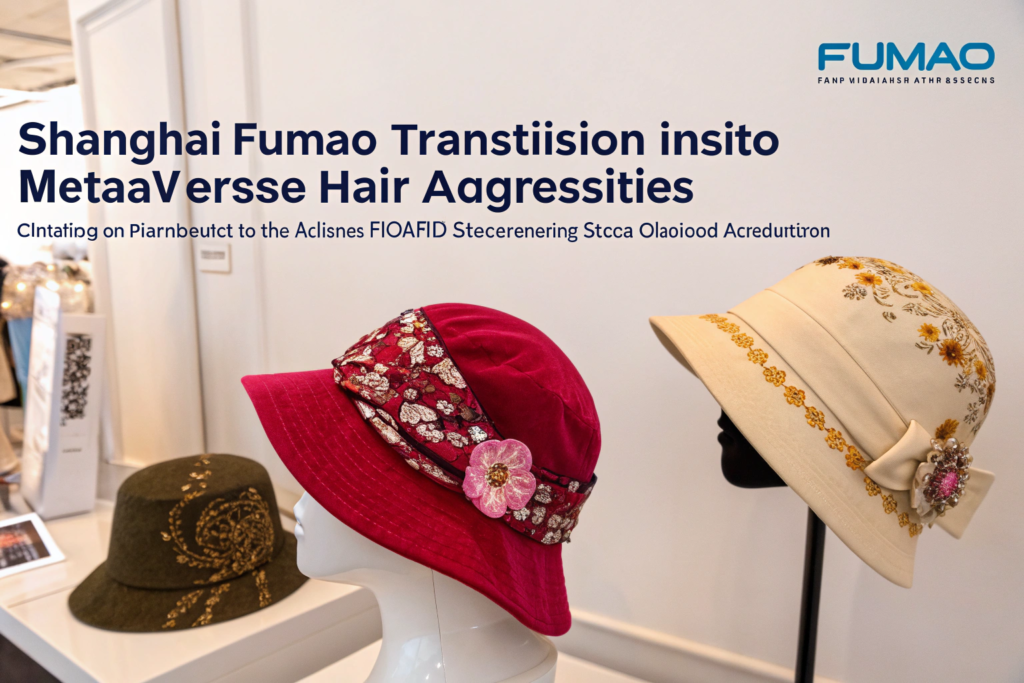
For Shanghai Fumao Clothing, venturing into metaverse hair accessories means transitioning from physical manufacturing to digital asset creation and licensing.
What are the Potential Business Models?
- Digital Asset Licensing: Create libraries of branded digital hair accessories and license them to game developers, VR/AR app creators, or avatar platform companies.
- Direct-to-Consumer (D2C) in Virtual Worlds: Partner with platforms like Roblox, Zepeto, or Ready Player Me to sell your digital accessories directly to users within their marketplaces, similar to L'Oréal's strategy.
- Phygital Bundles: Offer a limited-edition physical hair accessory that comes with a unique code to redeem its digital counterpart for the user's avatar, bridging the physical and digital brand experience.
What are the Key Steps to Start?
- Invest in 3D Design Expertise: You need 3D modelers and texture artists skilled in tools like Blender, Maya, or ZBrush, with knowledge of PBR (Physically Based Rendering) materials.
- Choose a Target Platform: Decide whether to aim for high-fidelity systems (like MetaHuman for film/enterprise) or mass-market platforms (like Ready Player Me for social/gaming). This dictates your technical specifications.
- Prototype and Test: Create a simple accessory (like a digital scrunchie) for your chosen platform. Test it for clipping issues, visual quality at different distances (LODs), and performance impact.
- Explore Partnerships: Reach out to avatar platform business development teams to understand partnership opportunities, technical requirements, and revenue share models.
Conclusion
The best hair accessories for metaverse integration are those designed as native digital assets from the start, created with an understanding of layered simulation, platform-specific binding methods, and user customization systems. The market is moving beyond static decoration toward dynamic, physics-aware items that enhance avatar realism and expressiveness.
For your business, this shift opens a new revenue stream in digital fashion. The path forward involves building 3D design capabilities, strategically selecting initial platforms for launch, and exploring collaborations with avatar service providers. The brands that will lead are those that view their products not just as physical objects, but as editable, programmable, and transmittable elements of digital identity.
If Shanghai Fumao Clothing is ready to explore translating your physical hair accessory expertise into the digital realm, we can help navigate this transition. From connecting you with 3D design partners to strategizing initial platform entry, we can assist in building your metaverse product line. To discuss a roadmap for creating and monetizing digital hair accessories, please contact our Business Director, Elaine, at elaine@fumaoclothing.com for a consultation.