

As the owner of HairAcc with extensive experience in eco-friendly hair accessory development, I understand the growing demand for sustainable alternatives to conventional plastic hair ties. The environmental impact of traditional hair ties has become increasingly concerning, driving innovation in biodegradable, recycled, and natural material solutions.
The most effective sustainable alternatives to plastic hair ties include organic cotton, natural rubber, bamboo fiber, silk, hemp, recycled materials, and innovative biodegradable polymers that offer comparable functionality while significantly reducing environmental impact.These materials provide viable solutions for consumers seeking to reduce their plastic consumption without sacrificing hair tie performance or convenience.
The sustainable hair accessory market continues to evolve as consumers become more environmentally conscious and seek products aligned with their values. Based on our experience developing eco-friendly hair solutions, here's a comprehensive guide to sustainable alternatives that combine environmental responsibility with practical functionality.
Which Natural Fiber Options Offer Practical Alternatives?
Natural fibers represent the most straightforward sustainable alternative to plastic hair ties, offering biodegradability, renewable sourcing, and often better hair compatibility than synthetic options.
Organic cotton, bamboo viscose, hemp, linen, and silk provide excellent natural fiber alternatives that combine hair-friendly properties with environmental sustainability through renewable sourcing, biodegradability, and reduced chemical processing.These materials offer varying benefits for different hair types and usage scenarios while maintaining eco-friendly credentials.
Why is Organic Cotton a Leading Sustainable Choice?
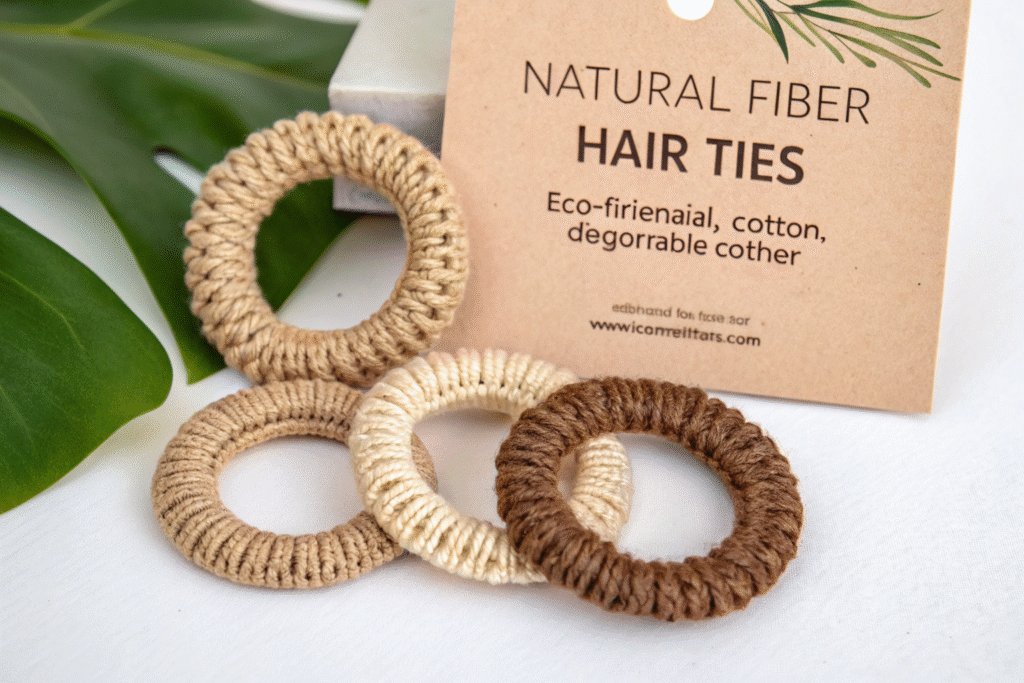
Organic cotton stands out as a premier sustainable alternative due to its biodegradability and renewable nature. Unlike conventional cotton, organic cultivation prohibits synthetic pesticides and fertilizers, reducing environmental impact and water contamination. Organic cotton hair ties are gentle on hair, reducing breakage and split ends while providing secure hold. The material's natural breathability makes it comfortable for extended wear, and its durability ensures reasonable product lifespan. Manufacturers are increasingly using Global Organic Textile Standard (GOTS) certified cotton, providing verifiable sustainability credentials that appeal to environmentally conscious consumers.
How Does Bamboo Fiber Compare for Hair Ties?
Bamboo viscose offers exceptional sustainability advantages due to bamboo's rapid growth rate and minimal resource requirements. Bamboo hair ties provide natural antibacterial properties, moisture-wicking capabilities, and superior softness that's gentle on hair. The fiber's natural elasticity creates comfortable hold without excessive tension, reducing hair damage. However, it's crucial to source from manufacturers using closed-loop processing systems that minimize chemical use and water waste. Look for Oeko-Tex or FSC certification to ensure environmentally responsible bamboo sourcing and processing methods.
What Innovative Materials Are Emerging in Sustainable Hair Ties?
Beyond traditional natural fibers, several innovative materials are entering the sustainable hair tie market, offering unique environmental benefits and performance characteristics.
Natural rubber, recycled ocean plastic, biodegradable polymers, plant-based composites, and upcycled materials represent the cutting edge of sustainable hair tie innovation, combining advanced functionality with reduced environmental impact.These materials address specific sustainability challenges while maintaining practical hair tie performance.
How Does Natural Rubber Compare to Synthetic Alternatives?
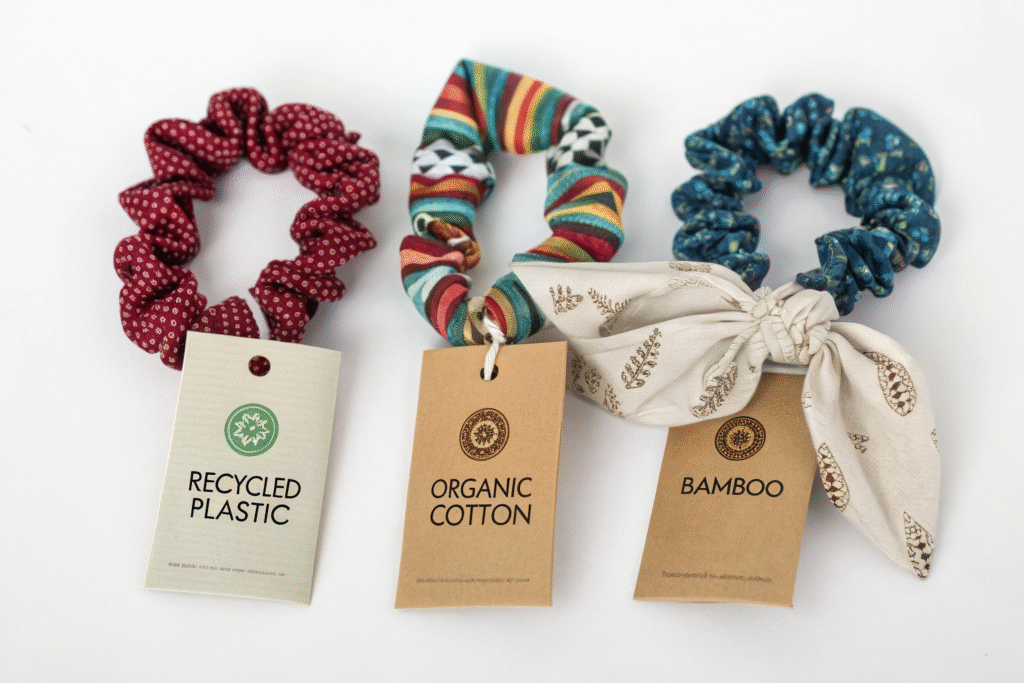
Natural rubber derived from Hevea brasiliensis trees offers a renewable alternative to synthetic elastic materials. When sourced from responsibly managed plantations, natural rubber provides biodegradable elasticity without the environmental persistence of synthetic rubber. Natural rubber hair ties maintain good tension memory while breaking down naturally at end-of-life. However, it's essential to verify sustainable harvesting practices and consider potential latex allergies. Manufacturers committed to ethical sourcing often partner with Forest Stewardship Council (FSC) certified plantations to ensure environmental and social responsibility.
What Role Do Biodegradable Polymers Play?
Advanced biodegradable polymers like PLA (polylactic acid) derived from corn starch offer promising alternatives to conventional plastics. These plant-based polymers provide the durability and flexibility expected from hair ties while composting under industrial conditions. Some manufacturers are developing hair ties that combine PLA with natural fibers, creating hybrid products that balance performance with environmental responsibility. While home composting remains challenging for these materials, industrial composting facilities can process them effectively, representing a significant improvement over conventional plastics that persist for centuries.
How Do Recycled Materials Contribute to Sustainability?
Recycled materials offer another pathway to sustainable hair ties, addressing waste stream issues while reducing demand for virgin materials.
Recycled polyester from plastic bottles, regenerated nylon from fishing nets, upcycled fabric scraps, and recycled rubber provide practical sustainable options that divert waste from landfills and oceans while creating functional hair accessories.These approaches support circular economy principles while meeting performance requirements.

Can Recycled Plastic Bottles Make Viable Hair Ties?
Recycled PET from plastic bottles can be transformed into high-quality hair ties through advanced processing techniques. This approach addresses plastic pollution while creating durable, functional products. The resulting hair ties offer excellent elasticity and longevity while giving post-consumer plastic a second life. Manufacturers using this approach typically provide transparency about their recycling processes and source verification. While not biodegradable, these products represent a valuable waste diversion strategy and can be recycled again at end-of-life, supporting circular material flows.
How Effective Are Upcycled Material Hair Ties?
Upcycled materials from textile waste or manufacturing remnants offer unique sustainable advantages by repurposing existing resources. Hair ties made from upcycled fabrics reduce textile waste while creating distinctive, often limited-edition products. This approach typically requires minimal additional processing energy and preserves the original material's characteristics. Upcycled silk, cotton, or synthetic blends can create hair ties with unique patterns and textures that appeal to consumers seeking individuality alongside sustainability. The main challenge involves consistent material sourcing and quality control when working with variable input materials.
What Certification and Standards Ensure Authentic Sustainability?
Proper certification provides crucial verification of sustainability claims, helping consumers identify genuinely eco-friendly products amid growing greenwashing concerns.
Recognized certifications including GOTS, Oeko-Tex Standard 100, Fair Trade, Cradle to Cradle, and various biodegradability standards provide independent verification of environmental and social responsibility claims for sustainable hair ties.These certifications help brands communicate credible sustainability credentials to informed consumers.
Why is GOTS Certification Important for Natural Fiber Hair Ties?
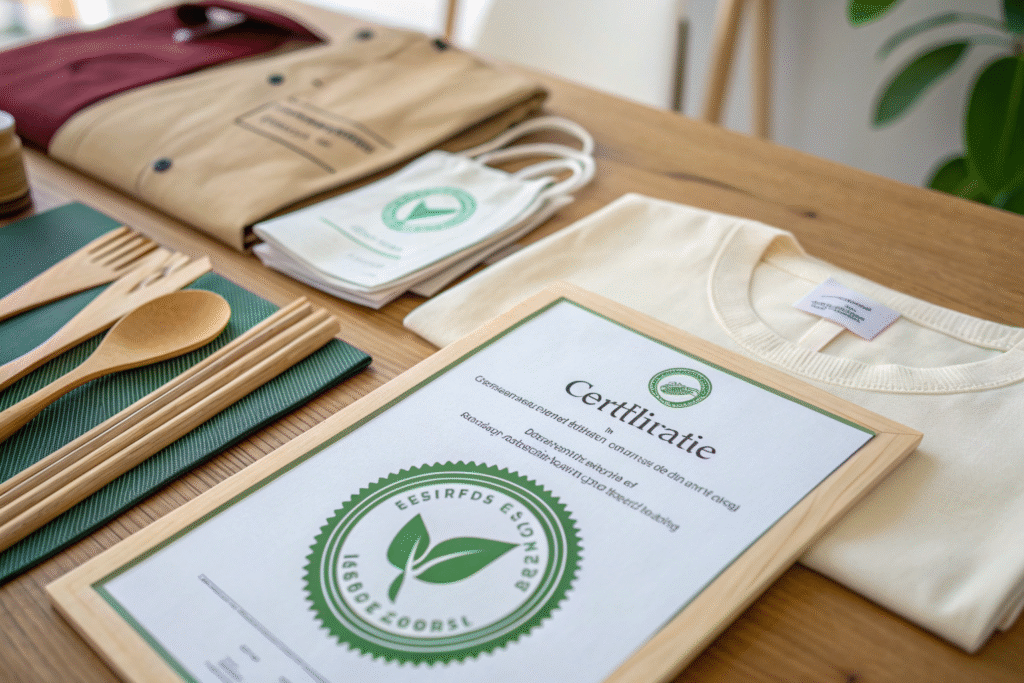
The Global Organic Textile Standard (GOTS) provides comprehensive verification of organic fiber content and responsible manufacturing practices. For hair ties made from cotton, hemp, or other natural fibers, GOTS certification ensures organic farming methods, restricted chemical inputs, and socially responsible manufacturing conditions. This certification covers the entire supply chain from harvesting through final product labeling, providing robust assurance of environmental and ethical standards. Brands offering GOTS-certified hair ties can confidently communicate their sustainable credentials to discerning consumers seeking verified eco-friendly options.
How Do Biodegradability Certifications Verify Environmental Claims?
Certifications like OK Biodegradable and OK Compost provide scientific verification of biodegradation claims for hair tie materials. These standards specify testing methods and requirements for material breakdown under specific conditions, ensuring products marketed as biodegradable actually meet defined environmental standards. For hair ties made from innovative materials like PLA or natural rubber, these certifications provide credible evidence that products will break down appropriately at end-of-life. This verification is particularly important as consumers become more skeptical of vague environmental claims and seek scientifically substantiated product information.
Conclusion
Sustainable alternatives to plastic hair ties encompass a diverse range of materials including natural fibers, innovative polymers, and recycled options that collectively reduce environmental impact while maintaining functionality. The most effective solutions combine material sustainability with practical performance, offering consumers genuine eco-friendly choices without compromising on quality or convenience. As technology advances and consumer awareness grows, the sustainable hair tie market continues to evolve, providing increasingly sophisticated alternatives to conventional plastic products.
If you're interested in developing sustainable hair tie collections using these eco-friendly alternatives, we invite you to contact HairAcc to discuss your specific requirements. With our experience in sustainable material sourcing and hair accessory manufacturing, we can help you create hair tie solutions that align with environmental values while meeting market demands. Reach out to our Business Director Elaine at elaine@fumaoclothing.com to explore how we can develop sustainable hair ties for your brand.