
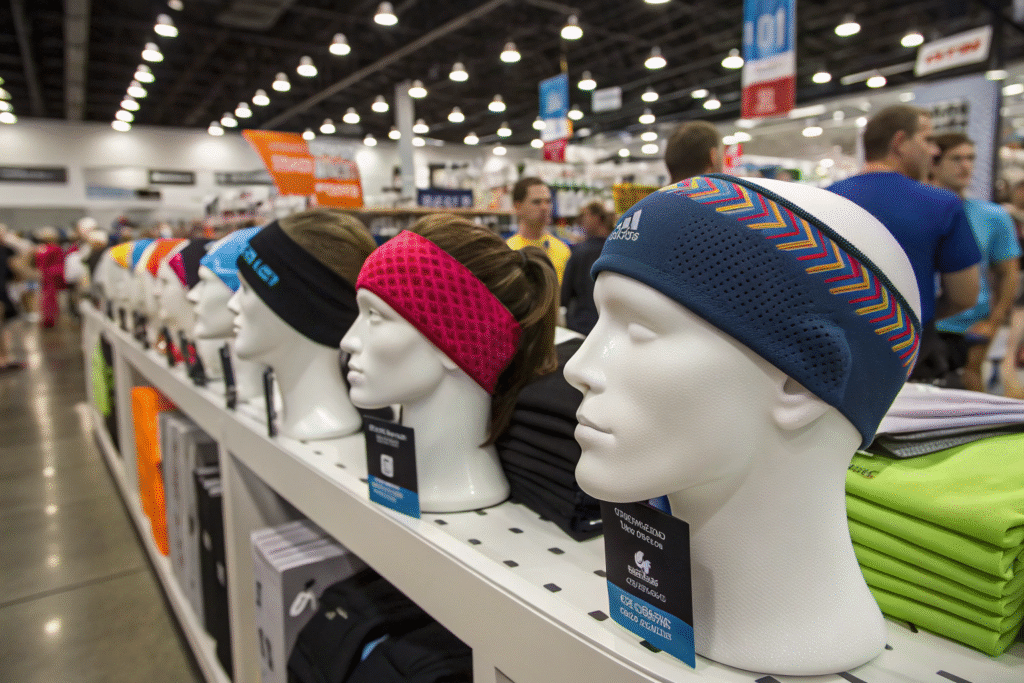
The market for cooling gel headbands is expanding beyond traditional sports applications into exciting new segments. As global temperatures rise and consumers prioritize wellness and comfort, innovative applications for cooling technology are creating fresh opportunities for retailers and manufacturers. Understanding these emerging markets can help businesses capitalize on growing demand.
Cooling gel headbands are finding significant growth in non-traditional markets including occupational safety, therapeutic wellness, fashion-tech integration, and pediatric care. These emerging segments value the combination of temperature regulation, comfort, and functionality that advanced cooling headbands provide. The most promising markets demonstrate clear needs for temperature management solutions that are both effective and convenient for regular use.
Let's examine the specific emerging markets where cooling gel headbands are gaining traction and driving new revenue streams for forward-thinking businesses.
How Are Occupational Safety Markets Adopting Cooling Headbands?
Occupational safety represents a rapidly growing market for cooling gel headbands as industries seek solutions to protect workers from heat stress and maintain productivity in warm environments.
Construction and outdoor labor industries are increasingly incorporating cooling headbands into their safety protocols. These sectors face significant challenges with heat exhaustion and decreased productivity during summer months. According to data from the Occupational Safety and Health Administration, heat illness prevention has become a major focus in workplace safety standards. Modern cooling headbands designed for these markets feature moisture-wicking materials, extended cooling duration, and compatibility with hard hats. At shanghaifumaoclothing, we've developed specialized cooling headbands that integrate seamlessly with standard safety equipment while providing 4-6 hours of consistent cooling protection.
Warehouse and manufacturing facilities represent another growth area, particularly in regions with high temperatures and limited air conditioning. These environments often combine physical exertion with ambient heat, creating ideal conditions for cooling accessory adoption. The National Institute for Occupational Safety and Health reports that heat-related productivity losses cost industries billions annually. Cooling headbands designed for these settings typically prioritize lightweight construction, secure fit during movement, and materials that withstand industrial environments. Businesses are increasingly viewing these accessories as cost-effective investments in worker safety and efficiency rather than mere comfort items.

What Features Do Occupational Markets Prioritize?
Occupational buyers prioritize specific features that differ from consumer markets. Durability and cost-per-use calculations drive purchasing decisions more than aesthetic considerations. Headbands must withstand repeated use and maintain cooling effectiveness through multiple activations. Compatibility with existing safety equipment is crucial—products that interfere with hard hats, safety glasses, or hearing protection have limited appeal. Additionally, easy cleaning and hygiene maintenance are important for shared workplace environments.
How Can Manufacturers Serve Occupational Markets?
Successfully serving occupational markets requires understanding procurement processes and safety standards. Manufacturers should develop relationships with industrial safety distributors and participate in trade shows focused on workplace safety. Products should undergo testing to verify cooling claims and durability under realistic working conditions. Providing documentation about heat stress reduction and potential productivity improvements helps safety managers justify purchases. Offering volume pricing and customized branding options also increases appeal to corporate buyers.
What Therapeutic Applications Are Driving Market Growth?
Therapeutic applications represent a significant emerging market for cooling gel headbands, particularly for migraine management, stress relief, and post-operative recovery scenarios.
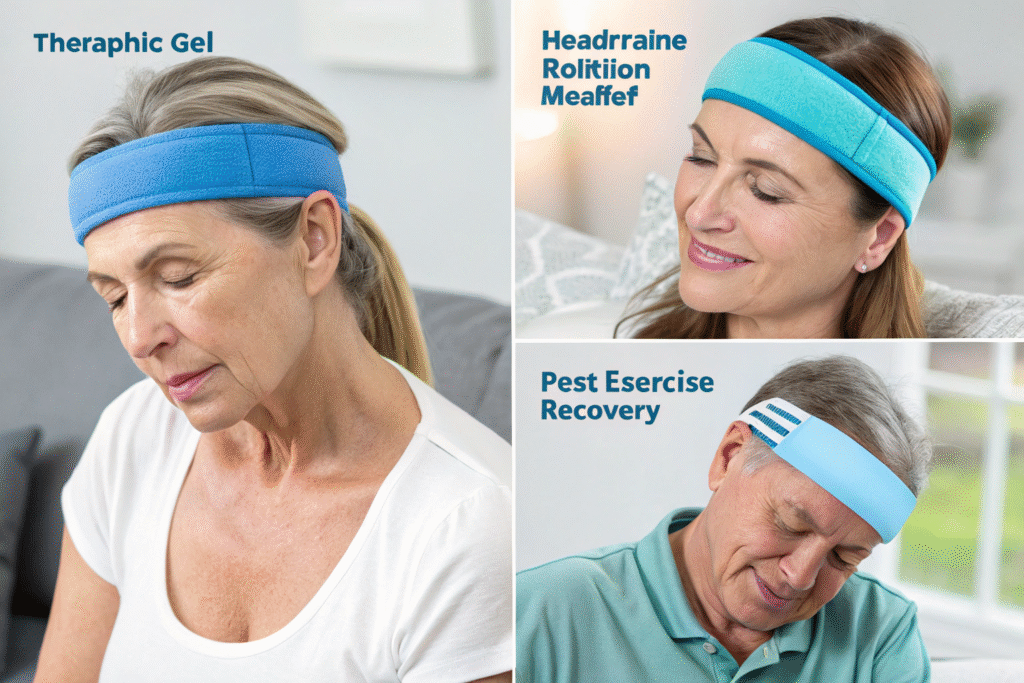
Migraine and headache sufferers constitute a substantial market segment seeking non-pharmaceutical relief options. Cooling therapy has long been recommended for migraine management, and specialized headbands now offer hands-free convenience compared to traditional ice packs. Research from the American Migraine Foundation indicates that cold therapy can help constrict blood vessels and reduce inflammation associated with migraines. Therapeutic cooling headbands for this market often feature targeted cooling points at temple areas, adjustable compression, and softer materials suitable for sensitive skin during migraine episodes. The discreet nature of these products allows users to manage symptoms while continuing daily activities.
Stress relief and sleep enhancement applications are gaining traction in the wellness market. The connection between temperature regulation and relaxation response has been well documented in wellness circles. The Global Wellness Institute reports growing consumer interest in accessible wellness technology that provides immediate benefits. Cooling headbands designed for this market typically emphasize comfort, aesthetic appeal, and integration with other wellness practices like meditation. Some advanced versions incorporate additional features like gentle weight for anxiety relief or aromatherapy compatibility. This positioning moves the products beyond medical applications into the broader self-care market.
What Design Considerations Matter for Therapeutic Users?
Therapeutic users have distinct design priorities that manufacturers must address. Comfort during extended wear is paramount, requiring soft, hypoallergenic materials that don't cause additional irritation. Adjustable fit systems accommodate different head sizes and pressure preferences, which is particularly important for migraine sufferers who may experience sensitivity to tightness. Discreet appearance allows use in public or workplace settings without drawing unwanted attention. Ease of activation and reactivation is also important for users managing chronic conditions.
How Is the Therapeutic Market Access Different?
Accessing the therapeutic market requires different channels and messaging than sports or occupational markets. Partnerships with healthcare providers, physical therapists, and wellness practitioners can provide credibility and referral streams. Marketing should emphasize clinical evidence supporting cooling therapy for specific conditions while maintaining consumer-friendly communication. Distribution through pharmacy chains, medical supply retailers, and online health marketplaces can reach customers seeking therapeutic solutions. Educational content about proper usage and benefits helps overcome skepticism.
Where Are Fashion-Tech Integration Opportunities Emerging?
The convergence of fashion and technology creates exciting opportunities for cooling gel headbands to transition from purely functional items to stylish accessories with integrated cooling benefits.
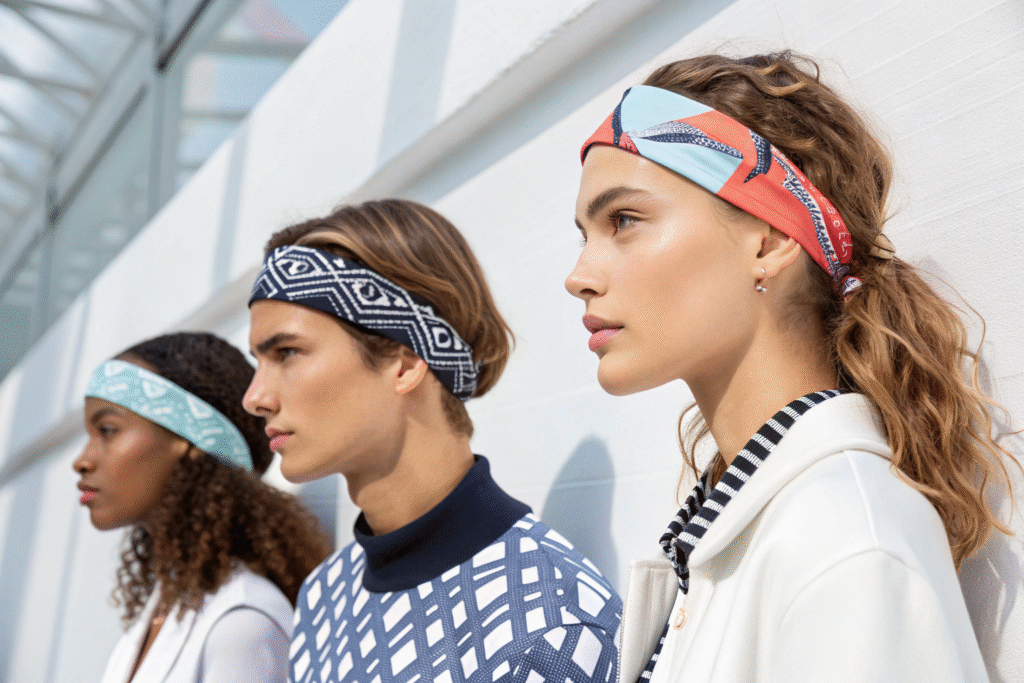
Athleisure and wellness fashion segments are naturally embracing technologically-enhanced accessories. The massive growth of the athleisure market, projected to reach $547 billion by 2025, creates fertile ground for cooling accessories that complement active lifestyles. Fashion-forward cooling headbands for this market prioritize aesthetic appeal alongside functionality, offering various colors, patterns, and designs that coordinate with athletic wear and casual fashion. Some innovative products incorporate removable cooling elements that allow the headband itself to serve as a fashion item when cooling isn't required. This dual-purpose approach increases perceived value and usage frequency.
Smart accessory integration represents the cutting edge of fashion-tech convergence. Several startups are developing headbands that combine cooling technology with additional features like UV protection, hydration reminders, or even basic activity tracking. While these multi-function products currently occupy a niche market, they point toward future directions for the category. The Wearable Technology Association identifies temperature management as a growth area within smart accessories. Early successful products in this space have typically launched through crowdfunding platforms before moving to broader retail distribution, validating consumer interest before major manufacturing commitments.
What Aesthetic Elements Drive Fashion Market Success?
Success in fashion-oriented markets requires attention to aesthetic details often overlooked in purely functional products. Color options should align with current fashion trends rather than standard athletic colors. Material choices should include premium fabrics with appealing textures that enhance the product's visual and tactile appeal. Design elements like subtle branding, contemporary patterns, and versatile styling that works with various hair types and styles broaden market appeal. Packaging and presentation should reflect fashion accessory standards rather than medical or sporting goods norms.
How Can Brands Bridge Fashion and Function?
Successfully bridging fashion and function requires careful balance. The cooling functionality must remain effective despite fashion-forward designs—products that sacrifice core cooling performance for aesthetics will disappoint users. Marketing should emphasize both aspects equally, showing stylish product images while clearly communicating cooling benefits and technical specifications. Collaborations with fashion influencers or designers can increase credibility in fashion circles while maintaining the product's functional reputation. Pricing strategies should reflect both the technical development costs and the fashion accessory positioning.
What Pediatric and Special Needs Applications Are Developing?
Pediatric and special needs applications represent a compassionate and growing market segment for cooling gel headbands, particularly for children with sensory processing challenges and special medical requirements.
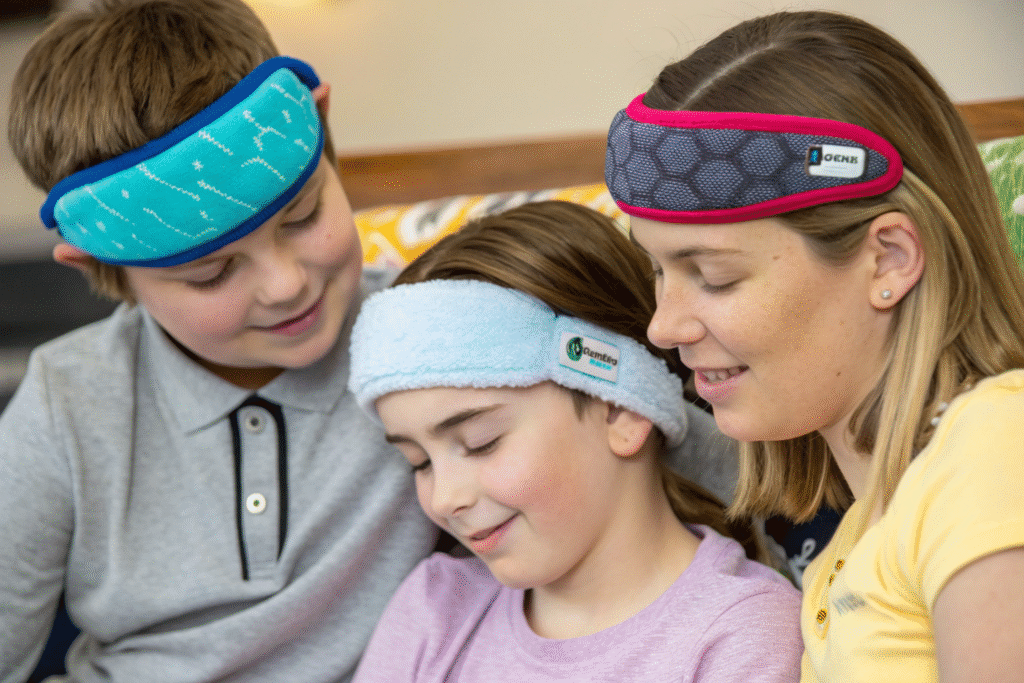
Children with autism and sensory processing disorders often benefit from cooling compression, which can provide calming input for overwhelmed nervous systems. Occupational therapists frequently recommend weighted blankets and compression clothing for these children, and cooling headbands represent a new option for providing regulating input. Research from Autism Speaks indicates that temperature-based interventions can help some individuals with autism manage sensory overload. Products designed for this market require exceptional attention to comfort, using seamless construction, ultra-soft materials, and minimal design elements that won't cause additional sensory discomfort.
Pediatric healthcare applications include fever management and comfort during illness. Traditional cold compresses can be challenging with young children who may remove them, but comfortable headbands often remain in place longer. Pediatricians surveyed by the American Academy of Pediatrics note that comfortable cooling options can help reduce distress during febrile illnesses. Products for this market typically feature child-friendly designs, secure but comfortable fits, and materials that remain effective during extended wear. Some manufacturers are developing character-themed options that make the cooling process less intimidating for young children.
What Safety Considerations Govern Pediatric Products?
Pediatric cooling products require rigorous safety considerations beyond standard adult products. Materials must be non-toxic and free from substances that could cause harm if mouthed or chewed. Construction should prevent any small parts that could present choking hazards. Cooling elements must maintain safe temperature ranges that won't damage delicate skin, even during extended contact. Products should withstand rough treatment and cleaning without compromising safety. These considerations often require more extensive testing and higher-quality materials than standard adult products.
How Can Manufacturers Serve Special Needs Markets?
Serving special needs markets effectively requires sensitivity and understanding of specific user needs. Engaging with occupational therapists, special education professionals, and parent advocacy groups during product development ensures designs meet real needs rather than assumed requirements. Marketing materials should depict diverse users and focus on functionality and comfort rather than medicalizing the products. Distribution through therapy supply companies, special needs retailers, and medical equipment providers reaches the professionals and caregivers who make purchasing decisions. Educational resources about proper use and benefits help build trust in these sensitive markets.
Conclusion
The emerging markets for cooling gel headbands demonstrate significant growth potential beyond traditional sports applications. Occupational safety, therapeutic wellness, fashion-tech integration, and pediatric special needs markets each present unique opportunities with specific requirements for product design, marketing, and distribution. The most successful manufacturers will be those who understand these distinct market segments and develop targeted approaches for each.
For businesses looking to expand into these emerging markets, success requires balancing innovative cooling technology with deep understanding of end-user needs across different applications. The versatility of cooling gel technology allows for adaptation to diverse requirements, from industrial safety to therapeutic comfort. If you're interested in developing cooling gel headbands for specific emerging markets, our team at shanghaifumaoclothing has experience creating customized solutions for various applications. Contact our Business Director Elaine at elaine@fumaoclothing.com to explore how we can help you capitalize on these growing market opportunities.