
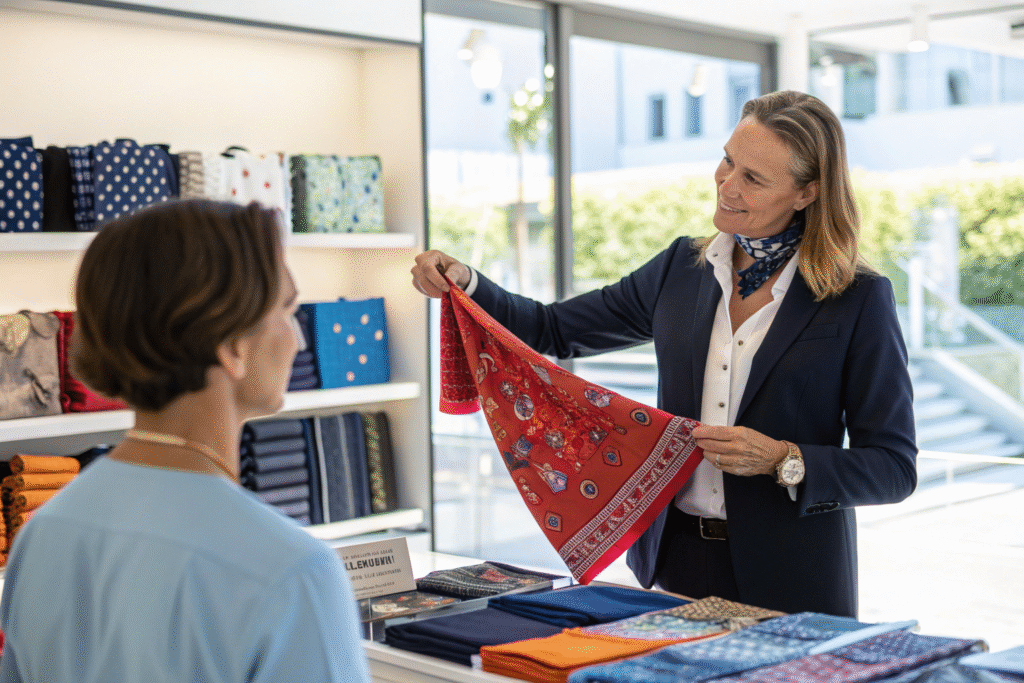
In the global headwear industry, sourcing the right products is more than just a matter of cost—it is a matter of function, safety, and consumer trust. With rising awareness of skin protection and the rapid expansion of outdoor activities, UPF 50+ bandanas have emerged as a category that blends fashion with technical performance. Many buyers from the U.S., Europe, and Russia approach me with the same challenge: how to secure reliable wholesale suppliers who can balance style, UV safety, and competitive pricing.
UPF 50+ bandanas stand out because they serve dual roles. They are not only trendy accessories but also tested protective gear that shields the skin from more than 98% of harmful ultraviolet rays. In this article, I will share insights based on my academic expertise in textile science and my professional experience in garment exports, guiding you through what makes these products special, how to evaluate suppliers, what fabrics matter most, and how to manage cost and logistics effectively.
What Makes UPF 50+ Bandanas Special?
The Ultraviolet Protection Factor (UPF) is the most recognized standard for measuring textile sun protection. A rating of 50+ indicates that less than 2% of UV radiation can penetrate the fabric, which makes it the highest protection level widely available. From a material science perspective, this effect is achieved through the density of the weave, the choice of fibers, and sometimes chemical treatments that add UV-blocking capabilities.
UPF 50+ bandanas are not a luxury; they are a technical necessity in modern outdoor fashion. They are widely used by hikers, cyclists, athletes, and even festival-goers who need comfort and safety in one product. According to Skin Cancer Foundation, proper sun-protective clothing significantly reduces skin cancer risk, making these bandanas a category with both lifestyle and health appeal.

Why do outdoor retailers prefer UPF bandanas?
Retailers favor UPF bandanas because they allow them to position their products as more than fashion—they become functional gear. Customers increasingly demand added value, and UV safety is a strong selling point that improves both loyalty and margins.
Are UPF bandanas tested and certified?
Reliable suppliers back their claims with certifications. Standards such as AATCC 183 in the U.S. or AS/NZS 4399 in Australia are benchmarks for UV testing. Reputable labs like Intertek and SGS issue certificates after rigorous testing, ensuring that fabric claims can withstand scrutiny from regulators and buyers.
How to Choose the Right Supplier for UPF Bandanas?
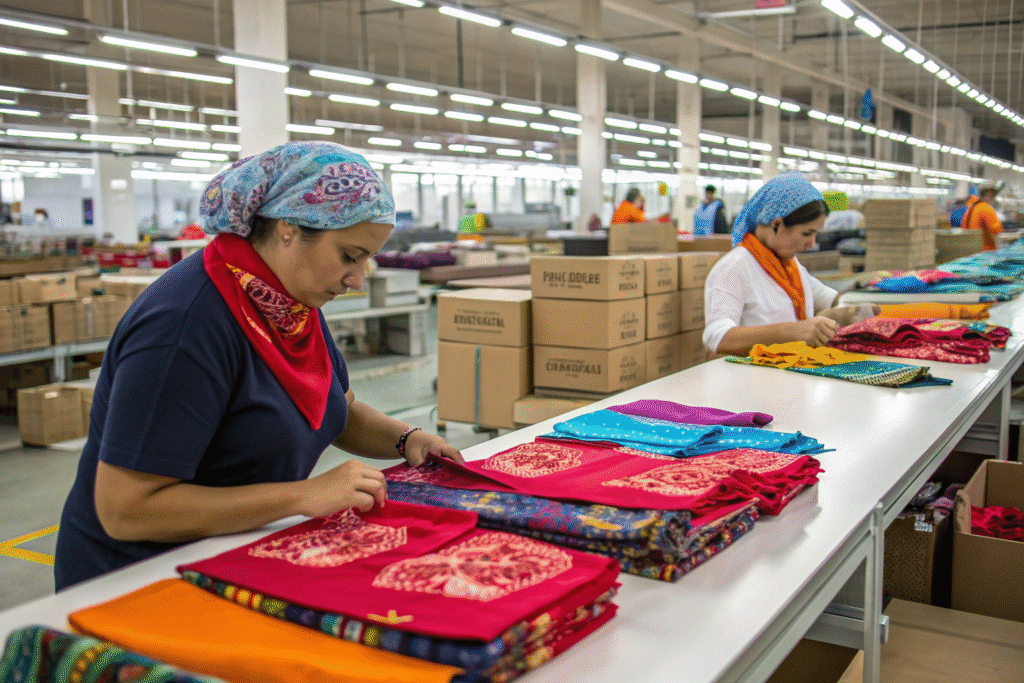
The sourcing process is always influenced by quality assurance, certifications, and supplier reliability. My experience shows that buyers who focus only on price often face hidden challenges like shipment delays, fabric inconsistencies, or unverified UV claims.
The right supplier is one with proven production capacity, recognized certifications, and flexibility in customization. This ensures not only safer products but also smoother long-term cooperation.
What certifications should you check for?
Buyers should prioritize suppliers holding OEKO-TEX Standard 100 certification, which guarantees fabrics are free from harmful chemicals. This certification is especially relevant for products worn close to the skin. Details about compliance can be checked directly via the OEKO-TEX official site.
Should you work with a factory or a trading company?
Direct cooperation with factories is often advantageous for price control and transparency. While trading companies may offer variety, they introduce extra layers that complicate communication. Platforms like Alibaba are useful for initial research, but I always recommend verifying the ownership of production facilities before committing.
What Fabrics Are Best for UPF Bandanas?
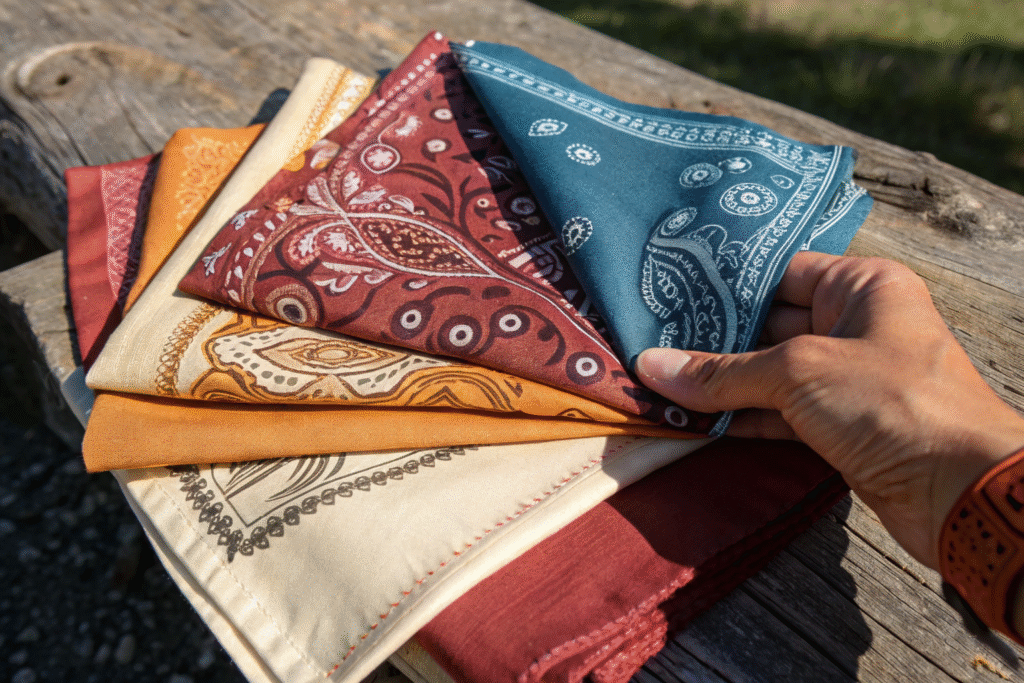
Fabric choice is the core determinant of UV performance. From an academic textile perspective, synthetic fibers such as polyester and nylon provide superior UV resistance compared to untreated cotton. However, cotton can achieve UPF 50+ through tight weaving and post-production treatments.
Each fabric carries trade-offs between comfort, cost, and performance. Polyester blends with spandex provide elasticity and durability, while silk or chiffon offer style but require careful UV treatment.
Is cotton or polyester better for UPF bandanas?
Polyester has an inherent advantage due to its fiber structure. It is lightweight, moisture-wicking, and naturally resists UV penetration. Cotton remains popular for its softness and breathability but needs reinforcement. A comprehensive academic discussion of fabric performance is available on ScienceDirect.
Do darker colors provide better sun protection?
Yes, darker shades like navy and black enhance UV resistance, but this limits color variety. To overcome this, suppliers use UV-blocking finishes to ensure pastel and bright colors also meet UPF 50+ standards. Guidelines on color and UV protection can be found from the American Academy of Dermatology.
How to Handle Pricing, MOQ, and Shipping?
From a buyer’s perspective, the most critical concerns are MOQ (Minimum Order Quantity), cost efficiency, and delivery timeliness. In my experience, most Chinese factories set MOQs between 500 and 1000 pieces per design, although smaller trial orders are possible for startups.
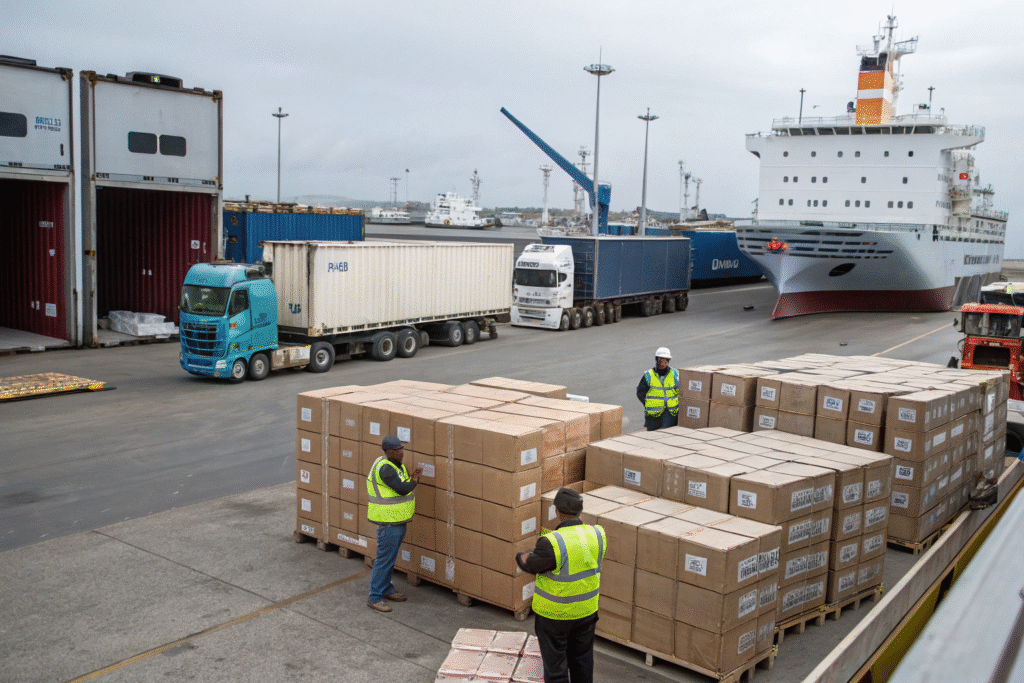
Understanding how logistics and tariffs affect landed cost is essential. Without proper planning, buyers may face unexpected expenses that erode margins.
What is the typical MOQ for UPF bandanas?
Standard MOQs hover around 500–1000 units. Larger buyers negotiate lower per-unit costs, while smaller retailers often rely on flexible suppliers willing to accommodate pilot orders. Global sourcing guides from Global Sources provide additional strategies for new entrants.
How do tariffs and shipping affect costs?
Tariffs vary by destination market. For example, U.S. buyers need to monitor import duties via the U.S. International Trade Commission. Many Chinese suppliers now offer DDP (Delivered Duty Paid) options, covering customs clearance and duties, thus reducing risks for overseas clients.
Conclusion
Sourcing wholesale bandanas with UPF 50+ protection requires knowledge of textile science and supplier reliability. Buyers should evaluate fabric technologies, certifications, and logistics before committing. With global demand increasing, this product category offers significant opportunities for retailers and e-commerce sellers who want to differentiate with both style and safety.
If you are ready to expand your product line with high-quality, sun-protective headwear, our team at Shanghai Fumao is here to help. We provide OEM and ODM services, fast production, and seamless global shipping. Contact our Business Director Elaine at elaine@fumaoclothing.com to begin developing your own UPF 50+ bandana collection today.