
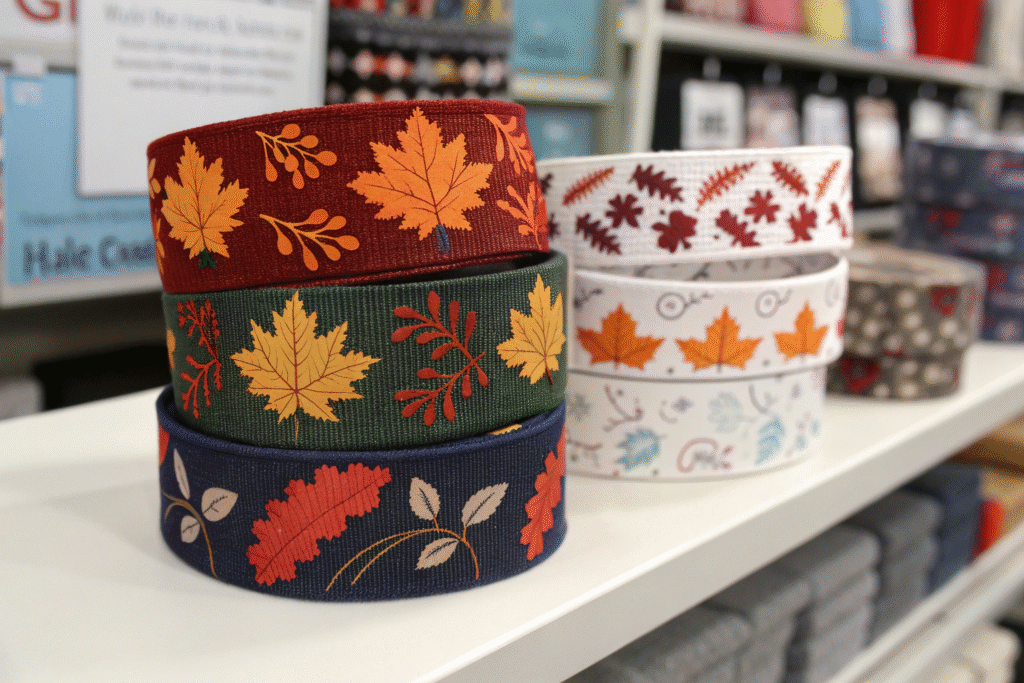
Customizing hair ties with seasonal prints presents a significant opportunity for retailers to boost sales and customer engagement. Many store owners struggle with selecting the right customization approach that balances aesthetic appeal with practical production considerations. The process involves strategic planning from design selection to manufacturing partnership.
Successfully customizing hair ties with seasonal prints requires understanding market trends, selecting appropriate materials, choosing the right printing techniques, and partnering with an experienced manufacturer. The most successful seasonal collections combine timeless seasonal colors with trendy patterns while ensuring the hair ties maintain their functionality and comfort. Retailers who master this process can create products that drive repeat purchases and build brand loyalty.
Let's explore the specific strategies and considerations that make seasonal hair tie customization successful for retail businesses.
What Are the Key Seasonal Print Trends for Hair Ties?
Understanding seasonal print trends is fundamental to creating hair ties that resonate with consumers during specific times of year. The most successful patterns balance timeless seasonal elements with contemporary color palettes and design aesthetics.
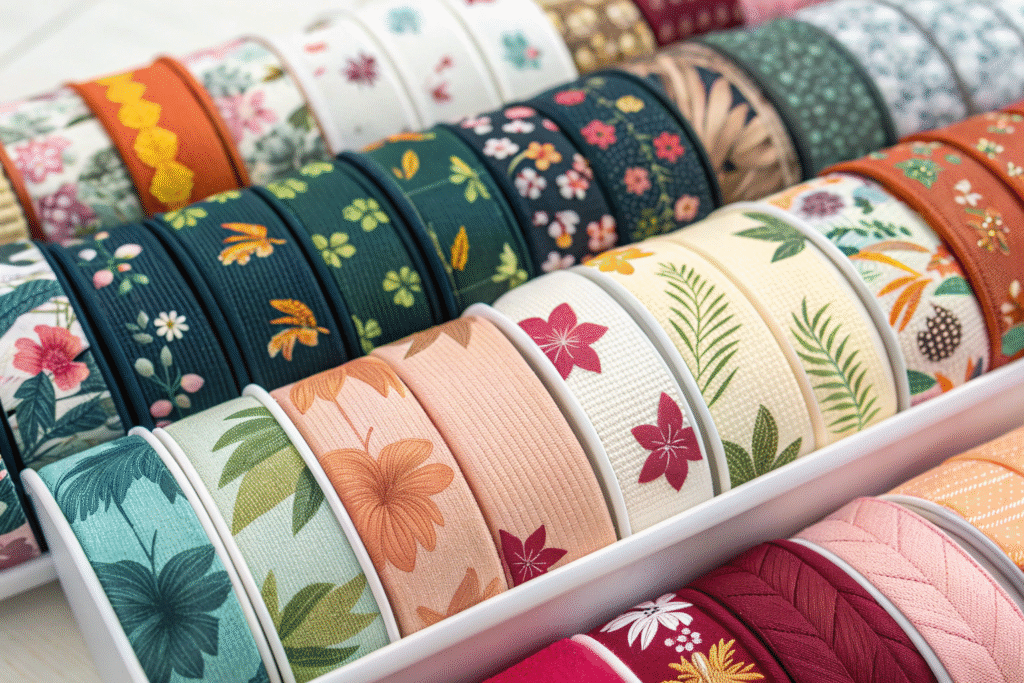
Spring collections typically feature floral patterns, pastel colors, and nature-inspired motifs. According to trend forecasts from the Color Marketing Group, soft greens, lavender hues, and butter yellow are dominating spring palettes. These colors work exceptionally well when paired with botanical prints and delicate patterns. The key is creating designs that feel fresh and renewal-focused, which aligns with the psychological associations consumers have with spring. At shanghaifumaoclothing, we've helped numerous retailers develop spring collections that incorporate these trending colors with scalable production techniques that maintain print clarity across various hair tie materials.
Winter holiday prints extend beyond traditional Christmas motifs to include more inclusive and modern designs. While classic red and green combinations remain strong, there's growing demand for blue-silver schemes, minimalist patterns, and non-religious winter symbols like snowflakes and abstract geometric patterns. Market analysis from WGSN indicates that winter 2025 collections are seeing increased interest in metallic accents and texture-rich designs. For retailers, this means considering not just color but also special printing effects that can make holiday hair ties stand out in a crowded market.
How Do You Research Emerging Seasonal Trends?
Effective trend research combines multiple approaches to identify winning seasonal patterns. Following established trend forecasting services provides professional insights into color and pattern directions. Additionally, monitoring social media platforms like Pinterest and Instagram reveals what patterns consumers are actually engaging with. Retailers should also analyze their previous sales data to understand which seasonal patterns performed best historically. This multi-source approach helps create seasonal prints that are both trend-right and commercially viable.
What Makes a Seasonal Pattern Commercially Successful?
Commercially successful seasonal patterns balance novelty with familiarity. While consumers want fresh designs, they also respond to recognizable seasonal elements that immediately communicate the collection's theme. The most successful patterns also work well at different scales – they should look appealing both when the hair tie is worn and when it's displayed in packaging. Consider how the pattern will appear on the actual product size rather than just in large digital mockups.
Which Printing Methods Work Best for Seasonal Hair Ties?
Selecting the appropriate printing method is crucial for achieving the desired aesthetic while maintaining hair tie functionality. Different techniques offer varying benefits in terms of color vibrancy, durability, and production efficiency.
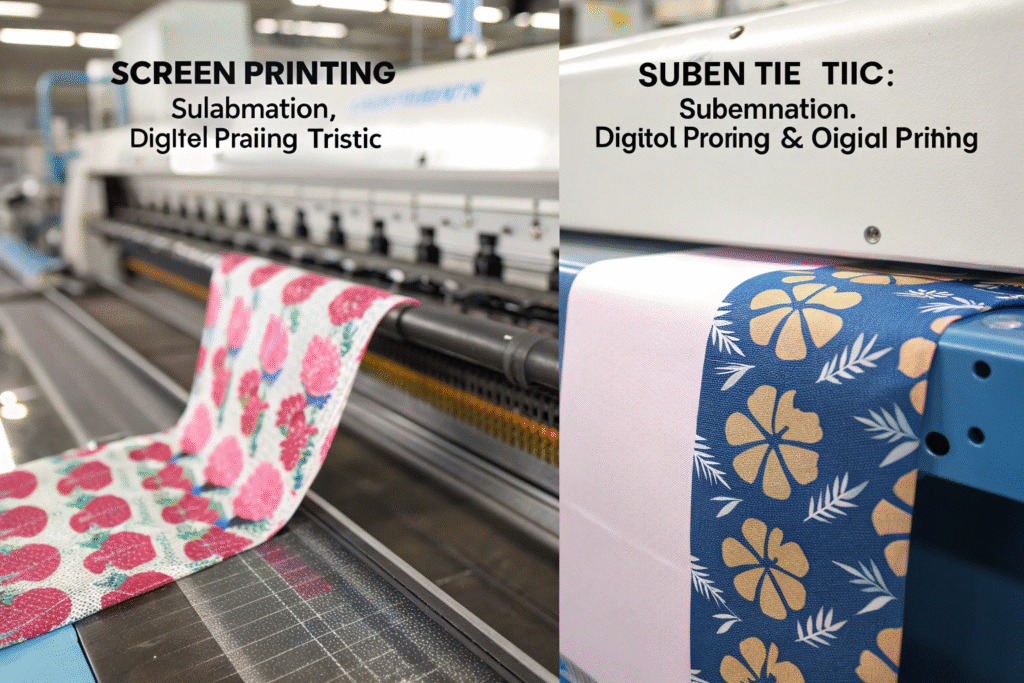
Sublimation printing creates vibrant, long-lasting designs that won't crack or fade with stretching. This method works particularly well for all-over patterns and photographic-quality designs. The process involves transferring dye into the fabric using heat, resulting in prints that become part of the material rather than sitting on top. According to technical experts at Printing Industries of America, sublimation printing has advanced significantly to accommodate the stretch requirements of hair tie elastics while maintaining print integrity. This makes it ideal for complex seasonal patterns that need to maintain their appearance despite repeated stretching during use.
Screen printing offers excellent opacity for bold, graphic seasonal designs. This method applies ink directly onto the fabric surface, creating vibrant colors that stand out strongly against the base material. While traditionally limited in color variety, modern screen printing techniques have evolved to accommodate more complex color separations. For seasonal collections featuring iconic symbols like pumpkins for autumn or snowflakes for winter, screen printing provides the crisp, high-impact results that consumers recognize instantly. The Fashion Institute of Technology notes that screen printing remains popular for seasonal accessories because of its cost-effectiveness at medium to large production volumes.
How Does Printing Method Affect Production Timeline?
Different printing methods significantly impact production schedules, which is crucial for seasonal products with tight market windows. Digital printing methods typically have shorter setup times, making them ideal for quick-turnaround seasonal collections or test runs. Traditional screen printing requires more extensive setup but becomes more efficient for larger quantities. Retailers must factor these timeline considerations into their seasonal planning, ensuring printing method aligns with product launch schedules.
What Are the Cost Considerations for Different Printing Techniques?
Understanding cost structures for various printing methods helps retailers make informed decisions about their seasonal collections. Digital printing typically has lower upfront costs but higher per-unit costs, making it suitable for smaller batches. Screen printing requires more initial investment in setup but becomes more economical at scale. Sublimation printing costs vary based on pattern complexity and coverage. Balancing these cost considerations with design requirements and quantity needs is essential for profitable seasonal collections.
How to Design Seasonal Collections That Drive Repeat Business?
Designing seasonal hair tie collections that encourage repeat purchases requires strategic planning around color stories, pattern families, and product integration. Successful collections create a cohesive story that makes customers want to collect multiple pieces.
Developing coordinated color stories across seasons establishes brand recognition while accommodating seasonal color shifts. This approach might involve maintaining a consistent neutral base color while introducing seasonal accent colors. For example, a brand might use ivory as a constant background color while rotating seasonal accent colors like pastel pink for spring, bright coral for summer, burgundy for autumn, and emerald for winter. This strategy, documented by the Pantone Color Institute, creates collections that feel both fresh and familiar, encouraging customers to return each season to see how the color story evolves while maintaining connection to the brand's aesthetic.
Creating pattern families with varying scales and complexities allows retailers to cater to different customer preferences within the same seasonal theme. A winter collection might include both bold, graphic snowflake patterns and subtle, tone-on-tone snowfall textures. This variety ensures that whether customers prefer statement pieces or subtle accessories, they can find options within the same seasonal collection. Market research from NPD Group shows that retailers who offer pattern variety within seasonal themes see 35% higher repeat purchase rates than those offering single-pattern options. This approach also allows for price segmentation, with more complex patterns commanding premium pricing.
How Can Retailers Create Cohesive Cross-Seasonal Branding?
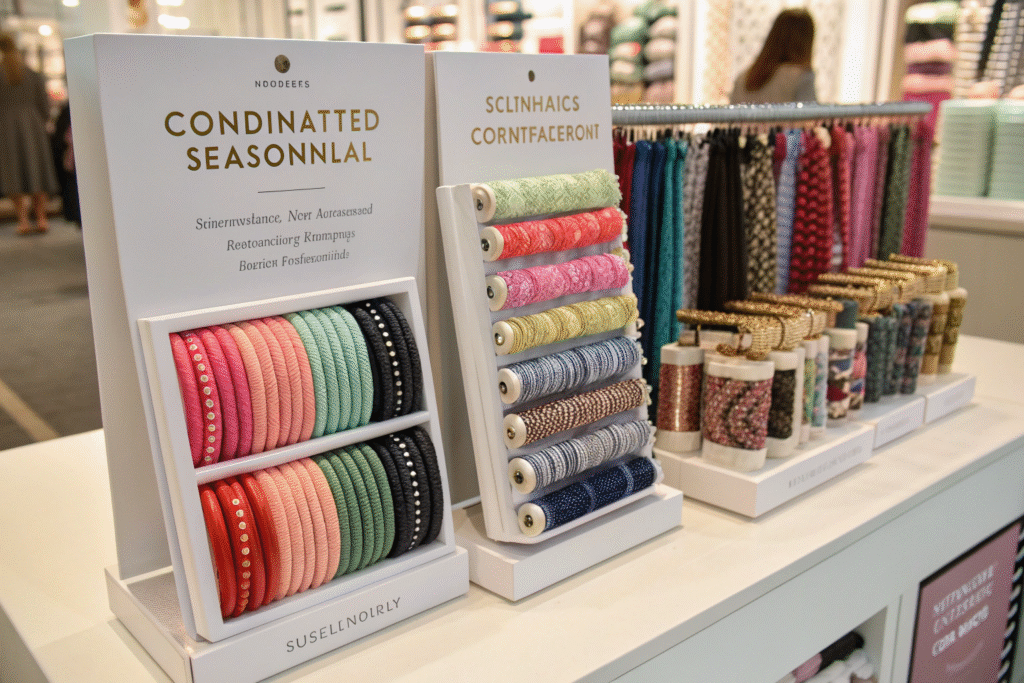
Maintaining brand identity across seasonal collections requires strategic consistency elements. This might include incorporating a signature pattern element that appears across seasons in different colorways, or using consistent typography and logo placement on packaging. These consistent elements help customers recognize the brand regardless of seasonal theme changes. This cross-seasonal branding approach builds long-term brand equity while allowing for seasonal freshness.
What Role Does Packaging Play in Seasonal Collections?
Packaging significantly enhances the perceived value of seasonal hair tie collections. Seasonally-themed packaging that coordinates with the product designs creates a complete unboxing experience that customers appreciate and remember. This attention to detail can justify premium pricing and encourage social media sharing, which provides valuable organic marketing. Additionally, packaging that protects the hair ties from dust and damage maintains product quality until purchase, reducing returns and increasing customer satisfaction.
What Are the Practical Considerations for Seasonal Hair Tie Production?
Successful seasonal hair tie customization requires careful attention to practical production considerations including timelines, minimum order quantities, and quality control measures. These logistical elements ultimately determine whether beautiful seasonal designs can be delivered profitably and on schedule.
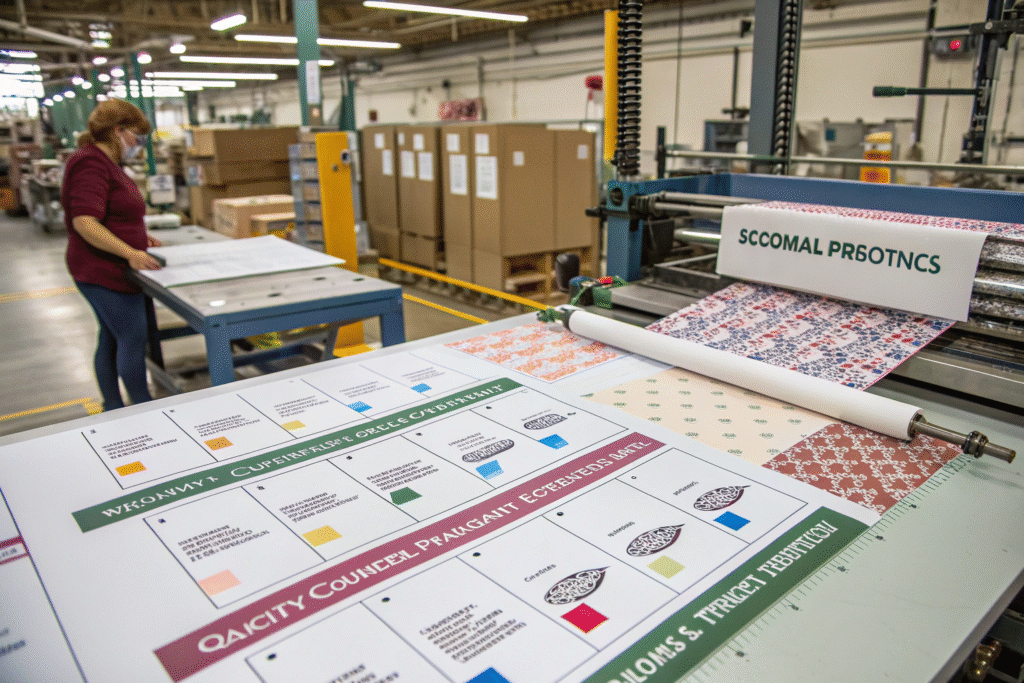
Production timelines must accommodate both manufacturing lead times and seasonal shipping considerations. For holiday collections, production should typically be completed by early summer to allow for shipping and distribution before fall retail setup. This forward planning is especially crucial given global supply chain variations that can impact delivery schedules. The American Apparel & Footwear Association recommends working with manufacturers who have proven track records of meeting seasonal deadlines, particularly for time-sensitive products. At our facility, we implement detailed seasonal production schedules with built-in buffer periods to accommodate unexpected delays while ensuring on-time delivery.
Minimum order quantities (MOQs) for seasonal prints often differ from standard hair tie production. Custom prints typically require higher MOQs to justify setup costs, but manufacturers with specialized seasonal expertise may offer more flexible options. Some factories, including shanghaifumaoclothing, have developed programs specifically for retailers testing seasonal collections, with lower MOQs that reduce financial risk. Understanding these MOQ structures helps retailers plan their seasonal inventory investment appropriately, balancing the need for variety with inventory management considerations.
How Should Retailers Plan Seasonal Production Timelines?
Effective seasonal timeline planning works backward from the intended retail launch date. For winter holiday collections, retail distribution should occur by August-September, meaning production should be completed by June-July. Spring collections typically need to ship in January-February, requiring production completion in November-December. Building buffer time into each production phase accounts for unexpected delays while ensuring products reach shelves with adequate selling time before the season ends.
What Quality Control Measures Are Essential for Seasonal Hair Ties?
Seasonal hair ties require specific quality control checks to ensure they meet customer expectations. These include testing colorfastness of seasonal prints to ensure they don't transfer to hair or skin, verifying elasticity recovery after stretching to maintain functionality, and checking seam integrity where prints meet. Additionally, consistent color matching across production batches is crucial for seasonal collections where color is a key selling point. Implementing thorough QC protocols ensures that beautiful seasonal designs perform as well as they look.
Conclusion
Customizing hair ties with seasonal prints offers retailers powerful opportunities to drive sales, enhance customer engagement, and build brand identity. The process involves strategic trend selection, appropriate printing method choices, cohesive collection design, and practical production planning. By understanding these interconnected elements, retailers can create seasonal hair tie collections that resonate with consumers and perform strongly in the marketplace.
The most successful seasonal customization strategies balance creative design with commercial practicality. They feature patterns that immediately communicate their seasonal theme while maintaining the hair tie's functionality and comfort. For retailers looking to expand their seasonal offerings, partnering with an experienced manufacturer who understands both the creative and practical aspects of seasonal production is invaluable. Contact our Business Director Elaine at elaine@fumaoclothing.com to discuss how we can help develop successful seasonal hair tie collections for your retail business.