
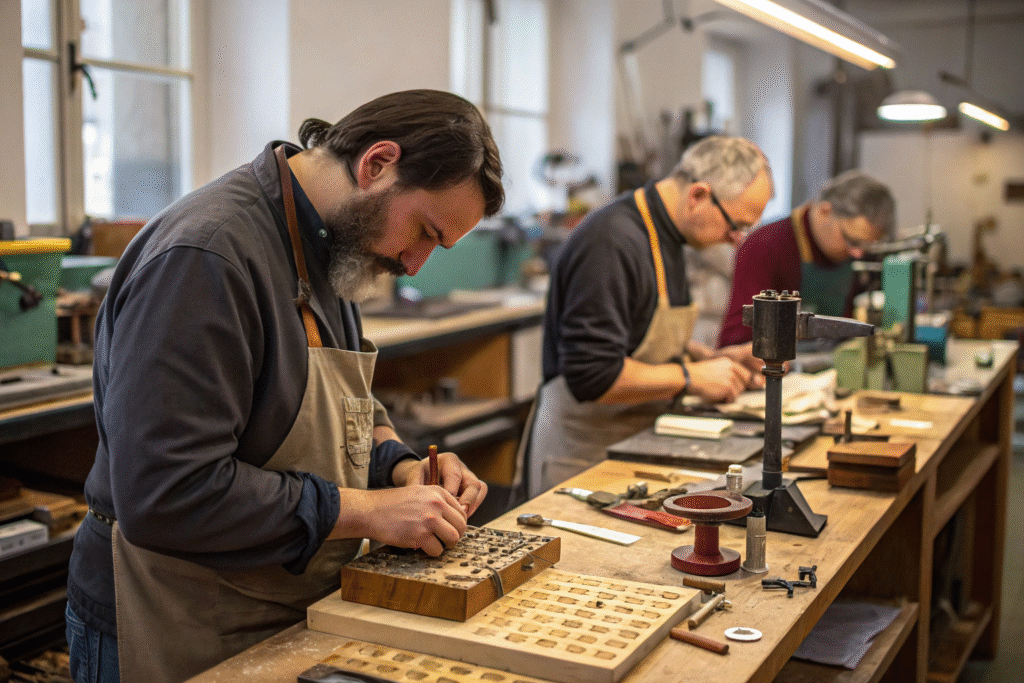
The artisan hairpin market represents a fascinating intersection of traditional craftsmanship and modern manufacturing efficiency. While mass production dominates the hair accessory industry, micro-batches of handcrafted hairpins have carved out a valuable niche, appealing to consumers seeking uniqueness, quality, and artistic expression. These small production runs, typically ranging from 5-50 pieces per design, present unique challenges that require specialized manufacturing approaches.
Top manufacturers handle micro-batches of artisan hairpins through hybrid production models that combine digital fabrication technologies with traditional craftsmanship, implement flexible quality control systems, utilize adaptive supply chains, and employ data-driven production planning.These sophisticated approaches allow manufacturers to maintain artistic integrity while achieving economic viability for small production quantities. The most successful operations balance the scalability of technology with the irreplaceable touch of human artistry.
The evolution of micro-batch manufacturing represents a significant shift in the hair accessories industry, enabling artistic innovation and customization while maintaining professional production standards and business sustainability.
What Hybrid Manufacturing Models Support Artisan Micro-Batches?
Successful micro-batch production requires manufacturing models that accommodate both the artistic nature of artisan hairpins and the economic realities of small quantity production. The most effective approaches blend traditional techniques with modern technology in carefully calibrated workflows.
Hybrid manufacturing models typically separate the production process into digital and handcrafted components, with each element assigned to the most appropriate method. Structural elements and consistent components are often handled through digital fabrication, while unique artistic elements, finishing, and assembly remain with skilled artisans. This division maximizes both efficiency and artistic value.
How Do Digital Fabrication Technologies Enable Small-Batch Efficiency?
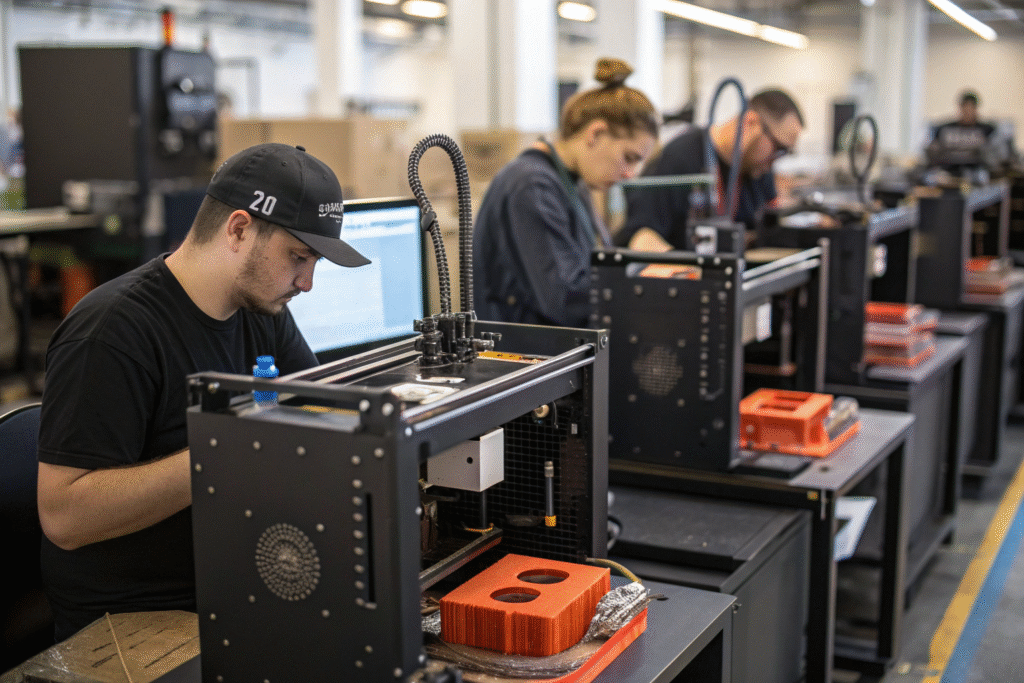
Digital fabrication technologies have revolutionized micro-batch production by eliminating the traditional cost barriers associated with small quantities:
3D Printing Applications:
- Rapid Prototyping: Instant design iteration and client approval processes
- Direct Production: Manufacturing of complex geometric components in various materials
- Custom Tooling: Creating specialized jigs and fixtures for handwork stages
- Pattern Generation: Producing master patterns for casting and molding processes
CNC and Laser Technologies:
- Precision Machining: Creating consistent structural components from metal, wood, or acrylic
- Laser Engraving: Adding intricate patterns and custom details to standard bases
- Waterjet Cutting: Processing delicate materials without heat damage
- Digital Embroidery: Applying consistent decorative elements to fabric-wrapped hairpins
These technologies allow manufacturers to maintain design consistency across micro-batches while keeping setup costs and time investments manageable for small production runs.
What Traditional Techniques Remain Essential for Artisan Quality?
Despite technological advances, certain traditional techniques remain irreplaceable for achieving genuine artisan quality:
- Hand-forging and Shaping: Creating organic, unique metal forms impossible to replicate digitally
- Fine Hand-engraving: Adding microscopic details and textures with artistic variation
- Natural Material Selection: Choosing wood grains, stone patterns, and organic materials for their unique characteristics
- Surface Patination: Applying chemical and heat treatments that create depth and uniqueness
- Free-form Wire Wrapping: Creating organic structures that respond to material properties
The most successful manufacturers carefully analyze which elements benefit from human touch and which achieve better results through digital precision, creating an optimal blend that maximizes both efficiency and artistic value.
How Do Flexible Quality Systems Ensure Consistency in Micro-Batches?
Quality assurance in micro-batch production requires adaptive systems that maintain standards without imposing the rigid protocols of mass production. The challenge lies in preserving artistic uniqueness while ensuring functional reliability and customer satisfaction.
Flexible quality systems for artisan hairpins focus on critical performance parameters while allowing for artistic variation. These systems typically employ checklist-based evaluations rather than statistical process control, with quality criteria tailored to each specific design's requirements and technical challenges.
What Adaptive Inspection Protocols Work for Small Production Runs?
Micro-batch quality control utilizes inspection methods designed for limited quantities:
Staged Quality Gates:
- Material Inspection: Verification of raw materials before production begins
- In-process Checkpoints: Quality verification at critical manufacturing stages
- Pre-assembly Review: Component inspection before final assembly
- Final Functional Testing: Comprehensive testing of completed hairpins
Artisan-Centric Quality Metrics:
- Functional Performance: Secure grip, comfortable wear, and durability
- Aesthetic Consistency: Coherence with approved samples and design intent
- Material Integrity: Structural soundness and appropriate material selection
- Finish Quality: Surface treatments, polishing, and protective coatings
These adaptive protocols ensure that each piece meets quality standards while respecting the natural variations that characterize handmade products, turning potential inconsistencies into valued uniqueness.
How Documentation Systems Support Micro-Batch Traceability?
Advanced documentation systems provide traceability without bureaucratic overhead:
- Digital Batch Records: Cloud-based records for each micro-batch with photos and specifications
- Material Certificates: Documentation for precious metals, stones, and specialty materials
- Process Photography: Visual documentation of key production stages
- Artisan Attribution: Recording which craftspeople worked on each piece
- Client Communication Logs: Tracking approvals and customization requests
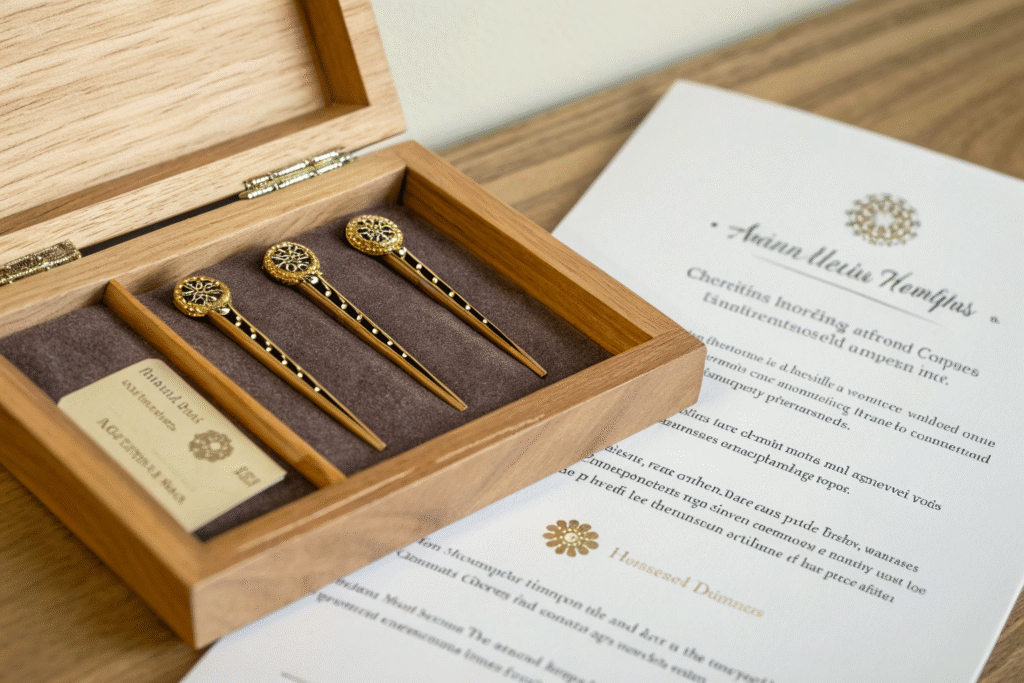
This documentation not only ensures quality control but also adds value by providing customers with the story and provenance of their artisan hairpins, enhancing the perceived value of micro-batch products.
What Supply Chain Strategies Support Micro-Batch Production?
Micro-batch production requires fundamentally different supply chain approaches than traditional manufacturing. The emphasis shifts from cost minimization to flexibility, responsiveness, and access to specialized materials and components.
Successful micro-batch supply chains prioritize relationships over transactions, working with suppliers who understand and support the unique requirements of small-scale artisan production. These partnerships enable access to materials in economically viable quantities and provide technical support for specialized processes.
How Do Material Sourcing Strategies Differ for Artisan Production?
Material sourcing for micro-batches focuses on accessibility, minimum order quantities, and unique characteristics:
Specialized Material Sources:
- Craft Supplier Networks: Suppliers catering specifically to artisans and small studios
- Material Sampling Programs: Access to small quantities of premium materials
- Salvaged and Vintage Sources: Unique materials with history and character
- Local Material Utilization: Sourcing from regional providers to reduce lead times
Inventory Management Approaches:
- Core Material Stocking: Maintaining small quantities of frequently used base materials
- Just-in-Time Specialty Ordering: Sourcing unique materials after order confirmation
- Material Sharing Cooperatives: Collaborative purchasing with other artisans
- Digital Material Libraries: Maintaining samples and specifications rather than physical inventory
These strategies ensure access to appropriate materials while minimizing capital investment in inventory, a critical consideration for the financial viability of micro-batch operations.
What Partnership Models Enable Flexible Component Supply?
Component supply for artisan hairpins often involves specialized partnerships:
- Local Specialist Networks: Engaging with local craftspeople for specific components
- On-demand Manufacturing Services: Utilizing service bureaus for 3D printing, laser cutting, and CNC work
- Collaborative Production Groups: Sharing resources and capabilities with complementary artisans
- Flexible Finishing Services: Partnerships with platers, enamelers, and other finishers who accept small batches
These partnership models create resilient, adaptable supply ecosystems that can respond quickly to the varying requirements of different micro-batch projects without the overhead of maintaining all capabilities in-house.

How Does Data-Driven Planning Optimize Micro-Batch Economics?
The economic challenges of micro-batch production require sophisticated planning and analysis to ensure sustainability. Data-driven approaches help manufacturers understand true costs, optimize processes, and price products appropriately for limited production runs.
Advanced micro-batch manufacturers implement tracking systems that capture detailed information about time investment, material usage, and process efficiency for each production batch. This data informs pricing strategies, process improvements, and product development decisions.
What Costing Models Accurately Reflect Micro-Batch Realities?
Traditional costing methods often fail to capture the true expenses of micro-batch production:
Activity-Based Costing for Artisan Production:
- Design Time Allocation: Amortizing design and development time across small quantities
- Setup and Changeover Costs: Capturing the full cost of production transitions
- Skill-based Time Valuation: Differentiating between routine and expert-level work
- Tooling and Equipment Costs: Accounting for specialized tools with limited use
Value-Based Pricing Considerations:
- Artistic Uniqueness Premium: Pricing based on scarcity and artistic merit
- Skill Demonstration Value: Recognizing the value of visible craftsmanship
- Material Rarity Factors: Premium pricing for unusual or difficult-to-source materials
- Customization Value: Additional value for client-specific adaptations
These sophisticated costing approaches ensure that micro-batch production remains economically viable while fairly compensating the skill and investment required for artisan manufacturing.
How Does Production Analytics Improve Micro-Batch Efficiency?
Data collection and analysis drive continuous improvement in micro-batch operations:
Efficiency Tracking Metrics:
- Setup-to-Production Time Ratios: Optimizing the balance between preparation and execution
- First-Time Success Rates: Measuring how frequently processes achieve desired results without rework
- Material Utilization Efficiency: Tracking waste and optimizing material usage
- Skill-based Time Allocation: Ensuring appropriate task assignment based on expertise level
Process Optimization Applications:
- Batch Size Analysis: Determining optimal production quantities for different product types
- Workflow Pattern Identification: Discovering efficient sequences and combinations of operations
- Bottleneck Detection: Identifying and addressing constraints in micro-batch workflows
- Skill Development Tracking: Monitoring improvement in technical capabilities over time
This analytical approach transforms micro-batch production from purely artistic endeavor to sustainable business practice, enabling manufacturers to refine their processes while maintaining creative integrity.
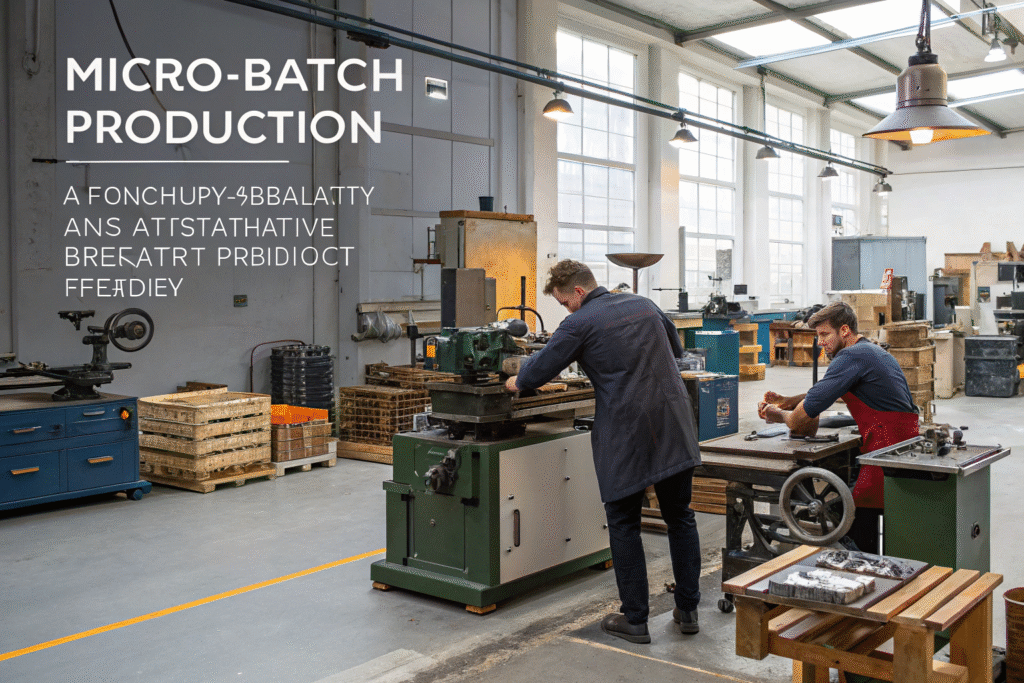
What Client Engagement Strategies Enhance Micro-Batch Value?
Client relationships in micro-batch production differ significantly from standard manufacturing, emphasizing collaboration, transparency, and shared appreciation for craftsmanship. These engagement strategies not only facilitate production but also significantly enhance the perceived value of the final products.
Successful micro-batch manufacturers view clients as partners in the creative process, providing visibility into production stages and offering appropriate levels of customization and personalization. This collaborative approach transforms the transaction from simple purchase to meaningful creative partnership.
How Does Transparent Process Communication Build Value?
Process transparency creates emotional connection and appreciation for artisan work:
Production Visibility Strategies:
- Progress Photography: Sharing images of work in progress at key milestones
- Material Selection Participation: Involving clients in material choices when appropriate
- Artisan Introduction: Introducing the craftspeople who will work on the project
- Technical Process Explanation: Educating clients about specialized techniques being used
Storytelling and Documentation:
- Material Provenance Stories: Sharing the origin and characteristics of special materials
- Technique Heritage: Explaining the history and significance of traditional methods
- Artisan Background: Highlighting the skills and experience of the makers
- Creation Journey Narrative: Building a narrative around the piece's development
This transparency transforms the hairpin from mere accessory to meaningful artifact with documented history and understood craftsmanship, significantly enhancing its perceived and actual value.
What Customization Approaches Work for Micro-Batch Clients?
Micro-batch production naturally accommodates customization through structured approaches:
- Modular Design Systems: Offering combinations of predefined elements with custom finishes
- Limited Parameter Customization: Allowing changes to specific aspects like length, finish, or stone selection
- Personalization Options: Adding initials, dates, or symbolic elements to standard designs
- Adaptive Sizing: Modifying designs to accommodate specific hair types or preferences
These structured customization approaches allow personalization while maintaining production efficiency and ensuring technical and aesthetic quality in the final products.
Conclusion
Top manufacturers have developed sophisticated approaches to micro-batch artisan hairpin production that blend traditional craftsmanship with modern technology and business practices. Through hybrid manufacturing models, flexible quality systems, adaptive supply chains, and data-driven planning, these manufacturers achieve the delicate balance between artistic integrity and economic viability.
The success of these approaches demonstrates that the future of artisan manufacturing lies not in rejecting technology but in thoughtfully integrating it to enhance and support traditional skills. This evolution enables the creation of unique, high-quality hair accessories that meet modern consumer demands for individuality, quality, and meaningful products while supporting sustainable business practices for artisans and manufacturers.
At HairAcc, we've developed specialized capabilities in micro-batch production of artisan hairpins, combining our technical manufacturing expertise with a network of skilled artisans and modern digital tools. Our approach ensures that each piece reflects both artistic vision and professional quality standards. To discuss micro-batch hairpin production for your brand or explore collaborative opportunities, contact our Business Director Elaine at elaine@fumaoclothing.com for consultation and samples.