
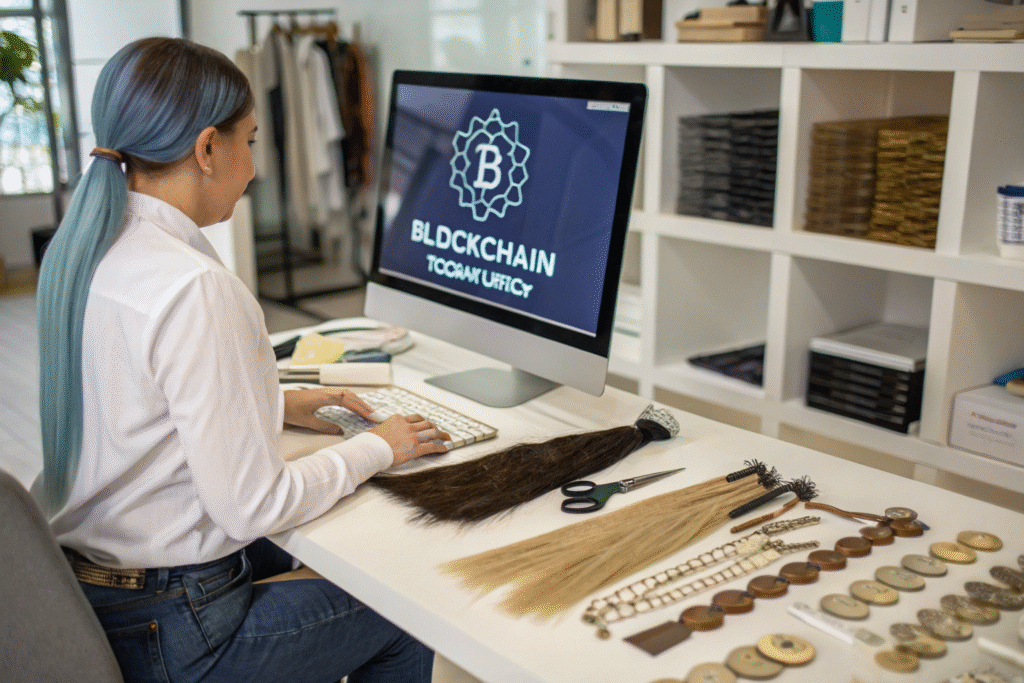
As the owner of HairAcc with extensive experience in both traditional manufacturing and digital innovation, I've witnessed firsthand how blockchain technology is revolutionizing quality control in the hair accessory industry. The implementation of distributed ledger technology represents a significant advancement beyond conventional quality management systems.
Top factories implement blockchain for hair accessory QC through material traceability systems, immutable quality records, real-time inspection logging, automated compliance verification, and transparent supply chain monitoring that collectively create unprecedented levels of quality assurance and consumer trust.These implementations transform quality control from a reactive process to a proactive, transparent system that benefits manufacturers, brands, and consumers alike.
The adoption of blockchain in hair accessory manufacturing continues to accelerate as brands seek greater transparency and consumers demand verifiable quality claims. Based on our experience implementing blockchain solutions and studying industry leaders, here's how top factories are leveraging this technology to enhance their quality control processes.
What Blockchain Architecture Supports Hair Accessory QC?
Implementing effective blockchain solutions requires careful architectural planning that addresses the specific needs of hair accessory manufacturing while ensuring scalability, security, and practical usability.
The most effective blockchain architectures for hair accessory QC include hybrid blockchain systems, IoT integration layers, QR code tracking mechanisms, smart contract automation, and permissioned access controls that balance transparency with commercial confidentiality. These architectural choices enable comprehensive quality tracking while maintaining operational efficiency.

How Do Hybrid Blockchain Systems Work for Manufacturing?
Top factories typically implement hybrid blockchain architectures that combine the transparency of public blockchains with the privacy controls of private networks. This approach allows factories to maintain confidential business information on private chains while sharing verified quality data with customers and regulators through public interfaces. For hair accessory production, this means material sourcing information, quality test results, and compliance certifications can be publicly verified without exposing proprietary manufacturing processes or cost structures. The system creates immutable records at each quality checkpoint while maintaining appropriate privacy boundaries.
What Role Does IoT Integration Play in Quality Data Collection?
Internet of Things (IoT) devices serve as critical data collection points that automatically feed quality information into blockchain systems. Factories install IoT sensors at key production stages to monitor variables like temperature during plastic injection, tension during metal forming, and humidity during fabric processing. These sensors automatically record environmental conditions and machine parameters directly to the blockchain, creating tamper-proof records of production conditions. For hair accessories requiring specific environmental controls, this provides verifiable evidence that quality standards were maintained throughout manufacturing, significantly enhancing quality assurance credibility.
How Does Blockchain Transform Material Traceability?
Material quality forms the foundation of hair accessory quality, and blockchain implementation dramatically enhances traceability from raw material sourcing through final product assembly.
Blockchain transforms material traceability through immutable origin records, batch-specific quality documentation, real-time material tracking, automated quality verification, and transparent supplier performance monitoring that collectively ensure material quality from source to finished product.These systems provide unprecedented visibility into material quality factors.
How Are Raw Material Origins Verified on Blockchain?
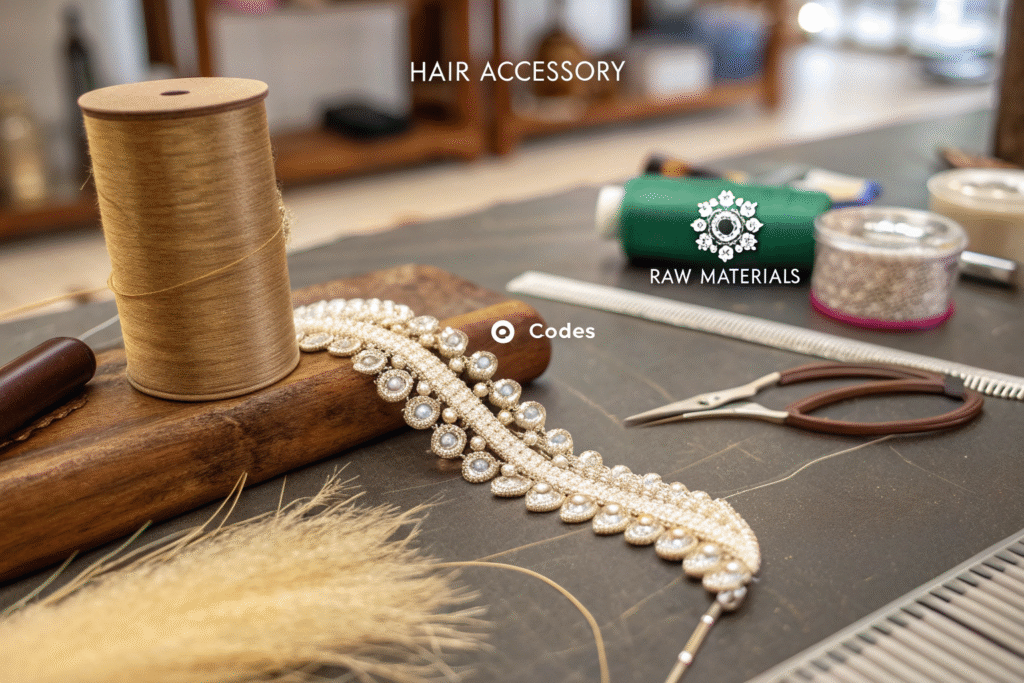
Top factories implement blockchain-based origin verification that tracks materials from their source through every processing stage. For hair accessories, this means recording the origin of metals for clips, plastics for combs, fabrics for headbands, and decorative elements like pearls or crystals. Each material batch receives a unique digital identity on the blockchain, with quality certifications, test results, and processing records permanently linked to this identity. This system prevents material substitution or quality misrepresentation while providing consumers with verifiable information about product composition and sourcing ethics.
What Quality Documentation Is Recorded on Blockchain?
Comprehensive quality documentation gets permanently recorded on blockchain systems, including material test certificates, safety compliance reports, performance test results, and inspection records. For hair accessories, this includes metal alloy composition verification, plastic safety testing, fabric colorfastness results, and durability testing data. Each quality checkpoint creates an immutable record that cannot be altered or backdated, ensuring the integrity of quality claims. This documentation becomes particularly valuable for products requiring specific certifications like REACH compliance for European markets or CPSIA compliance for the United States.
How Do Smart Contracts Automate Quality Compliance?
Smart contracts represent one of blockchain's most powerful applications for quality control, automating compliance verification and quality assurance processes based on predefined criteria.
Smart contracts automate quality compliance through real-time quality threshold monitoring, automated rejection protocols, supplier performance evaluation, compliance certification verification, and quality-based payment execution that collectively reduce human error and accelerate quality decisions.These automated systems enhance both efficiency and reliability.

How Do Quality Threshold Smart Contracts Work?
Factories program smart contracts with specific quality parameters that automatically trigger actions when thresholds are breached. For example, if a batch of hair clips shows consistent spring tension outside acceptable ranges, the smart contract can automatically flag the batch for additional inspection or rejection. Similarly, if material quality tests indicate substandard performance, the system can automatically prevent the materials from advancing to production. This real-time monitoring prevents quality issues from progressing through manufacturing stages, reducing waste and ensuring only compliant products reach customers.
What Role Do Automated Compliance Certificates Play?
Smart contracts automatically generate and verify compliance certificates based on recorded quality data. When products meet all predefined quality standards and regulatory requirements, the system automatically issues digital compliance certificates recorded on the blockchain. These certificates provide instant verification for customs clearance, retailer acceptance, and consumer assurance. For international hair accessory shipments, this automation significantly reduces documentation time while ensuring accuracy. The system can also automatically update certificates when regulations change, ensuring ongoing compliance without manual intervention.
How Is Blockchain Integrated with Traditional QC Processes?
Successful blockchain implementation requires seamless integration with existing quality control systems rather than complete replacement of traditional methods.
Blockchain integration with traditional QC involves digital transformation of inspection protocols, IoT enhancement of manual processes, hybrid documentation systems, staff training programs, and gradual implementation strategies that build on established quality practices.This approach minimizes disruption while maximizing benefits.

How Are Traditional Inspection Methods Digitized?
Factories digitize traditional inspection methods by equipping quality control staff with tablet-based inspection systems that directly record results to the blockchain. Instead of paper-based checklists, inspectors use digital forms that automatically timestamp and geolocate each inspection. Photos and videos of quality issues get permanently linked to production batches. For hair accessory inspection, this means digital recording of visual defects, functional testing results, and measurement verification. The system maintains the expertise of experienced quality inspectors while enhancing data integrity and accessibility through blockchain recording.
What Training Is Required for Blockchain QC Implementation?
Successful blockchain implementation requires comprehensive staff training programs that cover both technical understanding and practical application. Quality control teams learn how to use blockchain-integrated inspection tools, interpret blockchain quality data, and understand the system's benefits for their work. Management receives training on blockchain analytics and decision-making based on the enhanced quality data. This educational component ensures the technology enhances rather than disrupts existing quality expertise. Factories typically implement phased training programs that build competency gradually while demonstrating tangible benefits at each stage.
What Are the Measurable Benefits of Blockchain QC Implementation?
The implementation of blockchain for quality control delivers quantifiable benefits across multiple business dimensions, justifying the investment through both immediate improvements and long-term advantages.
Measurable benefits of blockchain QC implementation include reduced quality incidents, faster issue resolution, enhanced customer trust, streamlined compliance, and improved supply chain relationships that collectively deliver significant return on investment. These benefits manifest in both operational efficiency and market perception.

How Does Blockchain Reduce Quality Incident Rates?
Factories implementing blockchain quality systems typically see 25-40% reductions in quality incidents within the first year of implementation. The immutable record-keeping prevents quality data manipulation, while real-time monitoring catches issues earlier in production. Automated alerts notify quality teams of potential problems before they affect large production runs. For hair accessory manufacturers, this means fewer customer returns, reduced scrap rates, and lower costs associated with quality failures. The transparency also improves supplier accountability, as quality issues can be precisely traced to specific material batches or production stages.
What Impact Does Blockchain Have on Customer Trust?
Brands using blockchain-verified quality systems report significant enhancements in customer trust and brand perception. Consumers increasingly value transparency and verifiable quality claims, with blockchain providing undeniable proof of quality standards. Hair accessory brands can share blockchain quality records with customers through QR codes or online verification portals, demonstrating commitment to quality in a tangible, verifiable way. This transparency becomes a powerful marketing advantage while building long-term customer loyalty through demonstrated quality commitment.
Conclusion
Top factories implement blockchain for hair accessory quality control through integrated systems that enhance traditional methods while introducing unprecedented levels of transparency, automation, and data integrity. The most successful implementations balance technological innovation with practical manufacturing needs, creating systems that deliver measurable benefits without disrupting production efficiency. As blockchain technology continues to mature and become more accessible, its adoption in hair accessory quality control will likely become standard practice for manufacturers seeking competitive advantage through verifiable quality excellence.
If you're considering blockchain implementation for your hair accessory quality control systems, we invite you to contact HairAcc to discuss your specific requirements. With our experience in both traditional quality management and digital innovation, we can help you develop blockchain solutions that enhance your quality assurance while maintaining production efficiency. Reach out to our Business Director Elaine at elaine@fumaoclothing.com to explore how blockchain can transform your quality control processes.