
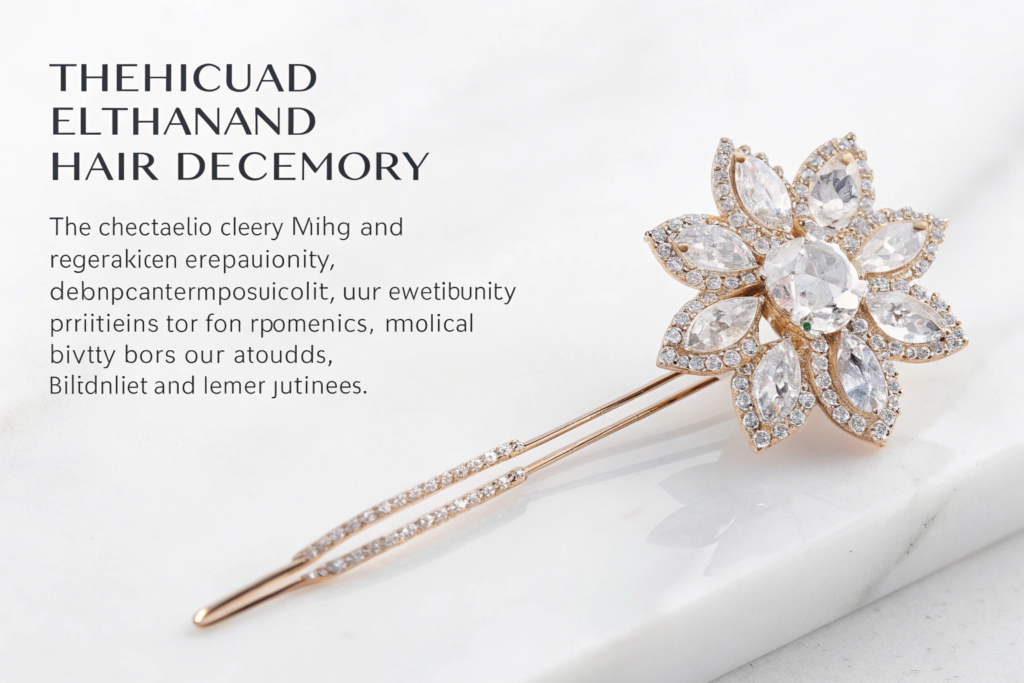
Are you a brand owner looking to add genuine diamond or diamond-like sparkle to your high-end hair accessory line, but concerned about the complex ethical and environmental footprint of your materials? The journey of a diamond from the earth to a delicate hairpin is fraught with potential pitfalls, including the risks of funding conflict ("blood diamonds"), environmental degradation from mining, and opaque supply chains. Navigating this requires a clear strategy and the right partners to ensure your products are as beautiful in their making as they are in their design.
Suppliers ethically source conflict-free diamonds through two primary, rigorous pathways: 1) Adhering to global frameworks like the Kimberley Process (KP) and sourcing from certified mines for natural diamonds, and 2) Opting for modern, traceable lab-grown diamonds that inherently eliminate mining-related ethical concerns. The most responsible suppliers go beyond a single certificate; they build transparent, audited supply chains and often pursue third-party certifications like those from the Responsible Jewellery Council (RJC) to verify their ethical, social, and environmental practices.
This commitment is not just about avoiding conflict; it's about proactive responsibility across the entire supply chain. Let's explore the concrete systems and standards that define ethical sourcing in the diamond industry and how they apply to the creation of exquisite, conscience-clear hair accessories.
What are the foundational systems for conflict-free natural diamonds?
For suppliers working with natural diamonds, ethical sourcing is built upon internationally recognized systems designed to prevent conflict diamonds from entering the legitimate market. These systems provide the basic, non-negotiable foundation for responsible trade.
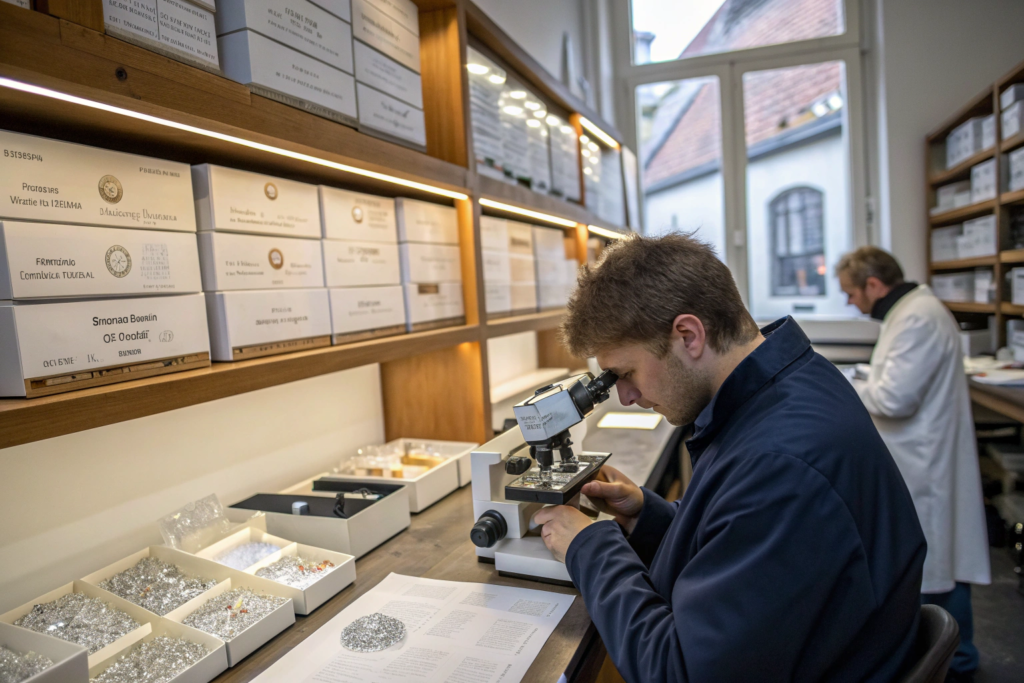
How does the Kimberley Process Certification Scheme (KPCS) work?
The Kimberley Process (KP) is an international certification scheme established in 2003. It unites governments, the diamond industry, and civil societies to prevent "conflict diamonds" from financing wars against governments. Under the KP, participating countries must ensure that every shipment of rough diamonds is exported and imported in a secure container accompanied by a government-issued KP certificate that verifies its conflict-free status. It's crucial to understand that the KP's definition of "conflict-free" is specific, focusing on diamonds used to fund rebel movements. It does not directly address other critical ethical issues like poor labor conditions, environmental damage, or human rights abuses in mining, which is why leading brands use it as a baseline, not a complete ethical solution.
What role do major mining groups and supplier codes play?
Beyond the KP, the industry relies on large, established mining groups and corporate sourcing protocols. Companies implement their own stringent sourcing policies and supplier codes for their clients (known as "sightholders"). These policies often require partners to adhere to principles that go beyond the KP, encompassing human rights, anti-corruption, and environmental stewardship. For a hair accessory brand or manufacturer, partnering with a supplier that is a certified sightholder of a major group provides an additional layer of supply chain assurance. These suppliers have undergone vetting and agree to uphold the group's ethical standards, creating a more controlled and traceable path from the mine to the manufacturing workshop.
Why are lab-grown diamonds considered a paradigm shift for ethical sourcing?
Lab-grown diamonds (LGDs) represent a transformative alternative, addressing many ethical and environmental concerns at their root by eliminating mining altogether. Their traceable, controlled production makes them a compelling choice for modern brands.
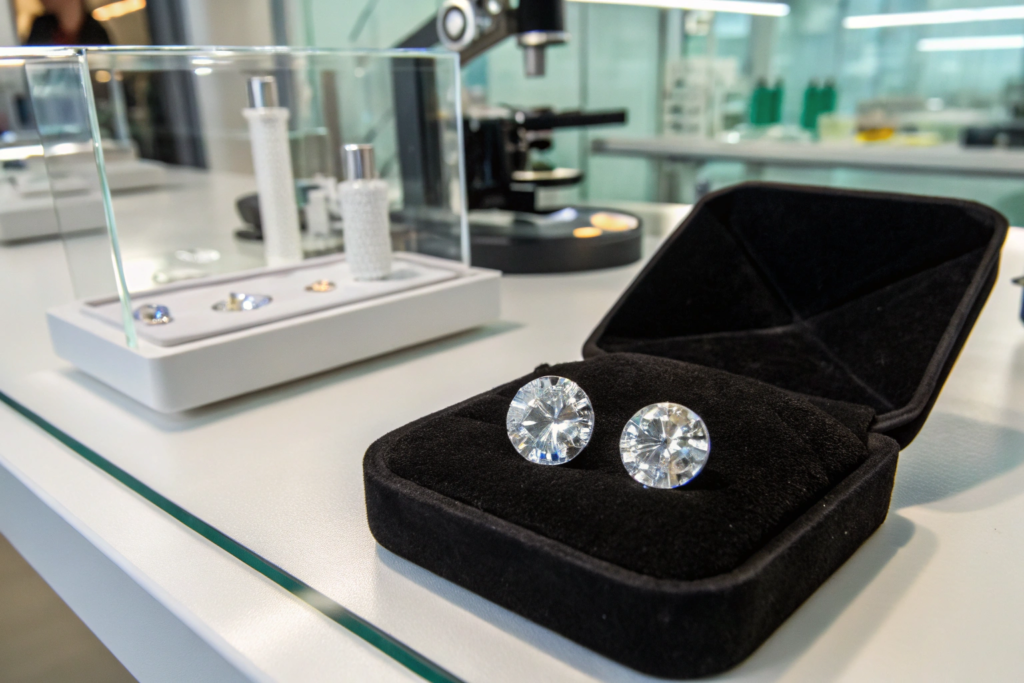
How do lab-grown diamonds ensure ethical provenance?
Lab-grown diamonds are created in controlled environments using technological processes that replicate the conditions under which natural diamonds form. This fundamental difference means their provenance is inherently transparent and documented from the moment of creation. There is no link to conflict zones or opaque mining operations. Furthermore, specialized standards have emerged to certify the sustainability of LGD production. For instance, the SCS 007 Sustainability Rated Diamond Standard assesses producers on origin assurance, ethical stewardship, and climate neutrality. This allows brands to source diamonds from certified producers, providing a clear, marketable ethical story.
What are the environmental and value advantages?
Choosing lab-grown diamonds aligns with strong environmental and value-based branding. They have a significantly lower environmental footprint than mined diamonds. Many producers also use 100% renewable energy in their facilities. From a cost perspective, LGDs typically cost 25-50% less per carat than equivalent mined stones. This allows brands like yours to offer more accessible luxury or invest the savings into superior design, craftsmanship, or marketing for hairpin collections.
What third-party certifications verify comprehensive ethical practices?
For suppliers and brands that want to demonstrate leadership, third-party certifications provide independent verification of their entire operational ecosystem—from sourcing and labor practices to environmental management.
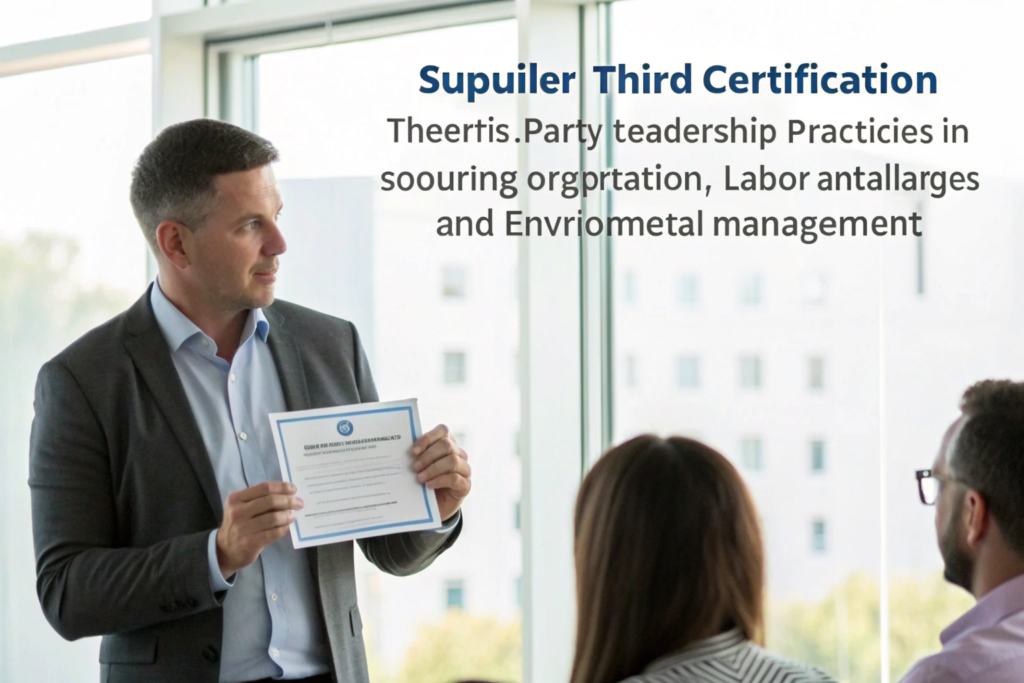
What does the Responsible Jewellery Council (RJC) certify?
The RJC is the world's leading standards-setting organization for the jewelry supply chain. Its Code of Practices (COP) is a comprehensive standard covering critical areas: responsible supply chains, human rights, labor conditions, health and safety, environmental impact, and business ethics. RJC certification involves a rigorous, independent third-party audit of the company's management systems and on-site practices. For example, an audit verifies that a company's gold is from fair-trade suppliers, its silver is recycled, and its gemstones are conflict-free. This certification is recognized by major retailers as a pathway to demonstrating compliance with responsible sourcing protocols.
How do other standards like SCS Responsible Source add value?
Other certifications offer targeted verification. The SCS Responsible Source for Jewelry standard is an innovative certification that assures clients a company uses recycled metals and conflict-free gems while meeting baseline social and environmental accountability benchmarks. It specifically helps companies avoid conflict minerals and materials from problematic or illegal sources. Furthermore, protocols like the Signet Responsible Sourcing Protocol (SRSP)—used by one of the world's largest jewelry retailers—provide a strict framework for suppliers. It requires due diligence aligned with the OECD's guidelines to ensure diamonds and metals are conflict-free and respect human rights. These certifications are powerful tools for a supplier, like Shanghai Fumao Clothing, to communicate credibility and ethical commitment to potential brand partners.
How can a hair accessory brand implement and verify ethical sourcing?
For a brand commissioning diamond-accented hairpins, moving from theory to practice involves asking the right questions, demanding documentation, and considering strategic sourcing choices.
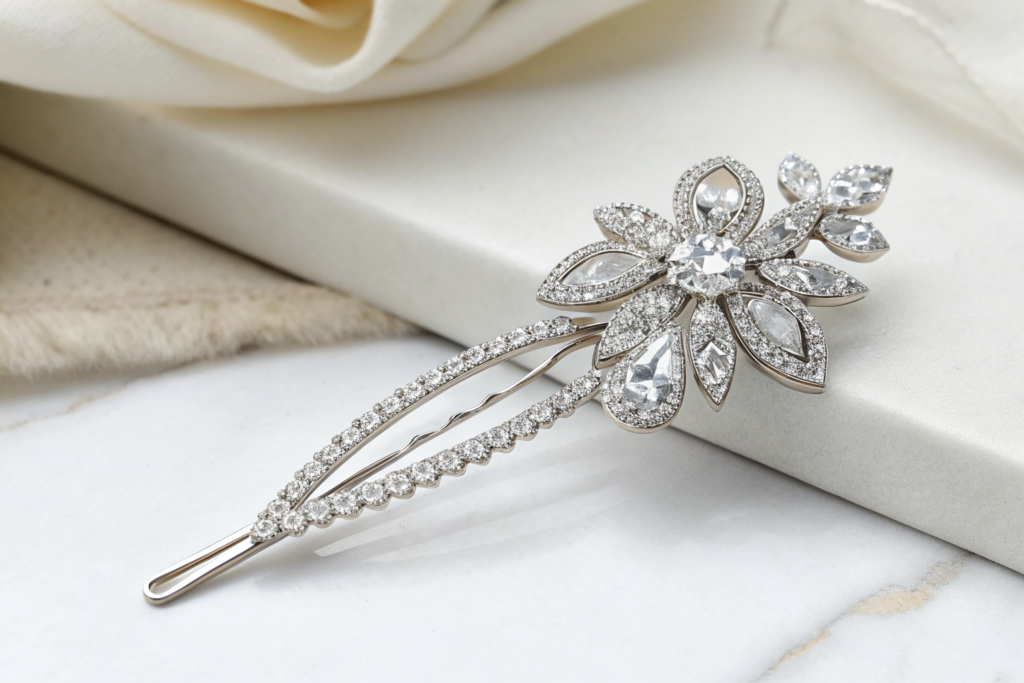
What questions should you ask your potential supplier?
Due diligence is key. You should directly ask your manufacturing or diamond supplier:
- "Can you provide the Kimberley Process certificate for the rough diamonds used in your stock?" (For natural diamonds).
- "Are you, or your direct diamond supplier, certified by the Responsible Jewellery Council (RJC) or another ethical standard?".
- "What is the origin of these diamonds? Can you provide a traceability report from mine to cutter (for natural) or from grower to cutter (for lab-grown)?".
- "Do you have a written policy on conflict-free diamonds, human rights, and environmental responsibility in your supply chain?".
Should you choose natural or lab-grown diamonds for your line?
| This decision hinges on your brand identity, customer values, and price point. | Consideration | Natural Diamonds | Lab-Grown Diamonds |
|---|---|---|---|
| Core Ethical Proposition | Responsible mining, supporting legitimate economies, KP compliance. | No mining, inherently conflict-free, often lower carbon footprint. | |
| Traceability & Proof | Relies on chain of custody via KP and supplier certificates; can be complex. | Inherently traceable from the lab; easier full-chain documentation. | |
| Cost Implication | Higher cost per carat, impacting final product price. | Lower cost per carat (25-50% less), allowing for design or margin flexibility. | |
| Brand Narrative | Traditional luxury, rarity, and natural origin. | Modern innovation, technological mastery, and clear environmental ethics. |
For many contemporary hair accessory brands targeting ethically-minded consumers, lab-grown diamonds offer a compelling, transparent, and cost-effective solution. They simplify the sourcing challenge and provide a strong, authentic story.
Conclusion
Ethically sourcing conflict-free diamonds for hairpins is a multifaceted commitment that extends far beyond a simple certificate. It involves engaging with established international systems like the Kimberley Process for natural stones, embracing the transparent innovation of lab-grown diamonds, and partnering with suppliers who validate their practices through rigorous third-party certifications like those from the RJC.
The most forward-thinking approach is to view ethical sourcing as a core component of your brand's integrity and value proposition. By prioritizing transparency and demanding verified standards from your supply chain, you create products that deliver not only beauty but also peace of mind.
If you are looking to develop a line of exquisite, ethically-sourced diamond hair accessories and seek a manufacturing partner who understands and can navigate these crucial considerations, Shanghai Fumao Clothing is here to help. We are committed to responsible sourcing and can guide you in selecting the right materials for your vision. Contact our Business Director, Elaine, at elaine@fumaoclothing.com to discuss how we can bring your ethical and elegant designs to life.