
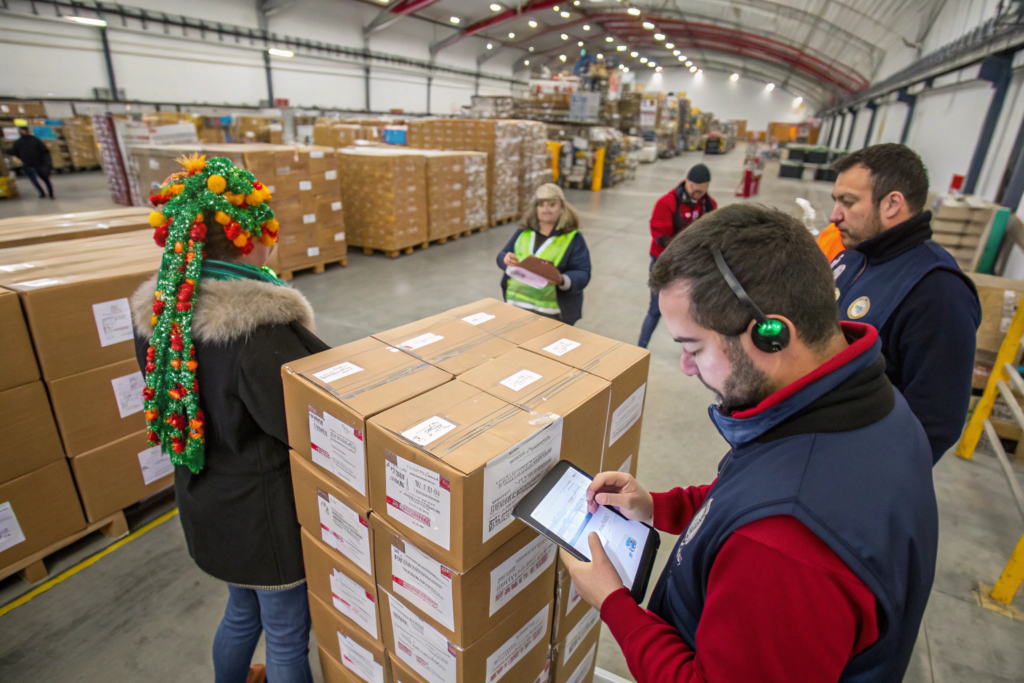
Picture this: it's mid-December, and your best-selling holiday headband collection is flying off the virtual shelves in the US and Europe. Suddenly, you get frantic messages from your major retail buyers—shipments are stuck, with delivery estimates slipping past Christmas. The nightmare of missed sales, disappointed customers, and strained partnerships becomes real. In the high-stakes world of holiday fashion, shipping delays aren't just an inconvenience; they can define your entire season's success.
Leading factories expedite holiday shipping through a proactive, multi-layered strategy that begins months before the season and leverages key logistical advantages. It's not about finding a last-minute miracle but about implementing a disciplined system of advanced planning, strategic logistics partnerships, flexible fulfillment models, and meticulous compliance management. This end-to-end control transforms the chaotic holiday rush into a predictable, streamlined operation. As an experienced wholesale fashion hair accessories manufacturer & supplier, Shanghai Fumao Clothing integrates these very principles to ensure our partners' festive collections arrive on time, every time.
For a business owner or procurement manager sourcing from overseas, understanding this factory-side process is crucial for setting realistic expectations and building a resilient supply chain. Let's unpack the four core strategies that separate the leaders from the laggards during the holiday crunch.
Why Must Holiday Shipping Planning Start 3-6 Months in Advance?
You wouldn't wait until Christmas Eve to buy a gift, so why would you wait to plan its journey? For factories, the holiday shipping battle is won or lost in the planning stages, long before the first snowflake falls. Proactive planning is the non-negotiable foundation that mitigates risk, secures capacity, and locks in costs.
The most critical step is demand forecasting and early material procurement. Based on historical sales data and current trend analysis, leading factories work with clients to forecast order volumes for key holiday items like festive headbands, sparkly hair clips, and velvet scrunchies. This allows them to order bulk raw materials—metals, fabrics, pearls—well ahead of time, avoiding the seasonal price spikes and shortages that plague last-minute buyers. Furthermore, early planning allows factories to book freight capacity early. As carriers like UPS and FedEx face massive volume surges, securing space on planes and ships in October or earlier is essential to avoid being shut out in November and December.
This advanced timeline directly addresses core buyer pain points. By securing logistics early, factories gain more predictable sailing schedules and can provide more accurate delivery estimates to their clients, eliminating guesswork and anxiety. It also provides a buffer against the inevitable port congestion and customs delays that can add 1-2 weeks during peak seasons. For a buyer like Ron, who is highly concerned with timeliness and tariff costs, partnering with a factory that plans around these deadlines is a strategic advantage. Our integrated production model at Shanghai Fumao, with controlled dyeing, printing, and embroidery, gives us the command over our schedule needed to execute this long-range planning effectively.
How Does Early Freight Booking Combat Peak Season Surcharges and Delays?
Carriers universally implement Peak Season Surcharges (PSS) during the holidays, dramatically increasing shipping costs. By booking space months in advance, factories can often lock in rates before these surcharges reach their peak or negotiate better terms based on projected volume. More importantly, it guarantees physical space on vessels and aircraft. As one logistics report notes, during the peak, "volumes rise across the U.S. network," and carriers urge early shipping. Factories that wait become dependent on whatever leftover capacity is available, often at premium prices and with no guarantee of delivery before Christmas. This proactive booking is a key component of providing competitive pricing and reliable logistics.
What Are the Critical Holiday Shipping Deadlines Factories Track?
Leading factories don't just have internal deadlines; they meticulously track the external cutoff dates published by global carriers to back-calculate their entire production schedule. For example, to ensure delivery by December 24th, the latest ship-by dates for the contiguous US in 2025 were:
- USPS Ground/Priority Mail: December 17-18
- FedEx Ground (5-day): December 17
- UPS Ground: Varies, but typically around mid-December
For faster services like UPS 2nd Day Air, the deadline shifted to December 22nd. A professional factory uses these hard dates as immovable targets, scheduling production completion, quality control, and packaging to meet the earliest possible loading date, building in a cushion for any last-minute issues.
How Do Logistics Strategies Like Order Consolidation Cut Costs & Time?
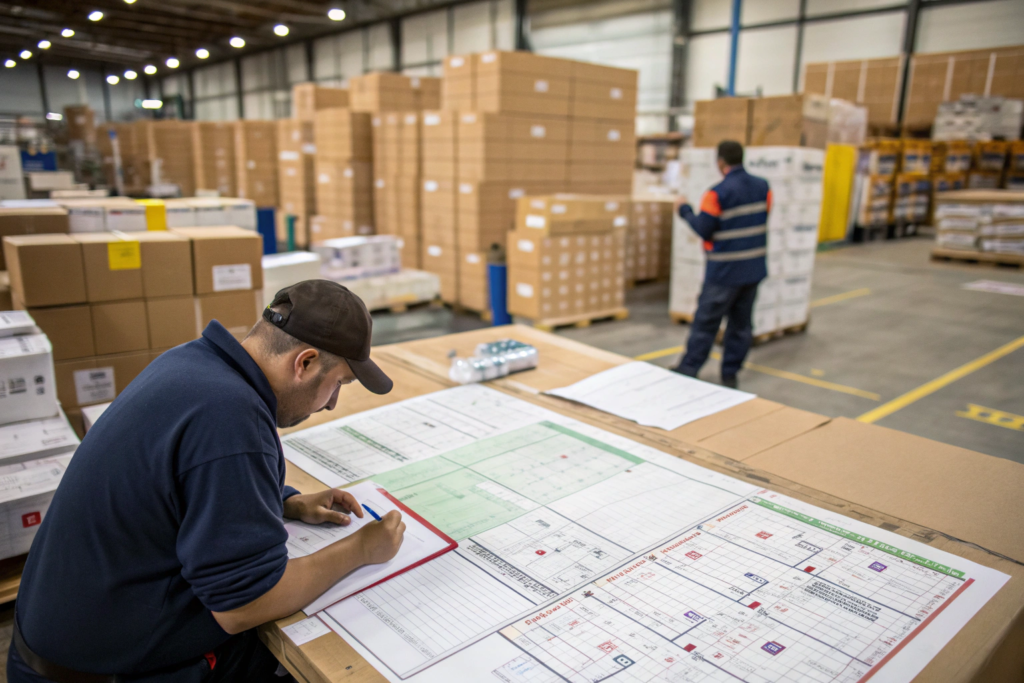
Sending out hundreds of individual small parcels is a recipe for high costs and tracking chaos. Leading factories employ intelligent logistics strategies, with order consolidation being a powerhouse for efficiency. This practice involves combining multiple orders destined for the same region or country into a single, larger shipment.
The benefits are substantial. On the cost side, consolidating orders allows factories to ship larger volumes at more favorable freight rates (LCL or FCL for sea, bulk weight for air), rather than paying premium rates for numerous small packages. Data suggests this can reduce transportation costs by up to 30%. These savings can be passed on to buyers or reinvested into faster shipping tiers. On the time and reliability side, consolidation simplifies the supply chain. Instead of managing dozens of individual air waybills and customs entries, the factory and their freight forwarder handle one consolidated shipment. This significantly reduces paperwork errors, streamlines customs clearance at the destination port, and minimizes the risk of individual parcels getting lost in transit. Once cleared, the bulk shipment is deconsolidated locally for final delivery.
For international buyers, this strategy is a game-changer. It directly tackles the pain points of inefficient pricing and security. Fewer touchpoints and a single, trackable master shipment enhance cargo security and visibility. Furthermore, as new customs regulations like the 2025 HS code changes come into effect, having one consolidated shipment with perfectly prepared, uniform documentation reduces the risk of clearance delays or penalties for any single order. At Shanghai Fumao, our dedicated packaging factory and professional QC team are organized to batch, inspect, and pack orders efficiently for consolidation, ensuring both product integrity and logistical efficiency.
What is the Difference Between Order Consolidation and Using a Fulfillment Hub?
While related, these are distinct concepts. Order Consolidation is a transportation strategy: grouping goods from one origin (the factory) for bulk shipping to a destination region. Using a Fulfillment Hub or Overseas Warehouse is a distribution strategy: shipping bulk inventory in advance to a warehouse in the target market (e.g., the US or EU). When a customer places an order, it is fulfilled and shipped domestically from that local hub, enabling "2-day delivery" instead of 2-week cross-border shipping. Leading factories often combine both: they consolidate production into bulk containers for the "first leg" to an overseas warehouse, which then handles the fast "last mile."
How Does Consolidation Provide a Hedge Against Tariff and Compliance Risks?
A consolidated shipment means one unified set of commercial invoices, packing lists, and harmonized tariff (HS) code declarations. This allows for greater accuracy and consistency, which is critical under heightened customs scrutiny during peak seasons. A factory with expertise in tariff compliance can ensure all products in the consignment are correctly classified according to the latest 2025 codes, preventing costly hold-ups that could delay every order in the batch. This centralized control is far more reliable than managing disparate small parcels, each with its own potential for documentation error.

What Technology Do Factories Use for Real-Time Visibility and Flexibility?
In the past, once a shipment left the factory gate, it entered a "black hole" until it arrived—or didn't. Today, leading factories eliminate this anxiety by leveraging technology to provide real-time visibility and build flexibility into the shipping process. This transparency is no longer a luxury; it's what sophisticated buyers like Ron expect.
The cornerstone of this is integrated tracking and Transportation Management Systems (TMS). Factories partner with logistics providers that offer advanced tracking APIs, allowing them to monitor shipments from pickup through port departure, ocean/air transit, customs clearance, and final delivery. Carriers like UPS are investing heavily in this, deploying RFID technology in thousands of locations for enhanced visibility from drop-off to delivery. Buyers may receive login credentials to a portal or regular automated updates, turning the shipping process into a transparent, predictable timeline. Beyond tracking, data analytics and AI are used for predictive planning. By analyzing historical shipping data and current global port conditions, factories can predict potential bottlenecks and reroute shipments proactively to avoid delays.
This technological capability directly solves major buyer frustrations. Real-time tracking ends the endless "where's my order?" inquiries and builds trust. Predictive analytics address the core pain point of timeliness by anticipating and avoiding delays rather than just reacting to them. Furthermore, this tech enables flexibility. If a last-minute retail order comes in, a factory with a clear view of its in-transit inventory and multiple carrier integrations can swiftly arrange expedited air freight for a small batch without disrupting the main consolidated shipment. For a manufacturer and supplier like us, offering this level of insight is part of our good service and professional customer energy, ensuring our partners are always in control.
How Do API Integrations with Carriers and Platforms Streamline Operations?
Leading factories often have their order management systems connected via API to carrier platforms (e.g., UPS, FedEx) and major e-commerce platforms like Shopify. This allows for the automated generation of shipping labels, customs documents, and tracking numbers as soon as an order is packed. This automation eliminates manual data entry errors, drastically speeds up the dispatch process, and ensures all documentation complies with the latest carrier and customs rules. For the buyer, this means their order moves from "production complete" to "in transit" in a matter of hours, not days.
Can Technology Help Mitigate the Impact of Sudden Customs Rule Changes?
Yes, absolutely. Digital freight platforms and modern TMS often have built-updated databases of global HS codes and customs regulations. When a change like the 2025 USPS HTS requirement or GCC's shift to 12-digit codes takes effect, these systems can flag products in the shipping workflow that need reclassification. This allows the factory's logistics team to correct documentation before the shipment is submitted, preventing costly and time-consuming rejections at the border. This proactive compliance is a critical technological safeguard.
Why Are Flexible Fulfillment Models Like Overseas Warehouses a Game-Changer?
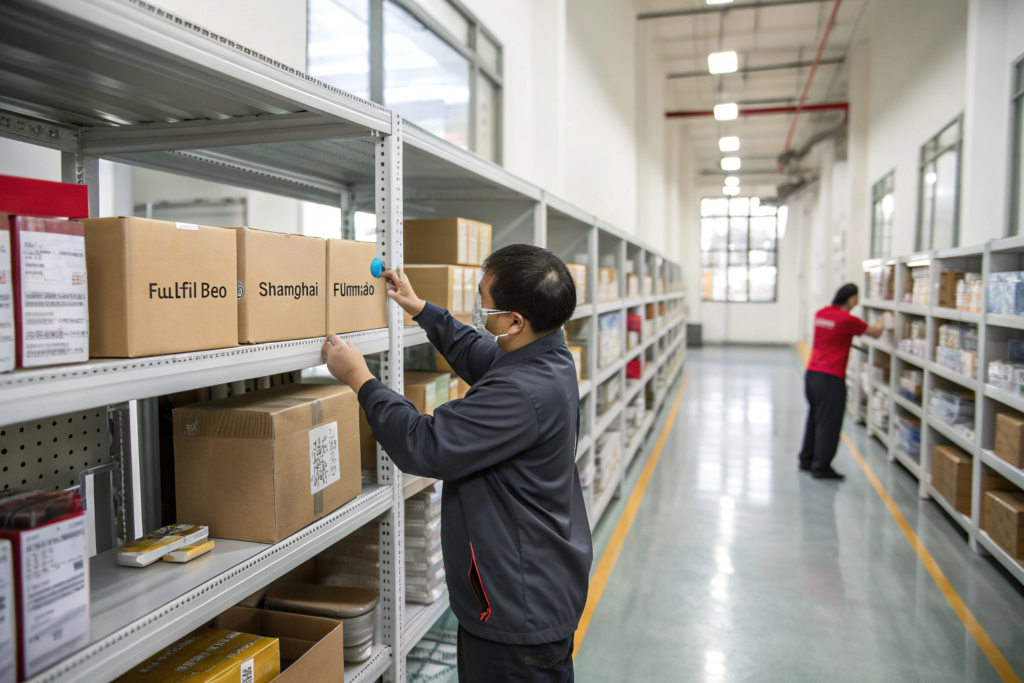
The ultimate weapon in the fight for holiday shipping speed is moving inventory closer to the end customer before the season even begins. This is achieved through flexible fulfillment models, primarily the use of overseas warehouses or fulfillment hubs. This model shifts the paradigm from slow cross-border shipping to fast local delivery.
Here's how it works: Throughout the year, but especially in the months leading up to Q3, the factory ships bulk quantities of best-selling and forecasted holiday items (like popular hair chains, lace veils, or wide headbands) to a strategically located warehouse in the target market, such as the United States or European Union. When an online customer or retail store places an order, the fulfillment center in that country picks, packs, and ships the item domestically. This can transform delivery times from 15-30 days down to 2-5 days, with some services even offering next-day delivery. For the buyer (like a large retailer or e-commerce store owner), this means they can promise and deliver "in time for Christmas" offers with high confidence, drastically boosting sales conversions and customer satisfaction.
This model is a direct and powerful solution to the most acute holiday pain points. It virtually eliminates concerns about international sailing schedules, port congestion, and last-mile delays from overloaded local carriers. It also provides a significant hedge against tariff costs and complications; goods are imported in bulk by the warehouse operator, simplifying the customs process. Once the goods are in the local warehouse, they are not subject to sudden changes in US tariffs for individual consumer parcels. For our clients at Shanghai Fumao Clothing , we can facilitate connections to reliable overseas warehousing partners, offering a seamless extension of our end-to-end production and quality control services right to the customer's doorstep.
How Does the "Overseas Warehouse" Model Compare Cost-Wise to Direct Shipping?
While there is an upfront cost for bulk international shipping and storage fees, the overall economics are often favorable for holiday seasons. First, the bulk "first leg" shipping via sea freight is much cheaper per unit than express air mail. Second, domestic ground shipping within the US or EU is less expensive and more reliable than international express during peak chaos. Finally, the increased sales conversion rate from offering fast, guaranteed delivery often far outweighs the slightly higher logistical cost. It's a strategic investment in customer acquisition and retention.
What is the "Hybrid" Fulfillment Strategy for Managing Inventory Risk?
The smartest approach is often hybrid. Factories and their clients use overseas warehouses for predictable, best-selling core holiday items (e.g., classic red velvet scrunchies). For newer, trend-driven designs or customizable items where demand is uncertain, they keep a portion of inventory at the factory in China. This allows for fast production of re-orders based on early sales data, which are then shipped via expedited air consolidation. This hybrid model balances the speed of local fulfillment with the flexibility and lower risk of on-demand manufacturing, optimizing both speed and cost.

Conclusion
Expediting holiday shipping is not a last-minute sprint but a marathon of meticulous preparation executed by leading factories. It demands a holistic approach that starts with forecasting and early material procurement, leverages smart logistics like order consolidation, is powered by technology for visibility, and is supercharged by strategic models like overseas warehousing. This end-to-end control transforms the seasonal frenzy into a managed, reliable process.
For wholesalers, retailers, and brands, partnering with a factory that masters this discipline is the single most effective way to ensure your holiday collections delight customers and drive revenue, rather than getting lost in transit.
If you are looking for a hair accessories partner that combines high-speed development capacity with robust, pre-emptive holiday logistics planning, let's build your successful season together. Contact our Business Director, Elaine, at elaine@fumaoclothing.com to discuss how Shanghai Fumao Clothing can streamline your supply chain and ensure your products are the highlight of the holiday, not a shipping notice.