
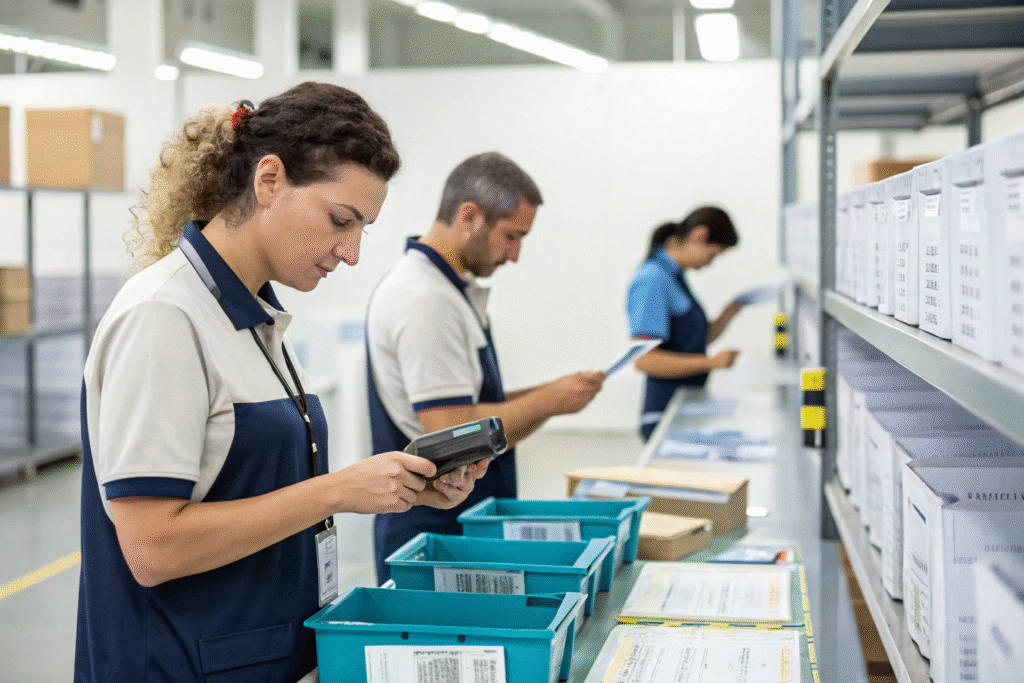
Many buyers question how manufacturers guarantee hygiene and safety during accessory production. Concerns include contamination, delays, and regulatory risks. When overlooked, these issues can damage brand reputation and disrupt supply chains.
Factories address biosecurity compliance through structured zoning, sanitation routines, microbial testing, material traceability, and adherence to global regulations. These practices protect product safety and maintain international trust.
This article outlines how our facility ensures strict biosecurity. Each section explains practical steps that safeguard materials and finished goods.
Factory Biosecurity Measures for Hair Accessories
Factories implement biosecurity by separating operations into zones, using protective clothing, and maintaining sanitation procedures. Workers wear gloves and hair nets, and visitors follow controlled entry protocols. These measures reduce risks of cross-contamination.
A structured system of zoning, sanitation cycles, and equipment disinfection is the foundation of biosecurity in hair accessory manufacturing. Regular cleaning and air filtration protect product quality.
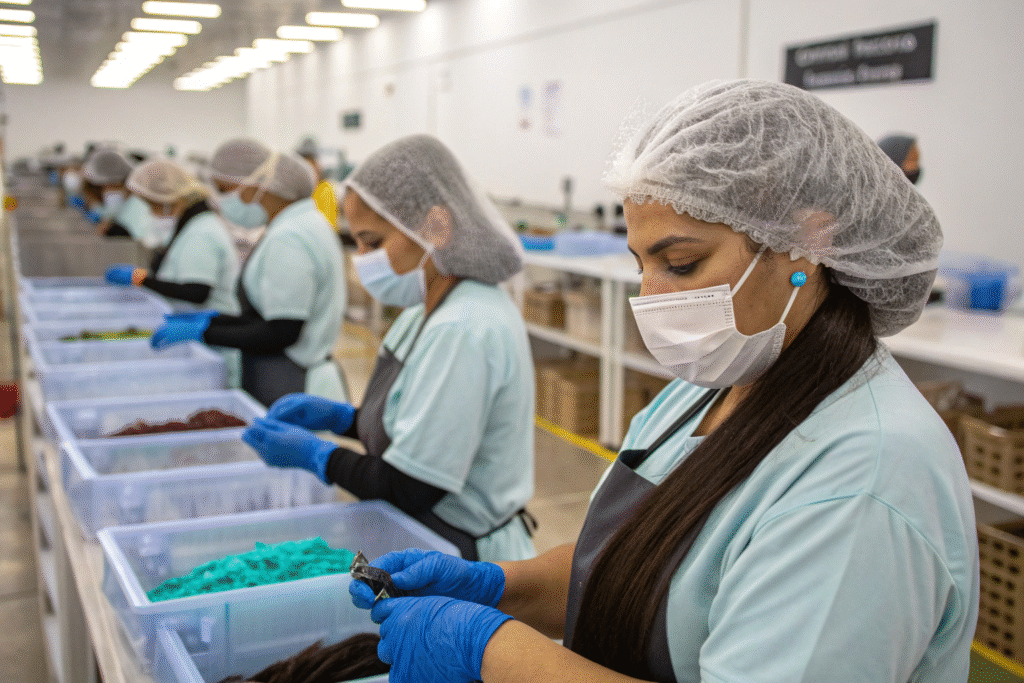
Production areas are cleaned multiple times daily. Records are maintained to ensure compliance. Physical separation of raw materials, production, and packaging zones creates effective barriers against contamination.
What zoning protocols are in place?
Facilities divide intake, processing, and packaging areas. Access is restricted to trained staff. Clear separation reduces opportunities for contamination and maintains hygiene standards.
How often do sanitation cycles run?
Sanitation cycles occur before production starts, during breaks, and after shifts. All activities are logged in the factory’s quality system for transparency and accountability.
Preventing Microbial Contamination in Production
Microbial control is essential for products that touch skin or hair. Factories manage humidity and air quality, while also testing products for bacteria and mold.
Factories prevent microbial contamination through environmental monitoring, sample testing, and validated sterilization. This ensures hair accessories remain safe throughout production.
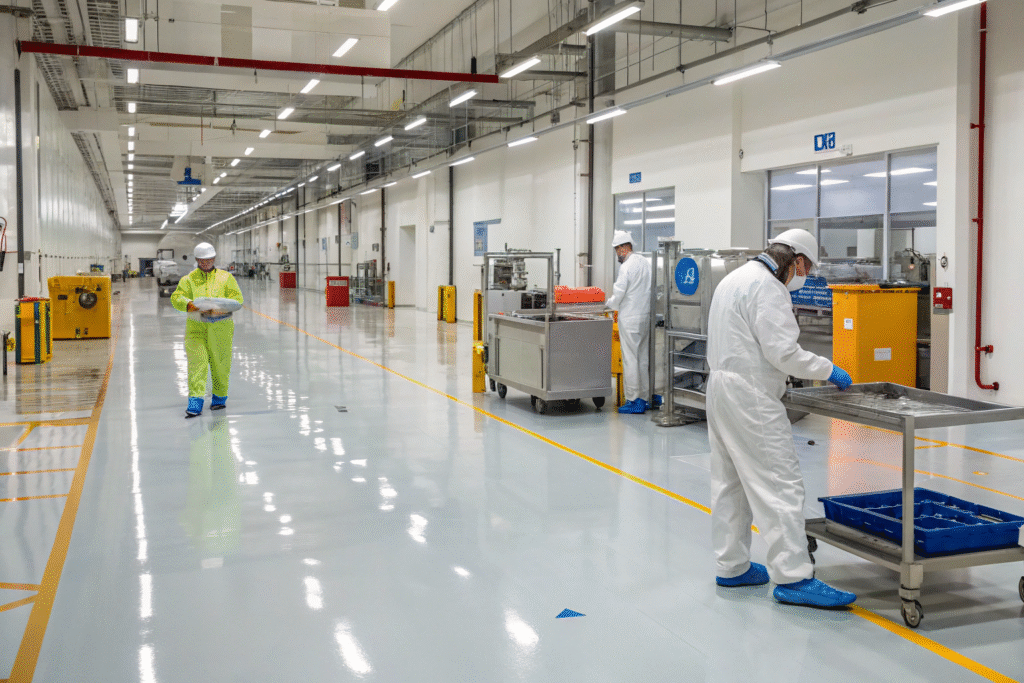
Air filtration and temperature controls create stable environments. Testing identifies microbial threats early, and corrective actions prevent further spread.
What environmental controls are used?
Humidity and temperature are kept within strict limits. Automated sensors monitor conditions and trigger alarms when levels shift outside accepted ranges.
How is microbial testing done?
Samples are collected daily for analysis. Tests are conducted in-house or by accredited laboratories. Results are documented, and production halts immediately if contamination is detected. See SGS testing services and Intertek microbiological testing for more details.
Recraft指令--Show a production line with sterilization procedures, sanitized surfaces, and staff in gloves. Faces realistic, no text or maps.
Raw Material Hygiene and Traceability Systems
Raw materials must be inspected and recorded to ensure hygiene from the start. Factories rely on documentation, barcoding, and batch tracking to confirm origins and prevent contamination.
Traceability systems connect every batch of materials to its supplier, while hygiene inspections verify packaging and quality. This process guarantees only approved inputs enter production.

Materials arrive with supplier certifications and testing reports. Barcodes link batches to production records. This process ensures rapid response if issues arise.
How is source traceability handled?
Factories record batch codes in enterprise systems. Each product can be traced back to raw origin. Learn more about traceability in textiles and supply chain transparency tools.
How do we ensure raw material hygiene?
Deliveries undergo inspection for packaging integrity and cleanliness. Damaged or compromised materials are quarantined. More information on supplier audits is available at Bureau Veritas supplier inspection and UL material verification.
Regulatory Standards for Safety in Accessories
Compliance ensures that hair accessories meet global market requirements. Factories follow national and international regulations, covering safety, hygiene, and documentation.
Factories adhere to EU GPSR, US MoCRA, ISO 22716, and China CSAR to guarantee safe and compliant hair accessories. Compliance secures trust and prevents shipment delays.

Technical files, risk assessments, and audit reports are prepared for authorities and buyers. This demonstrates commitment to safety and professional standards.
Which regulations must we meet?
Factories align with EU General Product Safety Regulation, US MoCRA, and China CSAR. Resources include FlyChem global compliance guide and EU Verify compliance checklist.
What documentation is maintained?
Product Information Files, safety data, and supplier certificates are maintained for audit purposes. See Luxy Hair factory compliance and GyanTihair regulatory insights for further examples.
Conclusion
Hair accessory factories maintain biosecurity through zoning, sanitation, microbial testing, raw material inspections, and adherence to international regulations. These practices protect customers, secure market access, and maintain brand trust.
For companies seeking a reliable partner, Shanghai Fumao provides compliant, high-quality production. I am Elaine, Business Director, and I invite you to contact me at elaine@fumaoclothing.com to discuss your next order.