
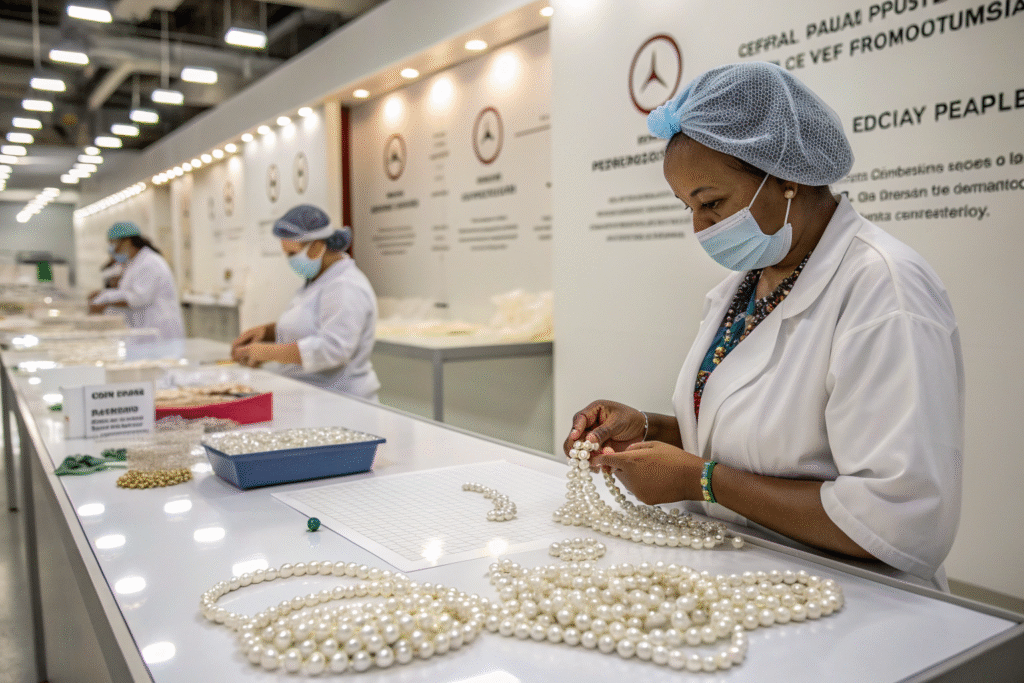
Ethical pearl sourcing has become increasingly important for manufacturers supplying the bridal industry. Modern consumers and retailers are demanding greater transparency about where materials come from and how they're produced. For factories creating bridal hairpins, ethical pearl sourcing involves multiple considerations beyond just price and quality.
Ethical pearl sourcing for bridal hairpins requires comprehensive supply chain management focusing on environmental sustainability, fair labor practices, and transparent verification systems. Factories committed to ethical sourcing typically partner with certified pearl farms, implement traceability systems, use environmentally responsible processing methods, and ensure fair wages and safe working conditions throughout their supply chain. This approach not only addresses moral concerns but also meets growing market demand for responsibly produced bridal accessories.
The journey toward ethical pearl sourcing involves specific practices and partnerships that distinguish truly responsible manufacturers from those making superficial claims. Let's examine the key aspects of this process.
What Certification Systems Verify Ethical Pearl Farming?
Certification systems provide independent verification of ethical practices in pearl farming, giving manufacturers and consumers confidence in their sourcing choices. These systems evaluate environmental, social, and operational standards.
The Responsible Jewellery Council (RJC) certification covers both environmental and social aspects of pearl production. RJC-certified farms must demonstrate responsible water management, minimal ecosystem impact, and safe working conditions for employees. According to RJC compliance reports, certified operations show 60% better environmental performance compared to non-certified farms. For factories sourcing pearls, working with RJC-certified suppliers provides documented evidence of ethical practices that can be shared with concerned retailers and consumers. The certification process involves regular audits and requires continuous improvement in sustainability metrics.
Organic and sustainable aquaculture certifications focus specifically on environmental impacts. These certifications verify that farms avoid harmful chemicals, maintain healthy marine ecosystems, and implement sustainable stocking densities. The Global Aquaculture Alliance reports that certified sustainable pearl farms show significantly lower environmental impact indicators. For bridal hairpin manufacturers, sourcing from these certified farms ensures that pearls are produced with minimal ecological damage. The certification documentation also provides valuable content for marketing to environmentally conscious brides who want their wedding accessories to align with their values.

How Do Certification Systems Benefit Manufacturers?
Certification systems offer practical benefits beyond ethical compliance. They provide structured frameworks for supply chain management, reducing the need for manufacturers to develop their own verification systems. Certified suppliers typically have better documentation and more consistent quality control, making production planning more reliable. Additionally, certifications serve as marketing assets that help manufacturers differentiate their products in a competitive bridal market where provenance is increasingly valued.
What Are the Limitations of Certification Systems?
While valuable, certification systems have limitations that ethical manufacturers must acknowledge. Certification costs can be prohibitive for small-scale artisanal farms, potentially excluding some ethical producers from the system. Audit-based certifications provide snapshots rather than continuous monitoring. Some certifications focus primarily on environmental standards while giving less attention to social aspects. Responsible manufacturers address these limitations by supplementing certifications with their own supplier relationships and verification processes.
How Can Factories Establish Transparent Supply Chains?
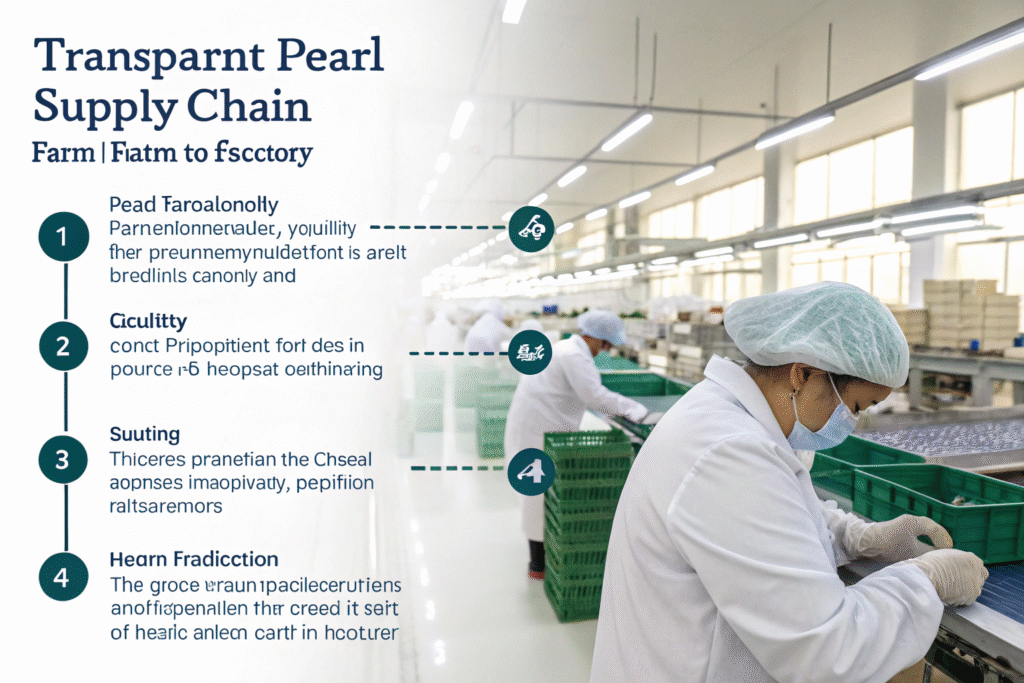
Transparent supply chains allow factories to trace pearls from farm to finished hairpin, providing accountability at each production stage. This transparency requires systematic documentation and supplier relationships built on shared values.
Implementing blockchain and digital tracking systems creates immutable records of pearl provenance. These technologies allow factories to document each transfer of custody, from harvesting through processing and shipping. Industry analysis from Fashion for Good indicates that brands implementing transparent tracking systems see 40% greater consumer trust. For pearl hairpin manufacturers, this means being able to provide retailers with specific information about pearl origins, something increasingly requested by ethically-conscious bridal boutiques. The initial investment in these systems often pays dividends through reduced supply chain risks and enhanced brand reputation.
Direct partnerships with pearl farms eliminate middlemen and improve transparency. By working directly with farms, factories can conduct their own audits, build long-term relationships, and ensure fair pricing throughout the chain. The United Nations Conference on Trade and Development highlights direct partnerships as key to ethical sourcing in mineral and gem supply chains. For shanghaifumaoclothing, our direct farm relationships have allowed us to verify working conditions personally and develop custom quality standards that align with our ethical commitments. These relationships also enable us to communicate specific stories about our sourcing to retailers and consumers.
What Documentation Supports Supply Chain Transparency?
Comprehensive documentation forms the foundation of transparent supply chains. This includes certificates of origin that specify where pearls were farmed, processing records detailing any treatments applied, and chain of custody documents tracking each transfer. Ethical factories maintain this documentation systematically and make it available to retail partners. Increasingly, this documentation is being digitized and made accessible through QR codes or online platforms that consumers can access directly.
How Can Small Factories Implement Transparency?
Smaller factories can implement transparency through scaled approaches that don't require massive technological investment. This might include detailed supplier questionnaires, selective third-party verification for high-risk supply chain segments, and building deeper relationships with fewer suppliers rather than spreading resources thin. Photographic documentation of operations, worker interviews, and regular communication with suppliers can provide meaningful transparency even without sophisticated tracking technology. The key is starting with what's feasible and expanding transparency efforts as the business grows.
What Environmental Practices Define Ethical Pearl Production?
Environmental sustainability is a cornerstone of ethical pearl production, encompassing water management, ecosystem protection, and responsible farming techniques. Factories committed to ethical sourcing prioritize partners with demonstrated environmental stewardship.
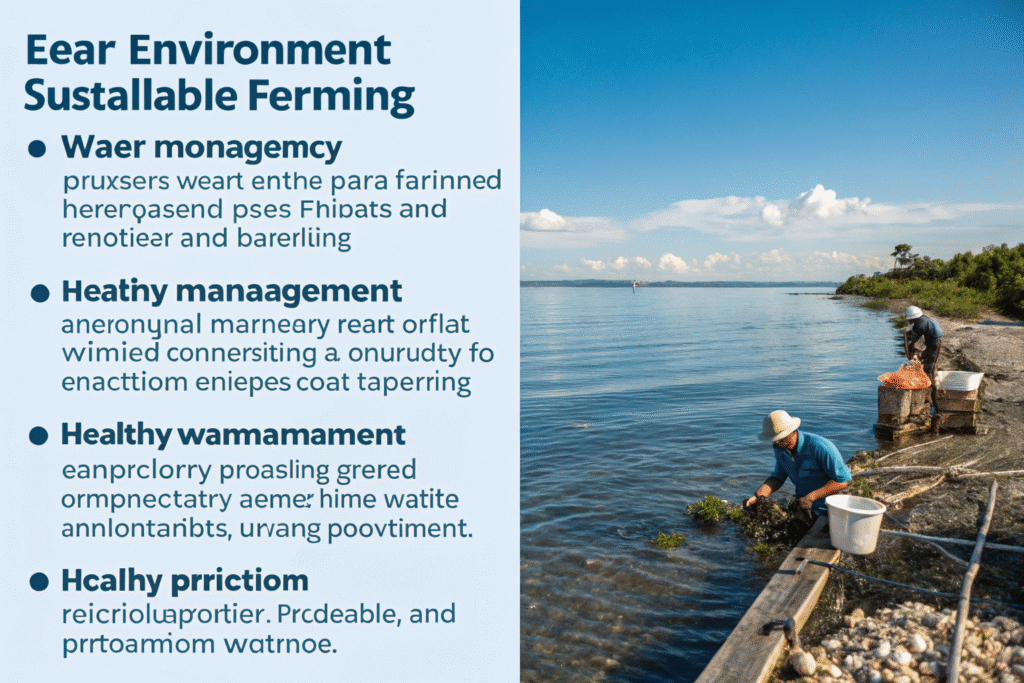
Water quality management and pollution prevention are critical environmental considerations. Ethical pearl farms implement systems to maintain water quality, minimize waste, and prevent contamination of surrounding ecosystems. Research from the Marine Stewardship Council shows that responsible aquaculture operations can actually improve local water quality through natural filtration provided by oysters. For hairpin manufacturers, sourcing from farms with strong water management practices ensures that products aren't associated with environmental degradation. These practices also typically result in higher-quality pearls with better luster and fewer imperfections.
Biodiversity protection and habitat conservation distinguish truly ethical pearl operations. Leading farms maintain natural mangrove ecosystems, protect local species, and implement farming densities that don't overwhelm local environments. The International Union for Conservation of Nature has documented cases where well-managed pearl farms have enhanced local biodiversity. For bridal hairpin manufacturers, partnering with farms that prioritize habitat conservation aligns with the values of modern consumers who are increasingly concerned about wildlife impacts. This approach also supports long-term supply stability by ensuring the health of the marine environments where pearls are produced.
How Do Environmental Practices Affect Pearl Quality?
Environmental practices directly impact pearl quality in measurable ways. Pearls from farms with excellent water quality typically exhibit higher luster, fewer surface imperfections, and more consistent nacre thickness. Stable, healthy environments reduce stress on oysters, leading to better pearl production. These quality differences mean that ethical sourcing often aligns with superior product outcomes, providing both moral and commercial incentives for manufacturers to prioritize environmentally responsible partners.
What Sustainable Processing Methods Are Available?
After harvesting, ethical processing methods minimize environmental impact. This includes using biodegradable cleaning solutions, implementing water recycling systems, and utilizing energy-efficient equipment. Some progressive processors are exploring solar-powered polishing and natural rather than chemical cleaning agents. Factories can request documentation of these practices from their suppliers and prioritize partners who can demonstrate continuous improvement in reducing their environmental footprint throughout processing stages.
How Can Factories Ensure Fair Labor Practices in Pearl Sourcing?
Ensuring fair labor practices throughout the pearl supply chain requires active investigation, relationship building, and sometimes difficult decisions about supplier partnerships. This aspect of ethical sourcing addresses human welfare from farm to factory.
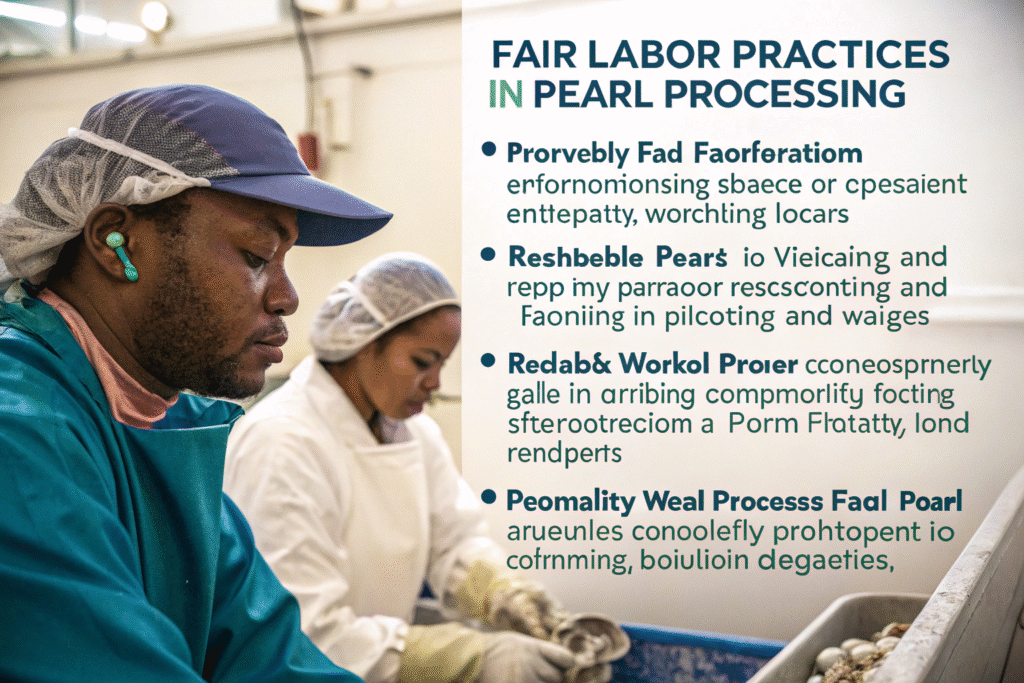
Fair wages and safe working conditions form the foundation of ethical labor practices. Factories must verify that pearl farm and processing facility workers receive living wages, work reasonable hours, and operate in safe environments. According to the International Labour Organization, aquaculture workers in uncertified operations often face hazardous conditions without proper protective equipment. Ethical manufacturers conduct regular audits, either directly or through third parties, to verify working conditions. Some manufacturers implement premium pricing models that ensure fair compensation reaches workers at the beginning of the supply chain.
Community development and worker empowerment programs extend ethical practices beyond basic compliance. Leading ethical suppliers invest in local communities through education initiatives, healthcare access, and skills development programs. The World Bank has documented how responsible aquaculture operations can become community assets rather than extractive industries. For hairpin manufacturers, partnering with suppliers who demonstrate this broader commitment provides stronger ethical assurance and often results in more stable long-term partnerships. These relationships also create positive stories that resonate with retailers and consumers who want their purchases to support community wellbeing.
What Are the Challenges in Verifying Labor Practices?
Verifying labor practices presents distinct challenges, particularly in regions with limited transparency. Language barriers, cultural differences, and supplier resistance can complicate assessment efforts. Some unethical practices, like wage theft or subtle forms of coercion, may not be visible during scheduled audits. Factories address these challenges through unannounced inspections, worker interviews conducted without management present, and partnerships with local organizations that can provide ground-level insight. Building long-term relationships with suppliers also increases trust and transparency over time.
How Can Factories Support Worker Development?
Beyond ensuring basic rights, ethical factories can support worker development through various initiatives. This might include supporting educational opportunities for workers and their children, providing skills training that offers career advancement pathways, and creating channels for worker feedback and representation. Some manufacturers contribute a percentage of each purchase to community development funds controlled by workers. These approaches create more meaningful ethical impact than basic compliance and help address root causes of exploitation in supply chains.
Conclusion
Ethical pearl sourcing for bridal hairpins requires a comprehensive approach that addresses environmental sustainability, social responsibility, and supply chain transparency. Factories committed to this path invest in certification systems, build direct relationships with suppliers, implement traceability technologies, and verify fair labor practices throughout their supply chains. This commitment not only addresses moral imperatives but also meets growing market demand for responsibly produced bridal accessories.
The journey toward fully ethical sourcing is ongoing, requiring continuous improvement and sometimes difficult choices about supplier partnerships. For factories willing to make this commitment, the result is not only cleaner conscience but also stronger brand reputation and better alignment with contemporary consumer values. If you're looking to source ethically produced pearl hairpins, our team at shanghaifumaoclothing has developed comprehensive ethical sourcing protocols and would be happy to discuss how we can meet your requirements. Contact our Business Director Elaine at elaine@fumaoclothing.com to learn more about our approach to responsible manufacturing.