

Are you frustrated when your new hair accessory line arrives, only to feel slightly off-trend? In the fast-paced fashion world, having the right products at the right time is crucial. Many buyers rely on their own research, but a truly valuable supplier does more than just take orders—they act as a partner by providing actionable seasonal trend forecasts.
Leading suppliers provide seasonal trend forecasts by synthesizing global trend intelligence, analyzing direct market feedback, and leveraging their deep production expertise. They transform this data into practical design directions, material suggestions, and product concepts specifically tailored for the wholesale and accessory market.
This proactive guidance is a key differentiator. It helps you make informed buying decisions, reduce risk, and capture market demand early. Let's explore the specific methods and tangible outputs you should expect from a forecasting partner.
Where Do Suppliers Source Their Trend Intelligence?
A supplier's forecast doesn't come from a crystal ball; it's built on a multi-layered intelligence system that connects global influences to tangible products. The most reliable suppliers draw from a blend of professional services, direct observation, and supply chain signals.
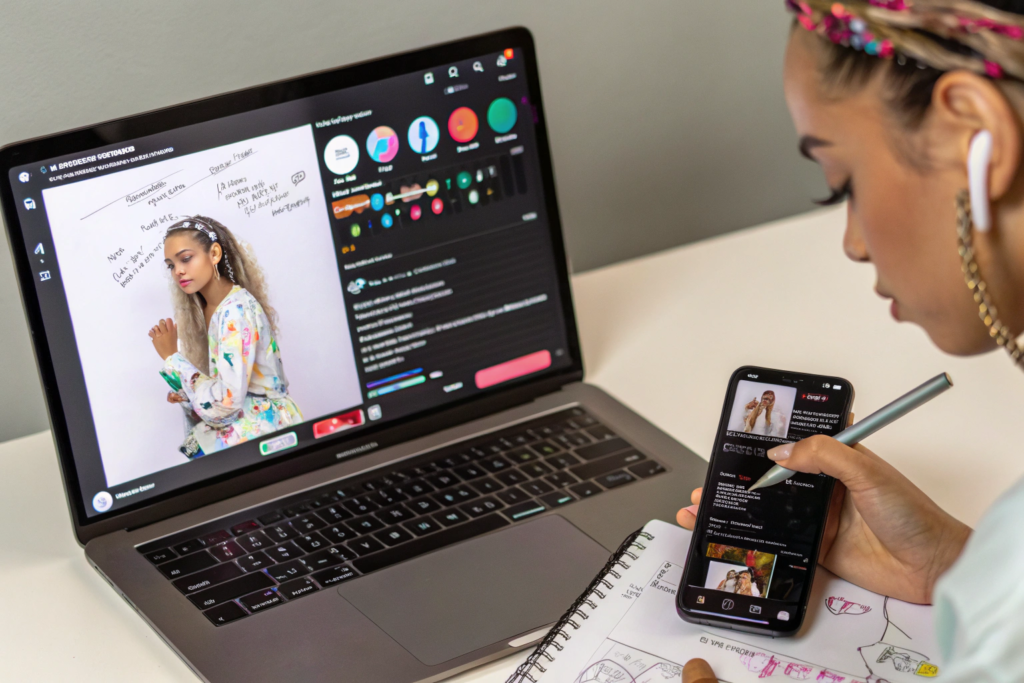
The foundation often comes from subscribing to premier trend forecasting agencies like WGSN, Fashion Snoops, or Pantone Color Institute. These services provide comprehensive reports on colors, materials, silhouettes, and consumer behaviors 18-24 months ahead. However, savvy suppliers don't stop there. They cross-reference this with real-time market data from platforms like Google Trends, Pinterest Predicts, and TikTok to see what is gaining organic traction with consumers right now. Furthermore, they analyze sales data from their own best-selling lines and feedback from key buyers like you to identify what's truly resonating in the market.
How Does "Street Style" and Cultural Analysis Influence Forecasts?
High-level trend forecasting goes beyond reports to include cultural analysis. Dedicated teams monitor global street style (from Fashion Weeks in New York and Paris to vibrant scenes in Seoul and Lagos), art exhibitions, music, and even interior design. For example, the rise of "cottagecore" aesthetics in home decor and social media directly forecasted a demand for ditsy floral prints, crochet details, and romantic, vintage-inspired hair clips and headbands. This cultural connective tissue helps predict shifts in consumer mood and aspiration.
Why is Supply Chain Feedback a Critical Early Indicator?
A supplier's unique advantage is its position in the supply chain. They see order patterns for specific materials (like a surge in requests for recycled polyester or organic cotton), trims (certain pearl sizes or claw clip shapes), and finishes (matte vs. glossy) long before these trends hit retail. When our printing factories start receiving numerous requests for a particular animal print pattern, or our embroidery factory is asked for specific floral motifs, it's a powerful, real-time signal of an emerging trend that we can factor into our forecasts.
What Form Should a Practical Trend Forecast Take?
For a buyer, a trend forecast is only useful if it's actionable. It must translate abstract concepts like "utilitarian luxe" or "digital dopamine" into clear ideas for your next order sheet. A supplier's forecast should deliver concrete outputs.
A comprehensive forecast package from a supplier should include:
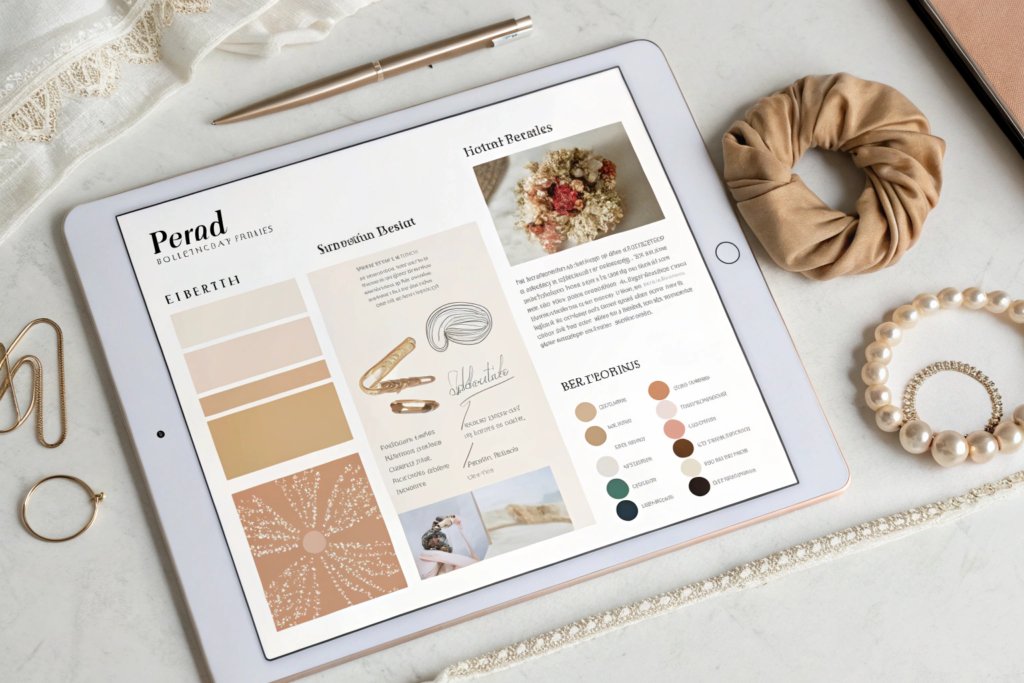
- Seasonal Color Palette: A curated selection of 8-12 key colors, divided into core neutrals, vibrant highlights, and emerging accents, often aligned with Pantone codes.
- Material & Texture Direction: Recommendations on fabrics (e.g., crinkled satin, recycled velvet, transparent PVC) and finishes (hammered metal, ceramic-like coatings).
- Key Silhouettes & Themes: Visual mood boards and descriptions defining 3-4 overarching themes for the season (e.g., "Coastal Grandmother," "Cyberpunk," "Refined Grunge").
- Product-Specific Concepts: Sketches or product images showing how these trends apply directly to hair accessories—suggesting new shapes for claw clips, embellishments for scrunchies, or weaving techniques for headbands.
How Can a Forecast Help You Plan Your Buying Calendar?
An effective forecast is timed to align with your critical decision-making milestones. A strong supplier will provide initial trend direction 12-14 months before the retail season (e.g., Spring/Summer '26 forecasts in early '25). This gives you time for concept development. More detailed product-focused forecasts should follow 8-10 months out, coinciding with your sourcing and sampling phase. This structured timeline helps you synchronize your planning with the supplier's fast development and production cycles.
What's the Difference Between a Catwalk Trend and a Wholesale-Accessory Trend?
This is a key filter a good supplier applies. A dramatic, oversized headpiece from a runway show might not be practical for mass wholesale. The supplier's job is to translate and dilute that trend into commercial, wearable versions. For instance, the "Barbiecore" pink trend might translate into a range of hair clips and scrunchies in varying shades of pink, from hot pink satin to dusty pink velvet, making the trend accessible across different customer segments. This commercial lens is what makes a supplier's forecast uniquely valuable.
How Can You Collaborate with Suppliers on Trend-Driven Development?
The most successful product lines come from true collaboration. Once you receive a forecast, the next step is to work with your supplier to interpret it for your specific brand and customer base.
Initiate a collaborative briefing session. Share your brand's identity, target customer profile, and price points. Then, discuss the forecast themes: "The 'Gothic Romance' theme is interesting for our brand. How could we interpret that into a collection of dark velvet headbands and lace-print hair ties?" The supplier can then respond with tailored sampling. They might create initial prototypes—like a sampler of 5 new claw clip shapes in forecasted colors or swatches of new embroidered patterns on elastic for scrunchies. This hands-on phase turns abstract trends into tangible products you can evaluate.
What Does the Sampling and Refinement Process Look Like?
After selecting initial concepts, the supplier will produce first samples. This is an iterative process. You might approve the shape of a new hair stick but request a change in the resin color to better match the forecasted palette. Or, you might love a new printed scarf headband design but ask for the pattern scale to be adjusted. A supplier with strong customer service and a dedicated QC team will manage this refinement process efficiently, ensuring the final pre-production sample perfectly blends trend direction with your brand's requirements.
How Do Suppliers Manage Risk with Trend-Led Products?
Smart suppliers help you balance innovation with safety. They often recommend a portfolio approach: a percentage of your order dedicated to trend-forward, "fashion" items (based on the forecast), balanced with a core range of classic, best-selling staples (like basic bobby pins and solid-color headbands). They might also suggest starting with lower minimum order quantities (MOQs) for brand-new trend items to test the market. This strategy, supported by a supplier's fast production capability for re-orders, allows you to chase trends with calculated risk.
Why is a Supplier's Forecast More Valuable Than General Reports?
While anyone can buy a WGSN subscription, a supplier's forecast has unique, grounded value that directly impacts your business efficiency and product success.
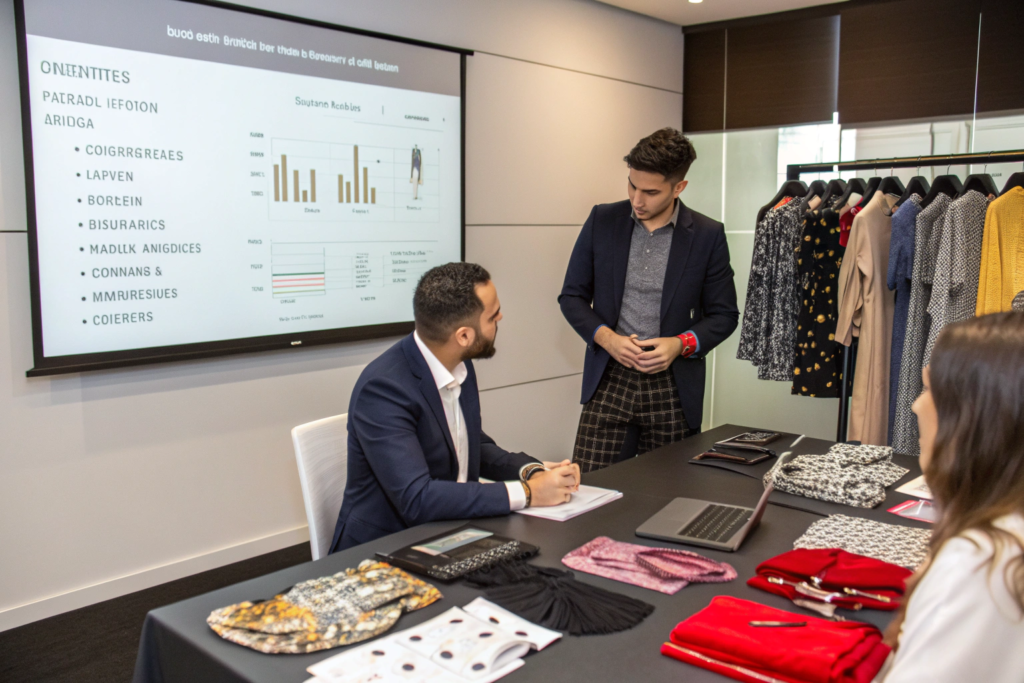
The key differentiator is commercial viability and production reality. A general report might highlight "biomorphic shapes" as a trend. A supplier like Shanghai Fumao Clothing will show you how that translates into a producible, cost-effective hair clip mold, recommend the right sustainable plastic or metal alloy to use, and warn you about potential production challenges for complex curves. This bridges the gap between inspiration and execution. Furthermore, their forecast is pre-filtered for your industry. You won't waste time on footwear or outerwear trends; the intelligence is already focused on hair accessories, headwear, and the adjacent apparel accessory space.
How Does Vertical Integration Enhance Forecast Accuracy and Speed?
A supplier with an integrated supply chain—like our own setup with cooperative dyeing factories, printing factories, and embroidery factories—has a tremendous advantage. When we identify a trend for "watercolor floral prints," we can immediately consult with our printing partners on technical feasibility, cost, and lead time. This means our forecasts are not just ideas; they are production-ready concepts. We can move from forecast to sample faster, giving you a critical time-to-market advantage over competitors working with less agile suppliers.
What Long-Term Benefits Come from This Partnership?
Treating your supplier as a trend intelligence partner builds a strategic relationship. Over time, they better understand your brand's DNA and can provide even more targeted suggestions. This collaboration fosters fast development of winning products, increases your yield of successful styles, and builds a more resilient, trend-responsive business. It transforms the supplier from a simple vendor into an integral part of your product development team.

Conclusion
In today's market, a supplier's ability to provide actionable seasonal trend forecasts is a major competitive advantage. By synthesizing global data, cultural insights, and ground-level supply chain signals, they deliver concrete color palettes, material directions, and product concepts tailored for commercial success. This guidance empowers you to make confident buying decisions, innovate safely, and stay ahead of the curve.
The most fruitful approach is a collaborative one, where open dialogue transforms these forecasts into products that resonate with your unique brand and customers. This partnership is key to building a dynamic and profitable accessory line.
Ready to leverage professional trend forecasting for your next collection? Contact our Business Director, Elaine, at elaine@fumaoclothing.com to discuss how we can provide tailored seasonal insights and turn them into your best-selling products. Partner with Shanghai Fumao Clothing to navigate the future of fashion with confidence.