

When European buyers order hair accessories, they want to know exactly where their shipments are and when they'll arrive. The anxiety of waiting for international orders can be overwhelming, especially for new businesses counting on inventory to meet customer demands. Modern tracking solutions have transformed this experience from a black hole of uncertainty into a transparent, predictable process.
Real-time vessel tracking combines satellite technology, automated data systems, and user-friendly interfaces to provide complete supply chain visibility. The most advanced systems integrate directly with shipping carriers' APIs, offering automatic updates on vessel positions, port activities, customs clearance status, and estimated arrival times. This level of transparency builds trust and allows buyers to plan their business operations with confidence.
What tracking technologies enable real-time visibility?
Multiple technologies work together to create comprehensive tracking systems that keep both suppliers and buyers informed throughout the shipping journey.
The foundation of real-time tracking begins with Automatic Identification System (AIS) technology, which uses satellite and terrestrial receivers to monitor vessel positions globally. This is complemented by Electronic Data Interchange (EDI) systems that automatically share shipping documents and status updates. Advanced suppliers also integrate Internet of Things (IoT) sensors that monitor container conditions, providing data on temperature, humidity, and shock events that could affect delicate hair accessory shipments.

How does AIS technology track vessel movements?
Automatic Identification System (AIS) technology uses VHF radio signals and satellite networks to transmit and receive vessel data including position, speed, and course. Each vessel equipped with AIS broadcasts this information every few seconds, creating a real-time map of maritime traffic. Suppliers can access this data through commercial AIS tracking services that provide API integration for their own tracking systems. This allows hair accessory buyers to see exactly where their shipment is located along European shipping routes and receive automatic updates if vessels deviate from expected courses.
What role do IoT sensors play in shipment monitoring?
Internet of Things sensors provide crucial additional data beyond simple location tracking. These devices monitor environmental conditions inside containers, tracking temperature, humidity, light exposure, and impact forces. For hair accessories containing delicate materials or electronic components, this condition monitoring ensures products arrive in perfect condition. The sensors transmit data via cellular or satellite networks, alerting suppliers immediately if conditions exceed predetermined thresholds, allowing for proactive problem-solving before goods reach their destination.
How can suppliers integrate tracking with customer systems?
Seamless integration makes tracking information accessible to buyers through their preferred channels, eliminating the need to constantly check multiple platforms.
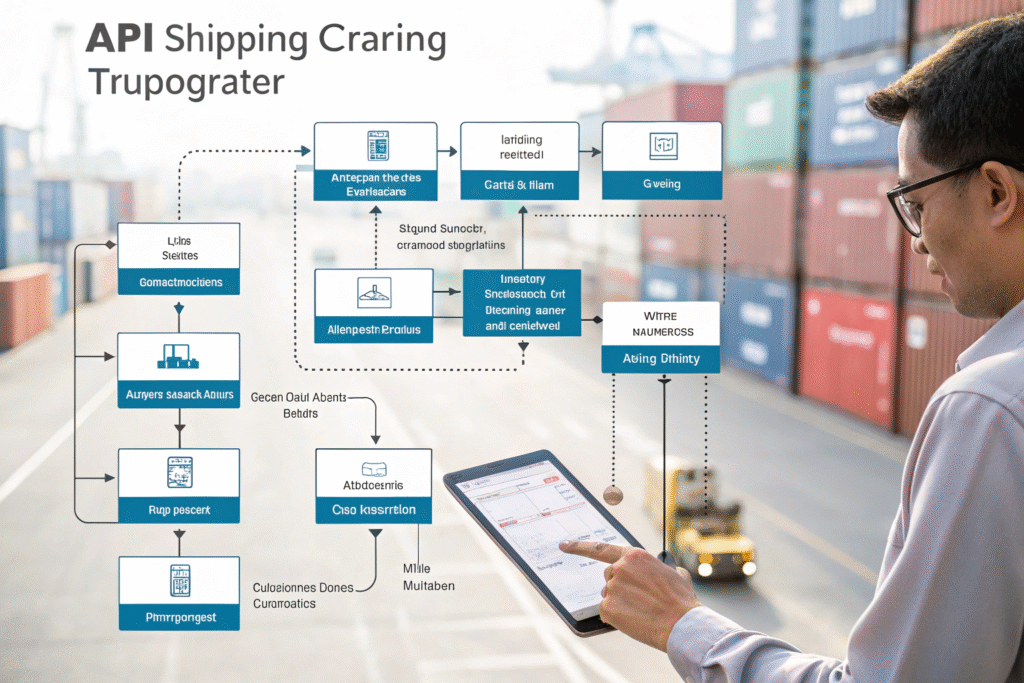
Modern tracking integration uses RESTful APIs that connect directly with buyers' inventory management systems, e-commerce platforms, and mobile applications. Webhook notifications push updates automatically, while embedded tracking widgets allow buyers to view shipment status without leaving the supplier's website. The most effective systems also offer multi-carrier support, consolidating tracking information across different shipping partners into a single, unified interface.
What API solutions support seamless integration?
Leading shipping carriers and logistics platforms offer comprehensive APIs that suppliers can integrate into their order management systems. Solutions like DHL's Tracking API, FedEx Web Services, and universal tracking platforms like AfterShip provide standardized interfaces for retrieving real-time shipment data. These APIs typically use JSON or XML formats, making them compatible with most modern e-commerce platforms and custom applications. Proper implementation allows automatic status updates to flow directly into buyers' systems without manual intervention.
How do webhooks automate status notifications?
Webhooks provide automatic, real-time notifications when shipment status changes occur. Instead of requiring buyers to repeatedly check tracking pages, webhooks push updates instantly to predefined URLs. This automated notification system can trigger emails, SMS messages, or internal system updates when key events occur—such as vessels departing ports, arriving at destinations, or clearing customs. For EU shipments, this is particularly valuable given the multiple handoff points and customs checkpoints involved in intra-European trade.
What EU-specific tracking considerations exist?
European shipments involve unique regulatory requirements and logistical challenges that tracking systems must accommodate.
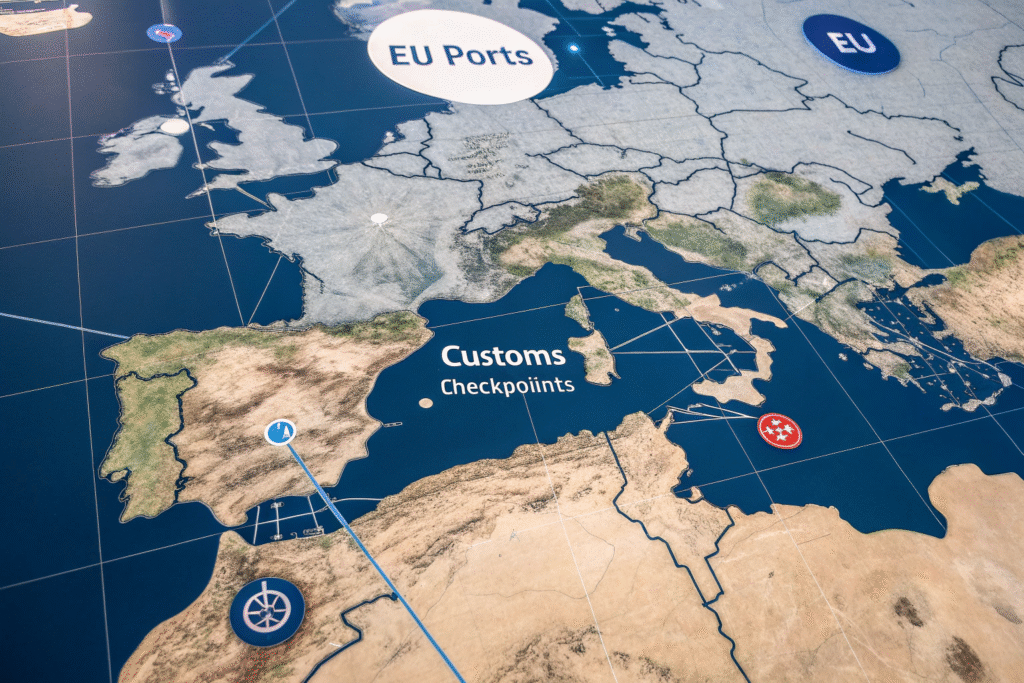
The European Union's customs union simplifies some aspects of shipping but introduces specific tracking requirements, particularly for VAT-registered businesses. Systems must handle EU-specific documentation like Entry Summary Declarations (ENS) and handle the complexities of shipping both within the EU single market and from third countries. Additionally, language localization and time zone management become crucial when providing tracking information to buyers across different EU member states.
How does EU customs integration affect tracking?
EU customs processes require specific data elements that tracking systems must incorporate. The Import Control System (ICS) mandates advance submission of Entry Summary Declarations for all cargo entering EU ports. Advanced tracking systems integrate with EU customs platforms to provide real-time updates on customs status, including any holds or additional documentation requirements. This integration is particularly important for hair accessories containing materials that might require additional certifications or inspections under EU regulations.
What multilingual support do EU buyers expect?
With 24 official languages in the European Union, successful tracking systems must provide localization capabilities. This goes beyond simple translation—effective systems adapt date formats, measurement units, and communication styles to match regional preferences. Implementing multilingual tracking interfaces significantly improves the buyer experience, particularly for smaller retailers who may not have international logistics expertise. The best systems automatically detect user language preferences or allow buyers to select their preferred language for tracking updates and notifications.
How can suppliers ensure tracking data accuracy?
Reliable tracking depends on accurate, timely data from multiple sources along the supply chain.
Data accuracy begins with proper implementation of Global Standard One (GS1) identifiers that ensure consistent product and shipment identification throughout the journey. Regular data validation checks, automated error detection systems, and manual quality control processes work together to maintain information integrity. Suppliers also need contingency plans for handling data gaps when vessels are outside satellite coverage or when port systems experience downtime.
What standards ensure consistent tracking data?
The GS1 system of standards provides the foundation for reliable supply chain visibility. Using GS1 identification keys like the Global Trade Item Number (GTIN) for products and Serial Shipping Container Code (SSCC) for logistics units ensures that tracking information remains consistent across different systems and handoff points. These standards are particularly important in the EU, where multiple countries and systems must interoperate seamlessly. Proper implementation prevents the data mismatches that often cause tracking information to become unreliable or incomplete.
How do suppliers handle tracking data gaps?
Even the most advanced systems experience occasional data gaps when vessels lose satellite connectivity or port systems undergo maintenance. Proactive suppliers implement data interpolation algorithms that estimate positions based on historical patterns and scheduled routes. More importantly, they maintain transparent communication during these periods, clearly indicating when data is estimated rather than live. This honesty builds greater trust than attempting to hide inevitable system limitations from buyers.
What value-added features enhance tracking experience?
Beyond basic location tracking, advanced features transform simple shipment monitoring into a comprehensive supply chain management tool.
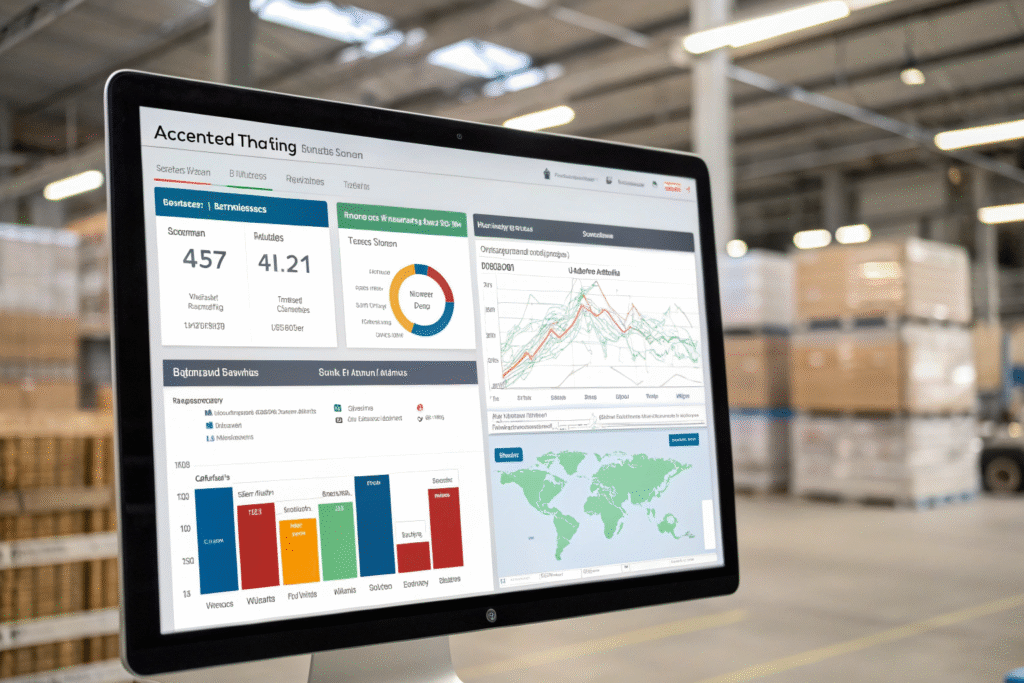
Predictive analytics use historical data and machine learning to forecast potential delays before they occur. Integrated inventory planning tools help buyers coordinate arrival times with their sales cycles and storage capacity. The most sophisticated systems also offer carbon footprint tracking, providing EU buyers with the environmental impact data increasingly required for regulatory compliance and consumer transparency.
How do predictive analytics forecast delays?
Machine learning algorithms analyze historical shipping data, weather patterns, port congestion statistics, and seasonal trends to identify potential delays before they impact schedules. These predictive tracking systems can alert buyers to likely delays days in advance, allowing them to adjust marketing plans, staffing schedules, or customer communications. For hair accessory retailers, this early warning is invaluable when coordinating product launches or promotional events tied to specific inventory arrivals.
What sustainability tracking do EU buyers expect?
European consumers and regulators increasingly demand transparency around environmental impact. Advanced tracking systems now calculate and report carbon emissions for shipments, using methodologies aligned with EU sustainability reporting standards. This data helps buyers comply with emerging regulations and make environmentally conscious shipping decisions. Some systems even suggest alternative routing or transport modes that could reduce carbon footprint while maintaining delivery timelines.
Conclusion
Real-time vessel tracking for EU shipments has evolved from a simple convenience to an essential business tool that builds trust and enables better planning. By leveraging AIS technology, IoT sensors, and seamless API integrations, suppliers can provide the transparency that European hair accessory buyers demand.
The most successful implementations combine accurate core tracking with value-added features like predictive analytics and sustainability reporting. These advanced capabilities transform tracking from a reactive monitoring tool into a proactive business intelligence system that helps buyers optimize their entire supply chain.
Ready to implement advanced vessel tracking for your EU hair accessory shipments? Contact our logistics team at logistics@hairacc.com to discuss our comprehensive tracking solutions and learn how we provide complete supply chain visibility from our factory to your doorstep.