
Hair clips have evolved from simple functional accessories to fashion statements, but comfort remains the critical factor determining whether wearers will use them regularly or abandon them after first use. One-character clips (also known as single-prong clips or French barrettes) and shark clips (also called claw clips) present unique comfort challenges due to their different mechanisms and pressure points. The discomfort issues range from scalp pressure and hair pulling to weight distribution problems and awkward pressure points.
Ensuring comfort in one-character clips and shark clips requires ergonomic design principles, strategic material selection, precise spring tension calibration, and thoughtful surface finishing.Manufacturers must balance secure hold requirements with gentle treatment of both hair and scalp, addressing the distinct pressure distribution challenges of each clip type through specialized engineering solutions. The most comfortable clips integrate multiple comfort-enhancing features that work together to minimize pressure while maintaining functionality.
Understanding the specific comfort requirements for each clip type enables manufacturers to create products that wearers can use all day without discomfort, hair damage, or the constant need for readjustment.
What Ergonomic Design Principles Enhance Clip Comfort?
Ergonomic design forms the foundation of comfortable hair clip manufacturing. Both one-character clips and shark clips require distinct approaches to ergonomics due to their different mechanisms and wear patterns.
For one-character clips, the primary comfort challenge involves distributing pressure evenly across the clip's contact area. Traditional flat designs create pressure concentrations that can cause discomfort and headaches during extended wear. Advanced designs incorporate subtle curvature that matches the natural shape of the human head, ensuring the clip sits flush against the scalp without creating isolated pressure points. This contouring is particularly important at the clip ends, where traditional designs often dig into the scalp.
How Does Contour Engineering Improve Scalp Contact?
Contour engineering involves designing clips with specific curvature profiles that match typical head shapes. This approach requires understanding anatomical variations and creating designs that accommodate different head sizes and shapes comfortably.
Key contour engineering considerations include:
- Multi-radius Curves: Combining different curve radii to match head contours
- Gradual Tapering: Reducing pressure at clip ends where sensitivity is highest
- Strategic Flex Points: Allowing slight deformation to accommodate individual head shapes
- Contact Surface Optimization: Maximizing surface area for better pressure distribution
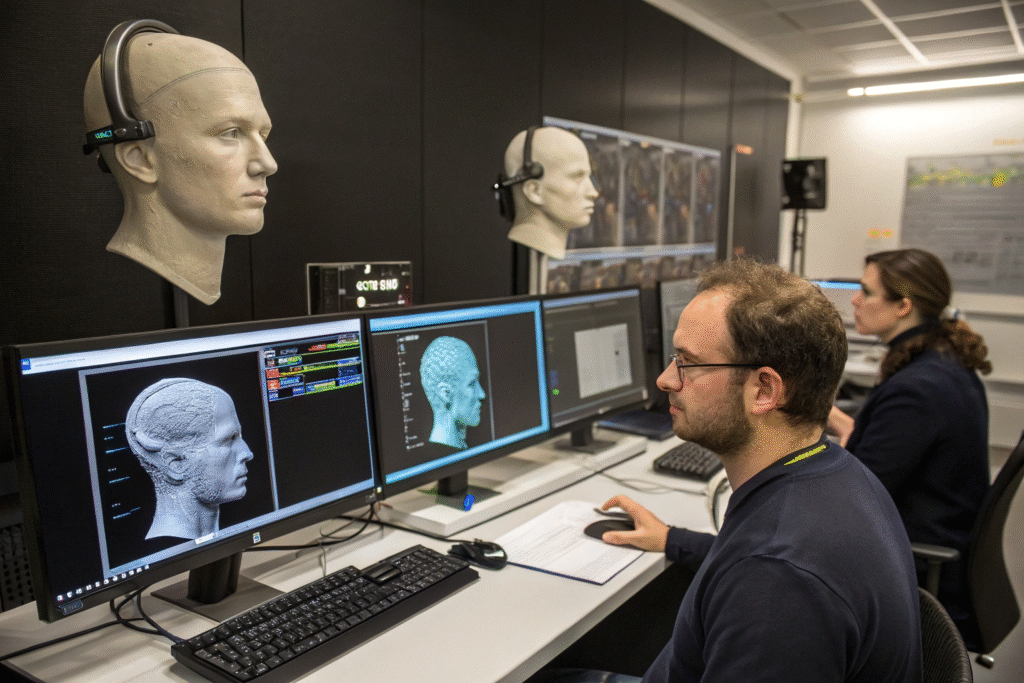
Advanced manufacturers use 3D scanning technology to analyze head shapes and develop contour profiles that work for the majority of users. The most successful designs incorporate just enough flexibility to adapt to individual variations while maintaining structural integrity.
What Role Does Size and Proportion Play in Comfort?
Proper sizing and proportion directly impact wearer comfort. Clips that are too small require excessive tension to secure hair, while oversized clips can feel bulky and unbalanced.
Optimal sizing guidelines include:
- One-character clips: Should span sufficient area to distribute pressure without excessive length
- Shark clips: Need appropriate tooth spacing and depth to secure hair without pulling
- Weight Distribution: Balanced design prevents clips from feeling front-heavy or awkward
- Functional Minimum Size: Smallest possible size that still provides secure hold
Manufacturers often create size ranges to accommodate different hair types and volumes, recognizing that one-size solutions inevitably compromise comfort for some users.
How Does Material Selection Impact Wearer Comfort?
Material choices significantly influence both immediate comfort and long-term wearability. The right materials can transform a functional clip into a pleasure to wear, while poor material selection can ruin an otherwise well-designed product.
Modern hair clip manufacturing utilizes advanced polymers, composites, and metal alloys specifically engineered for hair accessory applications. Each material family offers distinct advantages for comfort, durability, and functionality. The best manufacturers understand how to combine materials to leverage their respective benefits while minimizing drawbacks.
Which Polymer Properties Enhance Daily Comfort?
Advanced polymers have revolutionized hair clip comfort through their combination of lightweight properties, flexibility, and design versatility. Key polymer characteristics affecting comfort include:
- Flexural Modulus: Controls how much the clip flexes during application and wear
- Surface Energy: Affects slip resistance and hair interaction
- Thermal Conductivity: Determines how the clip feels against skin (warm vs. cool)
- Weight Density: Lightweight materials reduce scalp strain during extended wear
The most comfortable clips often use glass-filled nylons or specialized acetal copolymers that provide the ideal balance of strength and flexibility. These materials can be precisely engineered to have just enough rigidity to maintain secure hold while offering sufficient flexibility to accommodate movement and hair volume changes.
How Do Metal Components Affect Comfort and Function?
Metal elements in hair clips, particularly springs and hinges, require careful engineering to optimize comfort:
Spring Steel Selection:
- Tempering Level: Determines spring force and longevity
- Wire Diameter: Affects both spring force and size constraints
- Coating Options: Prevent corrosion and reduce friction
- Fatigue Resistance: Ensures consistent performance over time
Hinge Design Considerations:
- Pivot Point Location: Affects mechanical advantage and closing force
- Bearing Surfaces: Reduce friction for smoother operation
- Torque Requirements: Balance between secure closure and easy opening
- Wear Compensation: Designs that maintain performance despite material wear
The most comfortable metal components work almost invisibly, providing reliable function without drawing attention to themselves through stiffness, noise, or unexpected behavior.
What Spring Mechanism Designs Optimize Comfort and Function?
The spring mechanism represents the heart of both one-character clips and shark clips, directly determining how much pressure the clip exerts on hair and scalp. Optimal spring design balances secure hold with gentle operation.
Spring tension calibration requires precise engineering to ensure clips hold securely without requiring excessive force to close or causing discomfort during wear. The ideal spring provides consistent tension throughout the clip's operational range, avoiding sudden changes in force that can surprise the user or damage hair.
How Is Spring Tension Calibrated for Different Hair Types?
Sophisticated manufacturers develop spring tension specifications based on hair type classifications:
| Hair Type | Recommended Tension | Special Considerations |
|---|---|---|
| Fine/Thin Hair | 150-250 grams | Lower tension prevents slippage without damage |
| Medium Hair | 250-400 grams | Balanced hold for most users |
| Thick/Coarse Hair | 400-600 grams | Higher tension for secure hold |
| Wet/Damp Hair | 300-500 grams | Account for increased slippage risk |
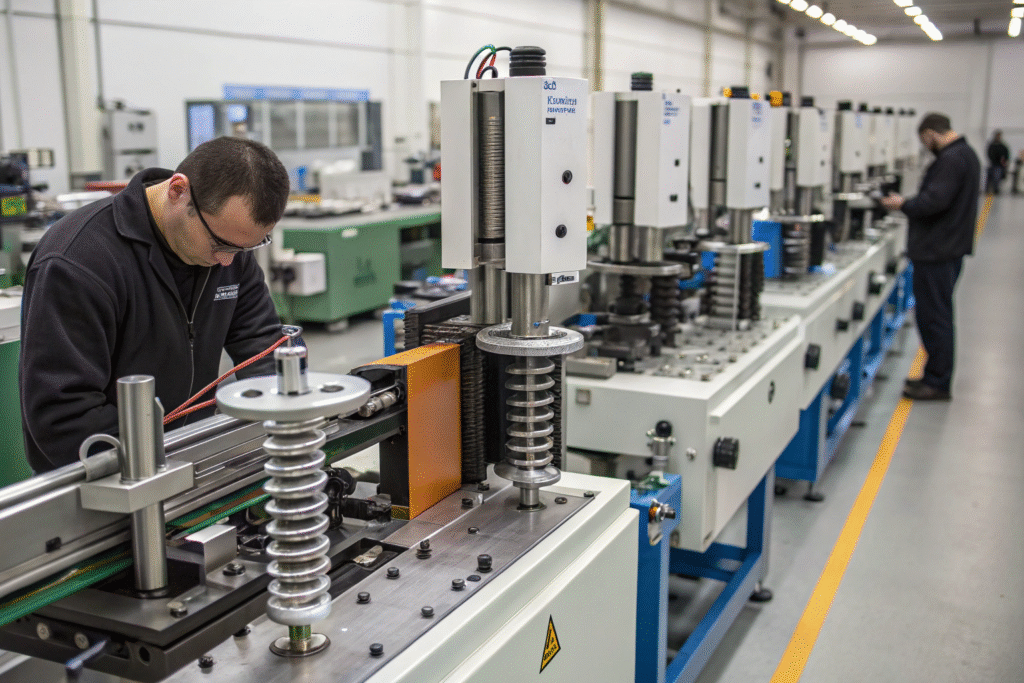
These tension ranges are achieved through precise control of spring wire diameter, coil count, and tempering processes. The best manufacturers conduct extensive user testing to validate tension specifications across different hair types and usage scenarios.
What Progressive Spring Mechanisms Enhance User Experience?
Progressive spring mechanisms represent advanced engineering that improves comfort through controlled force application:
- Variable Pitch Springs: Provide softer initial engagement with firmer final hold
- Dual-Stage Mechanisms: Different tension levels for partial vs. full closure
- Torque-Limiting Hinges: Prevent over-tightening and hair damage
- Cushioned Engagement: Soft-touch initial contact before full tension application
These sophisticated mechanisms require more complex manufacturing but significantly enhance comfort, particularly for users who wear clips for extended periods or have sensitivity concerns.
How Do Surface Treatments and Finishes Affect Comfort?
Surface characteristics significantly influence the wearing experience, affecting everything from initial skin contact to hair interaction during removal. Advanced finishing techniques can transform basic clips into comfortable accessories that feel pleasant to touch and wear.
Micro-surface engineering involves creating specific surface textures and properties that enhance comfort without compromising function. These treatments address common complaints about clips feeling too slick, too sticky, or uncomfortable against the skin.
What Texturing Techniques Reduce Hair Damage?
Strategic texturing helps prevent hair slippage without requiring excessive clamping force:
- Micro-embossing: Creates tiny surface patterns that increase grip
- Directional Texturing: Patterns that resist slippage in specific directions
- Variable Density Texturing: Different texture densities in high-stress areas
- Soft-edge Molding: Rounded edges that don't catch or pull hair
The most effective texturing is subtle enough to be unnoticeable during wear but significantly improves holding power. This allows manufacturers to reduce overall spring tension while maintaining secure hold, directly enhancing comfort.
Which Coatings and Finishes Improve Skin Contact?
Surface coatings and finishes can transform the tactile experience of wearing hair clips:
Comfort-Enhancing Finishes:
- Soft-touch Coatings: Create velvety surface feel
- Anti-static Treatments: Reduce hair attraction and flyaways
- Hypoallergenic Platings: Prevent skin reactions for sensitive users
- Thermal Barrier Coatings: Reduce temperature extremes
Functional Surface Treatments:
- Wear-resistant Coatings: Maintain appearance and function over time
- Color-fast Finishes: Prevent color transfer to hair or skin
- Moisture-resistant Sealants: Protect against humidity and perspiration
- UV-stable Formulations: Prevent degradation from sunlight exposure
These treatments are particularly important for metal components and areas that contact skin directly, creating a more pleasant wearing experience throughout the day.
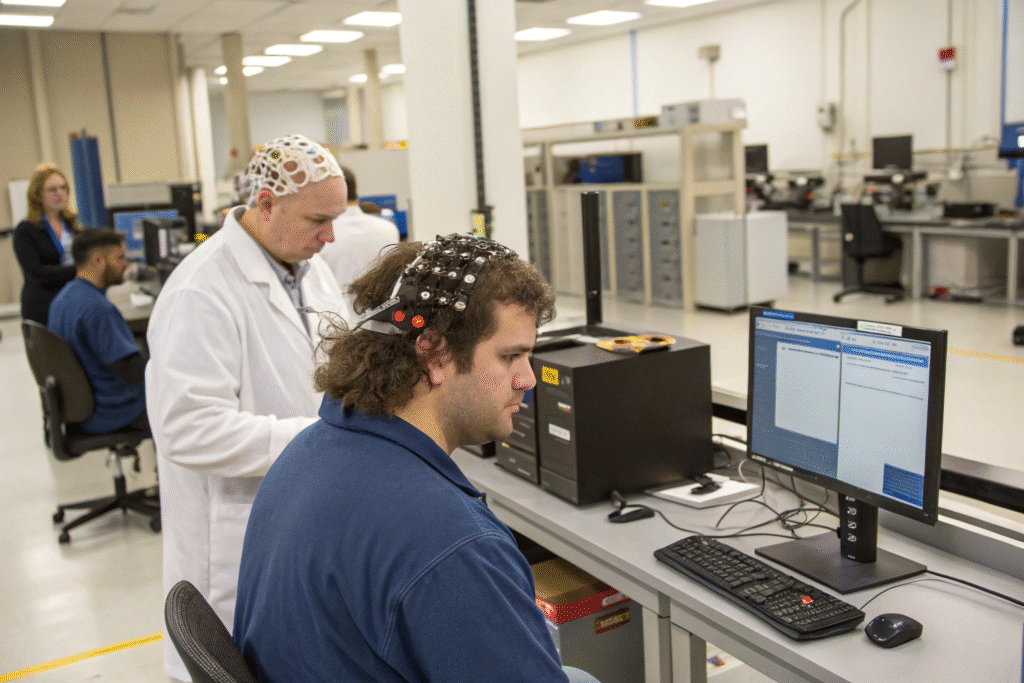
What Testing Protocols Validate Comfort and Performance?
Comfort is ultimately subjective, but systematic testing can identify and quantify factors that contribute to comfortable wearing experiences. Comprehensive testing protocols help manufacturers refine designs and validate comfort claims.
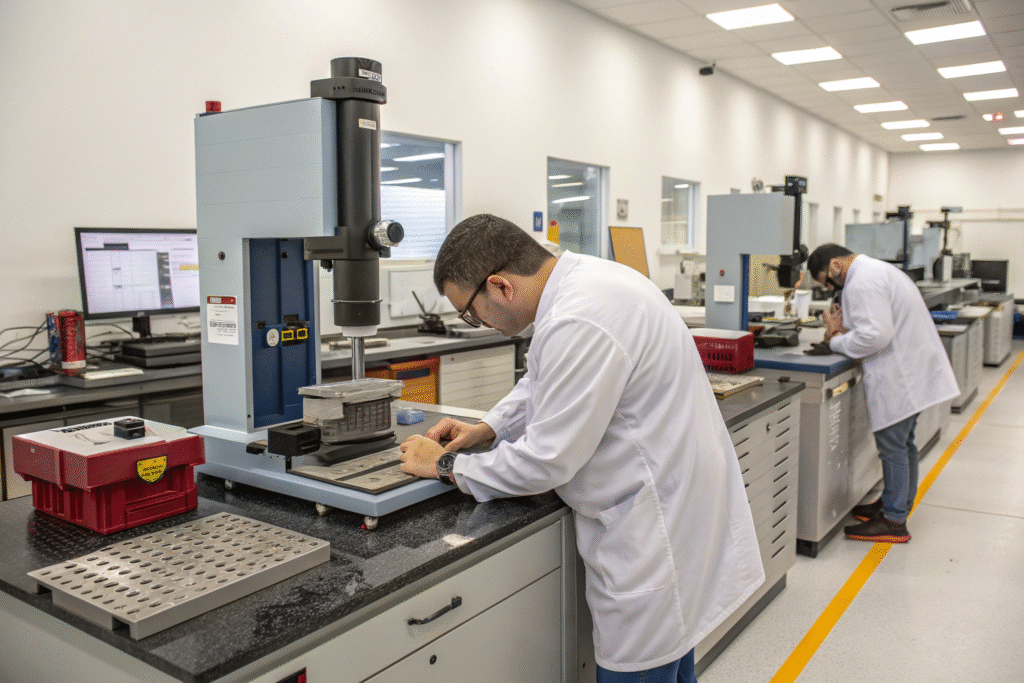
Wear testing remains the gold standard for evaluating hair clip comfort, but laboratory testing provides valuable objective data about pressure distribution, mechanical function, and material performance. The most thorough manufacturers employ both approaches throughout the development process.
How Do Pressure Mapping Studies Improve Design?
Pressure mapping technology allows manufacturers to visualize exactly how clips interact with scalp and hair:
- Force Distribution Analysis: Identifies pressure concentrations and dead zones
- Dynamic Pressure Monitoring: Tracks pressure changes during movement
- Comparative Testing: Evaluates different designs against comfort benchmarks
- Long-term Pressure Assessment: Monitors how pressure patterns evolve during extended wear
This data-driven approach enables precise optimization of clip contours, spring tension, and contact surfaces. Manufacturers can identify specific design elements that create discomfort and systematically address them through iterative refinement.
What User Trials Provide Practical Comfort Feedback?
Controlled user trials generate authentic comfort feedback across diverse user profiles:
Trial Design Elements:
- Extended Wear Testing: 8+ hour wear periods to identify gradual discomfort
- Multiple Hair Type Inclusion: Fine, medium, thick, and textured hair representation
- Activity Simulation: Testing during typical daily activities and movement
- Blind Comparative Testing: Removing brand bias from comfort evaluations
Comfort Metric Collection:
- Comfort Scale Ratings: Standardized 1-10 comfort scores
- Specific Discomfort Reporting: Pinpointing exact locations and types of discomfort
- Functional Assessment: Evaluating ease of use alongside comfort
- Long-term Satisfaction: Tracking comfort perception over multiple uses
The insights from these trials help manufacturers understand real-world comfort issues that might not appear in laboratory testing, leading to designs that genuinely work for everyday users.
What Manufacturing Techniques Ensure Consistent Comfort Quality?
Consistent manufacturing processes are essential for delivering reliable comfort across production batches. Variations in material properties, component dimensions, or assembly quality can significantly impact the wearing experience.
Precision manufacturing technologies enable tight tolerances and consistent quality that mass production traditionally struggled to achieve. Modern techniques allow manufacturers to maintain comfort standards while scaling production to meet market demands.
How Does Injection Molding Precision Affect Comfort?
Advanced injection molding techniques contribute significantly to comfort consistency:
- Scientific Molding: Data-driven process control for repeatable results
- Multi-material Molding: Combining rigid and flexible materials in single components
- Gas-assisted Molding: Creating hollow sections that reduce weight
- Over-molding: Adding soft-touch surfaces to structural components
The most comfortable clips often utilize family molds that produce multiple components simultaneously, ensuring perfect fit and consistent performance between parts that must work together harmoniously.
What Quality Control Measures Protect Comfort Standards?
Systematic quality control ensures every clip meets comfort specifications:
In-process Quality Checks:
- Spring Tension Verification: Testing every spring or every nth spring
- Dimensional Inspection: Automated measurement of critical comfort-related dimensions
- Surface Finish Assessment: Consistent texture and coating quality
- Functional Testing: Smooth operation and proper engagement
Final Product Validation:
- Comfort Audit Sampling: Regular detailed comfort evaluation of finished goods
- Wear Simulation Testing: Accelerated testing that simulates long-term use
- Batch Consistency Monitoring: Statistical process control for comfort metrics
- Customer Feedback Integration: Using returns and complaints to improve processes
These comprehensive quality systems ensure that the comfort designed into the product is consistently delivered to every customer, building trust and satisfaction.
Conclusion
Creating comfortable one-character clips and shark clips requires a holistic approach that integrates ergonomic design, thoughtful material selection, precise mechanical engineering, and sophisticated manufacturing. The most successful products address comfort at every level—from microscopic surface textures to macroscopic form factors—creating accessories that wearers forget they're wearing until they need them.
The ongoing evolution of comfort-focused hair clip design demonstrates how even simple accessories can benefit from serious engineering and user-centered design thinking. As manufacturing technologies advance and consumer expectations rise, comfort will continue to be the key differentiator in the competitive hair accessories market.
At HairAcc, we've made comfort engineering a core competency, developing specialized expertise in creating one-character clips and shark clips that combine secure hold with all-day wearability. Our comprehensive approach to comfort encompasses everything from initial concept development through precision manufacturing and rigorous testing. To discuss comfortable hair clip options for your collection or explore custom development opportunities, contact our Business Director Elaine at elaine@fumaoclothing.com for expert consultation and samples.