

Social media has shifted the way consumers interact with fashion, especially in the accessories market. TikTok has become a powerful driver of demand, where one viral video can turn a simple hair clip into a global phenomenon. From a scholarly perspective, this reflects the intersection of cultural trends, consumer psychology, and product innovation in the fashion accessory industry. Manufacturers must therefore adapt their product development strategies not only to meet traditional quality and durability standards but also to optimize designs for visual performance and interactivity within TikTok’s digital ecosystem.
Manufacturers can effectively create TikTok-integrated hair accessories by combining aesthetic innovation with functional usability. This involves tailoring product attributes—such as material reflectivity, modular design, and transformation potential—to the dynamics of short-form video culture. In academic terms, this approach illustrates a supply chain adaptation where consumer-driven digital platforms directly influence design and manufacturing processes.
The result is a new paradigm where manufacturers no longer design accessories solely for offline wearability but also for online virality. This dual focus enables suppliers to meet both the practical needs of global buyers and the performative needs of TikTok users.
What TikTok Trends Influence Hair Accessory Design?
TikTok is a highly visual medium, and its fast-paced environment amplifies certain product characteristics. From a research standpoint, this indicates that digital platforms serve as both distribution channels and design laboratories. Trends such as oversized hair clips, holographic finishes, and retro headbands emerge not only from fashion cycles but also from the specific requirements of TikTok’s video-first environment.
The principal trends shaping hair accessory design for TikTok include bold colors, oversized dimensions, and transformation-friendly products. These attributes enhance the visual appeal in short videos and align with TikTok’s cultural preference for playful experimentation.
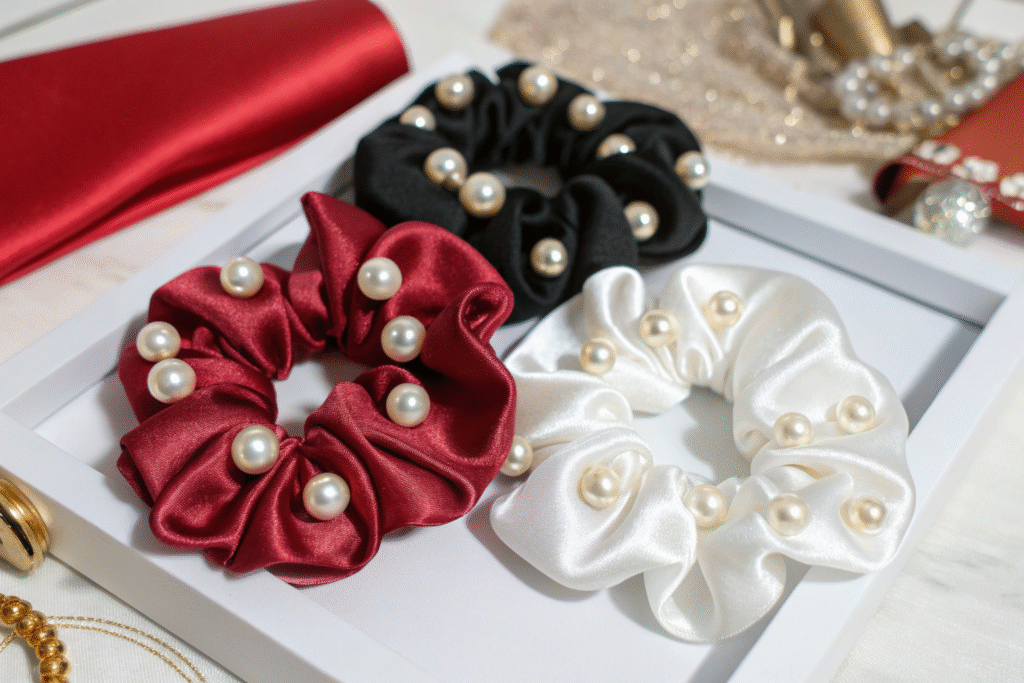
Accessories like scrunchie headbands or pearl hairpins stand out in this context because they combine strong visual presence with versatility. They enable quick transformations, which resonate with TikTok’s emphasis on tutorials, challenges, and “before-and-after” transitions.
How Do TikTok Challenges Affect Product Design?
Challenges create a participatory environment where products must be multifunctional. A claw clip, for example, is not only a utility item but also a prop in transition videos or dance trends. From a scholarly lens, this shows how user-generated content reshapes the functional expectations of fashion accessories.
Are Certain Materials More TikTok-Friendly?
Yes. Reflective materials like satin, velvet, and pearls respond well to video lighting, while chiffon and silk enhance slow-motion aesthetics. These choices indicate how material science interacts with cultural dynamics in digital environments, underscoring the evolving standards of beauty and visibility.
How Can Manufacturers Add Interactive Features?
Interactivity is a defining characteristic of TikTok-driven products. In academic terms, this aligns with theories of prosumption, where consumers become co-creators of content and meaning. Accessories that allow quick modifications, reversibility, or modular assembly enhance the participatory value of products.
Manufacturers can integrate interactivity through modularity, reversible finishes, and customizable sets. These features allow consumers to experiment with aesthetics, making the accessory not only a fashion item but also a TikTok storytelling tool.
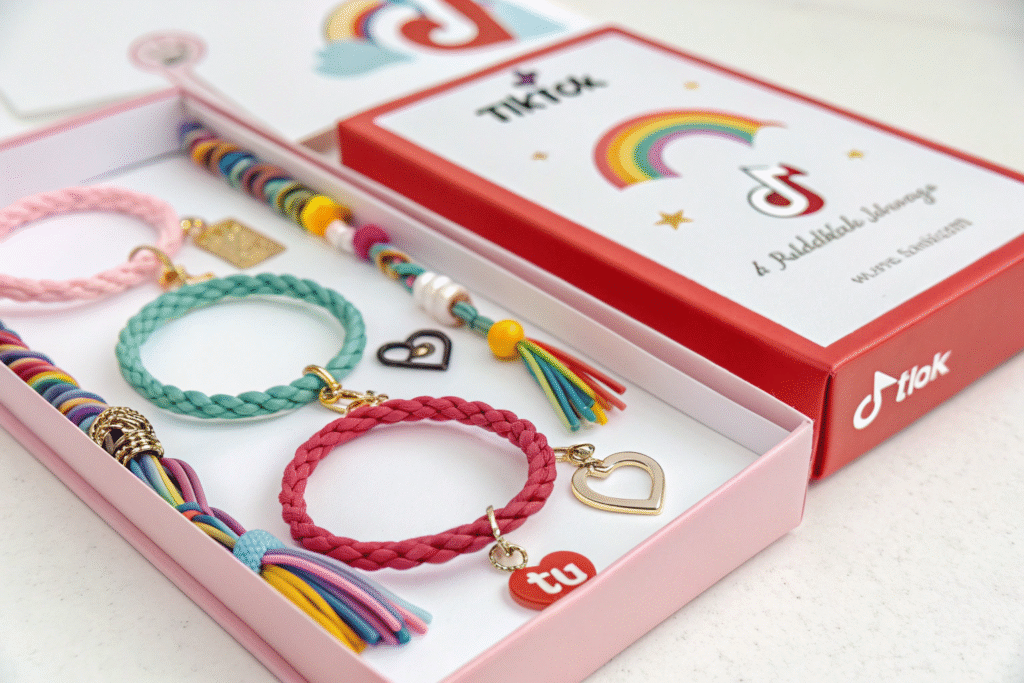
Consider a headband with detachable charms or a claw clip with dual-surface finishes. These items invite creative use cases, supporting multiple video formats and encouraging repeat exposure. Even packaging can integrate digital engagement through QR codes linking to tutorials or influencer collaborations.
How Can Packaging Support TikTok Integration?
Packaging plays a semiotic role in digital marketing. QR codes leading to styling tutorials, or eco-friendly unboxing experiences, increase content creation opportunities. A branded unboxing filmed on TikTok can amplify the symbolic value of the accessory beyond its functional role.
Should Manufacturers Consider AR or Smart Tech?
Emerging technologies such as NFC tags or UV-reactive materials introduce an additional layer of interactivity. While niche, these innovations align with broader academic discussions on digital-physical hybridity in consumer products. They also allow manufacturers to differentiate within competitive markets.
What Role Do Collaborations With Influencers Play?
TikTok’s influencer ecosystem is critical for product diffusion. From a cultural production perspective, influencers act as intermediaries who translate product attributes into social value. For manufacturers, collaborations not only validate product design but also accelerate adoption within trend cycles.
Collaborations with influencers allow manufacturers to test products in real contexts and align designs with cultural aesthetics. This feedback loop mirrors co-creation models in design research, where creators and suppliers collaborate to enhance authenticity.
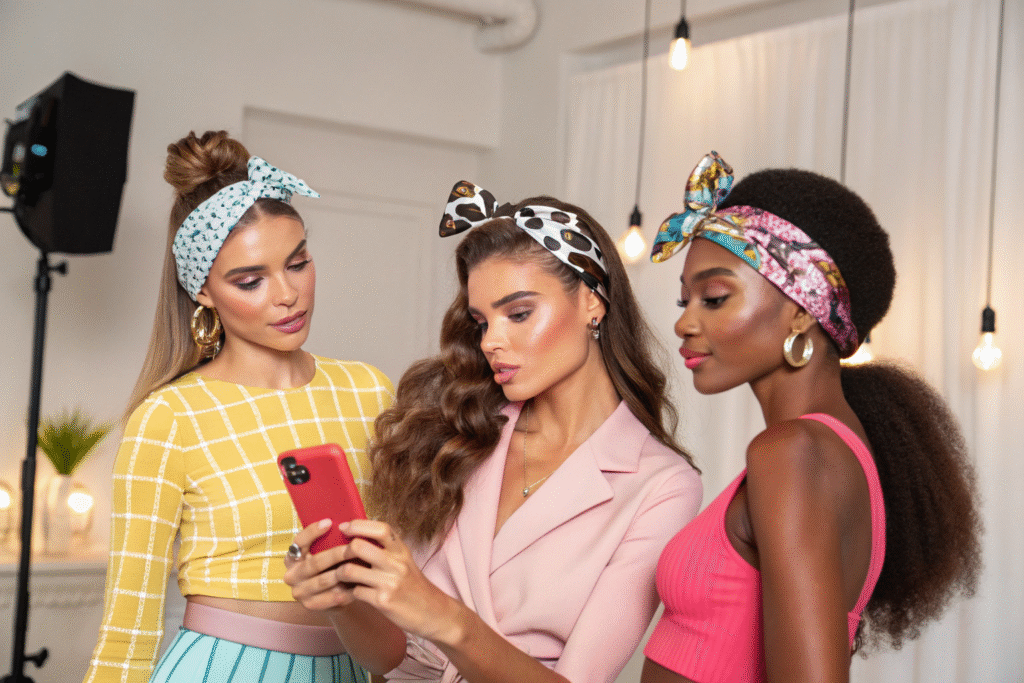
For example, a micro-influencer featuring a hair claw in tutorials can generate grassroots demand. Collaborations extend beyond marketing—they inform design adjustments and highlight durability or comfort concerns early in the production cycle.
How Can Manufacturers Build Long-Term Partnerships?
Long-term partnerships foster sustainable exposure. Seasonal product seeding, co-branded collections, and influencer participation in material selection exemplify co-development strategies studied in cultural marketing research.
What Types of Influencers Should Manufacturers Target?
Manufacturers should prioritize creators specializing in fashion hacks and hair tutorials. Their audiences value practical demonstrations, which align with buyer decision-making. For instance, a TikTok hair tutorial creator demonstrating multiple ways to wear a headband provides rich visual data that supports both consumers and wholesale buyers.
How Can TikTok Trends Be Used in Product Marketing?
Marketing strategies on TikTok require both cultural fluency and strategic execution. From an academic standpoint, this reflects the integration of semiotics and virality within consumer behavior research. Manufacturers must thus think beyond traditional advertising and embed their products into TikTok-native practices.
The integration of TikTok trends into product marketing is achieved through tutorial-driven videos, hashtag strategies, and encouragement of user-generated content. These approaches translate design attributes into communicative value, driving both sales and brand recognition.
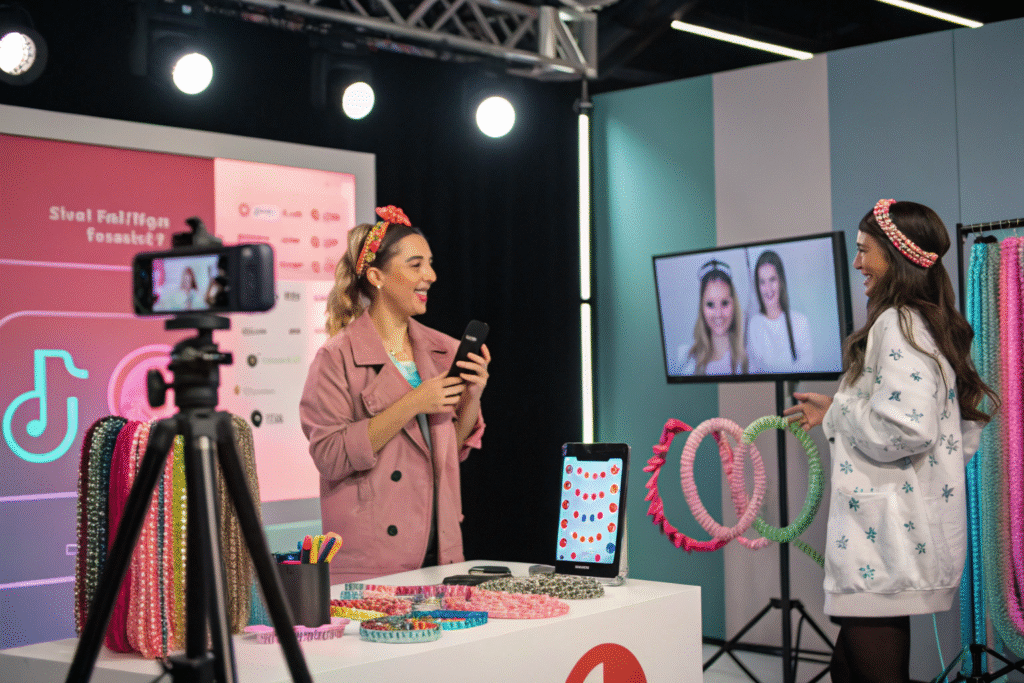
Tutorial videos that show three ways to style a scarf headband exemplify performative marketing. Aligning content with trending audio increases algorithmic visibility, reinforcing product reach and engagement.
Can Hashtags Really Drive Sales?
Yes. Hashtags operate as indexing tools that shape content discoverability. Tags like #HairTok or #ClawClipChallenge serve as cultural gateways, ensuring visibility within trend-driven niches. Their strategic use demonstrates how language intersects with commerce in digital culture.
How Does User-Generated Content Impact Buyers?
UGC validates authenticity. When real consumers showcase bow clips or tiaras in everyday use, it creates trust signals for larger buyers. This aligns with research on social proof, where peer-driven validation substitutes for traditional advertising. Encouraging UGC through sampling or contests enhances product visibility at minimal cost.
Conclusion
TikTok has evolved from a marketing platform into a structural influence on product design and consumer culture. Manufacturers who approach it academically and strategically—considering aesthetics, interactivity, influencer ecosystems, and marketing semiotics—position themselves at the forefront of global fashion accessory supply. By aligning design with digital trends, they deliver not only high-quality products but also content-ready tools for cultural participation.
If you want to create TikTok-integrated hair accessories under your brand, you can contact our Business Director Elaine at elaine@fumaoclothing.com. Our team at Shanghai Fumao is ready to help you design, produce, and ship your next viral accessory collection.