
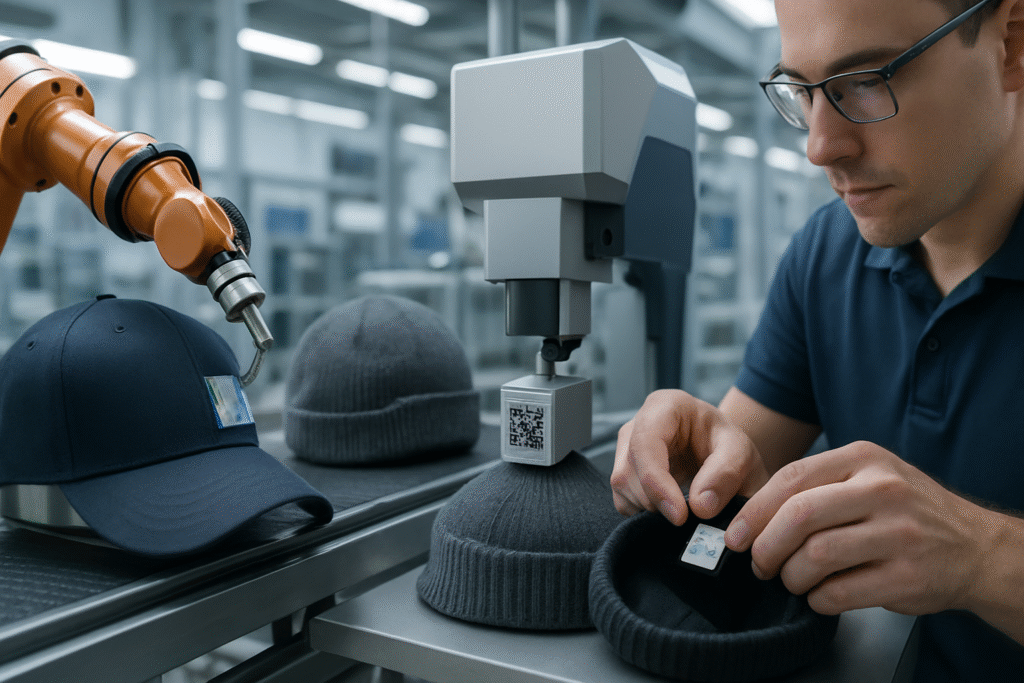
Counterfeiting has become a pervasive problem in the fashion accessories industry, with headwear manufacturers losing significant revenue to fake products. The damage extends beyond financial losses to include brand reputation erosion and customer trust deterioration. Many factory owners struggle to protect their designs and maintain market position against counterfeit operations.
Headwear factories can implement multi-layered anti-counterfeiting strategies including QR code systems, holographic labels, RFID tags, specialized inks, and blockchain verification technologies.These solutions range from cost-effective basic protection to sophisticated tracking systems that provide comprehensive brand security. The most effective approach combines visible and covert features that are difficult to replicate but easy for consumers and distributors to authenticate.
Implementing robust anti-counterfeiting measures has evolved from being an optional security measure to an essential business practice that protects both manufacturers and consumers in today's global marketplace.
What Overt Anti-Counterfeiting Solutions Provide Immediate Visual Authentication?
Overt anti-counterfeiting features offer visible protection that both deters counterfeiters and enables quick verification by consumers and retailers. These solutions serve as the first line of defense against product duplication.
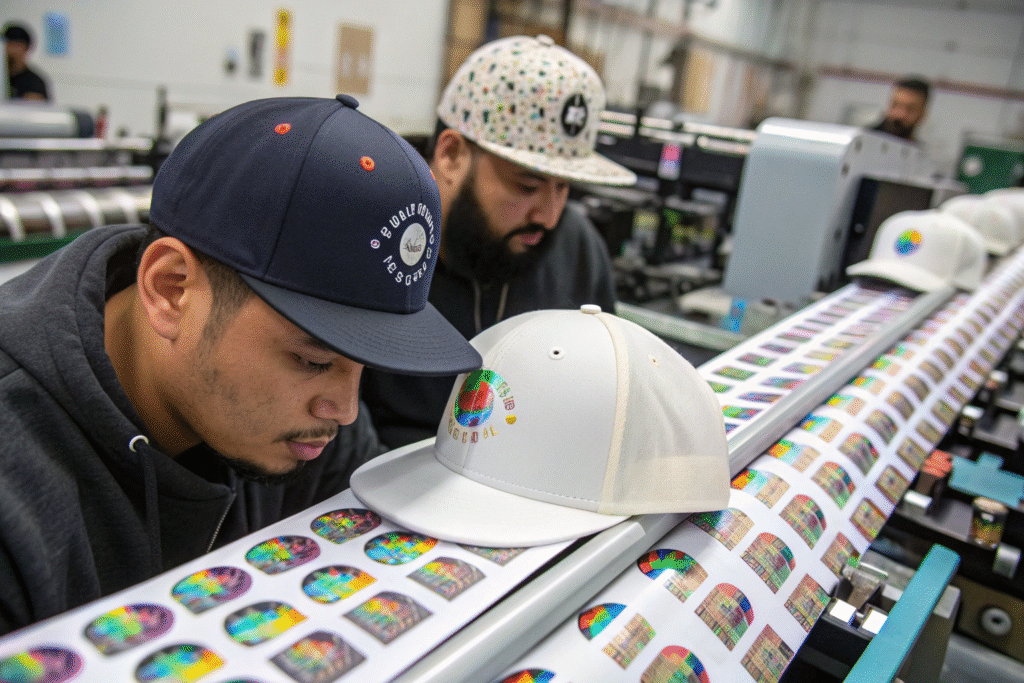
Holographic labels represent one of the most recognized overt protection methods. Modern holograms incorporate complex optical patterns that are extremely difficult to replicate without specialized equipment. Factories can customize these with their logos, specific patterns, or even 3D images that change appearance when tilted. The visual complexity immediately signals authenticity to consumers while creating significant barriers for counterfeiters attempting reproduction.
How Do Holographic Stickers and Labels Deter Counterfeiters?
Holographic security features utilize advanced optical technology that requires substantial investment to replicate accurately. These labels typically incorporate multiple security layers including 2D/3D images, microtext, kinetic effects, and color-shifting properties. When factories customize holograms with their unique brand elements and serialization, they create a security feature that's economically unviable for counterfeiters to reproduce convincingly.
The application process involves precision placement on headwear labels, care tags, or directly onto the product itself. High-quality holograms are designed with destruct properties that prevent removal and reuse on counterfeit products. Many manufacturers also incorporate tamper-evident features that show visible signs of interference if someone attempts to remove or transfer the hologram to fake merchandise.
What Role Do Color-Shifting Inks and Special Materials Play?
Color-shifting inks and specialty materials provide another layer of visible authentication that's difficult to duplicate. These inks change color depending on viewing angles, creating a dynamic visual effect that standard printing cannot replicate. Factories can incorporate these inks into brand logos, tags, or even directly print them onto headwear components.
Special materials like security threads woven into fabric labels or specialized paper for hang tags add physical authentication elements. These materials often include UV-reactive fibers, watermarks, or other distinctive features verifiable with simple tools. The combination of unique materials with specialized printing techniques creates a multi-layered security approach that's both visible to consumers and verifiable by retailers and brand protection teams.
How Can Covert Technologies Provide Hidden Protection Layers?
Covert anti-counterfeiting technologies offer hidden protection that's invisible to the naked eye but verifiable with specific tools or systems. These features provide secondary authentication methods for distributors, retailers, and brand protection teams.
UV and IR reactive inks represent one of the most cost-effective covert solutions available to headwear manufacturers. These invisible inks only become visible under specific light wavelengths, allowing easy verification by authorized parties using portable UV or IR lights. Factories can incorporate these inks into existing labeling and packaging without significantly altering production processes or costs.
What Are the Benefits of Microtext and Hidden Imaging?
Microtext and hidden imaging techniques embed microscopic text or images within larger designs, labels, or product components. These features are invisible to the naked eye but become clearly readable under magnification. Factories can hide specific codes, brand names, or authentication messages within product labels, embroidery patterns, or printed elements.
The major advantage of these techniques lies in their subtlety and difficulty of detection by counterfeiters. Even if counterfeiters identify the presence of microtext, reproducing it accurately requires specialized equipment and expertise beyond typical counterfeiting operations. Additionally, factories can regularly update the hidden content, creating an evolving security system that stays ahead of counterfeiters' capabilities.
How Do Chemical and Biological Markers Enhance Security?
Chemical and biological markers represent the most advanced covert protection available today. These involve adding specific chemical compounds or DNA markers to inks, dyes, or materials used in headwear production. Authentication requires specialized readers or laboratory testing, making them ideal for legal evidence in counterfeit cases.
The application ranges from simple chemical taggants mixed with printing inks to sophisticated DNA markers derived from natural organisms. These markers are virtually impossible to detect or replicate without access to the original formula. While more expensive than other solutions, they provide the highest level of security for premium products and are increasingly used in combination with other anti-counterfeiting technologies for comprehensive protection.

What Digital Solutions Offer Traceability and Verification?
Digital anti-counterfeiting technologies combine physical security elements with online verification systems, creating interactive protection platforms that engage consumers while providing valuable tracking data for manufacturers.
QR codes and unique serial numbers have become foundational to digital authentication systems. Each product receives a unique, scannable code that consumers can verify through brand-owned websites or mobile applications. This approach not only prevents counterfeiting but also creates direct consumer engagement opportunities and valuable data collection channels.
How Do QR Code Systems Enable Consumer Verification?
QR code systems transform every product into a verifiable digital asset. When consumers scan the code using their smartphones, they're directed to an authentication page confirming product genuineness. Advanced systems incorporate security features like one-time verification alerts, geographic location tracking, and time-stamped authentication records that detect suspicious verification patterns.
Implementation involves generating unique, cryptographically secure codes for each product, then integrating them into labels or tags through printing or laser engraving. Factories can combine QR codes with other security features like holographic overlays or destructible materials to prevent code duplication or transfer to counterfeit products. The system also provides valuable analytics about verification locations and frequencies, helping identify potential counterfeiting hotspots.
What Advantages Does Blockchain Technology Provide for Product Authentication?
Blockchain technology offers immutable product history tracking that's virtually impossible to alter or counterfeit. Each product receives a digital certificate recorded on a distributed ledger, creating a permanent authentication record. The decentralized nature of blockchain eliminates single points of failure and makes the system resilient against manipulation.
Factories can implement blockchain solutions that track products from manufacturing through distribution to end consumers. Each transfer of ownership gets recorded on the blockchain, creating an auditable trail that verifies authenticity at every stage. Smart contracts can automate verification processes and trigger alerts when suspicious activities occur. While requiring more significant initial investment, blockchain solutions provide unparalleled security for high-value products and complex supply chains.

How Should Factories Implement Comprehensive Anti-Counterfeiting Systems?
Successful anti-counterfeiting requires a strategic approach that balances security level, implementation cost, and user experience. Factories must consider their specific risk profile, product value, and distribution channels when designing protection systems.
A tiered approach often works best, combining multiple technologies that provide different levels of security for various stakeholders. Visible features reassure consumers, covert features help distributors and retailers verify authenticity, and digital systems provide tracking capabilities and engagement opportunities. The most effective systems make genuine products easy to identify while making counterfeits obvious upon close inspection.
What Factors Determine the Right Anti-Counterfeiting Mix?
Product value, risk level, and target market significantly influence anti-counterfeiting strategy. High-value designer headwear justifies investment in advanced solutions like RFID and blockchain, while mass-market products may focus on cost-effective options like QR codes and holographic labels. Factories should conduct risk assessments to identify their most vulnerable points and prioritize protection accordingly.
Implementation complexity and supply chain integration requirements also dictate suitable solutions. Technologies that require significant process changes or partner cooperation need more planning and coordination. The ideal system integrates seamlessly into existing manufacturing and distribution workflows while providing adequate protection without disrupting operations or significantly increasing costs.
How Can Employee Training and Supply Chain Management Enhance Protection?
Technology alone cannot prevent counterfeiting; human elements are equally crucial. Comprehensive employee training ensures proper implementation of anti-counterfeiting measures and awareness of security protocols. Factory staff should understand the importance of these systems and their role in maintaining brand integrity.
Supply chain management extends protection beyond factory walls. Distributors, retailers, and other partners must be vetted and trained to recognize genuine products and follow verification procedures. Factories should establish clear protocols for handling security breaches and regularly audit their supply chain to identify vulnerabilities. This holistic approach creates multiple defense layers that protect products throughout their lifecycle.

What Return on Investment Can Factories Expect from Anti-Counterfeiting Measures?
While anti-counterfeiting systems require investment, they deliver significant returns through brand protection, revenue preservation, and consumer trust building. Factories should view these measures not as expenses but as essential investments in long-term business sustainability.
The most immediate ROI comes from preventing revenue loss to counterfeit products. Industry estimates suggest brands lose 5-10% of revenue to counterfeiting annually, making protection systems financially justified for most manufacturers. Additional benefits include maintained brand value, reduced liability risks, and strengthened retailer relationships.
How Do Protection Systems Impact Brand Value and Consumer Trust?
Anti-counterfeiting measures directly contribute to brand equity by demonstrating commitment to quality and consumer safety. When customers trust that they're purchasing genuine products, they develop stronger brand loyalty and are willing to pay premium prices. This trust becomes particularly valuable in markets where counterfeiting is prevalent and consumers are cautious about product authenticity.
The assurance of genuine products also reduces customer service issues and returns associated with counterfeit goods mistakenly attributed to the brand. This improves overall customer satisfaction while reducing support costs. Additionally, strong anti-counterfeiting programs can become marketing advantages, differentiating brands from competitors and reinforcing quality perceptions in the marketplace.
What Long-Term Benefits Extend Beyond Immediate Fraud Prevention?
Beyond direct counterfeit prevention, protection systems provide valuable business intelligence and market insights. Digital authentication platforms generate data about product movement, verification patterns, and consumer engagement. This information helps factories understand their market presence, identify unauthorized distribution channels, and make informed decisions about production and marketing strategies.
Legal protection represents another significant long-term benefit. Robust anti-counterfeiting systems provide concrete evidence for legal actions against counterfeiters, strengthening intellectual property enforcement cases. This legal leverage helps factories protect their designs and trademarks more effectively, creating deterrent effects that reduce counterfeiting attempts over time.
Conclusion
Implementing comprehensive anti-counterfeiting labels and systems is essential for headwear factories operating in today's global market. The most effective approach combines overt features for consumer reassurance, covert elements for distributor verification, and digital solutions for tracking and engagement. This multi-layered strategy creates significant barriers for counterfeiters while building consumer trust and brand value.
The specific combination of technologies should match the factory's products, risk profile, and budget. From cost-effective holographic labels and QR codes to advanced RFID and blockchain systems, solutions exist for every manufacturing scenario. The key is implementing a coherent system that integrates seamlessly into production while providing verifiable protection throughout the product lifecycle.
At HairAcc, we've implemented a comprehensive anti-counterfeiting system that protects our clients and their customers. Our approach combines visible security features with digital verification platforms tailored to different product lines and market requirements. To learn how we can help protect your headwear products or develop custom anti-counterfeiting solutions for your brand, contact our Business Director Elaine at elaine@fumaoclothing.com for a confidential consultation.