

As the owner of HairAcc with fifteen years of experience exporting headwear to European markets, I understand the critical importance of reliable delivery for maintaining successful EU partnerships. The geographical distance, complex regulations, and stringent requirements make on-time delivery particularly challenging yet absolutely essential for business success.
Chinese headwear factories achieve 99% on-time delivery for EU orders through integrated supply chain management, strategic logistics planning, regulatory compliance systems, buffer stock strategies, and advanced production scheduling that collectively create reliable delivery pipelines.These systems work together to anticipate and mitigate potential delays while maintaining quality standards and compliance with EU regulations.
The EU market presents unique challenges including strict customs requirements, seasonal demand fluctuations, and complex logistics networks. Based on our experience successfully delivering thousands of orders to EU countries, here's how leading Chinese manufacturers maintain exceptional on-time delivery performance.
What Production Planning Systems Ensure Timely Manufacturing?
Advanced production planning forms the foundation of reliable delivery performance. Factories achieving 99% on-time delivery implement sophisticated systems that optimize manufacturing efficiency while building in flexibility for unexpected challenges.
Comprehensive production planning involves advanced scheduling software, capacity forecasting, raw material buffer stocks, parallel processing lines, and real-time progress monitoring that collectively prevent manufacturing delays before they impact delivery commitments.These systems enable factories to maintain consistent output despite variable demand and supply chain fluctuations.

How Does Advanced Scheduling Software Prevent Delays?
Modern manufacturing facilities use Enterprise Resource Planning (ERP) systems that integrate production scheduling with material requirements and capacity planning. These systems create realistic production timelines based on actual machine availability, workforce capacity, and material lead times. The software automatically adjusts schedules when disruptions occur, resourcing work to alternative lines or shifting timelines to maintain overall delivery commitments. Advanced systems incorporate machine learning to predict potential bottlenecks based on historical data, allowing proactive adjustments before delays impact customer deliveries.
What Capacity Management Strategies Support Reliability?
Successful factories maintain 10-15% excess capacity specifically to accommodate rush orders, production issues, or unexpected demand spikes. This strategic overcapacity, combined with cross-trained workforce deployment, enables quick response to changing requirements without disrupting scheduled production. Additionally, factories implement shift pattern optimization that allows production expansion during peak periods while maintaining quality standards. The most reliable manufacturers conduct regular capacity audits and maintain detailed skills matrices to ensure they can rapidly scale production when needed.
How Do Logistics and Shipping Strategies Ensure Timely Delivery?
Strategic logistics management is crucial for navigating the complex journey from Chinese factories to EU destinations. The most reliable manufacturers treat logistics as an integral part of their delivery guarantee system rather than an external service.
Optimized logistics strategies include multi-carrier partnerships, consolidated shipping programs, customs pre-clearance systems, real-time shipment tracking, and strategic warehouse networks that collectively minimize transit time and eliminate shipping bottlenecks.These approaches transform logistics from a potential risk into a competitive advantage.

What Shipping Methods Balance Speed and Reliability?
Leading factories employ a multi-modal shipping strategy that combines air, sea, and rail transport based on order urgency and cost requirements. For time-sensitive EU orders, factories utilize consolidated air freight services that provide faster transit times than sea freight while remaining more cost-effective than exclusive air cargo. They maintain relationships with multiple carriers on key routes to ensure capacity availability during peak seasons. The most sophisticated operations use predictive analytics to select optimal shipping methods based on historical performance data, current carrier capacity, and weather patterns.
How Does Customs Pre-Clearance Accelerate EU Delivery?
Factories guaranteeing 99% on-time delivery implement comprehensive customs pre-clearance procedures that begin during production rather than after shipping. This includes preparing all required documentation during manufacturing, conducting pre-shipment inspections to ensure compliance, and submitting advance electronic data to EU customs authorities. Many utilize Authorized Economic Operator (AEO) status to qualify for simplified procedures and faster clearance. These factories maintain detailed product databases with harmonized system codes, country-of-origin documentation, and material safety data sheets readily available for customs submissions.
What Quality Control Systems Prevent Delivery-Delaying Issues?
Robust quality management prevents the manufacturing defects and compliance issues that often cause delayed shipments. Factories achieving exceptional on-time delivery rates treat quality control as a proactive system rather than a final inspection step.
Comprehensive quality systems include supplier quality management, in-process inspection protocols, final audit procedures, compliance verification, and continuous improvement processes that collectively prevent quality issues from impacting delivery schedules.These systems ensure products meet EU standards before shipping commences.

How Does In-Process Quality Control Prevent Last-Minute Delays?
Advanced manufacturers implement statistical process control (SPC) systems that monitor production quality in real-time, identifying potential issues before they result in rejected batches. This approach includes regular quality checkpoints throughout manufacturing, with immediate correction of any deviations from standards. By catching quality issues early, factories avoid the last-minute discoveries that typically cause shipment delays. The system includes clear escalation procedures for quality concerns, ensuring rapid resolution without impacting production schedules.
What Compliance Verification Ensures EU Market Access?
Factories serving EU markets maintain comprehensive REACH and CE compliance programs that verify products meet all regulatory requirements before shipping. This includes material testing for restricted substances, documentation of conformity assessment procedures, and maintenance of technical files. The most reliable factories conduct regular compliance audits and maintain relationships with EU-approved testing laboratories to ensure ongoing compliance with evolving regulations. This proactive approach prevents customs rejections and product returns that would disrupt delivery performance.
How Do Risk Management Strategies Protect Against Unforeseen Delays?
Exceptional on-time delivery requires anticipating and mitigating potential disruptions before they impact customers. The most reliable manufacturers implement comprehensive risk management strategies that address both common and unexpected challenges.
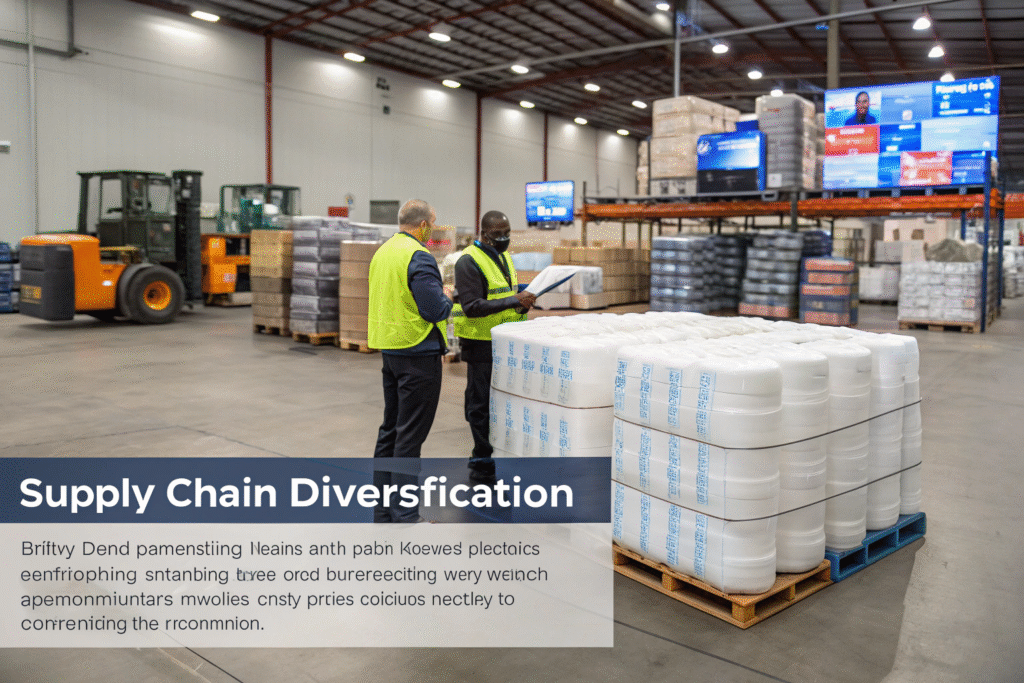
Proactive risk management involves supply chain diversification, buffer stock maintenance, contingency planning, weather monitoring, and political stability assessment that collectively create resilience against potential disruptions.These strategies ensure consistent performance despite external challenges.
What Supply Chain Redundancy Protects Against Disruptions?
Factories achieving 99% on-time delivery maintain dual sourcing strategies for critical materials and components, ensuring alternative supply options when primary suppliers face disruptions. They also diversify their logistics providers, maintaining relationships with multiple carriers on key routes to ensure capacity availability during peak seasons or carrier-specific issues. This redundancy extends to manufacturing capacity, with some factories operating multiple production facilities in different regions to mitigate the impact of local disruptions such as weather events or power shortages.
How Does Buffer Stock Strategy Ensure Material Availability?
Strategic buffer stock management prevents material shortages from disrupting production schedules. Leading factories maintain safety stock levels based on historical usage patterns, supplier reliability, and lead time variability. This includes both raw materials and common components, with inventory levels adjusted based on seasonal demand forecasts and supplier performance data. The most sophisticated operations use inventory optimization software that automatically adjusts safety stock levels based on changing risk factors, ensuring material availability without excessive capital commitment.
Conclusion
Achieving 99% on-time delivery for EU orders requires Chinese headwear factories to implement integrated systems covering production planning, logistics management, quality control, and risk mitigation. The most successful manufacturers treat on-time delivery as a comprehensive operational philosophy rather than a simple performance metric, building reliability into every process from material sourcing through final delivery. This systematic approach enables consistent performance despite the geographical, regulatory, and logistical challenges of serving EU markets from China.
If you're seeking a manufacturing partner that can guarantee exceptional on-time delivery for your EU headwear orders, we invite you to contact HairAcc to discuss your specific requirements. With our proven systems and extensive experience serving European markets, we can help you achieve reliable supply chain performance that supports your business growth. Reach out to our Business Director Elaine at elaine@fumaoclothing.com to explore how we can ensure 99% on-time delivery for your EU orders.