

Are your customers in warmer regions complaining that traditional head wraps are too hot and heavy for year-round wear? You stock beautiful, thick fabrics that are popular in cooler seasons, but they become uncomfortable and impractical when the temperature soars. This leaves you with a seasonal sales gap and an inability to cater to a significant portion of the global market that lives in hot climates, forcing you to miss out on consistent, year-round revenue.
Yes, head wraps made with breathable fabrics are not only suitable but are essential for hot climates. Natural fibers like cotton, linen, and bamboo are top choices because they are lightweight, allow for excellent airflow, and effectively absorb moisture. These properties keep the wearer cool, comfortable, and protected from the sun, making them a must-have accessory in warm weather.
As a manufacturer shipping hair accessories worldwide from our base in China, I've seen a massive surge in demand for breathable head wraps. Buyers from the southern US, Australia, Southeast Asia, and the Middle East specifically request them. They understand that for their customers, a head wrap isn't just a fashion statement—it's a functional tool for managing heat and sun. At Shanghai Fumao Clothing, we've dedicated entire production lines to lightweight, airy fabrics to meet this growing need. In this article, I'll detail which breathable fabrics are best, the specific features that enhance comfort in the heat, and how you can market them effectively to your customers.
Why Are Natural Fibers Superior for Heat?
You see "100% Cotton" or "Linen Blend" on labels, but what does that actually mean for a customer living in a hot, humid climate? You might be tempted to source cheaper synthetic options that look similar, but you risk alienating customers who can literally feel the difference. Understanding the science behind why natural fibers outperform most synthetics in heat is key to making smart buying decisions.
Natural fibers like cotton, linen, and bamboo are superior for heat because their inherent molecular structure allows them to absorb moisture (sweat) and allows air to pass through easily. Unlike many synthetics that can trap heat and moisture against the skin, these breathable fabrics work with the body's natural cooling process, providing unmatched comfort.
I'll never forget a conversation with a buyer from Florida. She was frustrated with her previous supplier, whose "silky" polyester scarves were causing customers to complain of overheating. I explained the difference between polyester and natural fibers. I sent her two sample head wraps to test herself: one of our best-selling Pima cottons and one made of a linen-viscose blend. She wore them for a week in the Florida humidity. The difference was so profound that she immediately placed an order for our entire line of natural fiber head wraps. She told me, "You don't just see the quality, you feel it."
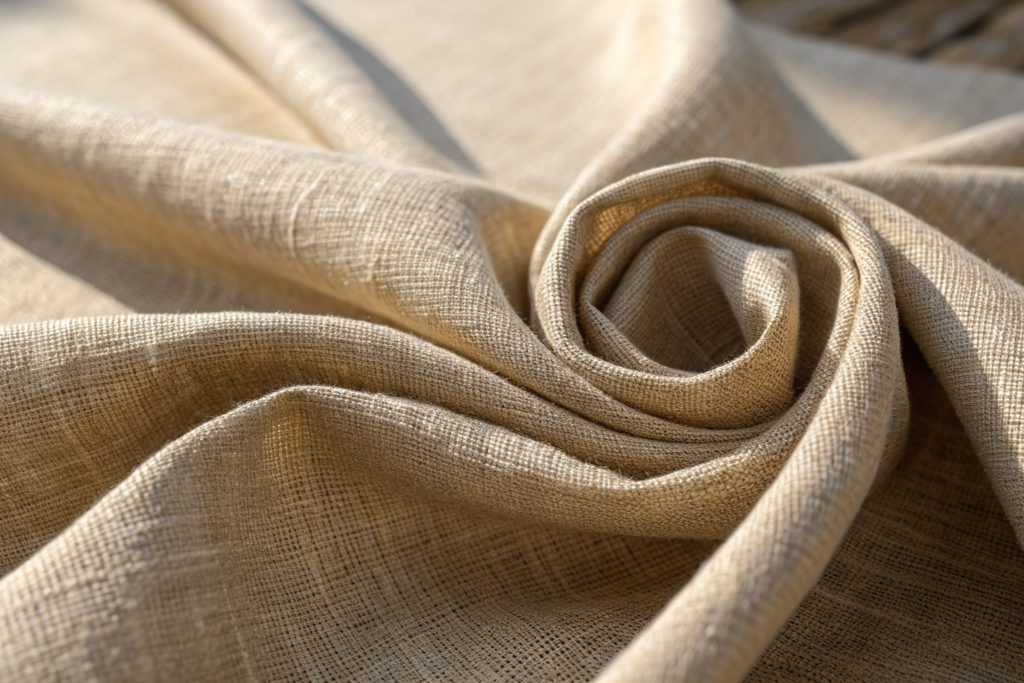
What makes cotton the king of comfort?
Cotton is the undisputed champion of breathable fabrics for several reasons:
- Absorbency: Cotton fibers are hydrophilic, meaning they love water. A cotton head wrap can absorb a significant amount of sweat, pulling it away from your skin.
- Breathability: The space between the soft, staple fibers allows air to circulate freely, which helps moisture evaporate and keeps your head cool.
- Hypoallergenic: As a natural material, it's soft and gentle on the skin, making it ideal for all-day wear without causing irritation.
When sourcing, look for lightweight varieties like voile, lawn, or Pima cotton. These have a finer thread and a more open weave, maximizing breathability. For more on cotton types, textile resources like Cotton Incorporated offer extensive information.
Is linen a good choice for head wraps?
Linen is another fantastic option for hot climates, known for its exceptional coolness.
- Conductivity: Linen is a highly conductive fabric, meaning it allows heat to escape from the body, making it feel cool to the touch.
- Stiffness and Structure: Linen fibers have a natural stiffness that causes the fabric to billow and stay slightly away from the skin, rather than clinging. This creates channels for air to flow, enhancing its cooling effect.
- Absorbency and Quick-Drying: Like cotton, it absorbs moisture well, but it also dries much faster, which is a huge advantage in humid conditions.
The main drawback is that linen wrinkles easily. However, many consumers in hot climates embrace this as part of its relaxed, natural aesthetic. This is a key point to remember when we discuss How to Market Head Wraps for Warm Climates.
Are There Any Good Synthetic Options?
While natural fibers are fantastic, you've heard about new-age synthetic and semi-synthetic fabrics like modal, viscose, and Tencel. Are these just cheaper alternatives, or do they offer real benefits for hot-weather headwear? You want to offer a diverse range of textures and price points, but not at the expense of performance and comfort.
Yes, certain advanced semi-synthetic fabrics like modal, Tencel (lyocell), and viscose (rayon) are excellent options for hot climates. These fabrics, derived from natural sources like wood pulp, are engineered to be extremely soft, drapey, and highly breathable. They often mimic the luxurious feel of silk while offering the moisture-absorbing properties of cotton.
We introduced a line of modal jersey head wraps a few years ago, targeting the yoga and wellness market. A buyer, similar to Ron in his focus on quality, was initially skeptical of anything that wasn't 100% cotton. We sent him a sample. He was stunned by the fabric's incredible softness and silky, cool feel against the skin. It had the luxurious drape of a high-end fabric but was also stretchy and breathable. It became an instant hit with his customers, who loved it for both light exercise and casual, everyday wear. It taught us that innovation in textiles can provide fantastic alternatives to traditional choices.
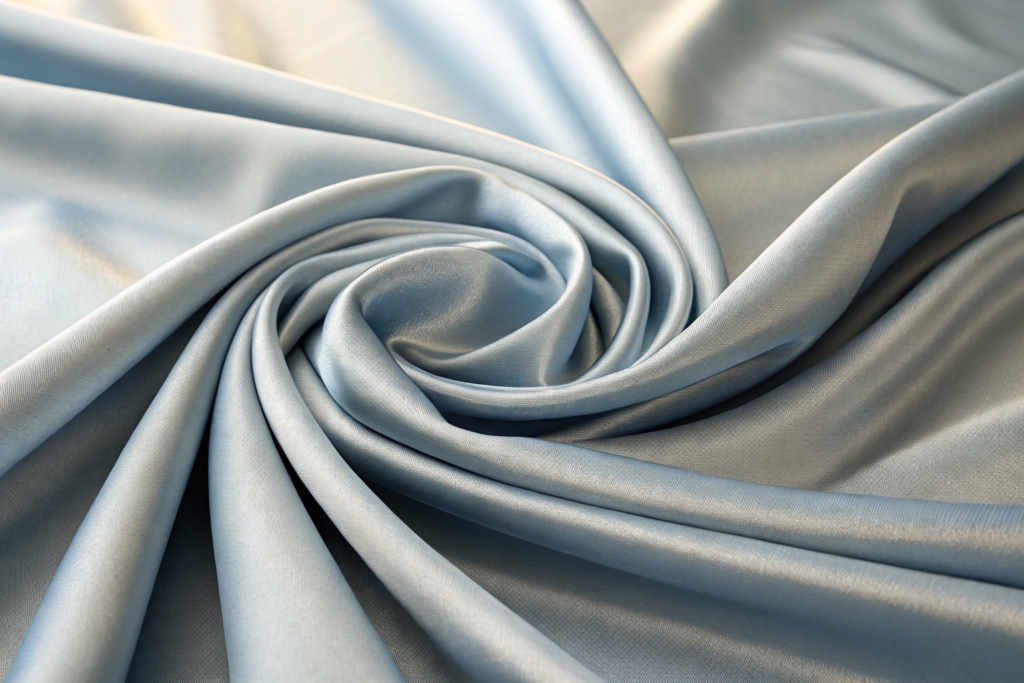
What is modal and why is it so popular?
Modal is a type of rayon, made from the pulp of beech trees. It's considered a semi-synthetic and is prized for its incredible softness.
- Silky Feel: It's often described as feeling softer than cotton and is frequently used for luxury bedding and undergarments.
- Breathable and Absorbent: It's about 50% more water-absorbent than cotton, making it very effective at wicking moisture away from the skin.
- Resists Shrinking and Fading: It holds dye well and is less prone to shrinking in the wash compared to standard viscose.
Its combination of softness and performance makes it a premium choice. You can learn about the sustainability of modal from its primary producer, Lenzing, the company behind TENCEL™ Modal.
What about viscose/rayon and Tencel?
- Viscose/Rayon: This is another plant-based fiber, known for its excellent drape and silk-like feel. Standard viscose can sometimes be weaker when wet, so it's often blended with other fibers like cotton or polyester to improve durability. It's a very breathable and non-insulating choice for head wraps.
- TENCEL™ Lyocell: This is a more modern, eco-friendly version of rayon. It's produced in a closed-loop process, making it a favorite among sustainable brands. It's known for being exceptionally smooth, gentle on the skin, and great for moisture management, making it a top-tier choice for hot-weather apparel and accessories. This is a key factor to consider when thinking about How to Market Head Wraps for Warm Climates.
What Design Features Enhance Cooling?
You've chosen the perfect breathable fabric. But the design of the head wrap itself can also significantly impact how cool it feels. A dense, tightly wound turban, even if made from cotton, will be hotter than a loosely tied scarf. How can you guide your customers and design your products to maximize comfort in the heat?
To enhance cooling, the best design features are a wide and long rectangular shape and a lightweight, open-weave construction. A wider scarf allows for more versatile, looser wrapping styles that promote airflow, while a lighter fabric weight reduces insulation. Avoiding heavy embellishments and multi-layered, pre-tied designs is also crucial.
This is a point of education we always stress to our wholesale clients. It's not just about the material; it's about the style. We worked with a brand in Dubai to create a "Hot Climate Collection." Instead of pre-tied turbans, we focused on producing extra-wide (at least 35 inches) and long rectangular scarves in feather-light cotton voile and linen blends. We then created simple video tutorials showing how to tie them in elegant but airy styles. The collection was a huge success because we sold them a system for staying cool, not just a product.
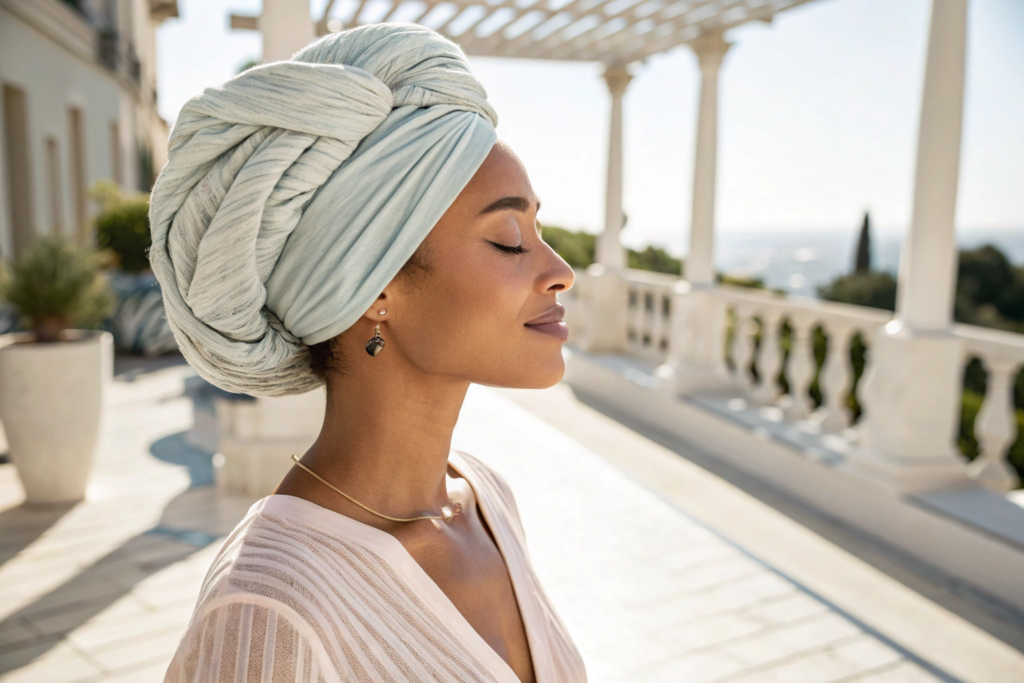
Why does width and length matter?
A generous piece of fabric offers versatility, which is key for heat management.
- Wide Scarf (approx. 35-45 inches): A wider scarf can be folded into different widths. It allows for styles that cover the head for sun protection while leaving space for air to circulate.
- Long Scarf (approx. 70-80 inches): A longer length enables tying methods that don't require tight, multiple knots right against the scalp. It allows for elegant, draped styles where the ends can hang loose.
In contrast, a small, square bandana requires very tight knotting and offers limited coverage and airflow.
What styles are best for hot weather?
Encourage your customers to try styles that prioritize airflow:
- The Low Bun Wrap: The hair is tied in a low bun, and the scarf is wrapped around the head, leaving the top of the head partially open or loosely covered.
- The Open-Ended Turban: The scarf is wrapped around the head, but the ends are left to hang loose down the back or over a shoulder, rather than being tucked in.
- The Simple Headband Fold: A wide scarf is folded into a headband, covering the hairline to absorb sweat but leaving the crown of the head completely open to the air.
Providing this kind of styling advice, which we'll cover in How to Market Head Wraps for Warm Climates, adds immense value for the customer.
How to Market Head Wraps for Warm Climates?
You've sourced the perfect collection of lightweight, breathable head wraps. Now, how do you convince your wholesale and retail customers that these are the ideal solution for staying cool and stylish in the heat? Simply listing the fabric composition isn't enough. You need to create a compelling story that resonates with their needs and desires.
To market head wraps for warm climates, focus on benefit-driven language in your product descriptions, use lifestyle imagery that evokes a sense of cool comfort, and educate customers on versatile, airy styling techniques. Highlight keywords like "breathable," "lightweight," "sun protection," and "moisture-wicking" across all your marketing channels.
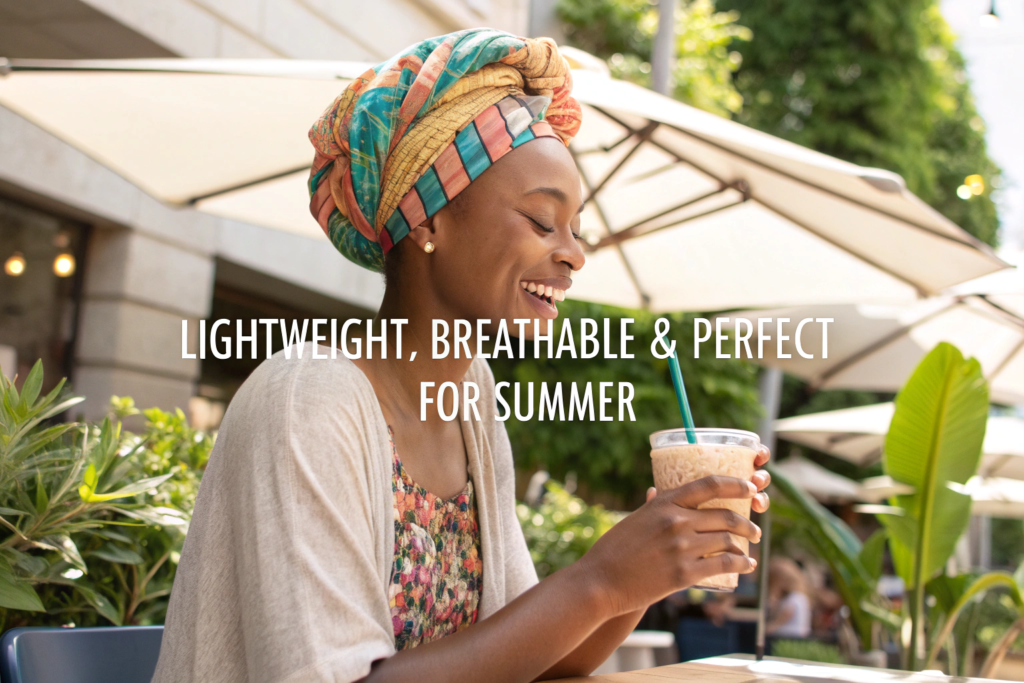
At Shanghai Fumao Clothing, we don't just sell products; we provide our wholesale clients with marketing assets. For our "Summer Collection," we create a lookbook filled with sun-drenched lifestyle photos—women at the beach, exploring a market, relaxing in a garden—all looking effortlessly chic and comfortable in our head wraps. We provide them with suggested product descriptions and social media captions. This helps them sell the feeling of cool, stylish comfort, which is far more powerful than just selling a piece of fabric.
What keywords should you use in product listings?
Your online product descriptions should be optimized for search engines and for human persuasion. Include these powerful keywords:
- Core Keywords: Breathable head wrap, lightweight scarf, summer headwear, hot weather turban.
- Fabric Keywords: 100% cotton, Pima cotton, linen blend, modal jersey, bamboo fabric.
- Benefit Keywords: Sun protection, sweat-wicking, moisture-absorbing, cool comfort, airy, non-slip, all-day wear.
A great product title might be: "Lightweight Linen Head Wrap for Summer – Breathable & Stylish Sun Protection."
How can you use imagery and education to drive sales?
A picture is worth a thousand words, especially in fashion.
- Lifestyle Photography: Show your head wraps being worn in authentic, warm-weather settings. Avoid sterile studio shots. Your customers should be able to picture themselves wearing your product on their next vacation or a sunny day out.
- Video Tutorials: Create short, simple videos for Instagram Reels or TikTok showing how to tie the head wraps in the cool, airy styles we discussed in What Design Features Enhance Cooling?. This is incredibly valuable content that builds community and drives sales.
- Blogging: Write articles like "5 Ways to Style Your Head Wrap for the Beach" or "The Best Fabrics for Hot & Humid Weather." This positions your brand as an expert and helps with SEO. Many fashion blogs, like Who What Wear, often feature this type of educational content.
By combining the right product with the right marketing message, you can dominate the hot-weather headwear market.
Conclusion
The demand for comfortable, stylish headwear in hot climates is not a fleeting trend; it's a fundamental market need. By focusing on breathable fabrics like cotton, linen, and advanced semi-synthetics like modal, you can offer your customers a product that delivers genuine, tangible comfort. When you combine superior materials with smart, airy designs and a marketing strategy that clearly communicates these benefits, you create a winning formula for year-round sales. Don't let your accessory collection be limited by the seasons. Embrace the power of breathable fabrics and become the go-to source for customers who want to stay cool without sacrificing style.
We have dedicated years to perfecting our sourcing and production of high-quality, breathable fabrics. Our expertise can help you build a headwear collection that thrives in any climate. If you're ready to offer your customers the cool comfort they deserve, I invite you to connect with us. Please contact our Business Director, Elaine, at elaine@fumaoclothing.com to discuss your specific needs, request samples of our lightweight fabrics, and get a quote for your next collection.