
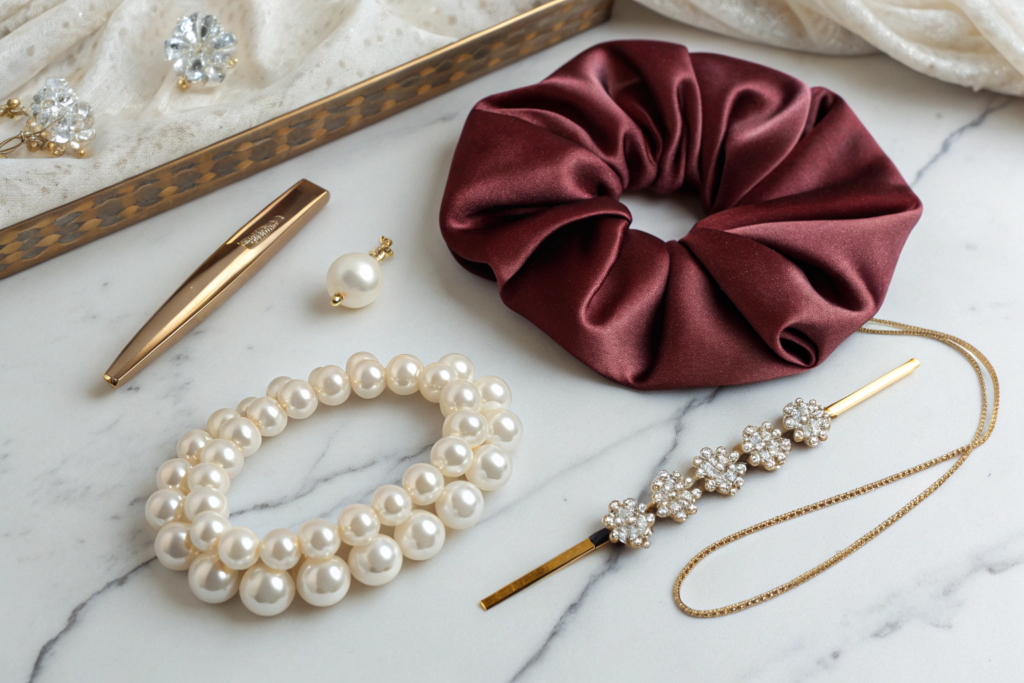
Walk into a luxury boutique, and the hair accessories feel different. They have a certain weight, a precise sheen, a delicate texture that whispers quality. As a buyer, you know these details justify a higher retail price and build a loyal customer base. But what exactly are these premium materials that separate high-end pieces from the mass-market? Understanding this is the first step to sourcing or creating a collection that belongs in those coveted display cases.
High-end boutique hair accessories predominantly use genuine, natural materials and high-grade synthetics that prioritize aesthetics, durability, and a superior tactile experience. The choice is never accidental; it’s a deliberate selection to convey luxury, craftsmanship, and brand identity. Think sterling silver and gold vermeil over base metals, natural freshwater pearls and Swarovski crystals over plastic beads, and pure silk or Italian velvet over generic polyester.
The material is the soul of the accessory. For boutiques serving discerning clients, the story behind the material—its origin, sustainability, and processing—adds immense value. It's not just a clip; it's a piece of French lace or a hand-polished resin that mimics amber. For a manufacturer like us, mastering this material lexicon is crucial to serving clients who target this prestigious market segment. Let’s explore the specific materials that define luxury in hair accessories.
What metals and alloys signify luxury in hair accessories?
The metal component is the workhorse and the jewel of many hair accessories. In high-end boutiques, you will rarely find cheap, nickel-based alloys that tarnish and cause allergies. Instead, the metals are chosen for their luster, weight, and skin-friendliness.
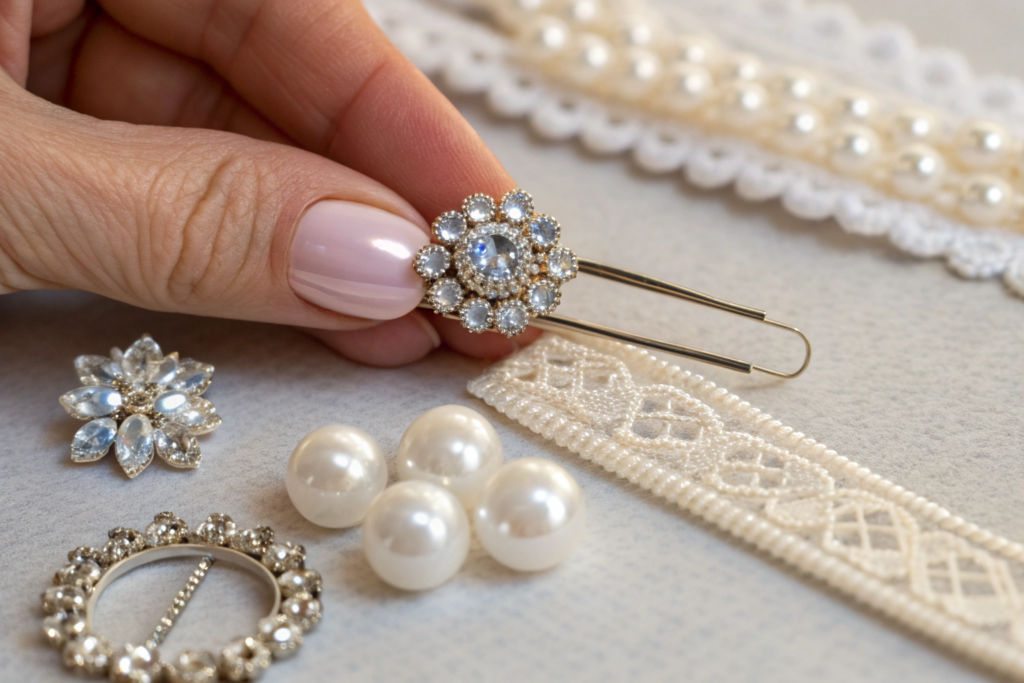
The gold standard includes sterling silver (925), often plated with a thick layer of gold vermeil (gold over sterling silver) or 18k gold plating over brass. These provide a rich, non-tarnishing finish that is durable for everyday wear. Surgical-grade stainless steel is also prized for its strength, hypoallergenic properties, and modern, polished look, perfect for minimalist bobby pins or claw clips. For truly exclusive pieces, solid 14k or 18k gold is used. The key is the plating thickness; boutique-quality pieces use microns-thick plating (often 2-3 microns) that withstands wear, unlike the fractional micron plating that chips on low-end goods. The findings—the springs in clips, the hinges—are also made from high-tensile wire to ensure a secure, lasting hold.
Why is gold vermeil preferred over gold plating?
The distinction is critical for quality. Gold vermeil is a specific, high-quality type of gold plating. By definition, it must have a sterling silver base and a gold layer that is at least 2.5 microns thick. This thick coating, bonded to a precious base metal, makes it highly durable, resistant to tarnishing, and suitable for people with sensitive skin. Standard "gold plating" or "gold-tone" often refers to a flash plating (less than 0.5 microns) over brass or copper, which wears off quickly, exposing the base metal that can oxidize and stain the skin. High-end boutiques and brands specify vermeil to ensure longevity and maintain their reputation. For suppliers like Shanghai Fumao Clothing, offering vermeil as an option is essential for clients targeting the luxury segment.
What role do specialty alloys play in design?
Beyond precious metals, innovative alloys allow for unique colors and properties. For example, niobium is a hypoallergenic metal that can be anodized to create vibrant, permanent colors without paint or plating. It's used for artistic hair sticks and modern headpiece elements. Titanium is another lightweight, exceptionally strong, and hypoallergenic option. These materials appeal to boutiques focusing on contemporary design and customer wellness. Their use signals a deep investment in material innovation, far beyond the standard zinc alloy used in bulk fashion items. When discussing custom design with a manufacturer, inquiring about their access to and experience with these specialty metals is a mark of a sophisticated buyer.
Which premium stones, pearls, and decorative elements are used?
The decorations are where luxury truly shines. High-end pieces use authentic, naturally beautiful elements or the finest manufactured counterparts, chosen for their light refraction, color depth, and texture.
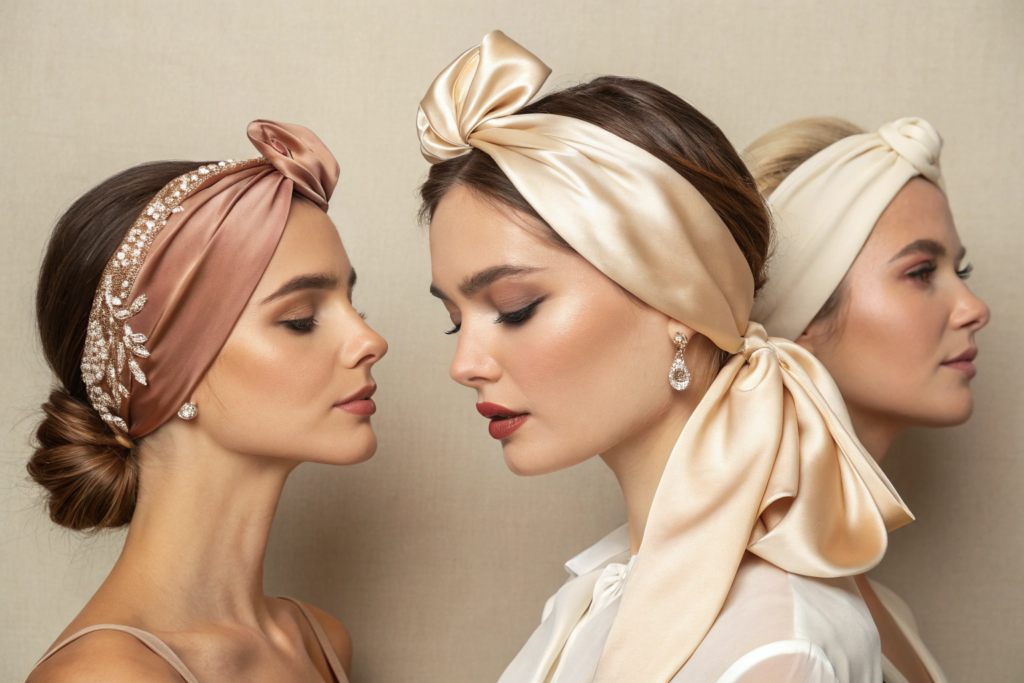
Freshwater pearls and Swiss-made Swarovski crystals are ubiquitous in luxury hair accessories. Swarovski crystals are prized for their unparalleled brilliance, precision cutting, and consistent color range. For a more organic look, baroque pearls, mother-of-pearl inlays, and semi-precious stone cabochons like onyx, turquoise, or carnelian are popular. Austrian crystal from other premium manufacturers like Preciosa also offers high quality. The setting of these elements is as important as the elements themselves; they are often prong-set or bezel-set into metal, not merely glued. For glued elements, a high-grade, clear-drying jewelry epoxy is used to ensure permanence and invisibility.
What is the difference between Swarovski and other crystals?
Swarovski has set the global standard for precision-cut lead glass crystals. Their patented manufacturing process results in facets that are sharper and more consistent, with a higher lead content that gives greater brilliance and clarity. They offer exclusive, complex color coatings that are fade-resistant. Lower-quality "crystals" or glass beads often have softer, less defined facets, more bubbles or impurities, and cheaper coatings that can peel. For a boutique item, using Swarovski is a recognizable mark of quality that educated consumers seek. It’s a key component in creating stunning hair chains and tiaras for special occasions. A reliable manufacturer will provide authentic certification for such materials.
How are natural materials like horn and wood incorporated?
Sustainability and natural artistry are huge trends in luxury. Buffalo horn and eco-friendly cellulose acetate (a bio-based plastic derived from wood pulp) are used for carved hair sticks, barrettes, and comb sets. These materials have a warm, unique grain and are lightweight yet durable. Sustainable wood like sandalwood or bamboo, often hand-polished and treated with natural oils, is used for a rustic-chic aesthetic. The appeal lies in the material's story—its renewable origin and artisanal processing—which resonates with the values of high-end consumers. When selecting a partner for OEM services, ensure they have vetted supply chains for these specialty materials to guarantee both quality and ethical sourcing, a concern for many boutique owners.
What fabrics and textiles define high-end headwear?
The fabric is the canvas for many hair accessories. Boutique-quality textiles are defined by their fiber content, weave, hand-feel, and origin. They are chosen for drape, durability, and a non-irritating touch against the skin.
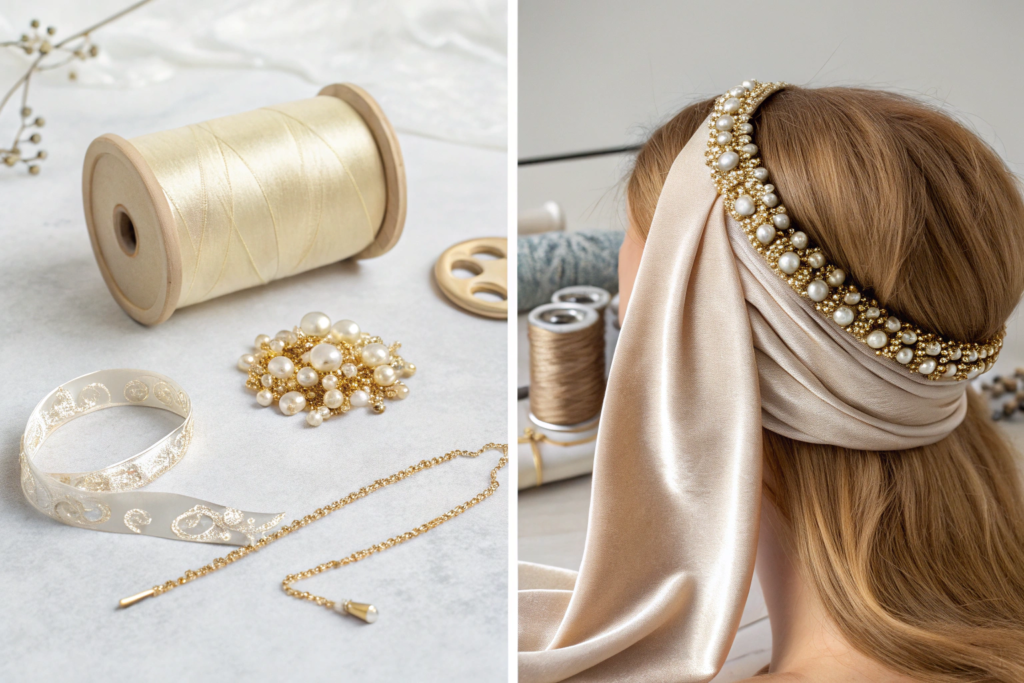
Pure silk—in forms like charmeuse, satin, and chiffon—is the ultimate luxury fabric for scarves, headbands, and scrunchies. Its natural protein fibers give a luminous sheen and a temperature-regulating feel. High-grade velvet, often with a cotton or silk backing, is used for wide headbands and turbans, offering a rich texture. Italian linen or fine cotton batiste are favored for lightweight, breathable headwraps for summer. Even elastics are premium: silk-covered elastic or soft, wide knit elastic is used inside scrunchies and hair ties to prevent breakage and pulling on hair. The attention to detail extends to linings and interfacings, which are also made from natural fibers to maintain comfort and structure.
Why is silk the benchmark for luxury fabric accessories?
Silk is more than just a material; it's an experience. It is gentle on hair, reducing friction and preventing breakage—a key selling point for a high-quality scrunchie. Its natural dyes produce deep, vibrant colors that are difficult to replicate with polyester. Silk's unique molecular structure gives it a natural temperature-regulating and hypoallergenic property. For a boutique, selling a pure silk accessory tells a story of natural elegance and hair care. From a production standpoint, working with silk requires expertise in cutting, sewing, and finishing to prevent fraying and maintain the fabric's integrity, which is why partnering with a factory like Shanghai Fumao Clothing, with dedicated printing and finishing facilities, is crucial for clients in this space.
What about high-performance technical fabrics?
The luxury market has embraced athleisure and wellness. This has introduced technical fabrics like sueded microfiber for sweatbands that are ultra-absorbent and soft, or silk-cashmere blends for winter headbands. OEKO-TEX certified organic cotton is another growing category, appealing to the eco-conscious luxury buyer. These materials merge high function with a premium feel. They require specialized sourcing and understanding of performance attributes like moisture-wicking and stretch recovery. For a manufacturer, having a network of cooperative factories for specialized dyeing and finishing of these fabrics is a significant advantage when serving brands that innovate at the intersection of fashion and function.
How do sourcing and craftsmanship elevate the final product?
Superior materials alone are not enough. It is the intersection of ethical sourcing, masterful craftsmanship, and meticulous finishing that transforms them into a luxury hair accessory. This is where the true cost and value are justified.
High-end boutiques often trace material origins. They prefer ethically sourced feathers, conflict-free stones, and sustainably harvested woods. The craftsmanship involves techniques like hand-setting of stones, hand-rolling of silk edges on scarves, and hand-painting of details on resins. Attention to finishing is paramount: no glue threads, no rough edges on metal, no uneven stitching. The packaging itself becomes part of the product experience, using recycled card stock, soft dust bags, and custom-branded boxes. This level of detail requires a manufacturing partner with a professional QC team that inspects not just for defects, but for perfection in alignment, symmetry, and finish.
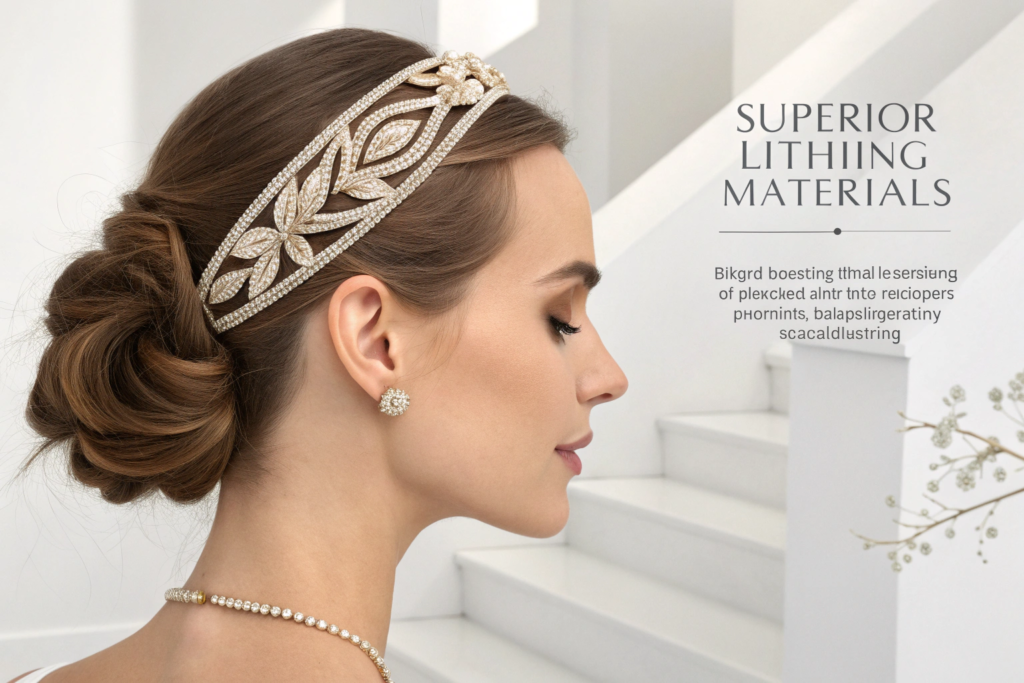
How does ethical sourcing impact material choice and branding?
Ethical sourcing is no longer a niche concern; it's a mainstream luxury expectation. It directly influences material selection, steering buyers toward recycled metals, regenerated acetate, and GOTS-certified organic cotton. This provides a powerful brand narrative. For a manufacturer, demonstrating a transparent and responsible supply chain is a competitive edge. It means vetting material suppliers for certifications and ensuring that the end-to-end production process aligns with modern values. This approach not only mitigates risk but also opens doors to partnerships with boutique brands that build their identity on sustainability and social responsibility.
What finishing techniques separate mass-market from luxury?
The final touches make all the difference. For metals, it could be a tumble-polishing process that smooths every edge, or a brush-finishing technique that gives a sophisticated matte look. For fabrics, it involves steam pressing to set the shape and serging edges with matching thread. For decorations, it means inspecting each piece under magnification to ensure stones are level and secure. This labor-intensive focus on detail is what allows boutiques to command high prices. As a supplier, maintaining an inspection factory dedicated to this final audit stage is essential. It ensures that every item that reaches a boutique buyer, whether a simple bow hair clip or an elaborate lace veil, meets the exacting standards of the luxury market. For buyers looking to create such a collection, starting a conversation with an expert is the best first step.
Conclusion
The hair accessories sold by high-end boutique stores are a deliberate symphony of premium materials: precious metals, authentic crystals and pearls, natural luxury fabrics, and ethically sourced specialty elements. But more than a list of ingredients, it is the conscious sourcing, the skilled craftsmanship, and the obsessive attention to detail that synthesizes these materials into objects of desire. Understanding this material hierarchy is fundamental for any buyer or brand aspiring to compete in the luxury space.
By specifying these materials and partnering with a manufacturer who understands the nuances of luxury production, you can build a collection that carries the weight, sparkle, and feel of true quality. This investment in materials directly translates to perceived value, customer satisfaction, and brand prestige. If you are ready to develop a line of high-end hair accessories that tell a story through exceptional materials, we invite you to contact our Business Director, Elaine, at elaine@fumaoclothing.com. Let's discuss how we can source the finest materials and craft them into your next best-selling collection.