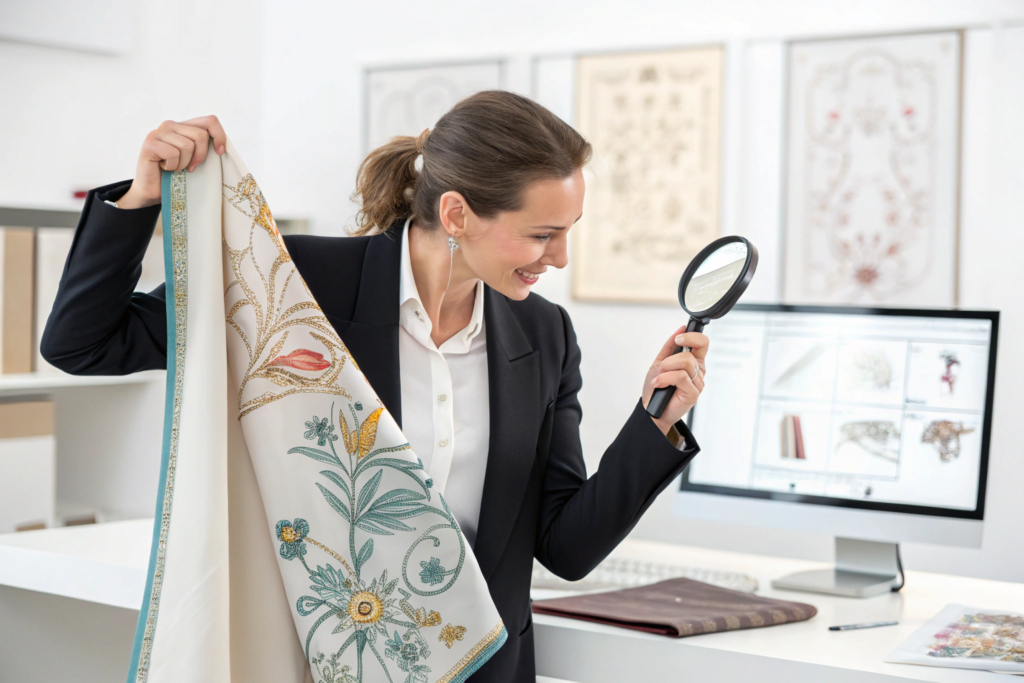
As a global buyer, you might be asking yourself, "Can I truly get high-quality silk scarves with custom embroidery from China?" The question often comes with doubts about quality, reliability, and customization depth. Many believe overseas sourcing for such detailed work is complex and risky.
The answer is a definitive yes. As a leading manufacturer at Shanghai Fumao Clothing, we specialize in turning custom embroidery visions into tangible, luxurious silk scarves. China's manufacturing ecosystem, particularly in regions like our base, offers an unmatched blend of skilled artisanship, advanced technology, and scalable production. This allows for intricate custom designs, from logos to elaborate patterns, on various silk grades like chiffon and crepe de chine. The key is partnering with a supplier that integrates control over every step, from your initial sketch to final stitch.
Navigating this process successfully means understanding the how and who. Let's explore the critical aspects of sourcing custom embroidered silk scarves to ensure your project is both beautiful and commercially successful.
What Are the Main Types of Silk for Custom Embroidery?
The journey to a perfect custom embroidered scarf begins with the fabric. Not all silk is created equal, and the choice of base material dramatically affects the final look, feel, and durability of the embroidery. Selecting the right type is the first critical step in material selection for a product that meets both aesthetic and functional market demands.
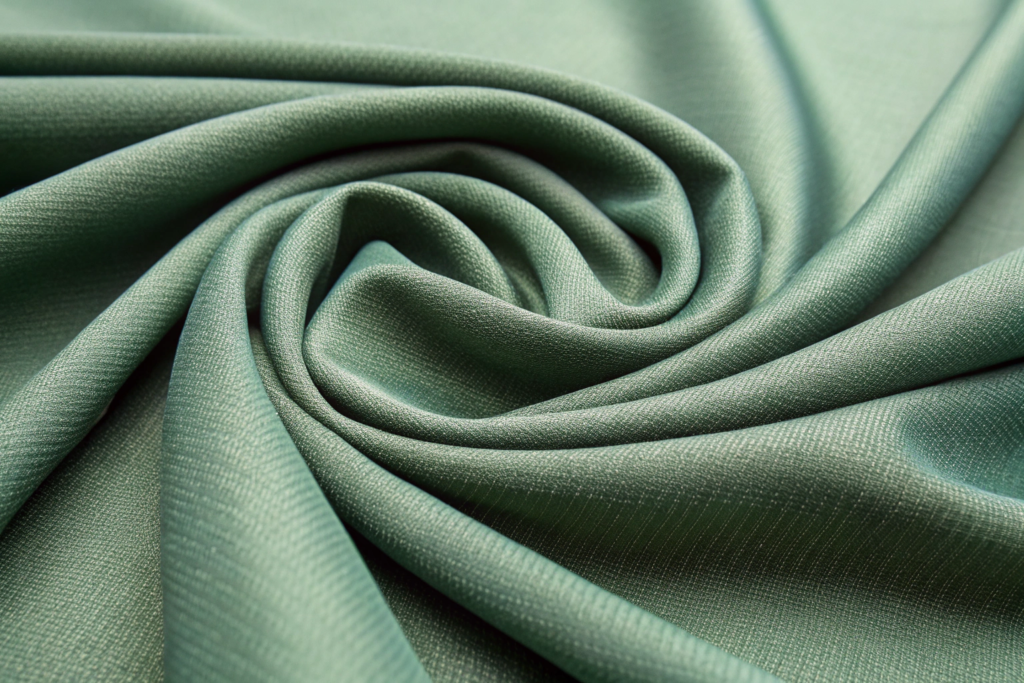
Silk Chiffon is a top choice for lightweight, flowing scarves with a delicate sheen. Its ethereal quality makes it perfect for high-fashion applications. However, its fine and sheer nature requires expert handling during the embroidery process. We use specialized backing and precise, low-tension machines to prevent puckering or pulling, ensuring the delicate fabric remains pristine while supporting the embellishment.
Crepe de Chine offers a slightly heavier weight with a beautiful, matte finish and a distinctive pebbly texture. This texture helps camouflage the back of the embroidery stitches, creating a cleaner look on the reverse side—a sign of superior craftsmanship. Its excellent drape and resilience make it ideal for scarves meant for daily wear, where the embroidery needs to withstand regular use without compromising the fabric's elegance.
How Does Silk Quality Affect Embroidery Durability?
The durability of custom embroidery is directly tied to the quality of the silk. High-grade, densely woven silk provides a stable foundation for the needle and thread. Inferior or loosely woven silk can easily distort under the stress of embroidery, leading to design misalignment or fabric damage over time. We source our silk from certified mills, ensuring a high thread count and consistent weave. This quality foundation allows our embroidery machines to run at optimal settings, securing each stitch firmly. Furthermore, pre-washing and treating the silk fabric minimizes shrinkage post-production, locking the embroidery in place. A robust quality control process, including tension and pull tests, guarantees that the embellishment remains intact through wear and washing, protecting your brand's reputation for quality.
What Silk Weave is Best for Detailed Logo Embroidery?
For detailed logo embroidery, especially with small text or intricate graphics, a smooth, tight weave is paramount. Habotai Silk (also known as China Silk) is often the best candidate. Its smooth surface allows for exceptional stitch definition, ensuring every detail of your corporate or brand logo is crisp and clear. Unlike textured crepes, a smooth habotai background offers high contrast and visibility for the embroidery. When executing such precise work, our technicians adjust the digitization parameters specifically for the silk's characteristics, controlling stitch density and underlay to prevent the design from sinking into or distorting the fabric. This technical expertise transforms a simple logo into a sophisticated brand statement on a luxurious accessory. Partnering with an experienced manufacturer like Shanghai Fumao Clothing is crucial for navigating these technical subtleties. For more insights on fabric choices, the Textile Institute provides valuable resources on fiber science and application.
How Does the Custom Embroidery Process Work in China?
Understanding the process demystifies production and builds confidence. The custom embroidery workflow in a proficient Chinese factory is a streamlined collaboration between client and manufacturer, moving from your idea to a bulk shipment. It’s a cycle of design, technical adaptation, and validation that ensures the final product perfectly matches your specification sheet.
The process starts with your artwork. Our in-house design team then assists in adapting it for embroidery, considering factors like stitch type, complexity, and color reduction. Next comes digitization, where a specialist uses software to translate the artwork into a language the embroidery machine understands, plotting the path, type, and density of every stitch. This digital file is the blueprint for production. A sample is then embroidered on your chosen silk for approval. This step is non-negotiable—it’s your chance to see and feel the design, request adjustments to color or placement, and confirm quality before the entire order goes into production. Only after your signed approval does mass manufacturing begin.
What is Digitization and Why is it Crucial for My Design?
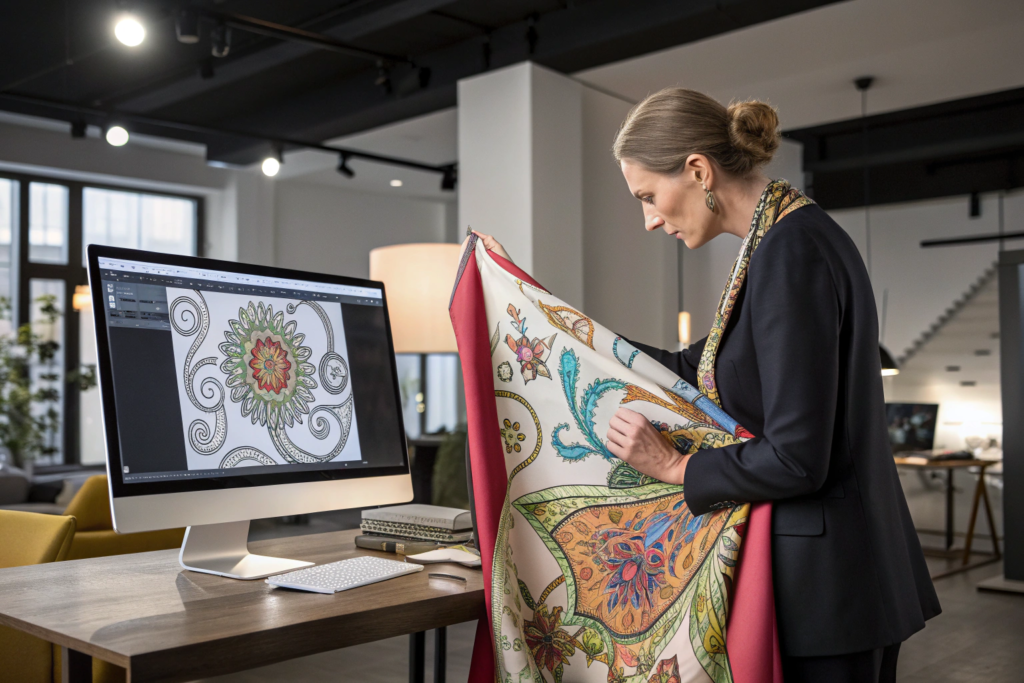
Digitization is the behind-the-scenes magic that makes custom embroidery possible. It's not mere file conversion; it's the technical design phase where an image is programmed with instructions for the embroidery machine. A skilled digitizer decides the stitch sequence, direction, density, and underlay. Poor digitization leads to thread breaks, poor coverage, or a design that distorts the delicate silk. For instance, a large filled area might require a different stitch pattern than a fine outline. We invest in expert digitizers and advanced software because we know this step determines the durability and aesthetic of your scarf. It transforms your 2D logo into a 3D textural element that enhances the silk. This technical prowess is a core part of our product development capability, ensuring even the most complex designs are executed flawlessly.
How Many Sample Rounds Are Typical Before Production?
Typically, one to two sample rounds are sufficient to perfect a design. The first prototype reveals how the digitized file interacts with the actual silk. We evaluate stitch quality, color accuracy, and placement. Common adjustments at this stage include changing thread colors to better match Pantone references, slightly modifying stitch density, or repositioning the design. We then produce a second pre-production sample for final confirmation. This efficient process minimizes delays. Our integrated structure—housing design, sampling, and production under one coordinated umbrella—allows for rapid iterations. Clear communication during this phase is key. Providing specific feedback, like "increase the saturation of the blue thread" or "move the motif 1cm to the left," helps us achieve your vision quickly. A reliable partner manages this process transparently, avoiding hidden fees or unnecessary loops, ensuring your path to [successful bulk ordering](## What Are the Minimums and Costs for Bulk Orders?) is smooth from the start. For those new to manufacturing, platforms like Alibaba can offer initial supplier discovery, but deep technical collaboration is best done directly with a factory like ours.
What Are the Minimums and Costs for Bulk Orders?
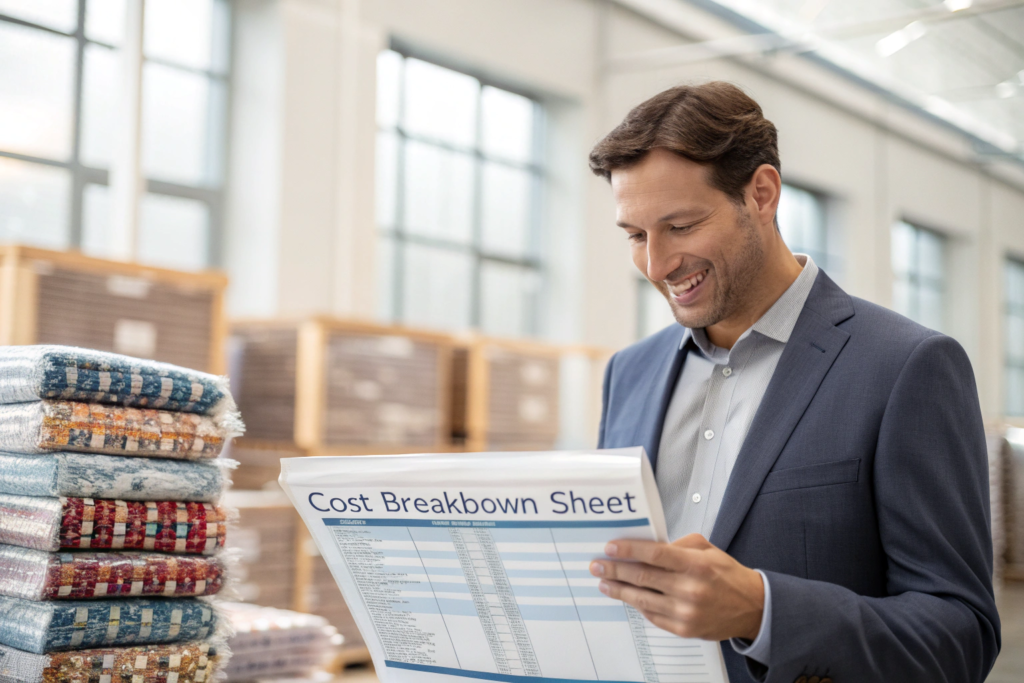
Cost and minimum order quantity (MOQ) are decisive factors for buyers like Ron, who balances quality with price sensitivity. The good news is that Chinese manufacturing, especially with a direct factory like ours, is structured to offer competitive scalability. MOQs for custom embroidered silk scarves can start as low as 300-500 pieces per design/color, making it accessible for startups and smaller brands, while costs are optimized through vertical integration and efficient material sourcing.
The final cost per unit is not a single number but a sum of variables: the grade and quantity of silk, the complexity and size of the embroidery (more stitches and colors cost more), and the order volume. Additional elements like custom packaging and quality control certifications add value but also affect the price. We provide transparent, itemized quotations so you see exactly what you're paying for. A key advantage of working directly with us at Shanghai Fumao Clothing is our factory-direct pricing. By managing embroidery, printing, and finishing in our associated facilities, we control costs and quality without middleman markups. Furthermore, our strategic location and logistics partnerships help us offer cost-effective shipping solutions that mitigate overall landed cost concerns, a crucial consideration given global tariff landscapes.
How Can I Reduce the Per-Unit Cost of My Order?
Reducing per-unit cost is about smart planning and leveraging economies of scale. The most effective lever is increasing order quantity, as fixed costs (like digitization and setup) are amortized over more units. Standardizing design elements across multiple products can also save costs. For example, using the same embroidery logo on different scarf styles or colors within the same production run. Opting for a smaller embroidery area or fewer thread colors reduces machine time and material usage. Another strategy is to plan production during standard schedule slots to avoid rush fees. We advise clients on these optimizations during the quoting phase, helping achieve a target price point without sacrificing the luxury appeal of the silk or the precision of the embroidery. This collaborative approach to cost engineering is part of our value-added service.
Are There Hidden Fees in Custom Embroidery Quotes?
Transparency is the antidote to hidden fees. Reputable manufacturers provide clear breakdowns. Potential costs that might be overlooked include fees for multiple digitizations (if the design changes fundamentally after sampling), charges for physical sample shipping, or costs for special compliance testing. We believe in upfront communication. Our quotes clearly list all foreseeable costs: fabric, embroidery (based on stitch count), labor, trims, standard packaging, and standard export documentation. Any additional services, like specialized quality inspection reports or branded polybag packaging, are optional line items. We explain tariff codes (HS codes) for silk scarves to help you estimate import duties accurately on your end. By choosing a partner with an in-house QC team and integrated processes, you minimize the risk of unexpected charges for re-work or quality failures later. Understanding the full financial picture is essential for accurate budget planning and building a trusting supplier relationship, which is as important as understanding [how to ensure quality control](## How to Ensure Quality Control During Production?). Resources like the U.S. Fashion Industry Association offer valuable insights on global trade and compliance.
How to Ensure Quality Control During Production?
For a buyer focused on quality and development capacity, robust QC is non-negotiable. Quality control in custom embroidery is a multi-stage defense system, not a final inspection. It involves proactive checks at critical production points to catch issues early, saving time and cost. Our philosophy is to build quality into the process at every step, from raw material inspection to final pre-shipment audit.
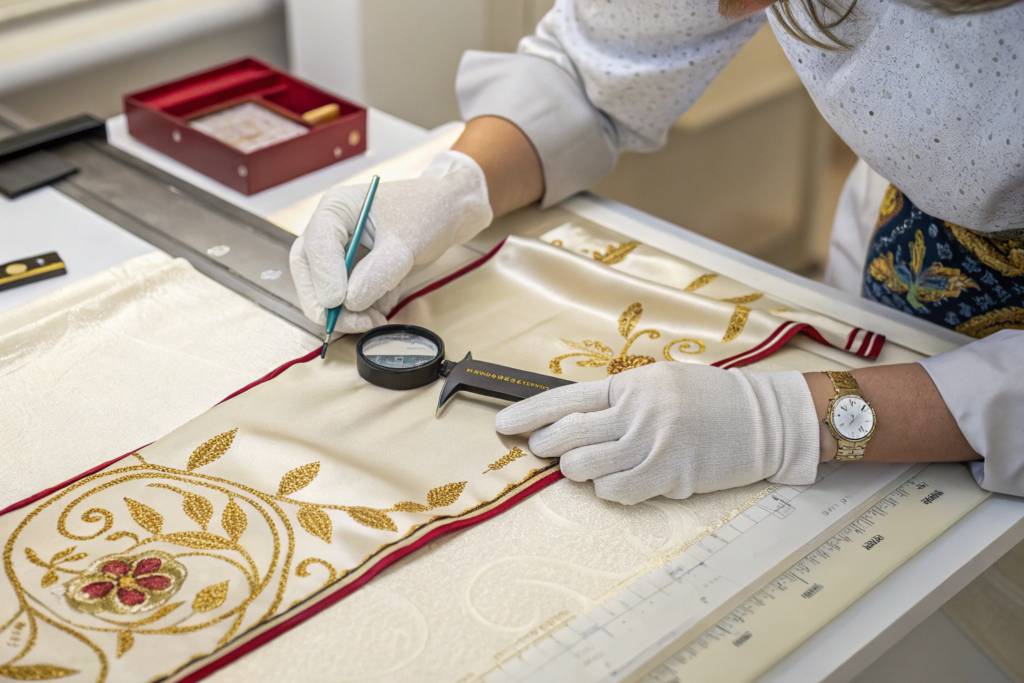
Our dedicated QC team operates independently from production. The process begins with an Initial Production Check (IPC) after the first batch of fabric is cut and the first embroidery run is completed. They verify that the silk matches the approved shade and weight, and that the embroidery aligns with the gold sample in stitch density, color, and placement. A During Production Check (DPS) follows at the 20-30% completion stage, assessing consistency. Finally, a Pre-Shipment Inspection (PSI) is conducted on randomly selected units from finished, packaged goods. We check for defects like misprints, loose threads, uneven edges, and packaging errors. This systematic approach, supported by our in-house inspection facility, gives you data-driven assurance. We can also accommodate third-party inspection services if required, providing full transparency.
What Standards Are Used for Inspecting Embroidered Scarves?
We adhere to the internationally recognized AQL (Acceptable Quality Level) sampling standards for inspections. For general consumer goods like fashion scarves, we typically use AQL 2.5 for major defects and AQL 4.0 for minor defects. This statistical method determines the sample size from the lot and defines the maximum number of allowable defects. Beyond AQL, our checks are guided by a detailed checklist derived from your approved sample and specifications. This includes measuring embroidery dimensions, verifying color fastness through rub tests, checking stitch consistency under light, and ensuring the finish of hems and edges. For clients in specific markets like the EU or US, we ensure products meet relevant safety and labeling standards. Documentation, including detailed inspection reports with photos, is provided for your records, offering peace of mind before the goods even leave our factory.
How Does In-House QC Prevent Shipping Delays?
In-house QC is a powerful tool for preventing delays. By identifying a material flaw at the IPC stage or a machine calibration issue during DPS, we can halt production, correct the root cause, and prevent an entire batch from being made incorrectly. This is far more efficient and cost-effective than discovering flawed products at the final PSI stage or, worse, after they arrive at your warehouse. This proactive containment keeps the production schedule on track. It avoids the lengthy delays of re-working products or, in the worst case, remanufacturing them from scratch. Our integrated model, where QC communicates directly with the production and embroidery teams, ensures swift corrective action. This reliability in timeliness and scheduling is a critical component of our service, ensuring your inventory planning and marketing launches are not jeopardized by quality-related setbacks. It directly addresses the pain points of buyers who prioritize a secure and efficient supply chain. Understanding global logistics partners' requirements is also key, which we handle seamlessly.
Conclusion
Sourcing custom embroidered silk scarves from China is not only possible but can be a highly rewarding and competitive strategy for your business. The keys to success lie in understanding the materials, engaging deeply with the technical embroidery process, planning your bulk order with cost transparency, and, most importantly, insisting on a rigorous, multi-stage quality control system. By choosing a partner that offers integrated services—from design digitization and sampling to production, inspection, and logistics—you turn a complex sourcing challenge into a streamlined, reliable pipeline for beautiful, brand-enhancing products.
The journey from concept to customer starts with the right collaboration. If you are looking for a trusted partner to produce high-quality, custom embroidered silk scarves with professionalism and precision, we invite you to discuss your project with us. Contact our Business Director, Elaine, today at elaine@fumaoclothing.com to explore how Shanghai Fumao Clothing can bring your unique hair accessory and scarf designs to life.