

Are you looking to expand your athletic apparel line with accessories that can withstand the elements? Your customers—hikers, runners, and outdoor enthusiasts—need gear that performs in unpredictable weather. A standard cotton headband becomes a soggy, uncomfortable mess in the rain, but you're unsure if you can source a truly effective water-resistant option. You're worried about performance, durability, and whether Chinese suppliers have the technical fabric expertise you need.
Yes, specialized Chinese manufacturers like Shanghai Fumao Clothing absolutely can provide high-performance, water-resistant headbands suitable for any outdoor activity. The key is not to confuse "water-resistant" with "waterproof." The goal is a breathable headband made from synthetic fabrics treated with a Durable Water Repellent (DWR) finish, which causes water to bead up and roll off while still allowing sweat to escape.
As an avid outdoorsman myself, I know that the right gear makes all the difference between a great day and a miserable one. For years, my team and I have been working with advanced textiles to solve this exact problem for our clients in the US and Europe. Sourcing a technical accessory like this isn't about finding the cheapest option; it's about partnering with a manufacturer who understands the science behind performance fabrics. Let me explain how these headbands are made and what you should look for in a supplier.
What makes a headband water-resistant?
You've seen jackets and pants that repel water, but how is that same technology applied to a small, stretchy accessory like a headband? It's easy to be skeptical. Many products claim to be "water-resistant" but fail the moment they face a real downpour. This is a critical performance failure that can quickly lead to customer distrust and negative reviews for your brand.
A truly water-resistant headband is created by using a hydrophobic synthetic fabric, like polyester or nylon, and treating it with a Durable Water Repellent (DWR) chemical finish. This is not a simple coating; it's a treatment that bonds to the fibers on a microscopic level, lowering the surface tension of the fabric so that water droplets cannot spread out and soak in. Crucially, this treatment is applied in a way that does not block the pores of the fabric, maintaining breathability.
The science of DWR is fascinating and it's at the core of the modern outdoor apparel industry. It's a delicate balance: you want to keep rain out, but you must let sweat vapor escape. If you don't, the wearer will end up just as wet from their own perspiration. At our factory, we work with specialized textile mills to source and apply the latest generation of eco-friendly DWR finishes. Understanding this technology is the key to sourcing a product that actually performs. It's also a critical component of our quality assurance process.
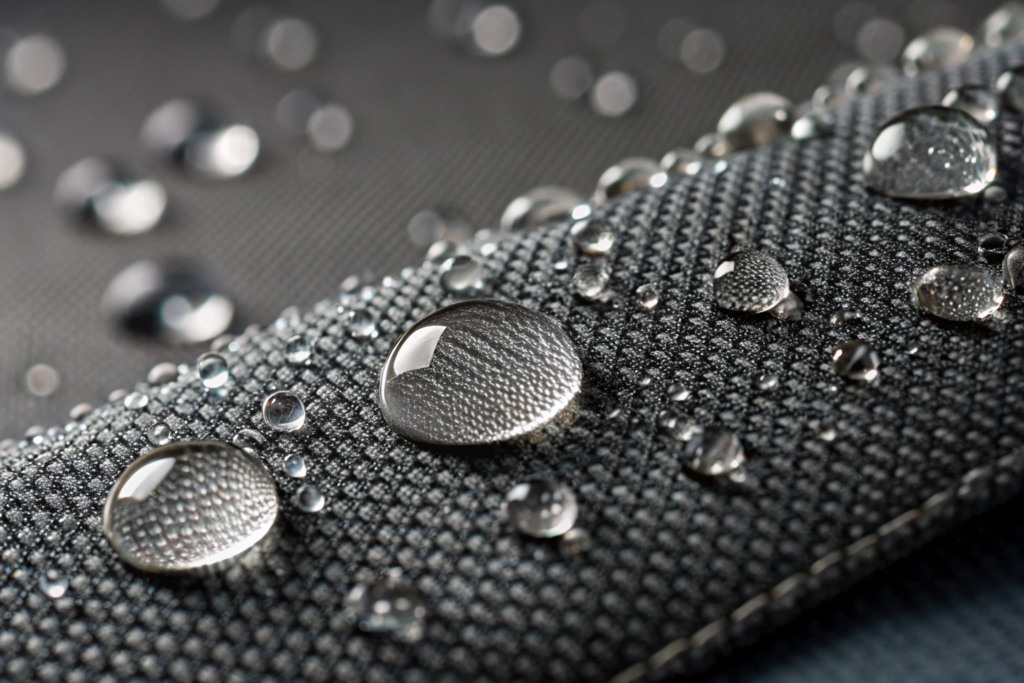
What are hydrophobic fabrics?
Hydrophobic means "water-fearing." Synthetic fibers like polyester and nylon are naturally hydrophobic—they absorb very little water compared to natural fibers like cotton. A cotton headband can absorb up to 27 times its weight in water, becoming heavy and cold. A polyester headband, on the other hand, will absorb less than 1% of its weight. This is the essential first layer of defense against moisture and the foundation of any good piece of outdoor gear. This material science is a core topic in the performance textiles industry.
How does a DWR finish work?
Imagine the surface of the fabric covered in microscopic, spiky "umbrellas." When a water droplet lands, it can't lie flat and soak in; it's held up on the points of these spikes, forming a bead that can easily roll off. That's essentially what a DWR finish does. We apply it as a liquid treatment during the final stages of fabric production. The quality of the DWR chemistry and the application process are critical for its effectiveness and durability. We prioritize modern, eco-friendly C0 DWR finishes, which are made without the perfluorinated chemicals (PFCs) that have been an environmental concern, a topic of great importance to organizations like the Bluesign system.
How is the quality of DWR tested?
You've been promised a "water-resistant" headband, but how can you be sure it will actually work? A supplier can make any claim they want. Without a standardized way to test the product's performance, you are sourcing blindly and risking your brand's reputation on an unverified promise. This uncertainty is a major pain point for any serious buyer of technical apparel.
The quality and durability of a DWR finish are verified using standardized industry tests, primarily the Spray Test (AATCC 22) and the Rain Test (AATCC 35). We perform these tests on every batch of our water-resistant fabric. Furthermore, we conduct wash-durability tests to ensure the DWR finish remains effective even after multiple laundry cycles, which is crucial for the product's lifespan.
At Shanghai Fumao Clothing, we believe in "trust, but verify." Claims are meaningless without data. Our in-house testing protocols and partnerships with certified labs ensure that when we say a product is water-resistant, we have the test results to prove it. This gives our clients the confidence that they are buying a product that delivers on its promise. Let's look at what these critical tests involve. This rigorous testing is a cornerstone of our custom manufacturing process.
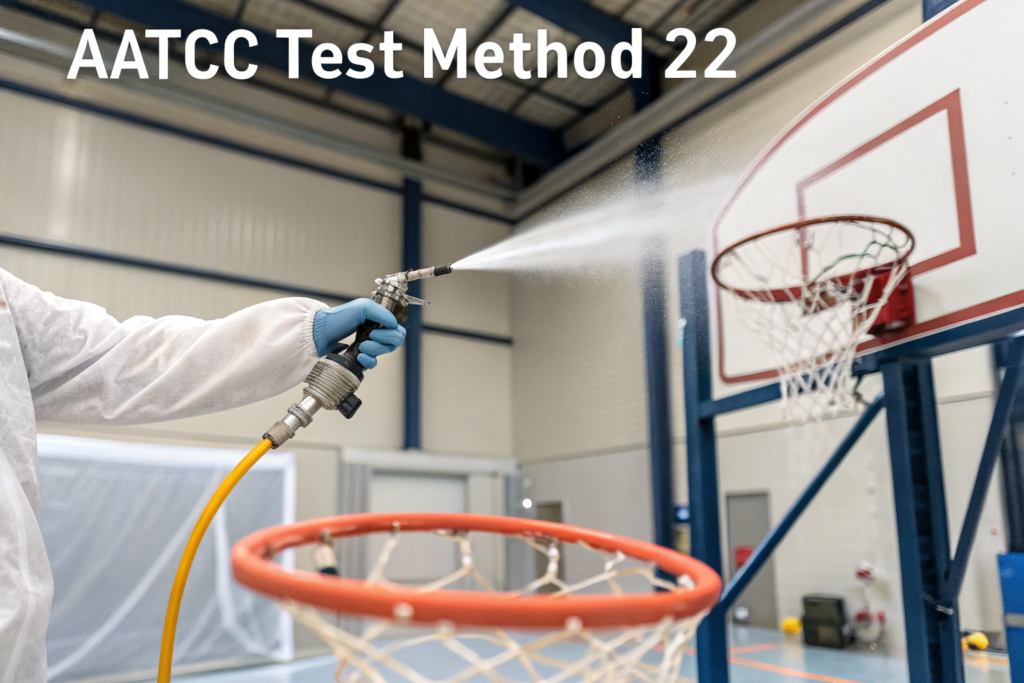
What is the AATCC 22 Spray Test?
This is the industry-standard test for measuring the water repellency of a fabric surface. A specified amount of water is sprayed onto a taut piece of fabric at a 45-degree angle. We then visually compare the spray pattern on the fabric to a standard rating chart. A high-performance DWR finish will receive a rating of 90 or 100, which indicates no "wetting" of the fabric surface at all. This test is quick, effective, and a fundamental part of our quality control, as defined by the American Association of Textile Chemists and Colorists (AATCC). It's a must-have certification for any legitimate technical apparel brand.
Why is wash durability important?
A DWR finish is not permanent. Dirt, oils from the skin, and abrasion can all degrade its performance over time. Washing the garment is necessary, but the laundering process itself can also wear down the finish. A high-quality DWR treatment should remain highly effective for at least 20 to 30 washes. We test this by running the fabric through multiple wash-and-dry cycles and then re-testing it with the Spray Test. This ensures the customer gets a product with a long and effective lifespan, a key factor in product sustainability and customer satisfaction.
How does the custom manufacturing process work?
You need a water-resistant headband that is unique to your brand. You have ideas for the color, the fit, and the logo application. How do you work with a Chinese supplier to create a custom technical accessory? You're worried about communication barriers, ensuring the technical specifications are met, and getting a final product that matches your vision.
Our OEM/ODM process for technical headbands is a structured, partnership-driven workflow that ensures your vision is executed with precision. We begin with a deep dive into your performance requirements and design aesthetics. From there, we guide you through selecting the right technical fabric, DWR finish, and construction methods. We produce detailed digital mock-ups and physical prototypes for your approval, ensuring you have complete control and confidence before we begin mass production.
Creating a custom technical product is a team effort. You are the expert on your brand and your customer. We are the experts on fabrics, construction, and manufacturing. Together, we can create something truly special. Our team is trained to bridge the gap between a design idea and a functional, manufacturable product. We'll help you choose the right seam type for comfort, the best branding method for durability, and the perfect fit for your target athlete. Let's explore how we bring your custom headband to life. This process is what makes us a reliable one-stop supplier.
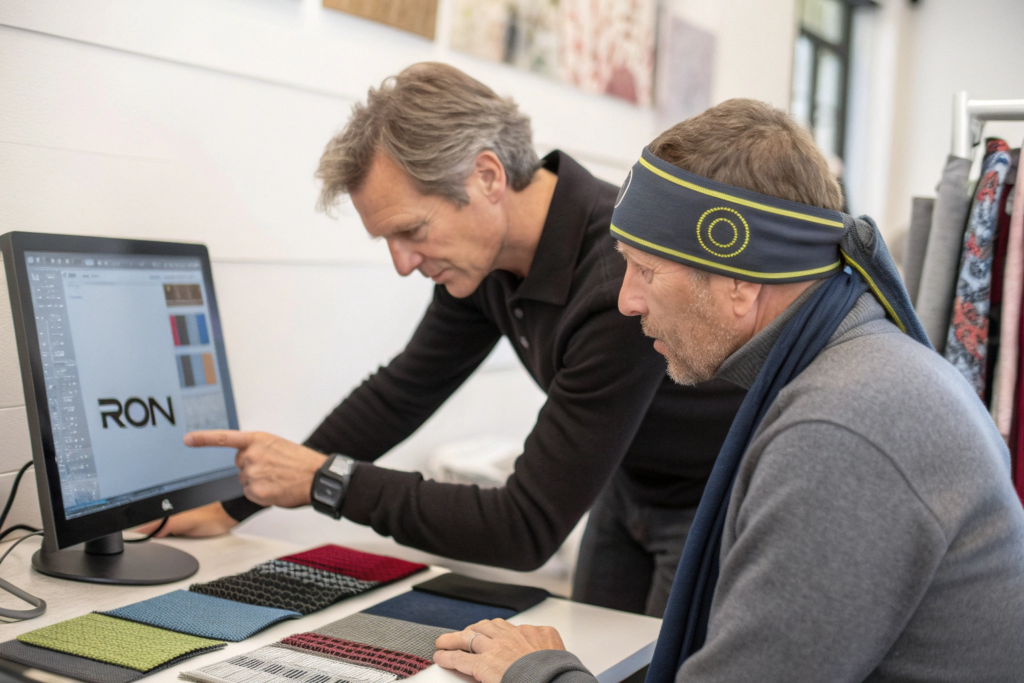
How do you select the right technical fabric?
Beyond being a synthetic blend, the fabric's weight, stretch, and texture are all customizable. Do you want a lightweight, barely-there feel for runners, or a slightly thicker, more insulating fabric for cold-weather hiking? We will present you with a curated selection of our best-performing base fabrics. We can also work with our textile mill partners to develop a completely custom fabric if your project requires it. This deep expertise in material sourcing is a key part of our value proposition. It's how we ensure the final product has the exact performance characteristics you need.
What branding techniques work on technical fabrics?
Applying a logo to a stretchy, DWR-treated fabric can be tricky. Traditional screen printing can crack or peel. We use more advanced techniques like high-stretch heat transfers, silicone printing, or reflective printing for enhanced visibility. A debossed or embossed logo can also provide a subtle, high-end look. We will prototype different methods on your chosen fabric so you can see and feel the results before making a final decision. This ensures your branding is as durable as the product itself.
How do you ensure a comfortable and secure fit?
A headband can have the best water-resistant fabric in the world, but if it's uncomfortable or slips off during activity, it's a failed product. Your customers will be unforgiving of a headband that causes pressure points, chafes their skin, or needs constant readjustment. These comfort and fit issues are often overlooked but are absolutely critical for a premium athletic accessory.
We ensure a superior fit by focusing on two key areas: ergonomic pattern design and advanced seam construction. We don't just cut a simple rectangle of fabric. Our patterns are contoured to follow the shape of the head, with more width over the forehead and a taper behind the ears. We then use flatlock stitching, which creates a seam that is completely flat, eliminating any potential for chafing or irritation.
As a manufacturer, I've learned that comfort is a feature you have to engineer. It comes from a thousand small decisions. It's the choice of thread, the type of stitch, the shape of the pattern. When we develop a new headband, we create multiple fit samples and test them on people with different head sizes and shapes. This obsession with comfort is what elevates a good product to a great one. It's a critical part of the user experience and a non-negotiable aspect of our quality control.
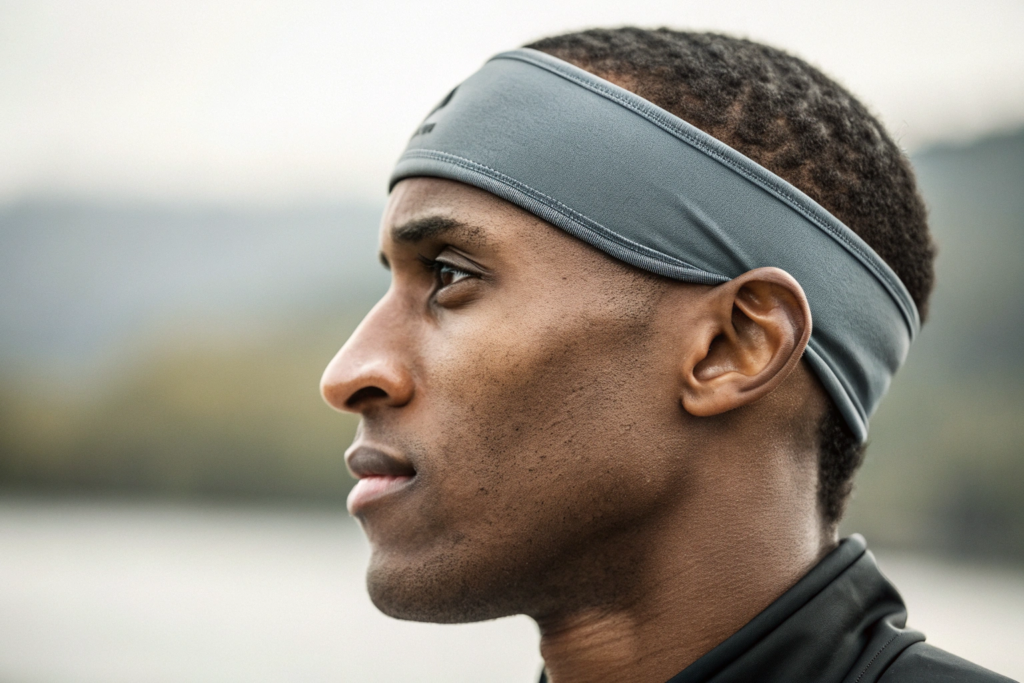
What is an ergonomic pattern?
An ergonomic pattern is one that is shaped to fit the human body. For a headband, this means it's not a uniform width all the way around. It might be wider at the front to provide more coverage and sweat absorption, and then taper to a narrower band at the back to reduce bulk at the nape of the neck. We can also add a slight contour over the ears. This anatomical shaping helps the headband stay in place without needing excessive tension, which is the primary cause of headaches. This approach is central to the field of ergonomics in design. It's a key principle in designing high-performance sports apparel.
Why is flatlock stitching important?
Traditional seams have fabric that is folded over, creating a raised ridge on the inside of the garment. On a snug-fitting item like a headband, this ridge can press into the skin, causing irritation and chafing, especially during repetitive motion like running. Flatlock stitching joins the fabric panels edge-to-edge without any overlap, resulting in a seam that is perfectly flat and incredibly strong. You can learn more about this technique from apparel production resources. It's a premium feature that makes a huge difference in comfort, and it's a standard part of our technical headband construction.
Conclusion
Sourcing a high-performance, water-resistant headband from China is not only possible, but it's also the best way to access the latest in technical fabrics and advanced manufacturing techniques. The key is to look beyond simple price comparisons and find a true manufacturing partner who understands the science of outdoor apparel. By focusing on hydrophobic fabrics with a durable DWR finish, verifying performance with standardized testing, and insisting on ergonomic design with comfort-focused construction, you can create a product that will thrive in the competitive outdoor market.
At Shanghai Fumao Clothing, we are passionate about creating technical accessories that perform. We combine our manufacturing expertise with a genuine love for the outdoors to help brands like yours develop products that your customers will trust and rely on. If you're ready to create a water-resistant headband that delivers on its promise, I invite you to start a conversation with our team. For technical consultations, samples, or a quote for your custom project, please contact our Business Director, Elaine, at elaine@fumaoclothing.com.