If you're building a fashion or accessories brand, you're always looking for products that customers come back to buy, again and again. You need items that create loyalty, drive predictable revenue, and turn one-time buyers into lifelong fans. In the world of retail, few categories match the powerful, built-in repeat purchase potential of hair accessories.
Hair accessories have exceptionally high repeat purchase potential because they combine consumable functionality, fast-paced fashion cycles, low individual price points, and high emotional engagement, creating multiple natural triggers for customers to return. This isn't just a happy accident; it's the result of a unique convergence of product characteristics and consumer psychology.
At Shanghai Fumao Clothing, we see this predictable cycle in the re-order patterns of our successful wholesale clients. Let's analyze the specific, tangible reasons why this category is a masterclass in customer retention and lifetime value.
Why Are Hair Accessories Naturally "Consumable" and Replenished?
The very nature of hair accessories as small, functional objects creates a built-in repurchase engine. Unlike a durable handbag or coat, they are subject to several predictable forces that necessitate replacement.
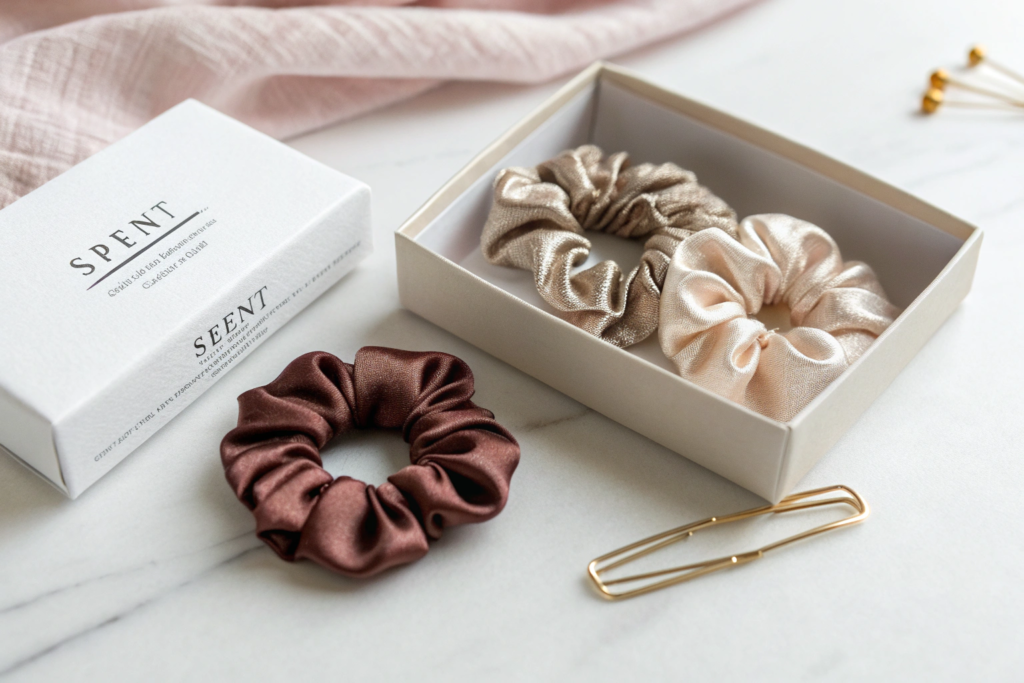
Firstly, they are easily lost or misplaced. A bobby pin, a small clip, or even a scrunchie can vanish effortlessly, creating an immediate need to replenish. This makes them almost "consumable." Secondly, they experience functional wear and tear. Elastic loses its stretch, metals can tarnish or break, and fabrics fade with washing and sun exposure. This natural degradation ensures that even a favorite item has a limited lifespan, prompting replacement. Finally, they are often purchased in multiples or sets. Buying a pack of hair ties or a set of assorted clips is common, and using up this "inventory" naturally leads to repurchasing. This functional cycle is a baseline guarantee of repeat business. For businesses, understanding this product lifecycle is key to inventory planning, as detailed in operations guides.
How Does the "Loss and Depletion" Factor Create a Business Advantage?
From a business perspective, the fact that accessories get lost or wear out is a strength, not a weakness. It transforms them from one-time purchases into replenishment items. Smart brands capitalize on this by offering subscription models (e.g., "Scrunchie of the Month Club") or by making reordering effortless through features like "Buy Again" buttons on their websites or Amazon storefronts. It creates a predictable, low-friction repurchase pattern where the customer isn't making a new decision—they are simply restocking a necessity.
Why Is Selling in Multi-Packs a Smart Long-Term Strategy?
Selling in sets is a brilliant strategy for seeding future repeat purchases. When a customer buys a 5-pack of claw clips in different colors, they are introduced to multiple styles at once. As they integrate each piece into their wardrobe, they identify favorites and understand the product's quality. When one breaks or they desire more of a specific color, they already know which brand to return to. The initial multi-pack purchase essentially pre-sells several future individual replacements or additional color expansions.
How Do Fast Fashion Cycles and Trends Drive Constant New Purchases?
Beyond pure function, the relentless pace of fashion supercharges repeat purchases. Hair accessories are deeply tied to self-expression and the constant churn of trends, creating a perpetual "need" for the new.
Social media platforms like Instagram, TikTok, and Pinterest act as 24/7 trend engines. A new style (e.g., pearl clips, velvet scrunchies, oversized bows) can become ubiquitous overnight, creating a powerful "FOMO" (fear of missing out) drive. Customers don't just buy one of a trending item; they often buy several to match different outfits, multiplying the sales volume from a single trend. Furthermore, hair accessories are a low-risk, high-reward way to experiment with style. For a small amount of money, a customer can completely change their look, making it easy to justify frequent purchases aligned with the latest micro-trends. This taps into the broader psychological drivers in fashion retail, where novelty and social currency are key.
What Role Do "Collections" and Seasonal Launches Play?
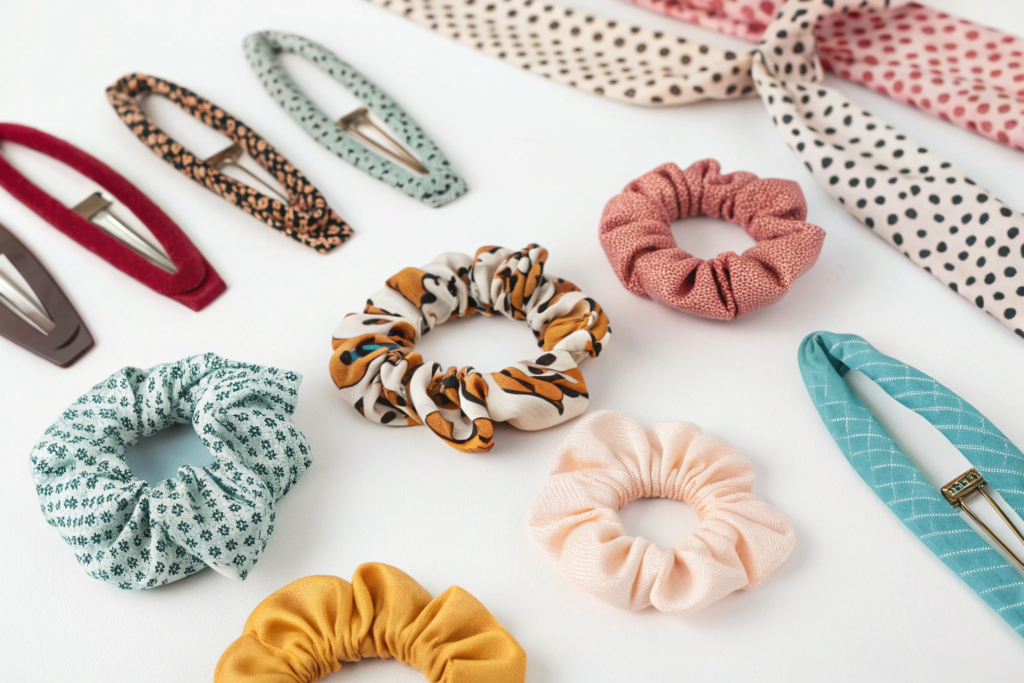
Many customers don't just buy a hair accessory; they start a collection. They may seek out every color in a particular line of silk scarves or every design from a favored artist. This collector mentality is powerfully activated in accessories due to their low price point and high visual appeal. Releasing seasonal color palettes (e.g., Spring Pastels, Fall Jewels) or limited-edition designs directly taps into this, encouraging completists to return repeatedly to acquire new pieces and "complete the set."
How Do Trend Cycles Shorten the Repurchase Timeline?
The speed of trends today, especially fueled by social media, has drastically shortened the fashion lifecycle. A style can peak and fade within a single season. This rapid turnover means that even if a hair accessory is physically intact, it can become stylistically "obsolete" in the eyes of the trend-conscious consumer. This psychological obsolescence is a powerful driver for acquiring the next new thing, creating a repurchase cycle that is often faster than the product's physical decay.
How Does Low Price and High Emotional Value Encourage Impulse Buys?
The economic and emotional profile of hair accessories makes the decision to repurchase incredibly easy. They sit at a perfect sweet spot that minimizes buyer hesitation and maximizes emotional reward.
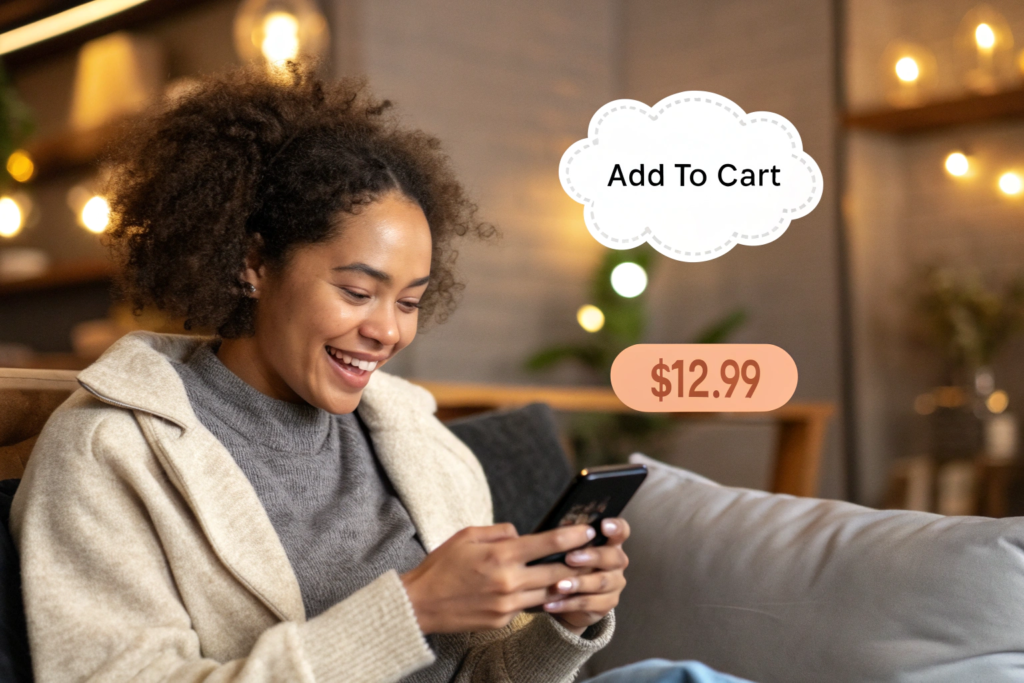
The low individual price point removes a major barrier to purchase. Spending $5-$20 on a new clip feels like a small, justifiable indulgence compared to a $200 dress. This facilitates impulse purchases, especially when paired with compelling visuals online. More importantly, they deliver high perceived emotional value. A new hair accessory can boost confidence, express creativity, or signify participation in a trend, offering a significant mood lift for a small investment—a classic example of the "lipstick effect" in behavioral economics. This combination makes the "add to cart" decision almost frictionless.
Why is the "Affordable Luxury" Segment So Powerful?
Hair accessories perfectly occupy the "affordable luxury" space. They allow consumers to experience the joy of a new purchase, the thrill of a trend, and the touch of luxury materials (like silk or pearls) without a major financial commitment. This accessibility means customers can treat themselves frequently, turning what might be an occasional splurge in other categories into a regular habit. This segment's growth is often analyzed in consumer behavior studies and retail market reports.
How Does Gifting Contribute to Repeat Business?
Hair accessories are popular, low-stakes gifts. A customer who receives one as a gift and loves it is likely to return to the same brand to buy another style for themselves or to gift to a friend. This creates a virtuous cycle: a first purchase (or gift) introduces the brand, and a positive experience drives a second, third, and fourth purchase. Gift-giving effectively acquires new customers at a very low cost and often at full price.
What Retail and Marketing Strategies Can Amplify Repeat Rates?
Understanding the inherent drivers is one thing; actively leveraging them through strategy is what separates good brands from great ones. Proactive retail tactics can significantly amplify natural repurchase behavior.
Key strategies include creating a loyalty program that rewards repeat purchases with points, early access, or exclusive products. Implementing a subscription model for basics like hair ties or seasonal trend boxes automates the repurchase cycle. Furthermore, exceptional post-purchase communication is critical. Sending engaging follow-up emails with styling tips, new arrivals, or "we miss you" offers keeps your brand top-of-mind. Utilizing a Customer Relationship Management (CRM) platform can automate and personalize this communication, turning satisfied buyers into loyal advocates. For insights into building such programs, resources from the National Retail Federation on customer loyalty are valuable.
How Can Data-Driven Personalization Trigger Returns?
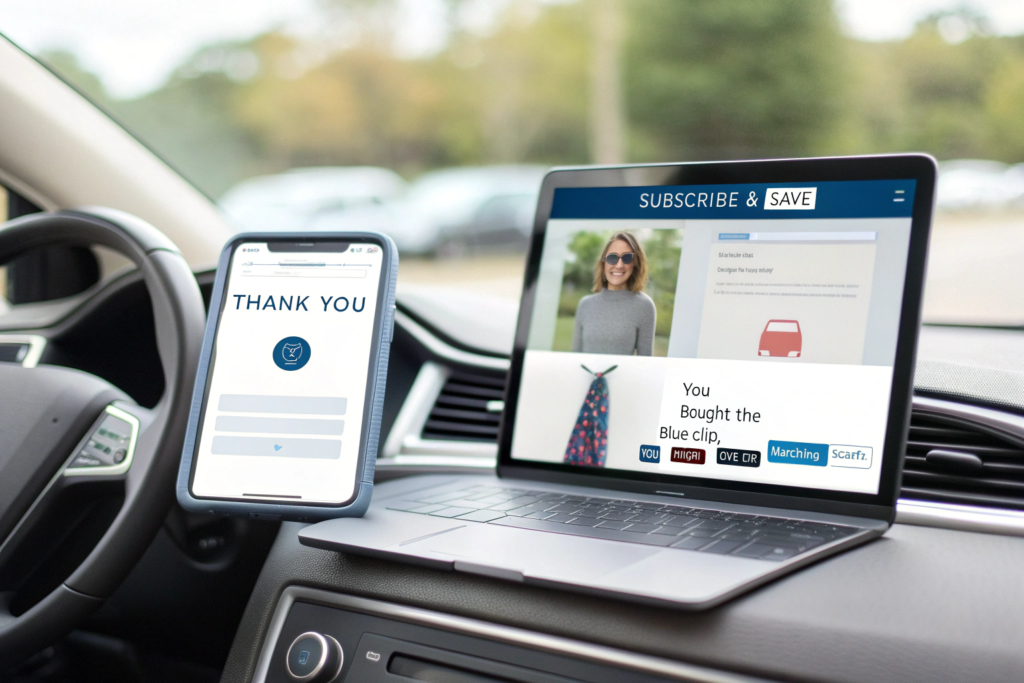
Leverage purchase data to make intelligent recommendations. If a customer buys a gold hair vine, follow-up emails can showcase matching earrings or a new gold bobby pin set. Personalized product recommendations (on-site and via email) remind customers of items they are likely to want, reducing search friction. Announcing "back in stock" alerts for items a customer viewed but didn't buy can recover potential lost sales. This approach is central to modern e-commerce conversion optimization.
Why is Building a Community the Ultimate Retention Tool?
Building a community around your brand transforms transactions into relationships. Encourage customers to share photos of their styles using a branded hashtag. Feature this user-generated content (UGC) on your website and social media. Host live styling sessions. When customers feel they are part of a community, their loyalty transcends price. They return to participate, to belong, and to support a brand they feel connected to. This emotional loyalty is the most powerful repeat driver. Success stories of this approach are often featured in analyses of direct-to-consumer (DTC) brand strategies.
Conclusion
The high repeat purchase potential of hair accessories is a formidable structural advantage. It is driven by the unavoidable cycle of loss and wear, supercharged by the relentless engine of fashion trends and personal expression, expertly amplified by low-price impulse, and can be maximized through smart strategies focused on loyalty and community.
For wholesalers, retailers, and brands, this means you are dealing with a category that naturally fosters customer loyalty and generates predictable, recurring revenue. The opportunity lies not just in acquiring a customer, but in nurturing them through a lifecycle that welcomes—and even expects—their return.
Ready to build a hair accessory line that customers come back to again and again? Partner with a manufacturer that enables agility for trends and delivers quality that builds trust. Contact us to discuss how we can support your brand with the consistent quality and flexible production needed to cultivate repeat business. Reach out to our Business Director, Elaine, at elaine@fumaoclothing.com to start the conversation. Let Shanghai Fumao Clothing help you create products worth coming back for.