
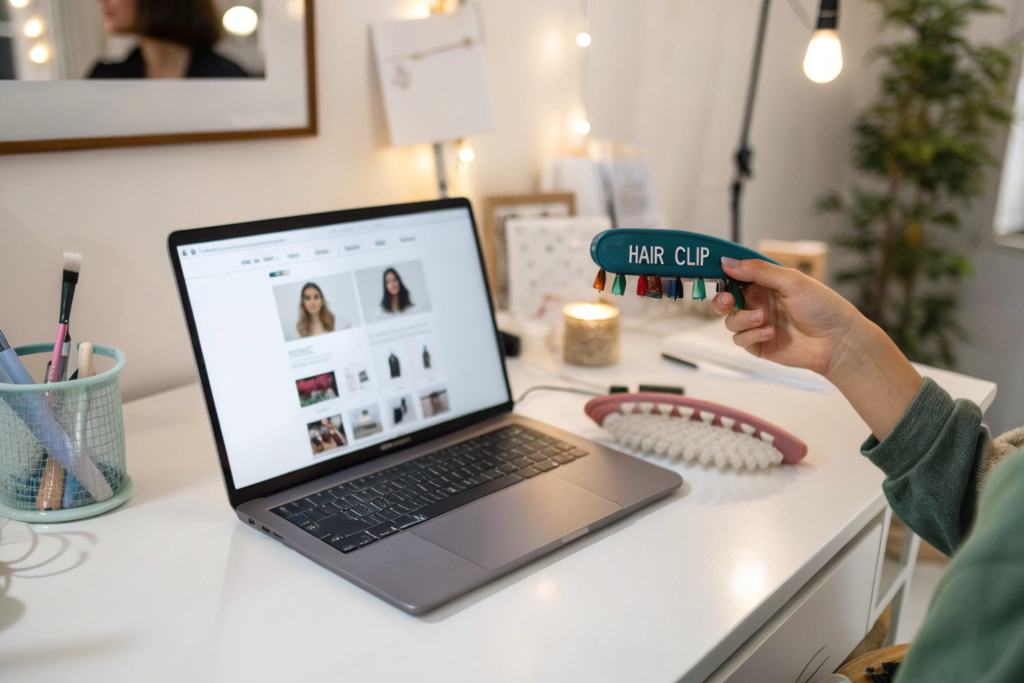
If you’re looking to expand your hair accessory business beyond standard wholesale, offering custom design services online is a powerful way to increase margins, build brand loyalty, and stand out in a crowded market. Customers are actively seeking unique, personalized products, and many are willing to pay a premium and wait longer for them.
Successfully providing "custom design" services online requires a strategic blend of the right e-commerce tools, a streamlined customer journey, and a backend operation capable of flexible, small-batch production. This transforms your business from a simple seller into a collaborative brand that co-creates with its customers.
As a manufacturer at Shanghai Fumao Clothing, we have partnered with many brands to make this transition. Here is a practical roadmap to launch and scale your online custom design service effectively.
What Technical Tools Do You Need on Your Website?
The foundation of your online custom service is the digital interface where customers create their designs. You don't need complex coding; today's e-commerce platforms and apps make this highly accessible.
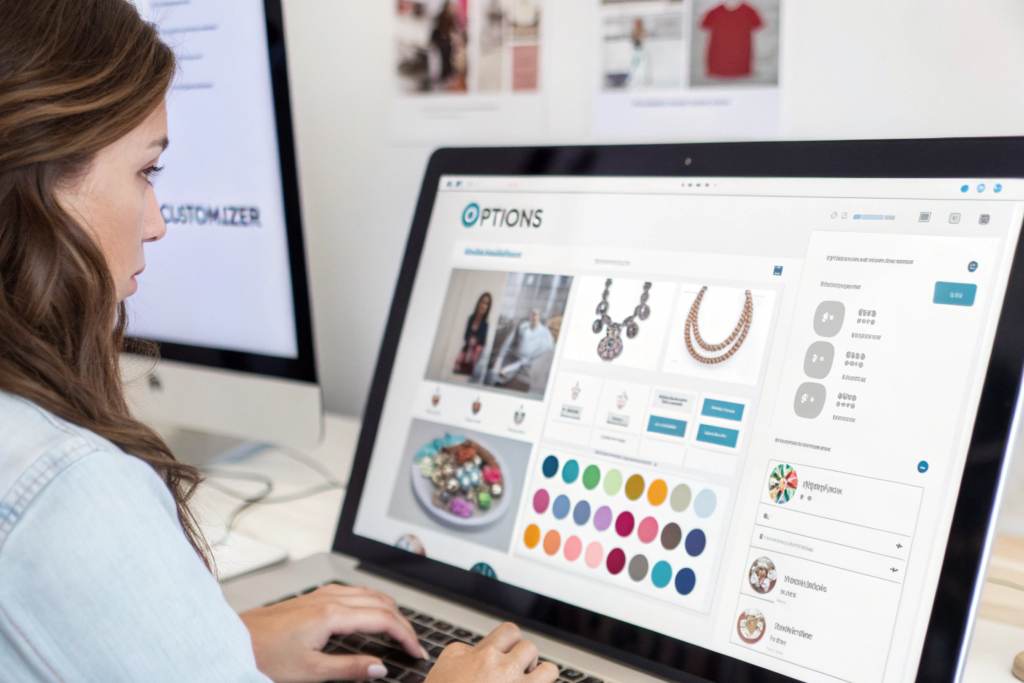
For a robust and scalable solution, using a dedicated SaaS (Software-as-a-Service) e-commerce platform like Shopify or Ueeshop is highly recommended, especially for small to medium-sized businesses. These platforms allow you to build a professional site without coding and offer extensive app markets. To add customization functionality, you will need to integrate specialized product customization apps. Popular apps like Customily or Product Options & Customizer allow customers to input text, choose colors/materials, and even upload images or logos directly on the product page, often with a real-time visual preview. For more advanced layouts, page builders like GemPages offer drag-and-drop elements specifically for creating custom fields and file upload zones.
How to Structure the Customization Options for Clarity?
The key is to guide, not overwhelm, the customer. Structure your options logically:
- Core Variants: Use the platform’s built-in variant system for foundational choices like base accessory type (e.g., claw clip, headband), size, and primary material (e.g., acetate, metal).
- Personalization Layers: Use the customization app to add layers like:
- Text Fields: For names, dates, or short messages.
- Color/Material Swatches: For decorative elements.
- File Upload: A dedicated button for customers to upload their logo, pattern, or design artwork.
- Conditional Logic: Use app features to show or hide options based on previous choices (e.g., only show "engraving font" options if "engraving" is selected).
Always provide clear instructions, example images, and visual previews to ensure the customer knows exactly what they are designing.
What Are the Critical Website Pages to Build?
Your custom service needs supporting content to build trust. Beyond a stunning homepage, focus on:
- A Detailed "How It Works" Page: Visually explain the 3-4 step process from design to delivery.
- Strong "About Us" & "Brand Story" Pages: Customization is personal; customers buy into the maker's story. Highlight your craftsmanship and mission.
- Comprehensive FAQ Page: Clearly address lead times, revision policies, shipping for custom items, and return/refund policies for personalized goods (which are often non-returnable).
How to Manage the Workflow from Order to Fulfillment?
A smooth technical front-end is useless without an efficient back-end workflow to accurately produce and deliver the custom design. This operational backbone is crucial for customer satisfaction.
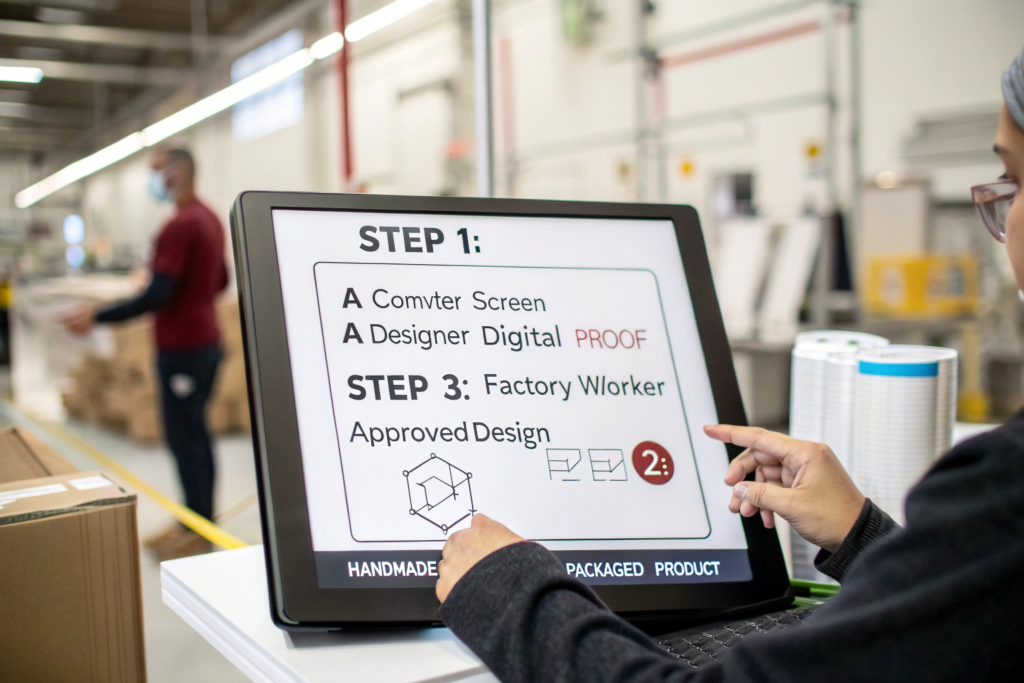
Establish a clear and automated handoff from the website to your production team. Most customization apps will append the customer's specific choices to the order in the admin dashboard, either in the line item details or as notes. You must establish a standard operating procedure (SOP) for your team to interpret these details. Always start with a confirmed design proof. Before moving to production, send a visual proof (an image or digital mock-up) to the customer for final approval via email. This step prevents costly mistakes. Furthermore, integrating tools like Stripe can streamline payment processing and order tracking for these unique transactions.
How Should You Handle Production and Quality Control?
For true custom work, your manufacturing partner must support low minimum order quantities (MOQs) and flexible, modular production. This is often called C2M (Customer-to-Manufacturer) or flexible supply chain model.
- Modular Design: Work with your manufacturer to design a base array of components (clips, bands, ornaments) that can be assembled in various ways.
- Digital Integration: The ideal state is where approved design specs can be digitally sent directly to the production floor.
- Dedicated QC for Custom Orders: Implement a double-check system where the final product is compared against the customer-approved proof before packaging. Quality and accuracy are paramount for custom goods.
What Logistics and Policies Are Unique to Custom Goods?
Custom items have different rules. Your policies must be transparent:
- Production Time & Shipping: Clearly state a "processing time" (e.g., 7-10 business days) separate from standard shipping time.
- Returns & Refunds: Clearly state that personalized items are final sale and non-returnable unless defective. Your product description and checkout page should reinforce this policy.
- Packaging: Unboxing is part of the experience. Use packaging that reinforces the "custom-made" value—think branded boxes, tissue paper, and a thank-you note.
How to Market and Sell Your Custom Design Service?
You can't rely on passive sales. Custom services require active demonstration and trust-building. Your marketing should educate, inspire, and showcase the possibilities.
Content is your most powerful tool. Create abundant visual content that demonstrates the value of customization. This includes:
- Video Tutorials: Short videos showing the online design tool in use.
- Inspiration Galleries: Showcasing past customer creations (with permission) or designer mock-ups.
- Before-and-After Stories: Showing how personalization transforms a standard item.
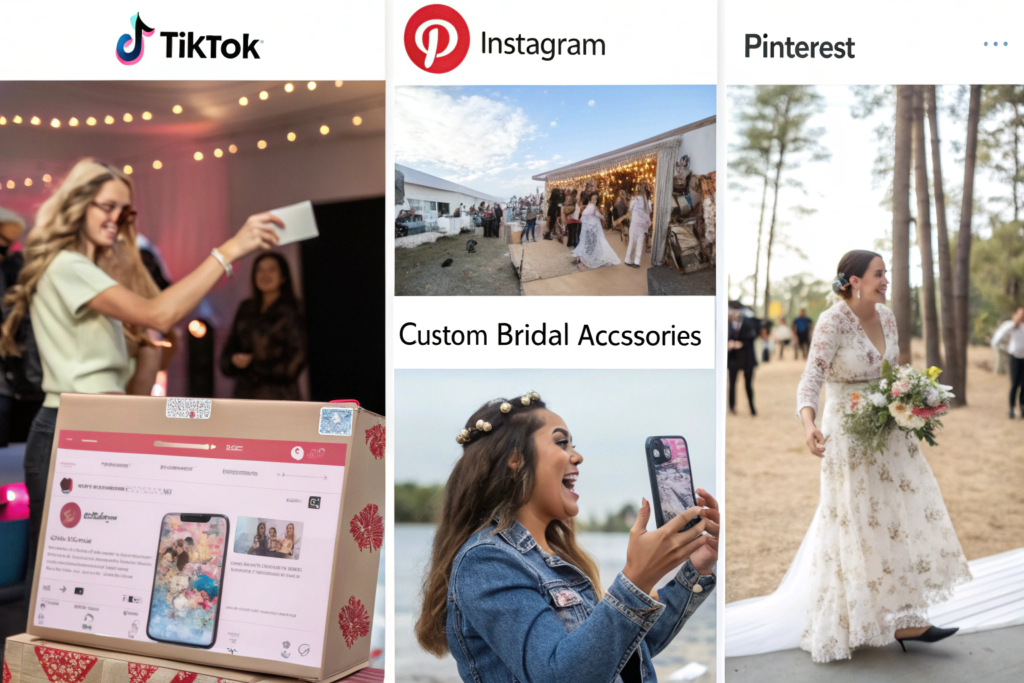
- Social Media Integration: Feature this content prominently on platforms like Instagram, TikTok, and Pinterest, where visual inspiration drives demand. As seen in the success of brands like OQ Hair, leveraging platforms like TikTok Shop to demonstrate the unique features of a customizable product can generate tremendous direct demand.
How to Price Your Custom Services for Profit?
Pricing must account for the extra labor, lower production scale, and perceived value.
- Cost-Plus Model: Calculate the base product cost, plus a markup for the additional labor (design management, proofing), plus any special material costs.
- Value-Based Pricing: This is key. Customers pay for uniqueness. Consider a base price + add-on fees structure (e.g., $15 for a standard clip + $5 for engraving + $8 for a custom color). Highlight that they are creating a one-of-a-kind item.
- Market Testing: Start with a "soft launch" or pre-order period to test price points with a small audience before a full-scale rollout.
Can You Leverage Customer Feedback for Improvement?
Absolutely. Treat the custom service as a direct line to your most engaged customers. Actively solicit feedback on the design process and final product. This feedback is invaluable for:
- Improving the User Experience: Is the design tool confusing? Which options are most popular?
- Driving New Product Development: Popular custom combinations can inspire new standard products. As the case of OQ Hair shows, direct user feedback from platforms like TikTok can lead to pivotal product improvements and innovations.
- Creating Testimonials: With permission, feature customer stories and photos, which serve as the best marketing for future clients.
Can a Niche Like Custom Hair Accessories Really Compete in Today’s Saturated E-Commerce Market?
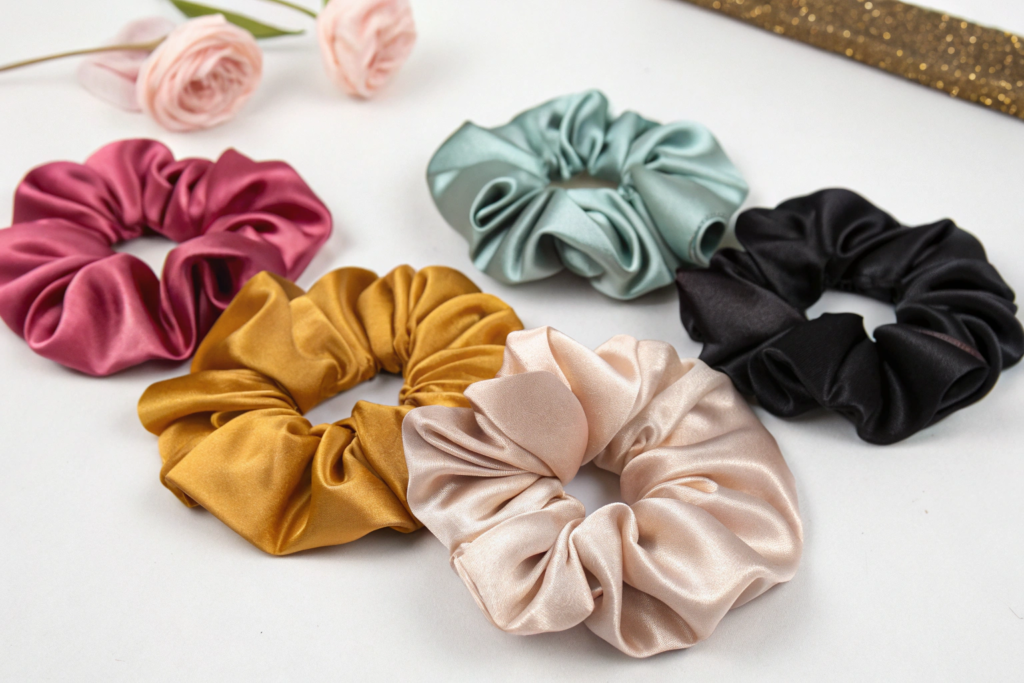
These mainstream options, with their garish colors that clash with natural hair tones, flimsy clasps that snap after minimal use, and one-size-fits-all approach that often feel loose or uncomfortable, prioritize quantity over quality, leaving little room for individuality or durability.
In contrast, niche hair accessories are crafted with intention: perhaps using sustainably sourced wood, hand-stamped metal with intricate patterns that tell stories of cultural heritage or personal artistry, or delicate silk ribbons dyed in soft, muted hues that complement a range of skin tones. Each piece is designed to be worn as a statement, not just a functional item—featuring unique textures like the smooth grain of olive wood, the cool sheen of hammered brass, or the gentle drape of organic cotton.
What’s the Smartest Way to Source Customizable Products Without Getting Stuck with Dead Stock?
The key is on-demand manufacturing + agile supplier partnerships. Avoid bulk orders until you’ve validated demand. On-demand manufacturing leverages advanced production technologies such as 3D printing, modular assembly lines, and just-in-time (JIT) production systems to create products only when specific customer orders are confirmed, minimizing inventory holding costs and reducing waste from unsold goods.
This approach allows businesses to respond swiftly to market fluctuations, seasonal trends, and individual customer preferences, ensuring that resources are allocated efficiently and products remain fresh and relevant.
What’s the Most Scalable Way to Launch Without Inventory or Design Skills?
The most scalable approach to launching a business without inventory or design skills lies in leveraging digital products, white-label solutions, and dropshipping models that minimize upfront investment and operational complexity. Digital products such as e-books, online courses, printables, or software tools eliminate the need for physical inventory entirely, as they can be created once and sold infinitely with minimal marginal cost.
Conclusion
Building an online custom hair accessory service is a strategic move that elevates your brand, deepens customer relationships, and unlocks higher profitability. The journey integrates three core pillars: a user-friendly digital design interface powered by the right tools, a robust and error-proof operational workflow to translate designs into beautiful products, and a marketing strategy that inspires and demonstrates the unique value of personalization.
The transition from a standard wholesaler to a collaborative custom brand is significant, but the rewards in customer loyalty and margin growth are substantial. It allows you to move beyond competing solely on price and instead compete on creativity, connection, and exclusive value.
Ready to empower your customers to co-create? Partner with a manufacturer that understands flexible production and supports your custom vision. Contact us to discuss how we can help you set up the backend production for your custom hair accessory line. Reach out to our Business Director, Elaine, at elaine@fumaoclothing.com to explore a tailored manufacturing partnership. Let SShanghai Fumao Clothing be the reliable production foundation that brings your customers' unique designs to life.