

If you're sourcing fashion products, you're always looking for categories that offer the best return on investment. You need items that sell fast, have broad appeal, and, most importantly, leave a healthy profit margin after all costs. In the competitive world of fashion, one category consistently outperforms others in profitability: hair accessories.
Hair accessories are arguably the highest-margin category in fashion due to their uniquely low production costs, high retail markups, frequent purchase cycles, and powerful trend-driven demand, which together create an exceptional profit formula for retailers and brands. This combination is hard to find in other apparel or accessory segments.
As a manufacturer at Shanghai Fumao Clothing, we see this dynamic firsthand through our global clients' success stories. Let's break down the concrete reasons why this "small" category delivers such "large" profits.
What is the Typical Markup on Wholesale Hair Accessories?
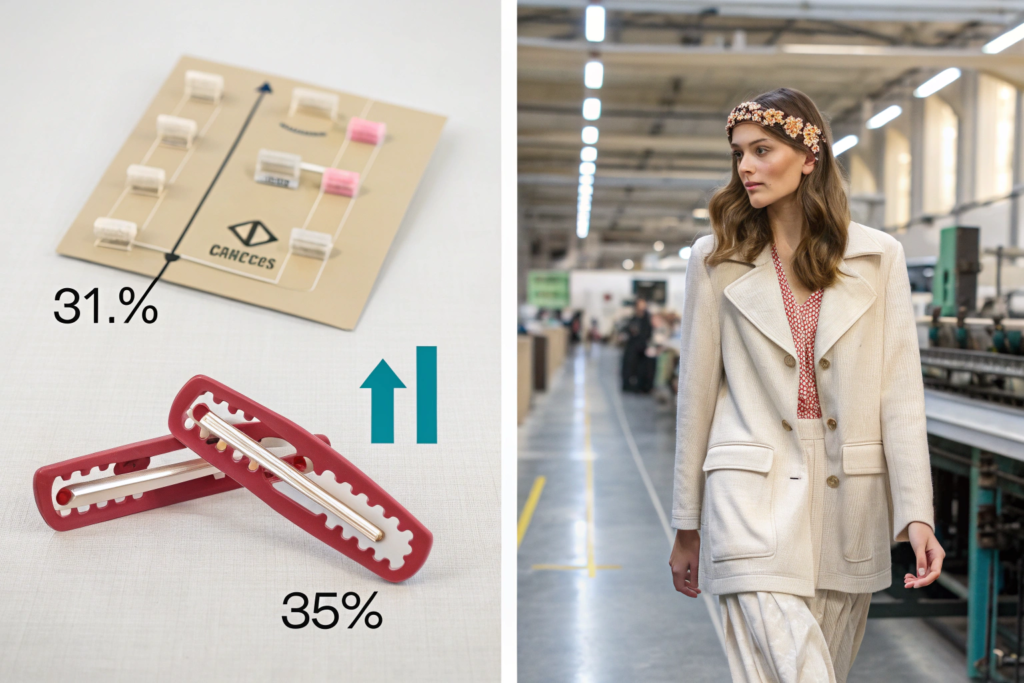
The foundation of high margins lies in the significant gap between manufacturing cost and final retail price. For hair accessories, this gap is exceptionally wide. The journey of a single hair clip from a factory floor to a customer's hair is a masterclass in value addition.
Consider this common scenario: a basic but stylish plastic claw clip might have a manufacturing cost of a few cents to under a dollar when produced at scale in a region like China. When sold in bulk to a retailer or e-commerce seller, the wholesale price might range from $1 to $3. However, once that same clip reaches a consumer in Europe or North America—branded, packaged, and marketed as a trendy must-have—it can easily retail for $10 to $25. In some cases, designer or artisanal brands can command prices upwards of $200 for specialized pieces. This represents a markup of 500% to 1000% or more from the wholesale cost. For more on how businesses build value around products, the U.S. Small Business Administration offers guidance on pricing strategies. Furthermore, analyzing retail market trends through industry reports can provide deeper context for these pricing models.
How Do Low Production Costs Drive High Margins?
The core materials for most hair accessories—plastic, metal alloys, fabric scraps, and elastic—are inherently inexpensive. Advanced manufacturing and economies of scale, especially in specialized hubs, drive these costs even lower. This low Cost of Goods Sold (COGS) is the first critical pillar of high margins. It means that even at a low retail price, the percentage profit can be substantial. For a retailer, this allows for aggressive pricing strategies, frequent discounts to drive sales volume, and still maintaining a healthy bottom line. The financial efficiency is highlighted in reports on the global hair accessories market, which detail production and material trends.
Why Can Retail Prices Be Set So High Compared to Cost?
The high retail price is justified by perceived value, not just material cost. Hair accessories have transformed from utilitarian items into key fashion and self-expression statements. Brands invest in design, storytelling, and marketing—often through social media—to associate a simple clip with identity, trendiness, or hair wellness (like satin for hair health). This emotional and stylistic value allows retailers to price accessories similarly to higher-COGS items like jewelry. Consumers are not buying just a piece of plastic; they are buying a curated look, a trend, or a solution, which commands a premium.
How Do Consumer Buying Habits Maximize Profits?
Profit isn't just about margin per item; it's about velocity and repeat sales. Hair accessories excel here due to consumer behavior that turns them into a recurring revenue stream.
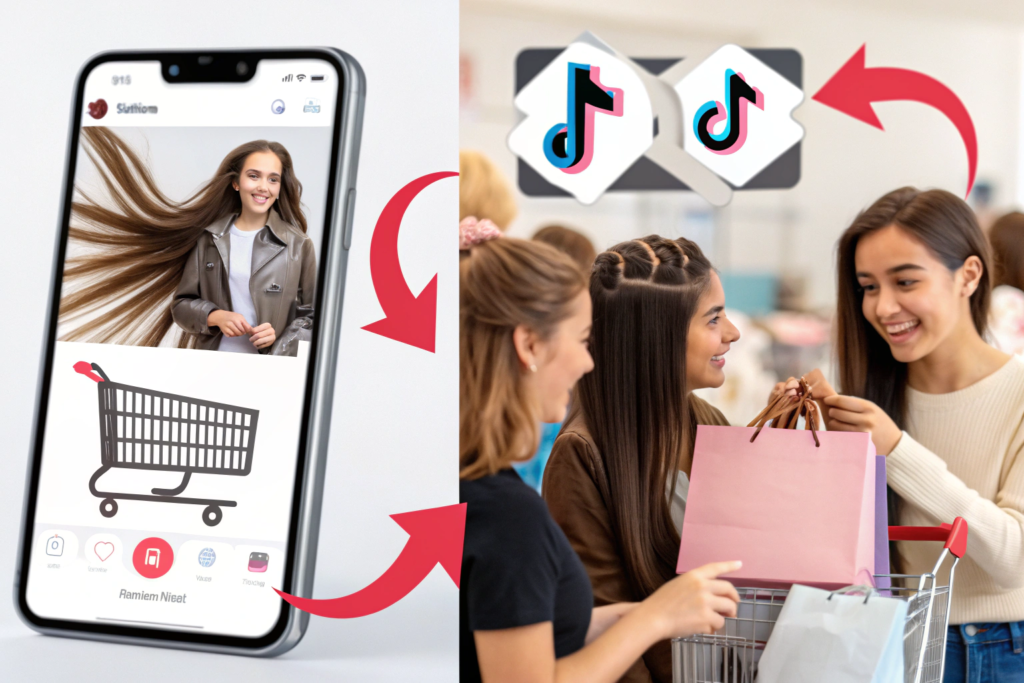
Firstly, they are high-frequency, low-commitment purchases. Unlike a costly handbag or coat, buying a new hair clip or scrunchie is an easy, affordable way to refresh an outfit. This leads to impulse buys and high repurchase rates. Secondly, they are highly trend-sensitive. The rapid cycle of trends on platforms like TikTok can make a specific style (like banana clips or pearl pins) sell out overnight, creating waves of urgent demand. Finally, they have a broad and diverse target audience, spanning children, teens, and adults across demographics, each with their own style preferences. To understand how these buying habits translate in digital commerce, insights from Practical Ecommerce on consumer behavior are valuable. The National Retail Federation also provides analysis on trend cycles and how they impact inventory and sales.
What Role Does Social Media Play in Driving Demand?
Social media is the ultimate accelerant. A single post by an influencer or a viral styling tutorial can create global demand for a specific accessory in a matter of days. This "flash trend" phenomenon allows retailers and brands to sell large volumes at full price very quickly before the trend fades. It also creates a continuous need for newness, as consumers constantly seek the next "it" item to showcase. This environment is perfect for businesses with agile supply chains that can quickly produce and ship trending designs.
Are Hair Accessories Recession-Resistant?
Evidence suggests they hold up well during economic downturns. When consumers cut back on major fashion expenditures, they often indulge in small, affordable luxuries to maintain a sense of style and novelty—a phenomenon known as the "lipstick effect." A $15 hair accessory provides a significant emotional and stylistic boost for a relatively small outlay, making the category resilient. This stability is attractive for businesses looking for reliable revenue streams.
What Operational Factors Boost Net Profitability?
Beyond the front-end economics, several back-end operational factors make the hair accessory business particularly efficient and profitable for sellers.
Key advantages include low logistics costs due to small size and light weight, which reduces shipping and storage expenses. They also have minimal seasonality compared to clothing; while certain styles may peak, the core need to tie hair back exists year-round. Furthermore, inventory risk is lower. The low cost per item means holding stock is less capital-intensive, and the wide variety allows for small batch testing of new designs. For insights into optimizing such a retail operation, Forbes features case studies on inventory management. Additionally, understanding global trade logistics is crucial, as outlined by resources from the International Trade Centre (https://intracen.org/).
How Does Efficient Inventory Management Contribute?
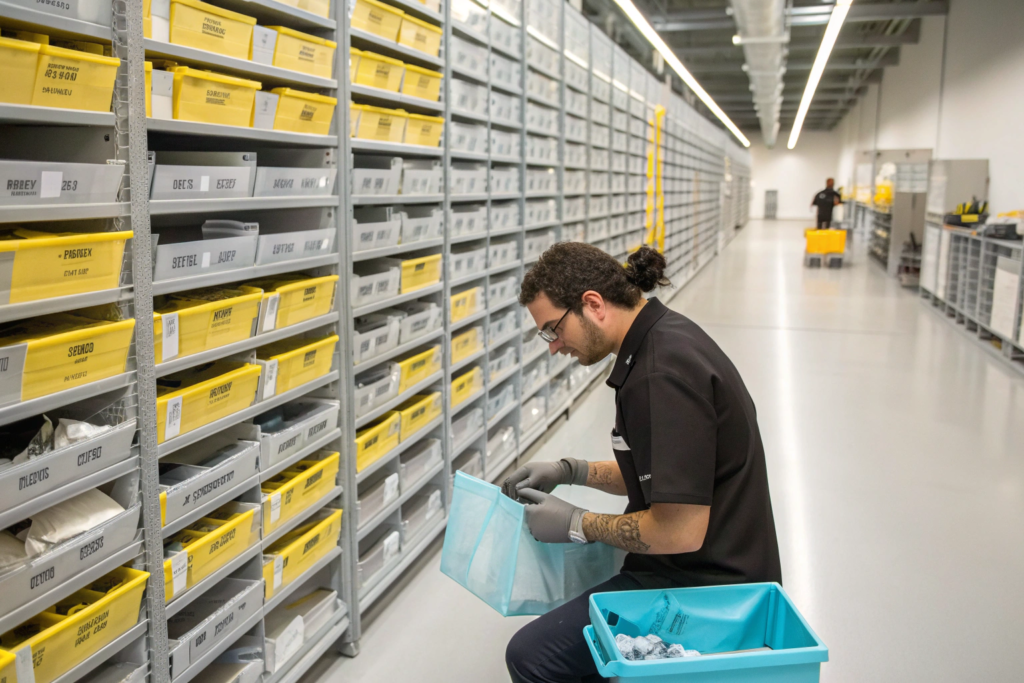
Due to their size, a retailer can hold a vast and diverse SKU (stock-keeping unit) count in a very small physical space. This allows for catering to multiple niche trends simultaneously without major storage overhead. A smart inventory mix of timeless basics (like plain bobby pins) and fast-moving trendy items ensures consistent cash flow and minimizes dead stock. The ability to test new designs with low minimum order quantities (MOQs) is a key advantage offered by flexible manufacturers like Shanghai Fumao Clothing.
Why are Dropshipping and E-commerce So Effective for This Category?
Hair accessories are a quintessential e-commerce and dropshipping success story. Their visual appeal works perfectly online, they are easy and cheap to ship directly to consumers, and they have a high perceived value relative to their shipping cost. This model allows entrepreneurs to enter the market with minimal upfront investment in inventory, focusing instead on marketing and customer acquisition, thereby further magnifying net profitability.
How Can Brands and Retailers Maximize Their Margin Potential?
To fully capitalize on this high-margin category, strategic moves can elevate a business from simply selling accessories to building a profitable brand.
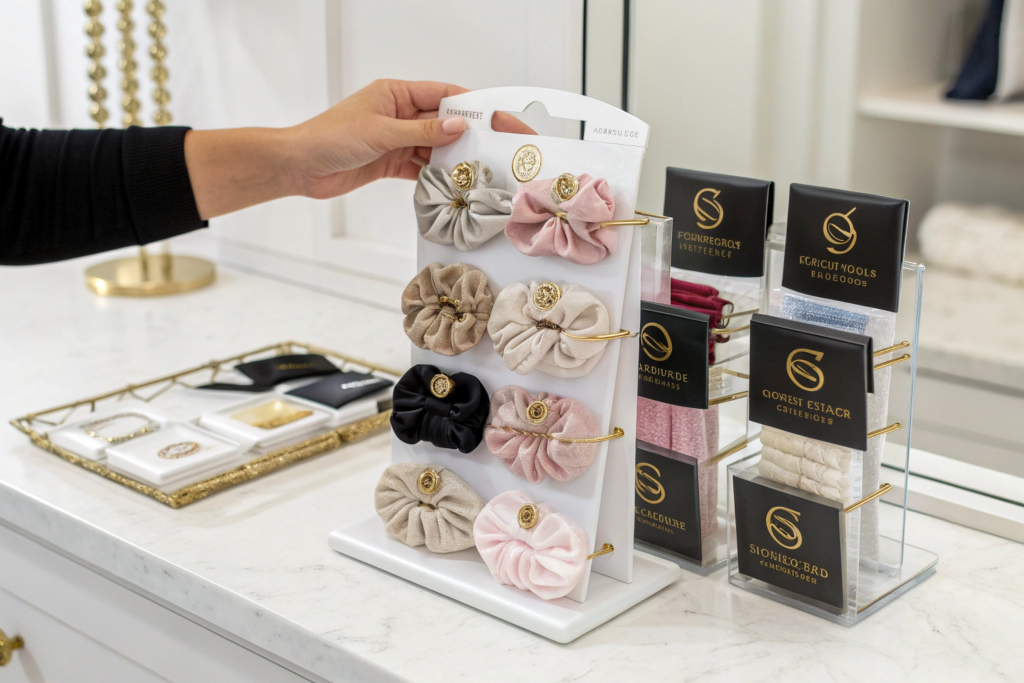
The most powerful strategy is branding and premiumization. By developing a distinct brand identity—focusing on quality materials like acetate, sustainable practices, or exclusive designs—retailers can move away from competing solely on price. A branded satin scrunchie can sell for multiples of an unbranded one. Another key is bundling and kits, such as selling curated sets of clips or "haircare day" kits, which increases the average order value. Finally, leveraging custom and OEM manufacturing to create unique products prevents direct price comparison and builds customer loyalty. For a deeper dive into brand building, the Business of Fashion (https://www.businessoffashion.com/) offers industry analysis. Stripe's guides on starting a beauty business also provide a practical framework for entrepreneurs.
What is the Impact of Offering Custom and Private Label Products?
Private label turns a generic product into an exclusive asset. When you work with a manufacturer to produce your own design or apply your logo, you eliminate direct competitors selling the identical item. This control allows you to set your own pricing, build brand recognition, and cultivate a loyal customer base that seeks out your specific style. For retailers, this is the ultimate margin protector and growth driver.
How Does Targeting Niche Markets Increase Profitability?
While the mass market is competitive, targeting specific niches can yield even higher margins. Examples include creating accessories for hair wellness (satin-lined, non-damaging), special occasions (bridal, proms), or specific hair types and textures. Serving these focused audiences often means customers are less price-sensitive and more value-driven, allowing for stronger positioning and better profits. Partnering with a manufacturer that understands these nuances, like Shanghai Fumao Clothing, is essential to successfully serve these segments.
Conclusion
The high profitability of hair accessories is no accident. It is the result of a powerful convergence of factors: minimal material costs, substantial retail markups driven by emotional value, consumer habits that encourage frequent and impulse purchases, and operational efficiencies that keep overhead low. This category offers a rare blend of high demand, rapid turnover, and exceptional margin potential.
For wholesalers, retailers, and entrepreneurs, understanding this profit equation is key to building a successful fashion business. The opportunity lies not just in selling accessories, but in leveraging branding, smart sourcing, and trend agility to maximize the inherent advantages of this dynamic category.
Ready to build your high-margin hair accessory collection with a partner who understands this profitable ecosystem? Contact us to discuss how our OEM, custom design, and reliable manufacturing services can help you capture this opportunity. Reach out to our Business Director, Elaine, at elaine@fumaoclothing.com for a consultation and quote. Let Shanghai Fumao Clothing be the foundation of your profitable fashion venture.