
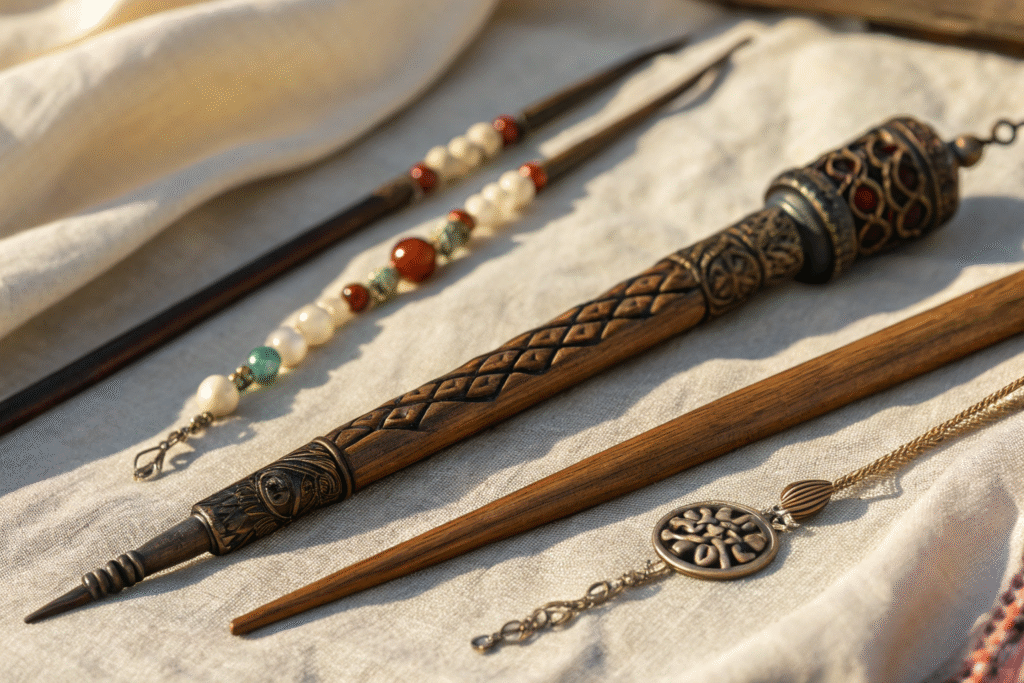
The market is full of generic hair accessories, but sourcing a collection that respects and embodies true cultural authenticity is a significant challenge. This gap represents a major opportunity for discerning businesses.
Authentic hair stick collections are best sourced through direct partnerships with artisans and community-based cooperatives from the cultures of origin, or by working with specialized manufacturers who prioritize ethical collaboration and traditional techniques over mass production. This approach ensures cultural integrity, supports source communities, and offers unique products that stand out in the market.
For wholesalers and retailers targeting a conscious clientele, moving beyond generic suppliers to these authentic sources is not just ethical—it's a powerful business strategy. Let's explore the practical pathways to building a culturally respectful and compelling hair stick collection.
Why is Sourcing Truly Authentic Hair Sticks a Challenge?
The core challenge in sourcing authentic hair sticks lies in the fundamental difference between cultural appreciation and appropriation. Mass-market manufacturers often replicate the aesthetic—like Native American carved wooden sticks or ornate Asian hair pins—without engaging with the cultural significance, stories, or the communities behind them. This results in products that are hollow and can be offensive.
True authenticity is rooted in provenance and process. It connects the object back to its specific cultural and geographical origin. It also respects the traditional materials and methods, whether it's hand-carved wood, painted bamboo, or the inclusion of sacred medicines. For a business, the goal is to establish a supply chain that honors these elements, which requires moving beyond conventional wholesale platforms.
How Can You Distinguish Cultural Inspiration from Appropriation?
This is the most critical question for any buyer. The line is crossed when a product copies sacred or culturally specific designs for purely commercial gain, divorcing them from their original meaning and context. Ethical sourcing involves due diligence: researching the symbol's meaning, ensuring designs are used with permission, and ideally, ensuring benefits flow back to the source community. Authenticity adds a layer of value that informed customers will recognize and pay for.
What Are the Risks of Sourcing "Tribal" or "Ethnic" Styles from General Wholesalers?
Sourcing so-called "tribal" styles from large, non-specialized wholesalers carries significant brand risk. These suppliers often market items as costume or festival wear, completely detached from any real cultural context. The risks include:
- Brand Damage: Being accused of cultural insensitivity can harm your reputation, especially with socially conscious consumers.
- Legal Issues: Some traditional designs may be protected under intellectual property laws for indigenous communities.
- Low Quality: Products are often cheap imitations with no story, making it hard to justify premium pricing.
Building a reputable collection requires a more intentional and relationship-based approach.
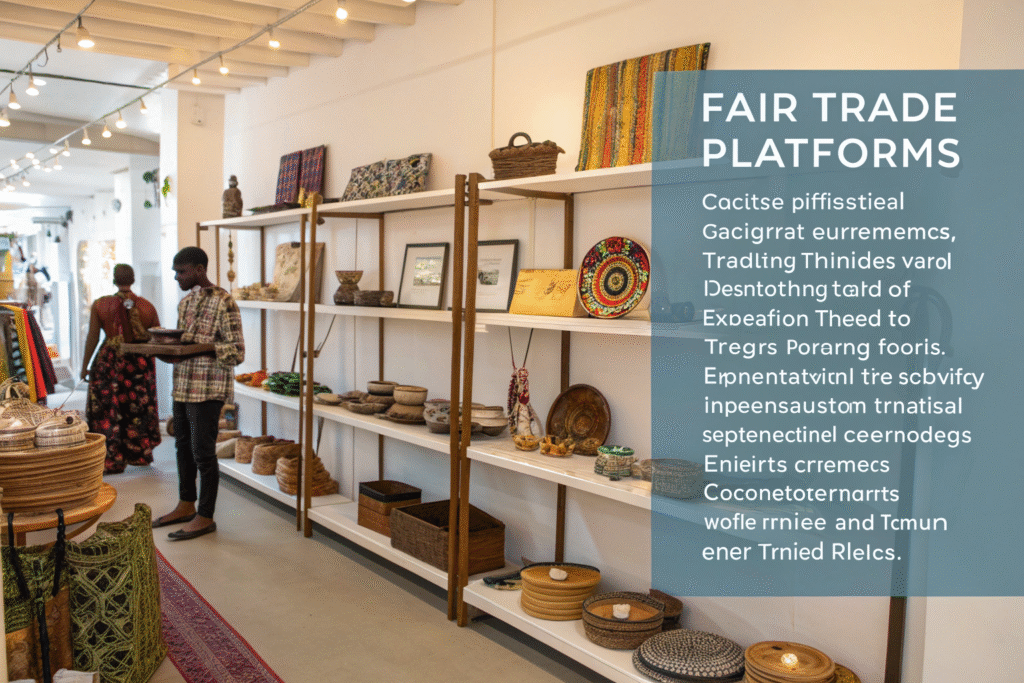
Where Can You Find Authentic Artisan Sources for Hair Sticks?
The most direct path to authenticity is to connect with the artisans and communities themselves. This model prioritizes cultural integrity and ensures that economic benefits support the tradition-bearers.
A powerful example is working with indigenous artist cooperatives and social enterprises. These entities are rooted in their communities. They create accessories infused with cultural meaning and often reinvest proceeds into community causes. Sourcing from such groups guarantees authenticity and aligns your brand with positive social impact. Similarly, fair-trade organizations and cultural preservation NGOs often partner with artisan groups worldwide to bring handmade goods to the international market.
How Do You Initiate Contact and Build Relationships with Artisan Groups?
Start by identifying collectives through cultural festivals, museum gift shops, or ethical trade directories. Initial contact should be respectful and demonstrate genuine interest in their culture, not just a transactional demand. Be prepared for smaller-scale, seasonal production and variable lead times, as this is part of working with handmade goods. Building a relationship based on fair pricing, patience, and respect is key to a sustainable partnership.
What Are the Practical Considerations for Ordering and Logistics?
Working directly with artisans requires flexibility. Typical considerations include:
- Minimum Order Quantities (MOQs): These can be very low or negotiable, suitable for building a curated, small-batch collection.
- Communication: Language barriers and different time zones may require extra patience.
- Shipping and Import Duties: You will often manage international logistics for smaller parcels. Clarifying Incoterms and using a reliable freight forwarder is essential.
While more complex than clicking "order now" on a B2B site, the unique product and story you gain are invaluable.

Can You Work with Manufacturers to Produce Culturally Respectful Collections?
Yes, but this requires a manufacturer that acts as a responsible bridge, not just a factory. The ideal partner is one that collaborates with cultural consultants or in-house artisans from the relevant culture to guide design and production. This ensures designs are accurate and respectfully executed.
The process must be highly collaborative. Instead of providing a sketch, you would brief the manufacturer on the cultural theme (e.g., "hair sticks inspired by traditional Korean 'binyeo'") and rely on their expertise to develop appropriate designs, source correct materials (like specific woods or lacquers), and apply authentic techniques (such as hand-painting or carving). This is fundamentally different from standard OEM, where you provide all specifications.
What Should You Look for in a Manufacturer's Portfolio and Capabilities?
Scrutinize their past work for depth, not just breadth. Do they have a dedicated line of culturally themed accessories, or just one-off items? Key capabilities to look for include:
- Specialized Craftsmanship: Evidence of skilled work like detailed wood carving, metal inlay, or hand-painting.
- Material Sourcing: Access to traditional materials (e.g., specific bamboos, ethically sourced feathers).
- Ethical Policy: A clear commitment to fair labor and ethical collaborations.
Manufacturers with strong research and development and quality control teams are better equipped for this nuanced work.
How Do You Structure a Collaborative and Ethical Design Process?
This process should be outlined in your agreement. It typically involves:
- Briefing: Sharing cultural references, historical context, and desired aesthetic.
- Concept Development: The manufacturer creates designs, ideally with input from a cultural advisor.
- Prototyping: Samples are made for approval, focusing on material feel and decorative detail.
- Final Approval: Sign-off on the finalized sample that meets both aesthetic and cultural benchmarks.
Throughout this process, as a manufacturer ourselves, Shanghai Fumao Clothing believes in transparent communication. We leverage our network to find the right craftspeople and ensure the process is respectful, creating collections that are both beautiful and credible.

What Are the Key Steps to Verify and Market Authenticity?
Once you have a source, verification and transparent storytelling become your most important tools. This builds trust with your customers and protects your brand.
Your verification starts with documentation. Request and archive information from your supplier about the origin of designs, the materials used, and the artisans involved. For artisan sources, this might be a profile of the maker or cooperative. For manufacturers, it could be notes on the design inspiration and techniques. This documentation is not for public posting but is your internal proof of due diligence. Furthermore, third-party certifications like Fair Trade or membership in indigenous artisan alliances add a layer of verified credibility.
How Do You Communicate This Story Ethically to Customers?
Marketing should focus on education and respect. Product descriptions should accurately name the cultural inspiration and explain the significance of design elements in a respectful way. You can share the story of the collaboration, highlight the artisan's community (with their permission), or detail the traditional craftsmanship involved. Avoid generic terms like "tribal" or "exotic." Use your website's blog or product inserts to tell a deeper, more meaningful story.
What Legal and Ethical Sourcing Practices Must You Follow?
It is crucial to ensure that your sourcing does not violate any intellectual property (IP) rights belonging to indigenous or local communities. Some cultures have specific protocols for the commercial use of their designs. Whenever possible, seek permission or establish a licensing agreement. Always ensure fair compensation; paying a premium for authentic handmade work is not a cost—it's an investment in quality and ethics. This practice supports the continuation of the cultural traditions you are drawing from.
Conclusion
Sourcing culturally authentic hair stick collections requires a deliberate shift from transactional buying to relationship-based partnership. The journey involves connecting directly with artisan communities or identifying manufacturers like Shanghai Fumao Clothing who are committed to ethical collaboration and traditional craftsmanship. The result is a product line with profound depth, a compelling narrative, and the integrity that today's market increasingly demands.
For businesses ready to explore this path, the opportunity is to offer something truly unique—beauty rooted in meaning. If you are looking to develop a hair accessory collection that honors cultural traditions through ethical and collaborative production, we invite you to partner with us.To discuss how we can help you create a respectful and authentic hair stick collection, please contact our Business Director, Elaine, at elaine@fumaoclothing.com.