
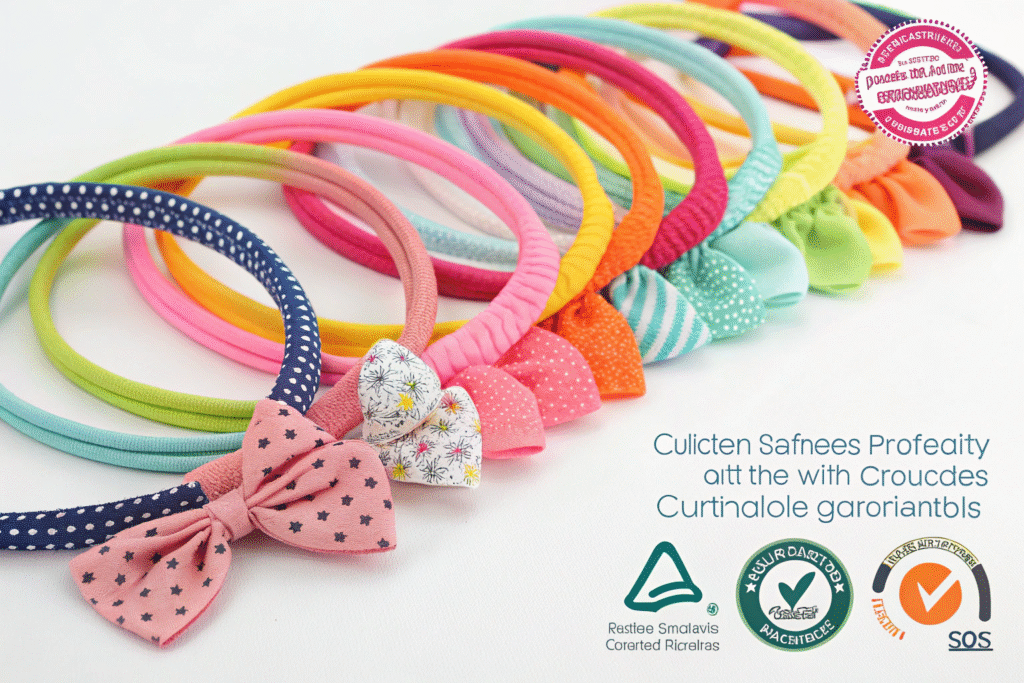
As a manufacturer specializing in children's hair accessories, I understand the specific requirements and challenges of sourcing fabric-covered hair bands for kids' retail. Successful sourcing requires balancing quality, safety compliance, cost-effectiveness, and market appeal to meet the demands of both retailers and young consumers.
The most effective approaches for sourcing fabric-covered hair bands for kids' retail include working with specialized children's accessory manufacturers, utilizing B2B platforms like Alibaba and Global Sources, attending international children's product trade shows, partnering with OEM manufacturers for private labeling, and establishing relationships with factories that specialize in children's textile products.
Sourcing children's hair bands requires additional considerations beyond standard accessory procurement, including safety certifications, age-appropriate designs, and durability testing. Let's explore the specific sourcing channels, quality considerations, and strategic approaches that ensure successful procurement for kids' retail markets.
What are the primary sourcing channels for kids' fabric hair bands?
Multiple sourcing channels offer distinct advantages for retailers seeking fabric-covered hair bands for children, each with different benefits in terms of minimum order quantities, customization options, and quality control.
B2B marketplaces like Alibaba and Global Sources provide access to numerous verified suppliers with transparent pricing and the ability to compare multiple options quickly. Specialized children's accessory manufacturers offer expertise in child-specific safety standards, age-appropriate sizing, and designs that appeal to both children and parents. OEM and ODM factories enable complete customization from fabric selection to packaging, ideal for establishing branded product lines. Local and regional manufacturers provide faster turnaround times and smaller minimum orders, suitable for testing new designs or smaller retail operations. Trade shows specifically focused on children's products offer opportunities to establish direct manufacturer relationships and see product quality firsthand. These sourcing channels each serve different needs within kids' retail sourcing strategies.
How do minimum order quantities vary across sourcing channels?
Minimum order quantities represent a critical consideration in kids' hair band sourcing, with significant variations across different supplier types that impact inventory strategy and financial commitment.
B2B platform suppliers typically offer MOQs ranging from 100-500 pieces per design, with some accommodating even lower quantities for standard designs. Specialized children's product manufacturers often require 500-2,000 pieces minimum to justify production runs with child-specific safety testing and documentation. OEM factories generally mandate higher MOQs of 1,000-5,000 pieces to offset setup costs for custom designs, materials, and packaging. Local artisans and small batch producers may accept orders as low as 50-100 pieces but at higher per-unit costs. Seasonal collection programs from established manufacturers sometimes offer lower MOQs for inclusion in mixed assortments rather than single-item production. Understanding these MOQ variations helps retailers select appropriate sourcing partners based on their business scale and inventory capabilities.
What quality and safety standards apply to kids' hair accessories?
Children's hair accessories must meet specific quality and safety standards that differ from adult products, with particular attention to materials, construction, and potential hazards. Understanding these requirements is essential for responsible sourcing.
CPSIA compliance in the United States requires third-party testing for lead content and phthalates in products intended for children under 12 years. EN71 standards in the European Union establish safety requirements for mechanical, physical, and chemical properties of toys, which often extend to children's accessories. ASTM F963 in the United States provides comprehensive safety specifications for toy safety that inform hair accessory safety expectations. Textile certification standards including Oeko-Tex Standard 100 ensure fabrics are free from harmful substances. Small parts regulations prevent choking hazards through secure attachment of decorative elements and overall size considerations. These safety standards form the foundation of responsible kids' product sourcing.
How can retailers verify supplier compliance with safety standards?
Verifying supplier compliance with children's product safety standards requires specific documentation requests and verification processes to ensure legal and ethical sourcing.
Request test reports from CPSC-accepted laboratories or equivalent international certification bodies for relevant markets. Review children's product certificates that specifically declare compliance with applicable safety standards. Examine material documentation including fabric composition, dye certifications, and component safety data sheets. Conduct factory audits either personally or through third-party inspection services to verify manufacturing processes and quality control systems. Implement incoming product testing for random samples from each production batch to confirm ongoing compliance. Maintain detailed records of compliance verification to demonstrate due diligence in product safety management.
What design considerations are unique to kids' fabric hair bands?
Children's hair band design requires specific considerations beyond aesthetic appeal, addressing practical concerns related to comfort, durability, and ease of use by both children and parents.
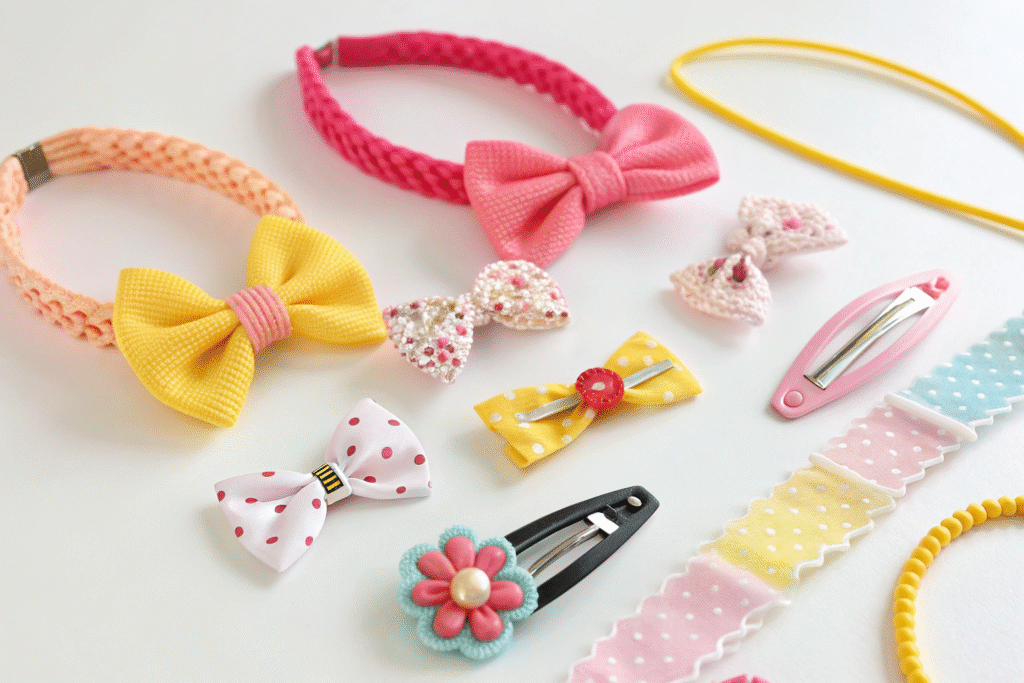
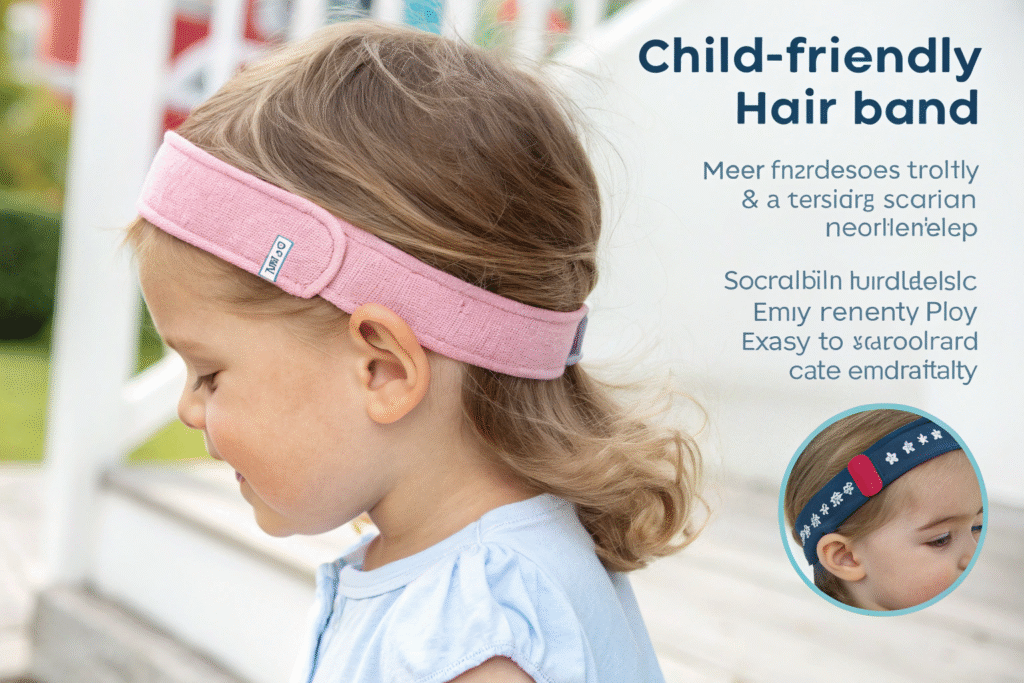
Size scaling with proportional reductions for different age groups from toddlers to pre-teens ensures comfortable fit without excessive pressure. Fabric selection prioritizing soft, stretchable materials with minimal irritation potential for sensitive skin. Closure systems that provide secure hold without sharp elements, with preference for knotless designs that prevent hair pulling. Decorative elements securely attached to withstand child handling and cleaning, avoiding small detachable parts. Character licensing with age-appropriate properties that resonate with target demographic while complying with brand usage guidelines. These design considerations distinguish successful kids' hair accessories from simply scaled-down adult designs.
How do fabric choices impact performance and safety in kids' hair bands?
Fabric selection fundamentally influences both the performance and safety of children's hair bands, with different materials offering distinct advantages and considerations for young users.
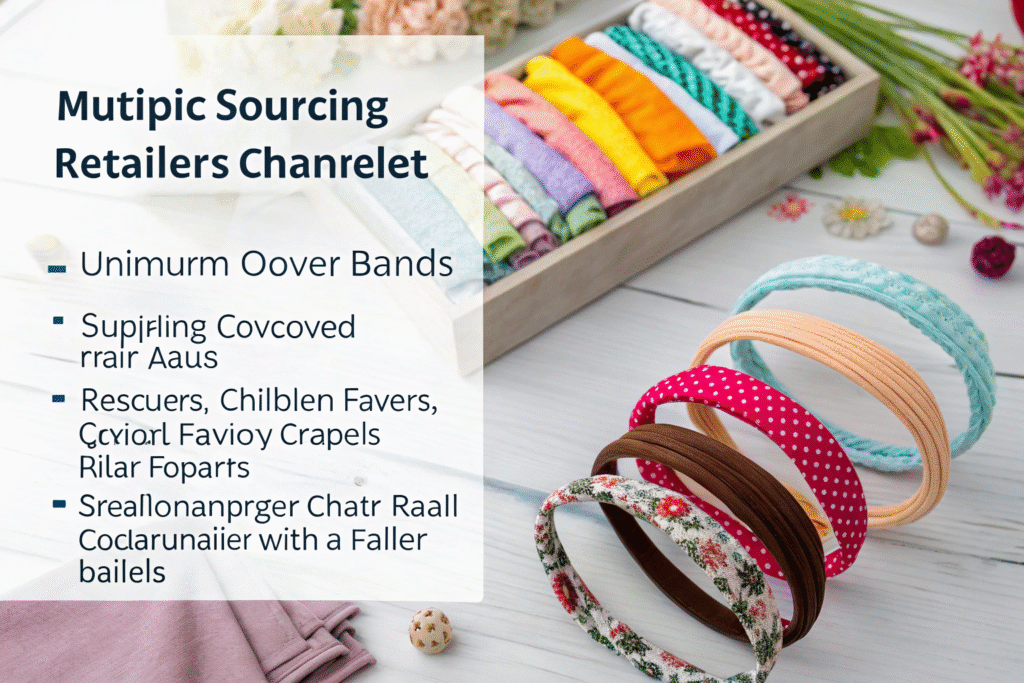
Cotton and organic fabrics provide hypoallergenic properties and breathability but may lack stretch recovery without synthetic blends. Stretch velvet offers softness and visual appeal but requires testing for pilling and color fastness during cleaning. Satin and silk fabrics create dressier appearances but may slide more easily from fine children's hair. Moisture-wicking synthetics benefit active children but should be tested for skin sensitivity. Terry cloth and fleece provide extra cushioning and comfort but add bulk that may affect fit. Each fabric type requires evaluation against safety, comfort, and performance criteria specific to children's use.
What are the key cost factors in kids' hair band sourcing?
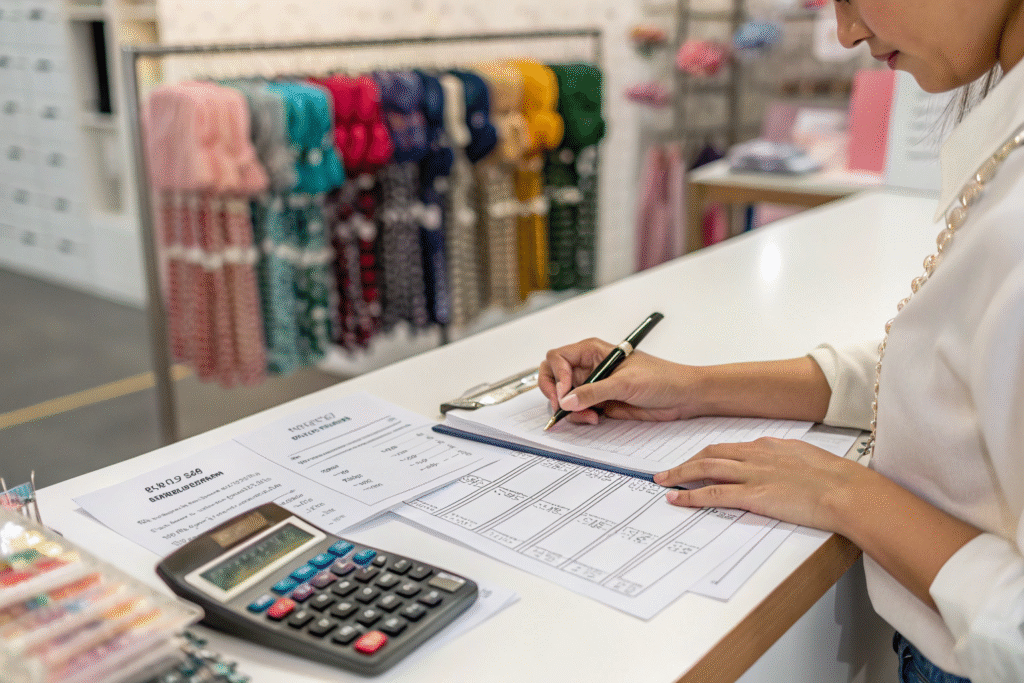
Understanding the complete cost structure of sourcing kids' fabric hair bands helps retailers make informed decisions about supplier selection, pricing strategy, and profit margin planning.
Material costs vary significantly based on fabric quality, with organic, licensed character, or specialty technical fabrics commanding premium prices. Decoration techniques including embroidery, appliqué, and printing add cost based on complexity and manual labor requirements. Safety testing and certification represent fixed costs that must be amortized across production quantities. Packaging requirements for children's products often exceed standard accessory packaging, adding both material and labor costs. Shipping and import duties vary based on product weight, origin country, and trade agreements. Minimum order quantity requirements influence per-unit costs through volume pricing advantages. Understanding these cost components enables accurate pricing and margin calculations.
How can retailers optimize sourcing costs without compromising quality?
Several strategies help retailers manage kids' hair band sourcing costs while maintaining product quality and safety standards that parents expect.
Consolidated ordering across multiple styles or seasonal collections increases order volume and improves negotiating position for better pricing. Standardized components across different designs enable bulk material purchasing and reduce setup costs. Strategic fabric selection that balances quality with cost, potentially using premium fabrics only on visible surfaces. Simplified packaging solutions that maintain product protection and appeal while eliminating unnecessary elements. Direct factory relationships that eliminate intermediary markups while requiring greater quality management responsibility. These cost optimization approaches help maintain competitive pricing in the children's accessory market.
Conclusion
Sourcing fabric-covered hair bands for kids' retail requires specialized approaches that address child-specific safety requirements, age-appropriate design considerations, and parent expectations for quality and value. Successful sourcing strategies combine appropriate supplier selection, thorough compliance verification, thoughtful design development, and strategic cost management to create product offerings that perform well in the competitive children's accessory market.Learn more shanghaifumaoclothing.
By understanding the unique aspects of children's product sourcing—from safety certifications to size-appropriate designs—retailers can build successful kids' hair accessory collections that meet market demands while maintaining compliance and quality standards. The additional considerations required for children's products ultimately contribute to stronger sourcing practices and more reliable supplier relationships.
If you're looking to source fabric-covered hair bands for kids' retail, HairAcc offers specialized manufacturing expertise in children's hair accessories with full compliance documentation and age-appropriate design capabilities. Contact our Business Director, Elaine, at elaine@fumaoclothing.com to discuss how we can help you develop successful kids' hair band collections for your retail business.