
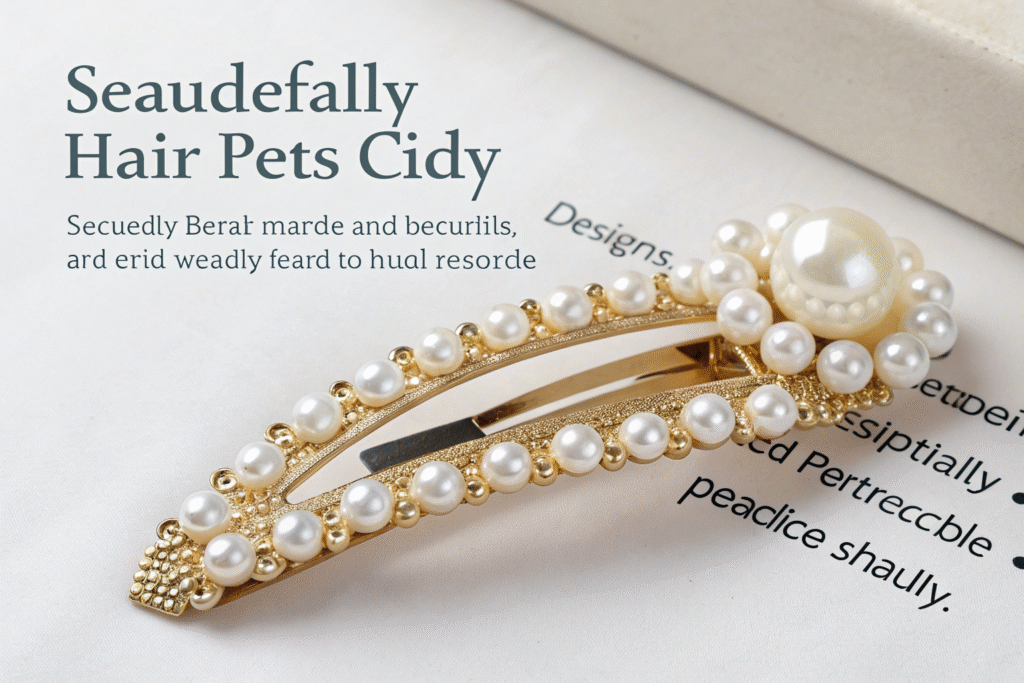
As a manufacturer specializing in handmade hair accessories, we understand that pearl security is a primary concern for both retailers and end consumers. A beautifully designed hair clip loses all its value if pearls become loose or fall out after minimal use. The firmness of pearl setting directly impacts product longevity, customer satisfaction, and ultimately, your brand's reputation. As a leading handmade hair accessory manufacturer, HairAcc—a core brand of shanghaifumaoclothing https://shanghaiGarment.com.
The security of pearls in handmade hair clips depends fundamentally on the setting technique, adhesive quality, and base material. High-quality handmade clips utilize a combination of mechanical settings (prong, bezel, or glue-and-wrap) and industrial-strength jewelry adhesives, creating a bond that typically withstands daily wear, gentle hair brushing, and accidental drops. The most secure settings often involve drilling pearls and using metal claws or wire wrapping for physical reinforcement, supplemented by specialized adhesive.
Understanding the specific methods and materials used provides confidence in product durability. Let's examine the technical aspects that determine how firmly pearls stay in place, ensuring you can communicate this quality to your customers effectively.
What setting techniques ensure pearl security?
Pearl setting techniques vary significantly in complexity and security level, with the most durable methods combining mechanical and adhesive approaches for maximum hold. The technique choice depends on pearl size, clip design, and intended use.
Prong settings use small metal claws that gently grip the pearl, ideal for larger, drilled pearls and providing excellent security while allowing light to enhance the pearl's luster. Bezel settings surround the pearl with a metal collar, offering superior protection for the pearl's edges and preventing lateral movement. The glue-and-wrap technique combines adhesive with fine wire that wraps around the pearl base, creating both chemical and physical bonds. For flat-backed pearls, direct adhesion to metal surfaces provides a seamless look, though this requires precisely matched surfaces and specialized adhesives for reliable results.
How does adhesive selection impact pearl retention?
Adhesive quality represents the invisible foundation of pearl security, with industrial-grade formulations specifically designed for jewelry applications offering far superior performance compared to conventional glues. The adhesive choice directly determines long-term durability.
Two-part epoxy resins provide the strongest bond for pearls, creating a chemical-resistant connection that withstands humidity and temperature variations. Specialized jewelry cement offers flexibility after curing, allowing for slight material expansion and contraction without compromising the bond. UV-curing adhesives create instant bonds when exposed to specific light wavelengths, enabling precise application and immediate handling. All quality adhesives undergo compatibility testing with both pearl nacre and metal bases to prevent long-term deterioration or discoloration, with our factory conducting regular to ensure consistent performance.
What quality control measures verify pearl security?
Rigorous quality control processes are essential for ensuring pearl security in handmade hair clips, with multiple checkpoints throughout production identifying potential failures before products reach customers. These systematic verifications provide measurable confidence in product durability.
Pre-production testing involves assessing adhesive bonds on sample materials using standardized stress tests. During production, visual inspection confirms proper adhesive application and complete coverage without overflow. Post-assembly, clips undergo functional testing including gentle torsion tests to simulate hair entanglement and light impact tests to mimic dropping. A representative sample from each batch undergoes accelerated aging tests exposing clips to varying humidity and temperature conditions, followed by more rigorous stress testing to predict long-term performance.
How are pearls prepared for optimal adhesion?
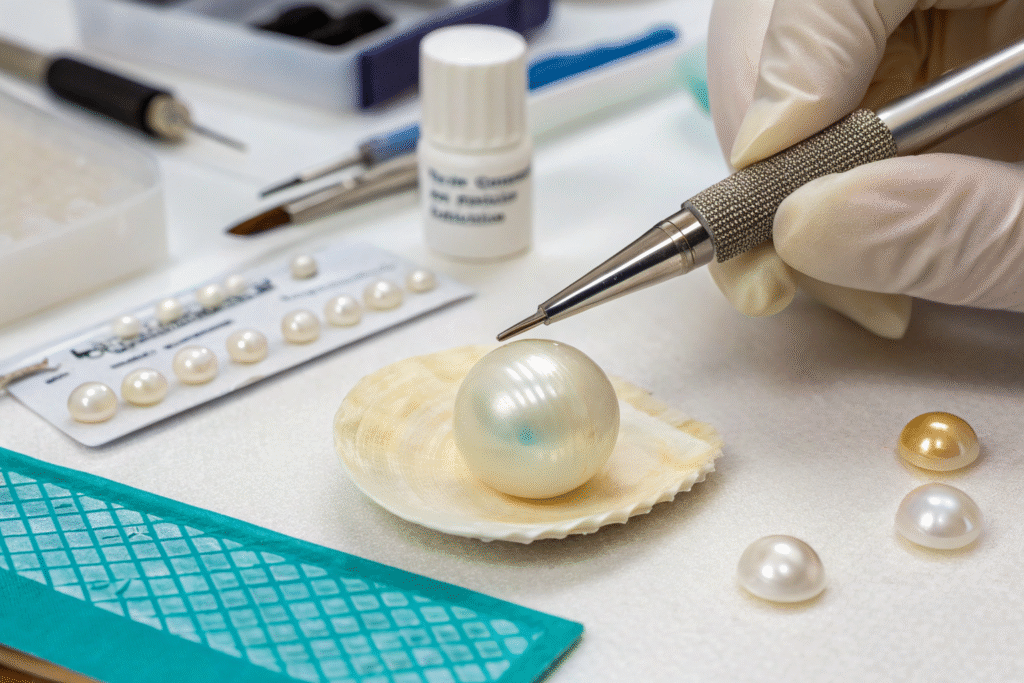
Pearl preparation significantly influences adhesion strength, with surface conditioning creating the ideal foundation for durable bonds. Proper preparation addresses the unique challenges of pearl nacre, which has a naturally smooth, layered structure.
Pearls are lightly abraded on the contact area using fine-grit tools, creating microscopic grooves that dramatically increase surface area for adhesive bonding. This is followed by thorough degreasing using solvents specifically formulated to remove natural oils and residues without damaging the pearl's luster. For drilled pearls, the interior of the hole receives similar treatment to ensure maximum adhesive penetration and grip. The timing between preparation and adhesive application is carefully controlled to prevent surface recontamination, with our quality team conducting regular to maintain optimal processes.
How does clip design influence pearl security?
The overall design of a hair clip significantly impacts pearl security, with thoughtful engineering distributing stress away from adhesive bonds and protecting pearls from direct impact. Strategic design choices can dramatically improve longevity.
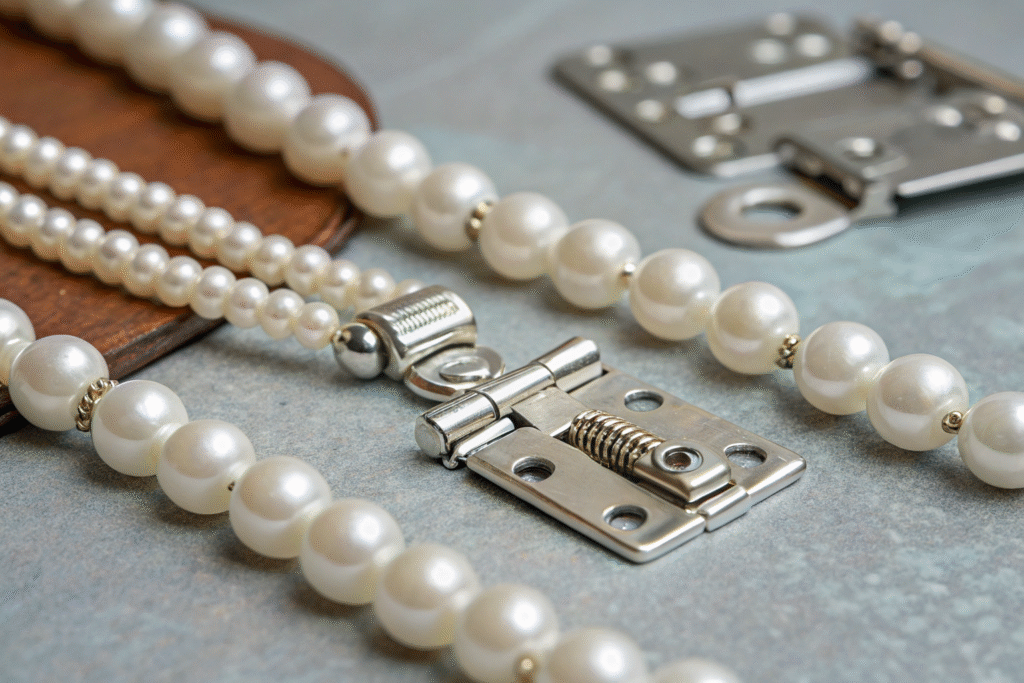
Closed-back designs provide full coverage and support for pearls, preventing direct contact with hair and reducing snagging that could dislodge components. Protective settings raise pearls slightly above the clip surface, creating a buffer zone that minimizes abrasion and impact. Strategic placement positions pearls away from high-stress areas like clip hinges or closing mechanisms where flexing occurs. Reinforcement structures incorporate additional metalwork or material around pearls, creating physical barriers that absorb forces before they reach the adhesive bond.
What are the weakest points in pearl hair clip construction?
Understanding potential failure points helps in both quality control and educating customers about proper care. Certain construction aspects naturally present higher risks for pearl loss if not properly executed.
The adhesive-pearl interface represents the most critical connection, where improper surface preparation or adhesive application leads to failure. Thin prongs in claw settings may loosen over time with repeated hair brushing if not properly tempered. Clip hinges and springs generate internal stress during use, which can transfer to nearby pearl settings if not isolated. The edges of glued pearls experience the highest stress concentrations during lateral impacts, making perimeter adhesion particularly crucial. Our designers specifically address these vulnerabilities through and strategic component placement.
How should customers care for pearl hair clips?
Proper care and maintenance significantly extend the lifespan of pearl hair clips, preserving both their aesthetic appeal and structural integrity. Educating end consumers about appropriate handling reduces product returns and enhances satisfaction.
Storage recommendations include keeping pearl clips in separate soft pouches or compartments to prevent scratching and pressure from other objects. Cleaning guidance involves using only soft, dry cloths for regular maintenance and avoiding chemicals, perfumes, and hairsprays that can degrade adhesives over time. Usage advice includes removing clips before sleeping, exercising, or swimming to minimize stress and environmental exposure. Regular inspection encourages consumers to check for early signs of loosening so minor issues can be addressed before pearls are lost.
What warranty and support should retailers expect from manufacturers?
Responsible manufacturers stand behind their products with clear warranties and support policies that protect retailers from product failures. Understanding these policies ensures proper expectations and business planning.
Most reputable manufacturers offer warranties specifically covering manufacturing defects, including pearl detachment under normal use conditions within a defined period (typically 6-12 months). Replacement policies should clearly outline procedures for defective products, with efficient processes that minimize retailer inconvenience. Quality documentation provides test results and material specifications that verify construction standards. Transparent communication includes educating retailers about realistic product lifespan expectations and normal wear patterns, with our company providing detailed for distributor use with their customers.
Conclusion
The security of pearls in handmade hair clips depends on a multifaceted approach combining appropriate setting techniques, high-quality materials, rigorous manufacturing standards, and thoughtful design. When properly constructed using industrial-grade adhesives, mechanical reinforcement, and thorough quality control, pearl hair clips offer durable beauty that withstands regular use. The combination of technical expertise and quality materials results in products that maintain their integrity through normal wear while providing the elegant appearance customers desire.
For retailers, understanding these construction details enables accurate product representation and appropriate customer education, reducing returns and building brand loyalty. The investment in properly secured pearls pays dividends through customer satisfaction and repeat business. To get a customized quote, review our full quality documentation, or schedule a virtual factory tour of our pearl setting process, visit shanghaifumaoclothing’s pearl hair clip sourcing hub.
If you're looking for reliably crafted pearl hair clips with verified security features, HairAcc employs stringent manufacturing processes and quality controls to ensure product durability. Contact our Business Director, Elaine, at elaine@fumaoclothing.com to discuss our pearl security standards and request samples for your own quality verification.