

The silk scarf shortage during peak seasons is a real headache for fashion buyers. When demand spikes, many suppliers struggle to deliver. This can leave your shelves empty and customers disappointed. The problem affects everyone from small boutiques to large retailers trying to meet seasonal demand.
Leading suppliers overcome seasonal silk scarf shortages through strategic raw material planning, diversified production networks, advanced inventory management, and transparent client communication.These proactive measures ensure consistent supply even during high-demand periods like holiday seasons or fashion launches. The most reliable manufacturers plan their supply chain operations months in advance to prevent stockouts.
Let's examine the specific strategies that separate reliable suppliers from the rest during crunch time.
What Strategic Raw Material Planning Prevents Silk Shortages?
Raw material planning is the first defense against seasonal shortages. Smart suppliers don't wait until orders arrive to source their silk. They forecast demand and secure materials early based on historical data and market trends.
Successful manufacturers build strong relationships with multiple silk farms and distributors. They often enter into annual contracts that guarantee a certain amount of raw silk each month. This ensures priority access during high-demand periods. They also maintain a strategic reserve of popular silk varieties like chiffon, satin, and jacquard weaves. This buffer stock acts as a safety net when unexpected orders arrive.
How Does Early Silk Procurement Secure Supply Chain?
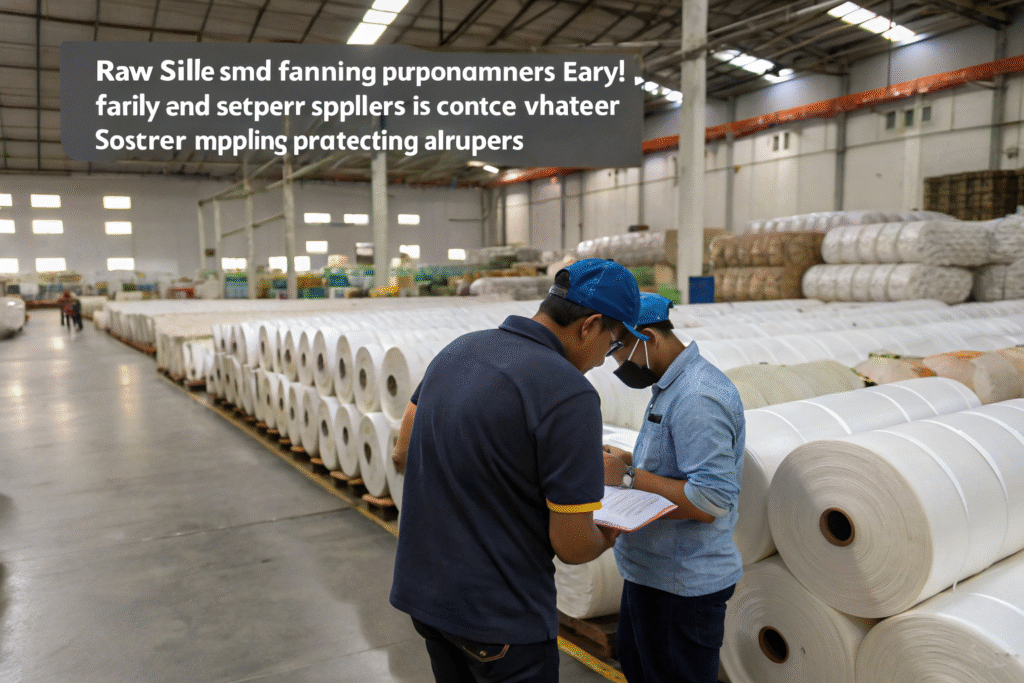
Early procurement is the cornerstone of supply chain security. Top manufacturers begin sourcing silk for the holiday season as early as June or July. They analyze previous years' sales data, current fashion trends, and client forecasts to determine their raw material needs.
This forward planning allows them to negotiate better prices and ensure material availability. They work closely with silk producers in regions like Zhejiang and Jiangsu provinces in China, known for quality silk production. By placing advance orders and making partial prepayments, they secure their position in the production queue long before the seasonal rush begins.
What Role Does Alternative Material Sourcing Play?
Having alternative materials ready is crucial for maintaining production when specific silk types run short. Professional suppliers identify and test substitute fabrics that offer similar qualities and price points. During peak seasons, they might suggest silk blends or high-quality synthetic alternatives that maintain the luxurious feel while ensuring delivery timelines.
These alternatives include silk-cotton blends for casual collections or premium polyester with silk-like characteristics for more affordable lines. This flexibility allows buyers to maintain their product offerings without compromising on quality or delivery schedules when pure silk availability becomes constrained.
How Does Production Capacity Management Ensure Timely Delivery?
Managing production capacity effectively is what separates reliable suppliers from average ones during peak seasons. The best manufacturers don't just react to orders—they plan their production schedules strategically to accommodate seasonal spikes.
They achieve this through advanced production planning, overtime management, and strategic partnerships with specialized workshops. By creating detailed production timelines months in advance, they can balance regular orders with seasonal peaks without compromising quality or delivery deadlines.

What Production Scheduling Strategies Work Best?
Effective production scheduling involves staggering orders based on complexity and delivery dates. Manufacturers use sophisticated ERP systems to track every stage of production from silk cutting to printing and hemming. They prioritize orders based on confirmed shipping dates and production complexity.
For silk scarves, this might mean grouping orders by color palette to minimize dye changes, or by print type to optimize digital printing schedules. This systematic approach minimizes downtime and ensures that machines and workers are utilized efficiently throughout the peak season.
How Do Partnership Networks Enhance Production Flexibility?
Strong partnership networks provide crucial production flexibility during peak demand. Established manufacturers maintain relationships with specialized printing, dyeing, and embroidery facilities that can handle overflow work. This distributed production model allows them to scale capacity quickly without sacrificing quality.
These partnerships are built over years of collaboration and quality assurance. Each partner facility undergoes rigorous quality checks to ensure they meet the same standards as the main factory. This network approach acts as a force multiplier during crunch periods, ensuring that no single order gets delayed due to capacity constraints.
What Inventory and Communication Strategies Build Client Trust?
Transparent communication and smart inventory management are what build long-term client relationships during challenging periods. The best suppliers don't hide from supply problems—they communicate proactively and offer practical solutions.
They maintain clear channels for order updates, provide realistic timelines, and offer alternatives when necessary. This honest approach helps clients plan their own operations effectively and demonstrates the supplier's commitment to partnership rather than just transaction completion.

How Does Safety Stock Inventory Prevent Stockouts?
Maintaining strategic safety stock is a key buffer against supply chain disruptions. Savvy manufacturers keep finished goods inventory of best-selling silk scarf designs and blank scarves ready for custom printing. This safety stock serves multiple purposes: it accommodates last-minute orders, replaces defective pieces in larger orders, and fills gaps when production faces unexpected delays.
The composition of this safety stock is carefully planned based on historical sales data and trend analysis. It typically includes popular sizes like 90x90cm and 140x140cm, classic colors, and versatile patterns that can be adapted for various customer needs throughout the peak season.
What Communication Practices Manage Client Expectations?
Proactive communication is the most effective tool for managing client expectations during supply-constrained periods. Successful manufacturers provide regular production updates, early warnings about potential delays, and transparent explanations of challenges. They assign dedicated account managers to key clients during peak seasons, ensuring consistent communication and quick problem-solving.
This includes weekly production status reports, photos of work in progress, and early notification when orders move to shipping. By keeping clients informed at every stage, they transform potential frustration into collaborative problem-solving and build trust that lasts beyond the seasonal crunch.
Why Choose a Supplier with Integrated Supply Chain Solutions?
Suppliers with vertically integrated operations and strong logistics partnerships provide the most reliable solutions during peak seasons. Their control over multiple stages of production and shipping processes makes them resilient to individual point failures in the supply chain.
These suppliers typically have relationships with multiple shipping lines, air freight providers, and logistics companies. This diversification ensures that if one logistics partner faces delays, alternatives are immediately available to keep your products moving toward their destination.

How Does Vertical Integration Stabilize Production?
Vertical integration brings critical production stages in-house, reducing dependency on external suppliers during busy periods. Manufacturers with their own printing, dyeing, or finishing facilities can prioritize orders more effectively and maintain quality standards consistently. This control over the production timeline is invaluable when every day counts during peak seasons.
For silk scarf production, this might mean having digital printing capabilities in-house for quick turnaround on custom designs, or maintaining a dedicated team for hand-rolled edges that can be expanded during high-volume periods through trained temporary staff.
What Logistics Partnerships Ensure On-Time Delivery?
Diverse logistics partnerships are the final piece of the peak season puzzle. Reliable manufacturers work with multiple freight forwarders and have established relationships with shipping lines and airlines. They monitor global logistics trends and port conditions to route shipments efficiently, avoiding bottlenecks that could delay your inventory arrival.
They also implement flexible shipping strategies, combining sea freight for cost efficiency on early orders with air freight options for last-minute needs. This multi-modal approach ensures that even with production challenges, the final delivery to your warehouse remains on schedule.
Conclusion
Surviving peak season silk scarf shortages requires suppliers to implement strategic raw material planning, flexible production systems, transparent communication, and integrated logistics solutions. The most reliable partners plan months ahead, maintain backup systems, and communicate proactively to ensure your business never faces empty shelves during crucial selling periods.
At HairAcc, we've built our supply chain to withstand seasonal pressures through early silk procurement, diversified production partnerships, and maintained safety stock. Our clients enjoy consistent supply even during the busiest seasons. For reliable silk scarf sourcing that won't let you down during peak demand, contact our Business Director Elaine at elaine@fumaoclothing.com to discuss your seasonal needs.